
You placed a large bearing order. The shipment arrives. Half of them are wrong. Your production line stops.
A practical purchasing checklist covers four areas: technical specs, quality documents, supplier capacity, and packaging. Use this list before you pay.
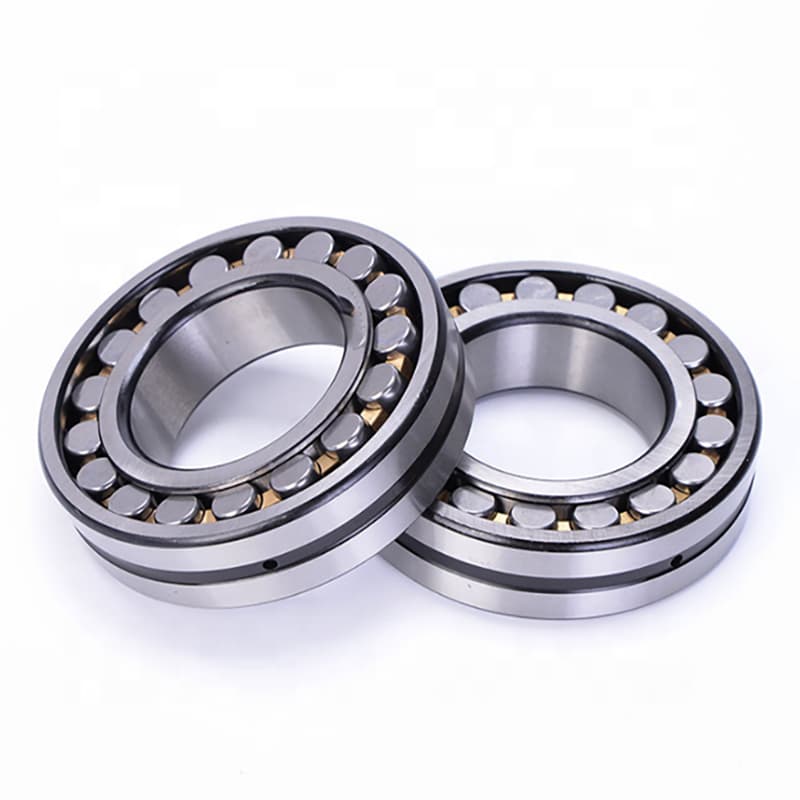
I have helped procurement managers from India, Egypt, and Brazil buy bearings in bulk. Many of them learned the hard way. They trusted a supplier without a checklist. Then they got stuck with wrong bearings, missing documents, or damaged goods. But you do not have to make those mistakes. In this article, I will walk you through my own checklist. I use it for every bulk order. Let us start with the most important step: matching the bearing to your machine.
Does Your Bearing Size, Clearance, and Precision Match Your Machine Specs?
You order bearings by number. But the same number can have different clearance or precision. One small mistake, and the bearing does not fit or fails fast.
Match the bearing series number, the internal clearance code (C3, C4, C5), and the precision grade (P0, P6, P5) to your machine manual. Do not assume. Write them down and check twice.
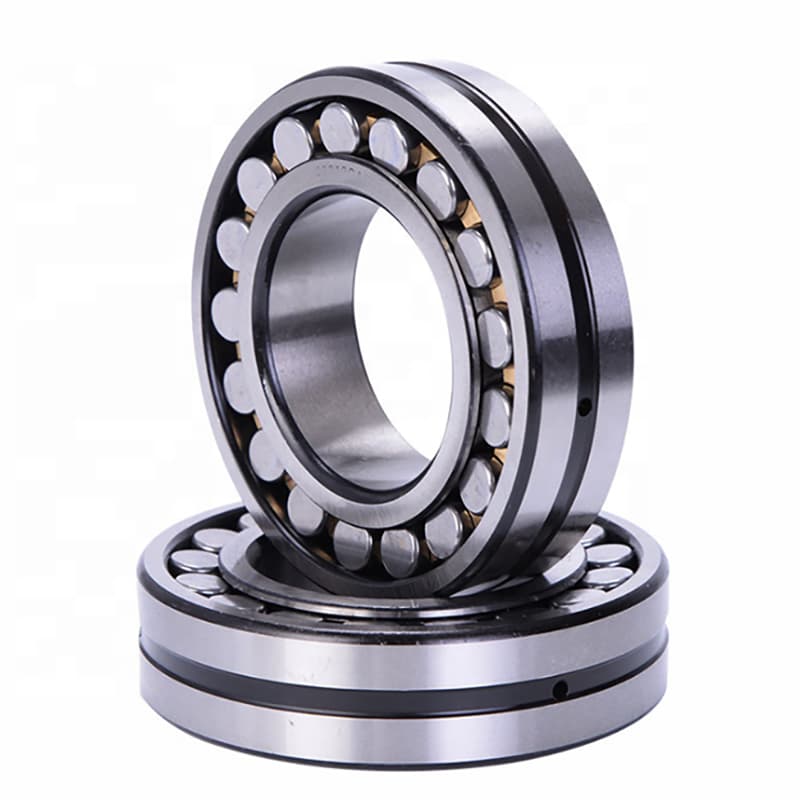
Let me break down what you need to confirm for every bulk order.
Step 1: Confirm the bearing series and dimensions. The bearing number tells you the series and the bore size. For example, 22220 means series 222 with a 100mm bore (20 x 5 = 100mm). But some suppliers use different codes. Always ask for the drawing or a dimension sheet. Check the outer diameter, the width, and the corner radii. A 1mm difference can make the bearing impossible to install.
Step 2: Confirm the internal clearance. This is the most common mistake I see. A buyer orders 100 pieces of 22220 bearing. The supplier sends CN (normal clearance). But the buyer needs C4 for a hot machine. The bearings lock up after one hour. So you must write the clearance code on your purchase order. For spherical roller bearings, the codes are:
| Code | Clearance Range (for 100mm bore) | Best For |
|---|---|---|
| CN | 0.010 to 0.025 mm | Normal temperature, light load |
| C3 | 0.020 to 0.040 mm | Warm machines, general industry |
| C4 | 0.030 to 0.055 mm | Hot machines (100-150°C) |
| C5 | 0.040 to 0.070 mm | Very hot (150-200°C) or heavy press fit |
Step 3: Confirm the precision grade. Most spherical roller bearings are P0 (normal). That is fine for crushers, conveyors, and steel mills. But if your machine runs at high speed, you need P6 or P5. The difference is in the running accuracy. P6 bearings have tighter tolerances on roundness and wall thickness. They cost about 20-30% more. Do not pay for P6 unless your speed is above 3,000 RPM or your application needs low vibration.
Step 4: Ask for a sample inspection. Before you ship the whole bulk order, ask the supplier to send one bearing for you to check. Measure the bore, the outer diameter, and the width. Also check the clearance. I had a customer in Pakistan who skipped this step. He ordered 500 bearings. When they arrived, the bore was 0.05mm too small. He could not fit them on the shafts. The supplier refused to take them back. That cost him $10,000. Now he always asks for a pre-shipment sample.
My recommendation for bulk orders. Create a one-page specification sheet. Write down the bearing number, the clearance code, the precision grade, and any special requirement (like high temperature grease or a specific cage material). Send this sheet to your supplier. Ask them to sign it. Then keep a copy with your purchase order. That way, both sides agree on the specs. If something goes wrong, you have proof.
Do You Request Material Certificates and Heat Treatment Records?
You get a good price. The bearings look fine. But six months later, they crack. The steel was bad. And you have no way to prove it.
Always ask for material certificates (EN 10204 3.1) and heat treatment batch records. These documents tell you the steel grade, the hardness, and the heat stabilization level. Without them, you are buying blind.
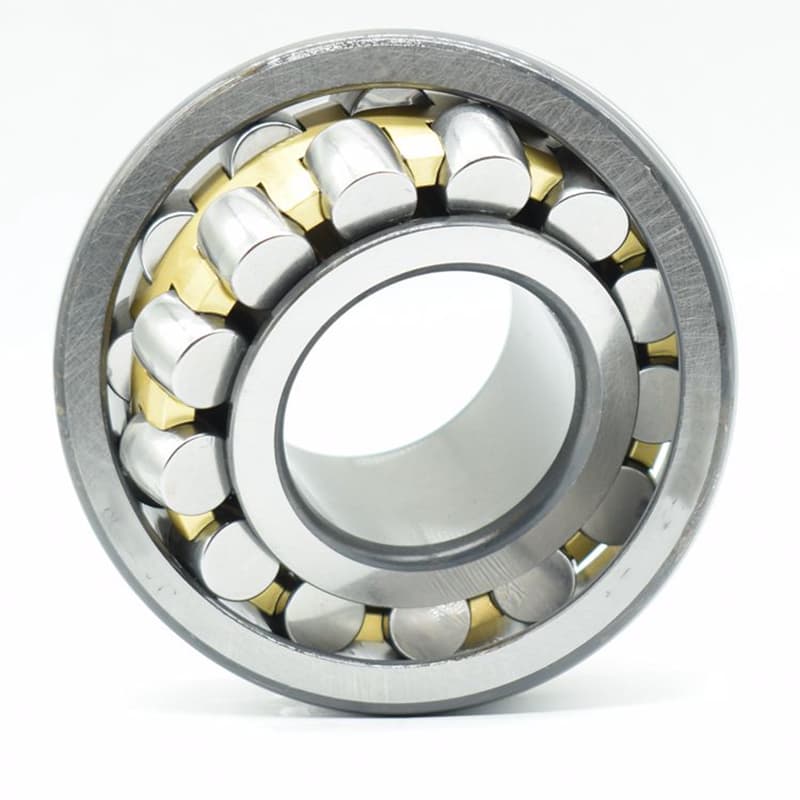
Let me explain what these documents mean and why you need them.
What is a material certificate? A material certificate (often called a mill certificate or 3.1 certificate) comes from the steel supplier. It tells you the chemical composition of the steel. For bearing steel, you need GCr15 (also called 52100 or 100Cr6). The certificate shows the percentages of carbon, chromium, manganese, and other elements. If the chromium is too low, the steel will not harden properly.
What to check on the material certificate.
| Element | Required % for GCr15 | Why It Matters |
|---|---|---|
| Carbon (C) | 0.95 to 1.05 | Gives hardness |
| Chromium (Cr) | 1.30 to 1.65 | Prevents rust and adds strength |
| Manganese (Mn) | 0.25 to 0.45 | Improves toughness |
| Silicon (Si) | 0.15 to 0.35 | Removes oxygen during melting |
If the numbers fall outside these ranges, the bearing will fail early.
What is a heat treatment record? This document comes from the bearing factory. It shows the temperature and time used to harden the bearing. For spherical roller bearings, the heat treatment has two steps: hardening and tempering. The hardening temperature is around 840°C. The tempering temperature depends on the heat stabilization grade. S1 bearings are tempered at 150°C. S2 at 200°C. S3 at 250°C. The record should also show the final hardness. Good bearing steel has a hardness of 58 to 62 HRC.
How to spot fake certificates. Some bad suppliers copy certificates from other factories. Look for these red flags:
- The certificate is for a different bearing size than you ordered.
- The date is old (more than two years) or missing.
- The hardness number is too perfect (always 60.0 HRC, never 59.5 or 60.3).
- The certificate has no stamp or signature.
- The supplier refuses to give you a certificate before you pay.
I remember a buyer in Russia. He ordered 1,000 spherical roller bearings at a very low price. The supplier sent a material certificate. But the certificate was from a steel mill in a different country. The buyer did not check. Six months later, the bearings started failing. He sent a sample to a lab. The steel had only 0.8% carbon and 0.9% chromium. That is not bearing steel. It is cheap carbon steel. The buyer lost $30,000. He now asks for certificates before every order.
My advice for bulk buyers. Do not accept PDF certificates only. Ask your supplier to send a photo of the original certificate with their factory stamp. Also ask for a sample bearing from the same batch. Send that sample to a local lab for hardness testing. A simple hardness test costs $20 to $50. That small cost can save you from a bad bulk order.
Have You Evaluated the Supplier’s MOQ, Lead Time, and Stock Availability?
You find a good supplier. You place a bulk order. Then they say, “Sorry, we need 90 days.” Or “We can only ship half now.” Your customers are waiting. You lose money.
Before you order, confirm the supplier’s minimum order quantity (MOQ), their lead time, and their stock availability for your bearing sizes. A reliable supplier gives you honest answers and backup plans.
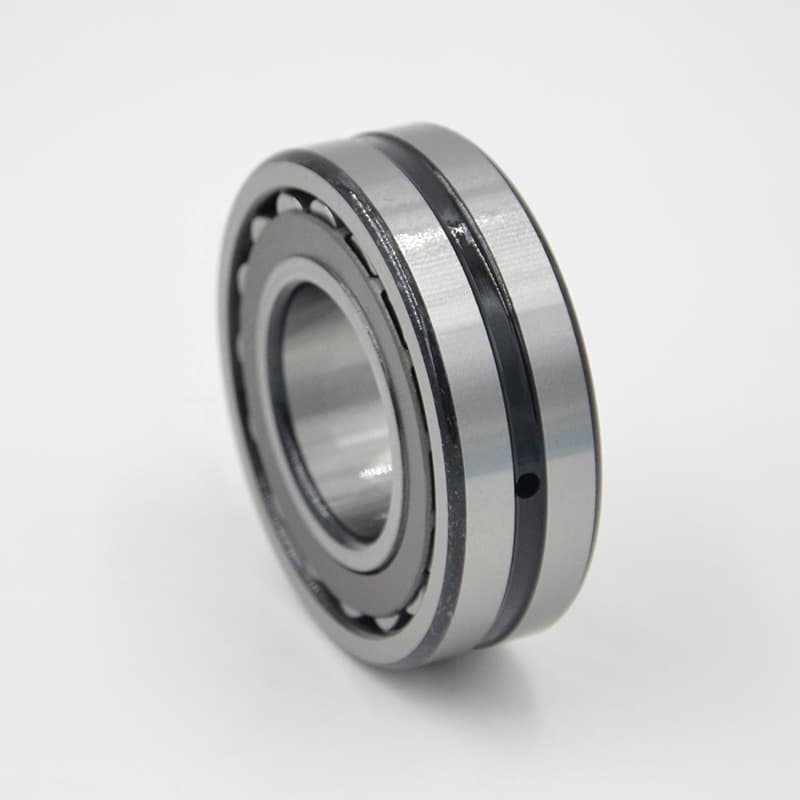
Let me walk you through each of these three areas.
MOQ (Minimum Order Quantity). Most spherical roller bearing factories have an MOQ of 500 to 2,000 pieces per size. Some go as low as 100 pieces. Some require a full container. You need to know this before you negotiate. If your annual volume is 500 pieces but the supplier’s MOQ is 2,000, you have two choices: buy two years of stock or find another supplier. I always tell my customers to ask for a lower MOQ on a trial order. A good factory will accept a small first order (200-500 pieces) to build trust. Then they ask for larger orders later.
Lead time. Lead time is the time from order to shipment. For standard spherical roller bearings that are in stock, lead time can be 7 to 15 days. For popular sizes (like 22220, 22316, 23030) many factories keep stock. For less common sizes or special clearances (C4, C5), lead time can be 30 to 60 days. For custom bearings (special cages or coatings), lead time can be 90 days or more.
| Bearing Type | Typical Lead Time | Risk |
|---|---|---|
| Common size, CN or C3, in stock | 7-15 days | Low |
| Common size, C4 or special cage | 30-45 days | Medium |
| Uncommon size, any clearance | 45-60 days | Medium |
| Custom dimensions or material | 60-90 days | High |
Stock availability. Do not trust a supplier who says "we have everything in stock." No factory can stock every size. Ask for a stock list. Ask which sizes they make most often. For your regular bearing sizes, ask them to keep safety stock just for you. Some factories offer a consignment stock service. They put your bearings in their warehouse, and you pay when you pull them out. That is the best way to avoid stockouts.
How to evaluate a supplier’s reliability on delivery. Ask for references from customers in your country. Call those customers. Ask these questions:
- Did the supplier ship on time for your last three orders?
- If there was a delay, how did they handle it?
- Do they send advance shipping notices?
- Have they ever shipped the wrong bearings?
I have a customer in Indonesia. He buys 1,000 spherical roller bearings every three months. His previous supplier was often late. He would call them, and they would say “next week.” Then next week became next month. He lost sales. Now he works with our factory. We keep his bearings in a separate section of our warehouse. Every two weeks, we send him a photo of his stock. He tells us when to ship. No more delays.
My tip for bulk buyers. Always add a safety margin to your lead time. If the supplier says 30 days, plan for 45 days. Keep a safety stock of your most popular sizes. For a typical importer, safety stock should cover 2-3 months of sales. That cushion protects you when the supplier has a problem or when shipping is slow.
Did You Inspect the Packaging for Rust Prevention and Safe Transport?
Your bulk order arrives. You open the boxes. Half the bearings are rusty. The boxes are torn. Water got inside. Now you have to clean every bearing or throw them away.
Good packaging stops rust and damage. Before you confirm an order, ask the supplier to show you photos of their packaging. Then inspect the first shipment carefully.
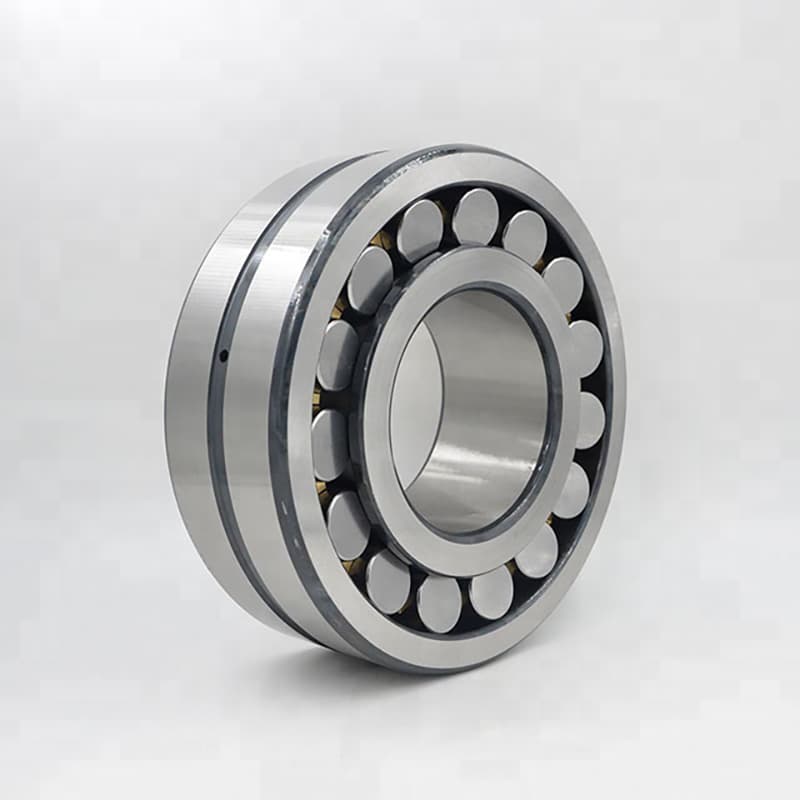
Let me explain the standard packaging levels and what you should ask for.
Level 1: Basic packaging. The bearings are coated with a thin rust-prevention oil. Then they are wrapped in VCI (vapor corrosion inhibitor) paper. Then they go into a plastic bag. Then into a cardboard box. This is fine for short trips (by air or truck within the same country). It is not enough for sea freight.
Level 2: Sea freight packaging. For containers that travel for 30 to 60 days, you need more protection. Each bearing should be coated with a thicker oil or grease. The VCI paper should be sealed inside a plastic bag. Then the bag goes into a single box. Then that box goes into a master carton. Then the master carton is strapped to a pallet. The pallet is wrapped in stretch film. This keeps out humidity and salt air.
Level 3: Long-term storage packaging. If you plan to keep bearings in your warehouse for more than one year, ask for sealed metal cans or heavy-duty plastic tubes. Each bearing is sealed inside with desiccant. This type of packaging costs more, but it keeps bearings good for 3 to 5 years.
What to check when you receive a bulk order.
| Item | What To Look For | Red Flag |
|---|---|---|
| Outer carton | No tears, no water stains | Crushed corners, wet marks |
| Pallet wrap | Tight, no holes | Loose, ripped, missing |
| Inner plastic bag | Sealed, no holes | Open, punctured |
| VCI paper | Dry, not torn | Wet, missing |
| Bearing surface | Shiny, oily | Dark spots, white powder (rust) |
How rust happens in shipping. Sea containers get hot during the day and cold at night. The temperature change causes condensation. Water drops form on the inside of the container. If your bearing packaging is not sealed, that water gets onto the bearings. Rust forms in 24 to 48 hours. I have seen entire containers of bearings destroyed by one hot, humid week.
A real story from a customer in Bangladesh. He ordered 2,000 spherical roller bearings from a new supplier. The supplier put the bearings in thin plastic bags and threw them into cardboard boxes. No pallets. No stretch wrap. The container sat in Chittagong port for three weeks. When he opened it, the boxes were moldy. The bearings had rust spots on the raceways. He cleaned them with oil and a cloth. But the rust had already pitted the surface. Those bearings failed in two months. He lost $25,000.
My packaging checklist for bulk orders. Before you pay, send this list to your supplier. Ask them to confirm each item in writing.
- Each bearing is coated with rust prevention oil (not just a light spray).
- Each bearing is wrapped in VCI paper.
- Each bearing is sealed in an individual plastic bag.
- 5-10 bearings go into a small box.
- Small boxes go into a master carton (max 20kg per master carton).
- Master cartons are strapped to a pallet.
- Pallets are wrapped with stretch film (at least 3 layers).
- A desiccant bag is placed inside each master carton for sea freight.
If the supplier says “we have our own packaging standard,” ask for photos. And ask them to send you one sample box before shipping the full order. That one step saved one of my customers in Vietnam from a disaster. The sample box had torn plastic bags. He asked the supplier to improve. They did. The full order arrived perfect.
Conclusion
Use this checklist for every bulk order: match specs, get certificates, check supplier capacity, and inspect packaging. Do not skip any step.
