
You see a puddle of brown grease under your conveyor. That is not just a mess. It is a warning.
Grease leakage from pillow block bearings happens when seals fail, the housing overfills, or heat thins the lubricant. You can stop it by choosing the right seal, filling the correct amount of grease, and controlling the bearing temperature.
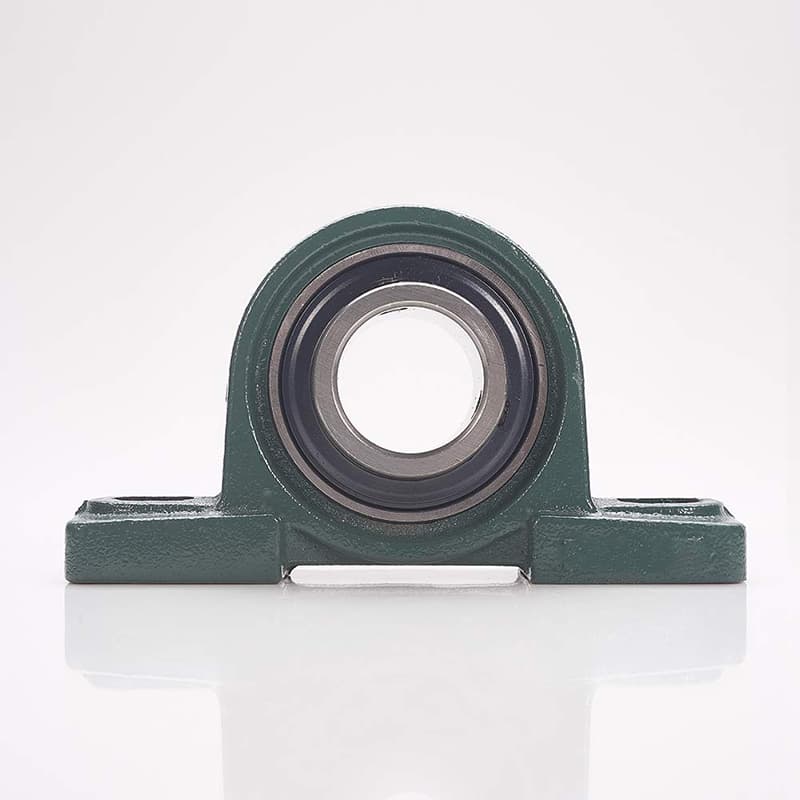
I run a bearing factory in China. Our brand is FYTZ Bearing. I talk to maintenance managers and distributors every week. They complain about grease leaks all the time. One customer in Indonesia told me his packing line looked like a grease bomb went off. Another in Egypt said his workers slipped on spilled oil. So I decided to write this post. I will show you what causes leaks, which seals work best, how much grease to use, and how heat makes things worse. These tips come from real factory tests and field reports. Let us get started.
What Causes Grease to Leak from a Pillow Block Bearing in the First Place?
You fill a new bearing with grease. Two weeks later, half of it is on the floor. What went wrong?
The main causes of grease leakage are worn or damaged seals, overfilling the housing, high operating temperature that reduces grease viscosity, and excessive pressure from re-greasing without a relief path.
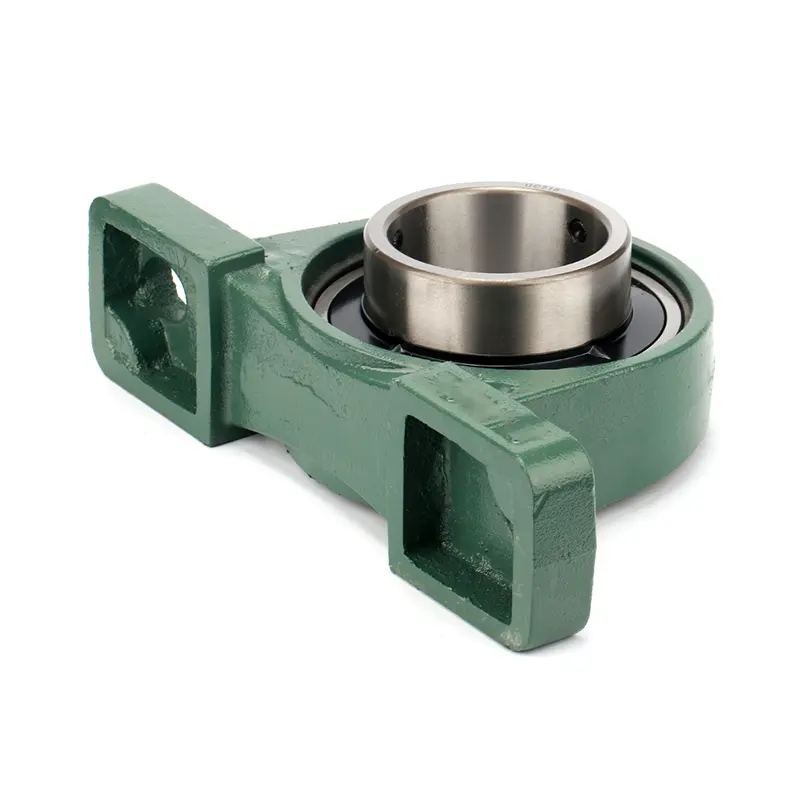
Let me break down each cause so you can find the real problem.
Grease leakage is not a mystery. It follows simple rules. The grease stays inside only if the seals hold it, the housing has room for it, and the temperature does not make it too runny. When one of these things fails, you get a leak.
Cause 1: Worn or damaged seals
The seal is the first line of defense. It is a rubber lip that touches the inner ring of the bearing. Over time, that lip wears down. Dust and grit make it worse. The rubber can also harden from heat or soften from chemicals. Once the lip loses contact with the inner ring, grease walks right out. I have seen this happen in as little as three months on cheap bearings. How do you spot it? Look at the seal edge. If it is torn, cracked, or not sitting flat, replace the bearing. At our FYTZ factory, we use high-quality nitrile rubber (NBR) or fluoro rubber (FKM) for seals. FKM handles higher heat. That makes it last longer.
Cause 2: Overfilling the housing
This is a very common mistake. A pillow block housing has a cavity around the bearing insert. That cavity needs space for the grease to move. When the bearing spins, the rolling elements push the grease around. If the cavity is completely full, the grease has nowhere to go. Pressure builds up. The pressure pushes the seal open. Then grease oozes out. Many maintenance people think more grease is better. It is not. For a standard UCP bearing, the right amount is about 30% to 50% of the free space in the housing. The rest should be air.
Cause 3: High temperature thinning the grease
Grease is not a solid. It is a sponge-like structure made of oil, thickener, and additives. When you heat it, the oil becomes less sticky. It flows more easily. At normal room temperature (around 25°C), a good bearing grease stays in place. At 80°C, the same grease can start to drip like cooking oil. So if your machine runs hot, you need a grease with a higher dropping point. Lithium complex grease can handle up to 260°C. Ordinary lithium grease drops at 180°C. I always check the operating temperature of my customer’s equipment before recommending a grease.
Cause 4: Too much re-greasing pressure
Some pillow block bearings have a grease fitting (nipple). You attach a grease gun and pump. But if you pump too fast or too much, the pressure inside the housing spikes. That pressure can blow the seal right off its seat. I recommend a hand-operated grease gun with a slow, steady motion. Pump just two or three strokes. Then run the machine for a few minutes. If the bearing still needs grease, add a little more. Do not keep pumping until grease pushes out of the seal. That old rule of thumb is wrong. It just makes a mess.
Cause 5: Incorrect bearing mounting
If the bearing is not seated straight in the housing, the seal can rub unevenly. One side of the seal gets pushed in. The other side opens a gap. Grease leaks from the gap. Also, if the shaft has burrs or scratches, they can tear the seal lip during assembly. I tell my customers to always clean the shaft and file down any sharp edges before sliding on the bearing.
Here is a summary table to help you diagnose the cause.
| What you see | Most likely cause | Quick check |
|---|---|---|
| Grease all around the seal edge | Overfilling or too much re-greasing | Open the housing. Is it packed solid? |
| Grease only on one side of bearing | Misaligned housing or bent shaft | Measure shaft runout with a dial gauge |
| Grease is dark and runny | Overheating | Touch the housing. Is it too hot to hold? |
| Seal rubber is torn or hard | Old age or chemical attack | Look at the seal lip with a flashlight |
| Grease leaks only at startup | False brinelling or vibration damage | Check for external vibration when machine is off |
Understanding the cause is the first step. Now let me show you how to fix it with the right seal.
Which Seal Type Keeps Grease Inside the Best for Long-Term Use?
You buy a bearing with a rubber seal. Six months later, grease leaks anyway. Maybe you picked the wrong seal for your job.
The best seal for preventing grease leakage is a non-contact labyrinth seal for high speeds, a triple-lip contact seal for dusty environments, or a combination seal with a flinger for wet conditions. Each type has a different balance of leakage protection and friction.
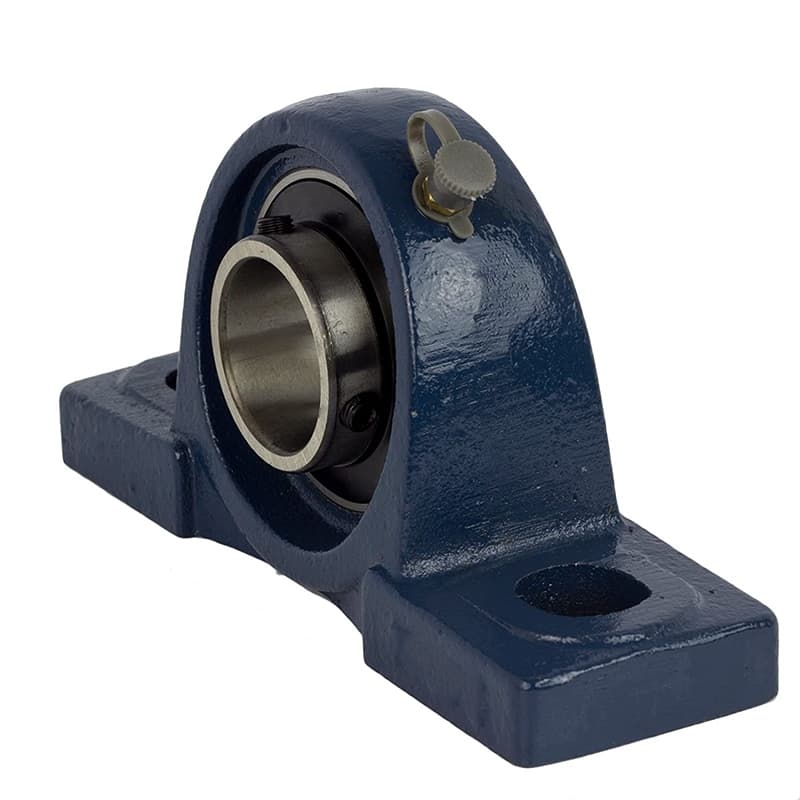
Let me compare the seal types so you can pick the right one.
I have tested many seals at our factory. We run bearings on a test rig for thousands of hours. We measure how much grease leaks out. We also check how much dirt gets in. Here is what I learned.
Seal type 1: Contact rubber seal (2RS)
This is the most common seal. A rubber lip touches the inner ring of the bearing. It creates a tight barrier. Grease cannot easily pass by. Dirt also stays out. The downside is friction. The rubbing creates heat. At high speeds (over 3000 RPM), the seal can wear out fast. For long-term operation at moderate speeds (under 2000 RPM), a 2RS seal works very well. I recommend it for most packing conveyors and carton sealers. The leakage rate is very low if you do not overfill. At FYTZ, we use a double-lip contact seal on our standard pillow blocks. That means two rubber lips touch the inner ring. It gives extra protection.
Seal type 2: Labyrinth seal
This seal has no contact. Instead, it has a series of grooves and ridges. The grease has to travel through a long, twisting path to get out. The same path keeps dirt from getting in. Because there is no rubbing, the friction is very low. The bearing runs cool. That helps keep the grease from thinning. Labyrinth seals are great for high-speed machines (above 3000 RPM). They also work well in fine dust like cement or flour. The only problem? They do not stop water as well as a contact seal. And if you over-grease, the pressure can still push grease through the labyrinth. So you still need the right grease amount.
Seal type 3: Triple-lip seal
This is a contact seal with three rubber lips. Each lip touches the inner ring. They are arranged at different angles. This gives a very tight barrier. Grease almost never leaks out. Dirt and water also stay out. The downside is higher friction and more heat. So triple-lip seals are best for slow to medium speeds (under 1500 RPM). They are also good for machines that stop and start a lot. For example, a case erector that runs only when boxes arrive. I often recommend triple-lip seals for customers in humid countries like Brazil and Vietnam.
Seal type 4: Seal with a flinger (slinger)
Some bearings add a metal or rubber flinger. The flinger is a disc that spins with the shaft. It sits outside the main seal. Any grease that makes it past the first seal hits the flinger. The flinger throws the grease back into the housing by centrifugal force. This is a very effective design for keeping grease inside at high speeds. The flinger also throws away water and dust. The only downside is cost. Bearings with flingers cost about 20-30% more. For long-term operation on critical machines, I think it is worth it.
Here is a simple comparison table.
| Seal type | Leakage protection | Friction | Best speed range | Best environment |
|---|---|---|---|---|
| Single lip contact | Good | Medium | 0-2000 RPM | Dry, clean |
| Double lip contact (2RS) | Very good | Medium | 0-2000 RPM | Dusty, dry |
| Labyrinth (non-contact) | Good | Very low | 2000-5000 RPM | Fine dust, high speed |
| Triple-lip contact | Excellent | High | 0-1500 RPM | Wet, dirty |
| Seal with flinger | Excellent | Medium | 1000-4000 RPM | Mixed conditions |
My personal advice: For most long-term packing line applications, choose a double-lip contact seal (2RS) if your speed is under 2000 RPM. If you have high speed, choose a labyrinth seal but check the grease level more often. And if you have a wet or very dirty job, spend the extra money on a triple-lip or flinger design.
How Much Grease Is Too Much? The Right Filling Amount and Re‑greasing Interval
You pump grease into the fitting every week. The bearing still leaks. Maybe you are using too much grease.
The correct grease fill for a pillow block bearing is 30% to 50% of the free housing volume for low to medium speeds, and 20% to 30% for high speeds. Re-grease every 2000 to 5000 operating hours, not every week.
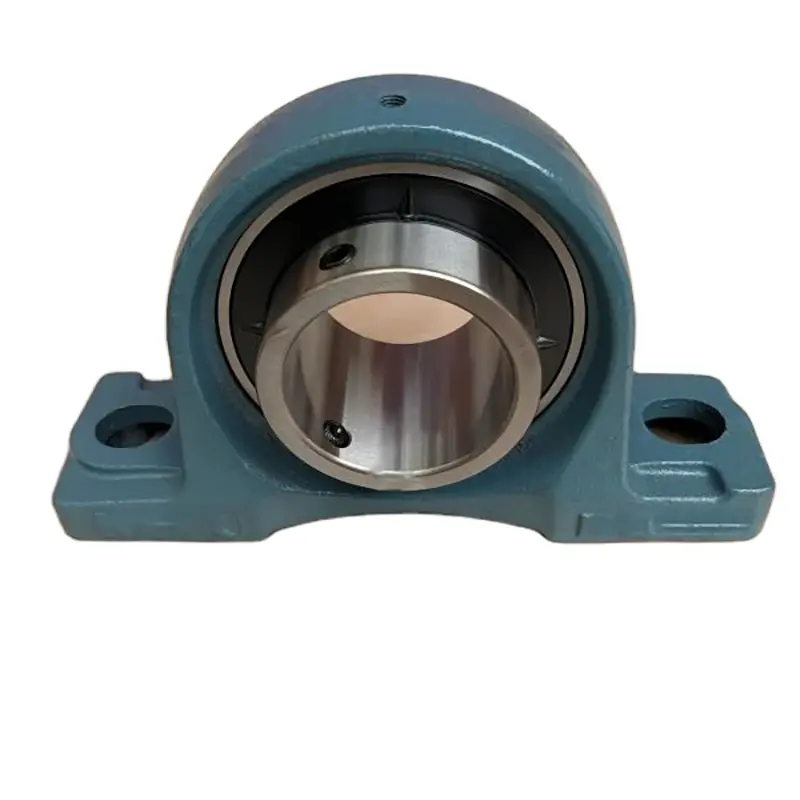
Let me give you a practical method to get the fill right.
I see many maintenance teams over-greasing bearings. They think it protects better. But the opposite is true. Too much grease creates heat and pressure. The pressure pushes grease past the seals. Then the bearing runs dry anyway. So how do you know the right amount?
Step 1: Calculate the free space in the housing
The pillow block housing is not solid. Inside, there is a bearing insert. The space around it is where the grease goes. For a common UCP205 bearing (25mm shaft), the free space is about 25 to 30 cubic centimeters. For a UCP208 (40mm shaft), it is about 50 to 60 cc. You do not need to measure exactly. Just know that a little grease goes a long way. I tell my customers: for a small pillow block, one or two pumps from a standard grease gun is enough for the first fill. For a larger block, three to four pumps.
Step 2: Adjust for speed
High speed bearings need less grease. Why? Because the rolling elements churn the grease. Churning creates heat. Heat makes the grease thin out and leak. So for a bearing running at 3000 RPM or more, use only 20% to 30% fill. For a slow conveyor (under 500 RPM), you can go up to 50% fill. But never more than half.
Step 3: Follow a proper re-greasing schedule
Do not re-grease every day. That is a waste of grease and a sure way to get leaks. Instead, look at the bearing manufacturer’s recommendation. For a standard pillow block in a packing line running 8 hours a day, 5 days a week, re-grease every 3 to 6 months. For a 24/7 operation, re-grease every 1 to 2 months. But always clean the grease fitting before you attach the gun. Dirt on the fitting goes right into the bearing.
Step 4: Use the "purge" method correctly
Some old-timers say you should pump grease until fresh grease comes out of the seal. That method is wrong for most modern bearings. It overfills the housing and forces the seal open. The only time that method works is when the bearing has a designed purge port. That is a small hole or a second fitting that lets old grease escape. Most pillow blocks do not have that. So do not do it. Instead, add a small amount. Then run the machine for 10 minutes. Check the bearing temperature with your hand. If it is hot, you added too much.
Step 5: Keep a log
I give this advice to every maintenance manager I meet. Write down the date, how many pumps of grease you added, and the bearing temperature before and after. After a few months, you will see a pattern. You will know exactly how much and how often. That stops guesswork. And guesswork is what causes most leaks.
Here is a sample log table you can copy.
| Bearing location | Last grease date | Pumps added | Temp before (°C) | Temp after (10 min) | Next due |
|---|---|---|---|---|---|
| Carton sealer main belt | Jan 10, 2026 | 2 | 45 | 48 | April 10 |
| Packing line roller #3 | Jan 12, 2026 | 3 | 52 | 56 | March 12 |
| Palletizer arm pivot | Jan 15, 2026 | 1 | 38 | 39 | April 15 |
One more thing. The type of grease matters. A grease that separates easily (low oil bleeding) will leak more. Ask your supplier for the oil separation test result (DIN 51817). Good bearing grease should not separate more than 5% after 7 days at 40°C.
At FYTZ, we use a grease with very low oil separation for all our pillow block bearings. We also offer bearings pre-filled with the exact amount. That saves you from guessing. Just mount the bearing and run it.
Why Overheating Makes Grease Run Out – and How to Keep the Bearing Cool
Your bearing housing is too hot to touch. You see grease dripping like water. Heat is the hidden enemy.
Heat thins the grease and lowers its viscosity. Thin grease flows through seals easily. Overheating also damages the seals and speeds up oil separation. To stop leakage, keep the bearing temperature below 70°C for standard grease or below 100°C for high-temperature grease.
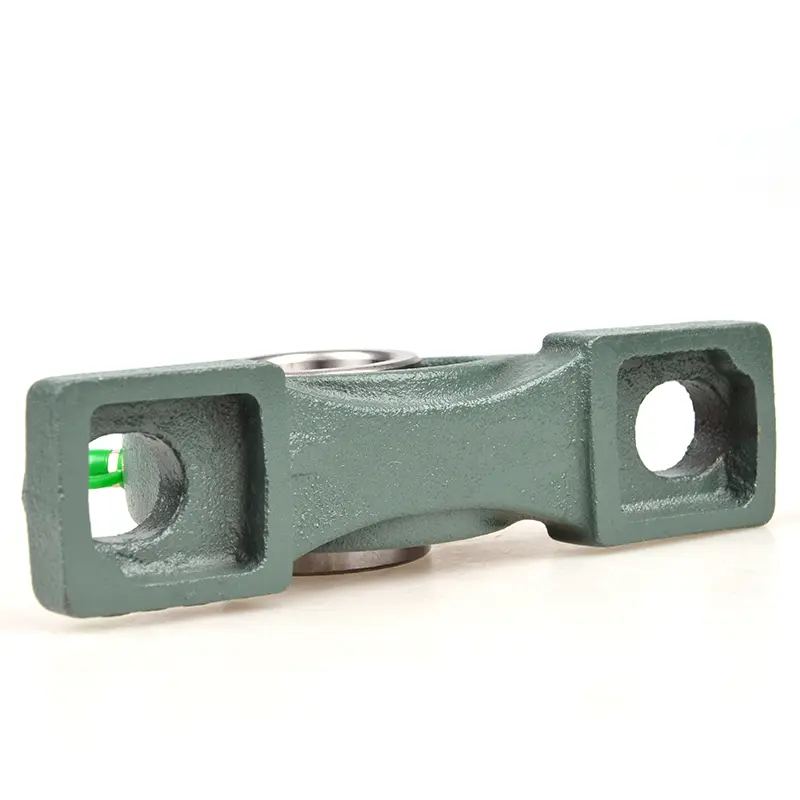
Let me explain the heat-leak connection and how to break it.
I have seen bearings run at 90°C. The grease inside was as thin as engine oil. It leaked from every gap. The maintenance team blamed the seals. But the real problem was heat. So let me show you where the heat comes from and how to fix it.
Source 1: Friction from over-greasing
This sounds strange, but too much grease creates heat. The bearing balls have to push through thick grease. That takes energy. The energy turns into heat. The heat thins the grease. Then the grease leaks. So you end up with less grease than you started with. The fix is simple: use less grease. I covered the amounts in the last section. Follow that advice and the bearing will run cooler by 5 to 10 degrees.
Source 2: Poor housing ventilation
Some pillow block housings are solid metal with no ribs or fins. They trap heat. Others have a smooth surface that does not cool well. If the bearing is in a hot environment (next to an oven or a motor), the housing cannot lose heat fast enough. The solution is to choose a bearing housing with cooling ribs. Many of our FYTZ housings have cast-in ribs. They increase the surface area. That lets air carry away more heat. If you already have a smooth housing, you can add an external fan or move the machine away from other heat sources.
Source 3: Misalignment and preload
When a shaft is not aligned with the bearing, the balls run on the edges of the raceway. That creates extra friction and heat. The same thing happens if you tighten the setscrew too much. The inner ring distorts. That also creates heat. So always align the bearing carefully. Use a dial gauge to check shaft runout. Keep it under 0.05mm. And tighten the setscrew with a torque wrench, not with all your strength.
Source 4: Wrong grease for the speed
Grease has a maximum speed rating. It is called the n*dm value. For most standard lithium greases, the limit is about 500,000. If your bearing is big and spins fast, you need a grease with a higher speed limit. Otherwise, the grease churns and overheats. Ask your grease supplier for the speed factor. Or just tell me your bearing size and RPM, and I can recommend a grease at sales@fytzbearing.com.
How to monitor and control temperature
The best tool is an infrared thermometer. It costs twenty dollars. Point it at the bearing housing. Take a reading once a week. Write it down. If the temperature goes above 70°C for standard grease, stop the machine. Let it cool. Then find the cause.
Here is a temperature guide:
| Housing temperature | What it means | Action |
|---|---|---|
| Below 50°C | Normal, no problem | Keep running |
| 50°C to 70°C | Warm but safe | Check weekly |
| 70°C to 85°C | Hot, grease thinning | Re-grease more often or use high-temp grease |
| Above 85°C | Dangerous, high leak risk | Stop machine. Check alignment and over-greasing |
I have a customer in Egypt who runs packing lines in a warehouse with no air conditioning. Summer temperatures hit 45°C in the air. Their bearings ran at 80°C. Grease leaked constantly. I sent them a sample of our high-temperature grease (FKM seals and polyurea thickener). The bearing temperature dropped to 65°C. The leaks stopped. The right grease for the right heat makes all the difference.
Conclusion
Stop grease leakage by choosing the right seal, filling the correct amount, re-greasing on a schedule, and keeping the bearing cool.