
You just lost a production line because the pillow block housing bore was 0.1 mm too big. That noise, that vibration, that early bearing failure – all from poor machining accuracy.
When buying pillow block bearing housings, focus on three key machining accuracy checks: bore diameter tolerance and surface finish, base mounting surface flatness and parallelism, and bolt hole position accuracy and perpendicularity. These three areas directly decide if your bearing will run smoothly or fail within weeks.
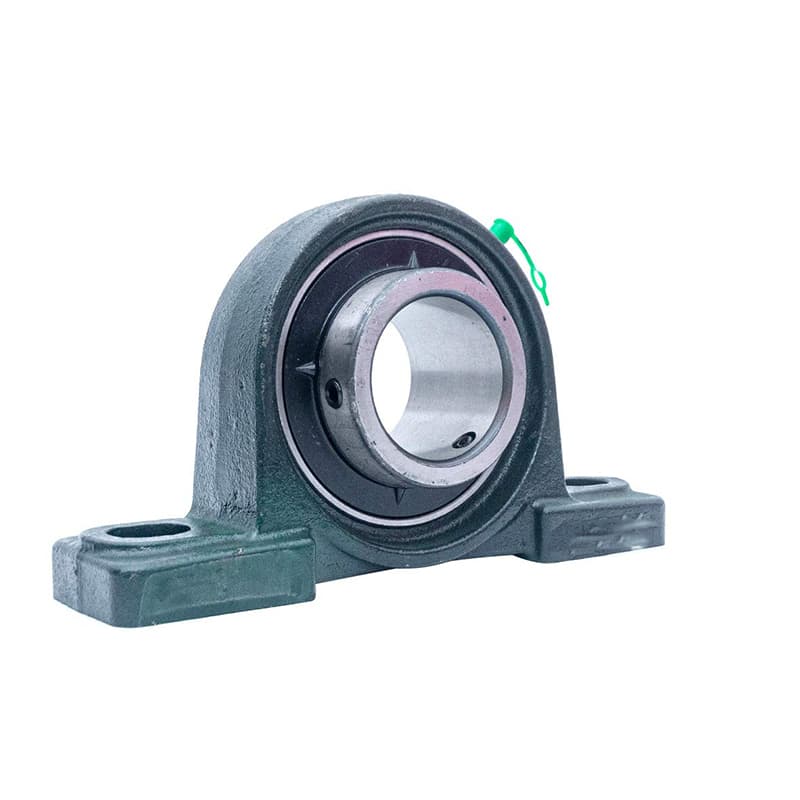
I see many buyers skip these checks. They look at price first. Then they call me angry when the housing fails after three months. My name is Leo from FYTZ Bearing. We are a factory in China with integrated production and inspection lines. I have supplied pillow block housings to India, Turkey, Russia, and Brazil for over ten years. Let me walk you through what I check on every housing before it leaves my workshop. And I will tell you what you – as a buyer – must check too.
Bore Diameter Tolerance and Surface Finish – Why does it matter so much?
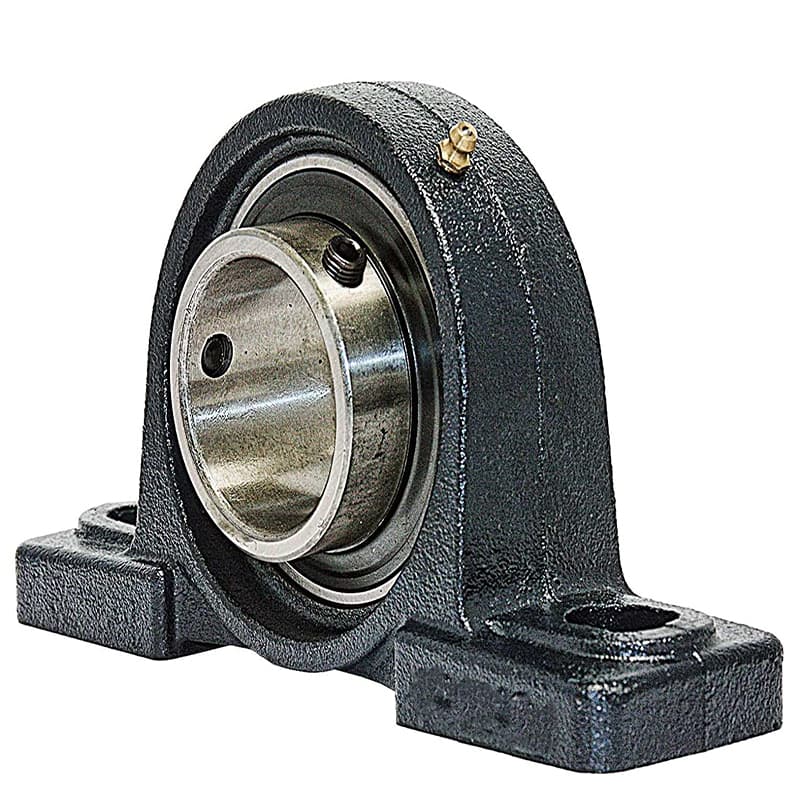
You buy a bearing with a 50 mm outer diameter. Then you push it into a housing bore that is 50.05 mm. The bearing spins inside the housing instead of the shaft spinning inside the bearing. That is a disaster.
The right bore diameter tolerance must match your bearing’s outer ring. For standard pillow block housings, the bore should be slightly smaller than the bearing’s OD – but only by a few microns. In our factory, we follow ISO or ABMA standards. A typical fit for a 6205 bearing (52 mm OD) requires a bore tolerance of H7, which gives about +0 to +0.03 mm. Anything bigger than that, and you lose the interference fit.
Here is the simple rule: The housing bore must grip the bearing outer ring tight enough so the ring does not spin. But not so tight that you crack the housing or damage the bearing during installation.
What happens when the tolerance is wrong?
| Problem | Too Loose (Bore too big) | Too Tight (Bore too small) |
|---|---|---|
| Bearing outer ring slips | Yes – causes friction and heat | No |
| Housing cracks during pressing | No | Yes – common in cast iron housings |
| Noise and vibration | High – ring spins | Medium – difficult to mount |
| Service life | 50% shorter or more | 30% shorter due to preload |
Surface finish – the hidden problem
Even with the right diameter, a rough bore finish ruins everything. Think of two surfaces touching each other. A rough finish means only high spots make contact. The real contact area is small. So the bearing does not seat well. It can also scratch the bearing outer ring during installation.
In my experience, a good housing bore should have Ra (roughness average) below 1.6 μm for normal applications. For high-speed or high-load uses, go below 0.8 μm. How do you check this? You need a profilometer. But as a buyer, you can ask your supplier for their surface finish reports. Or do a simple visual check – a smooth, shiny surface is good. A dull, rough feel is bad.
I remember a customer from Indonesia. He bought cheap housings from another trader. The bore finish looked like sandpaper. His bearings lasted only two weeks. After that, he switched to our FYTZ housings. He has not complained since.
Base Mounting Surface Flatness and Parallelism – Are you bolting onto a wobbling base?
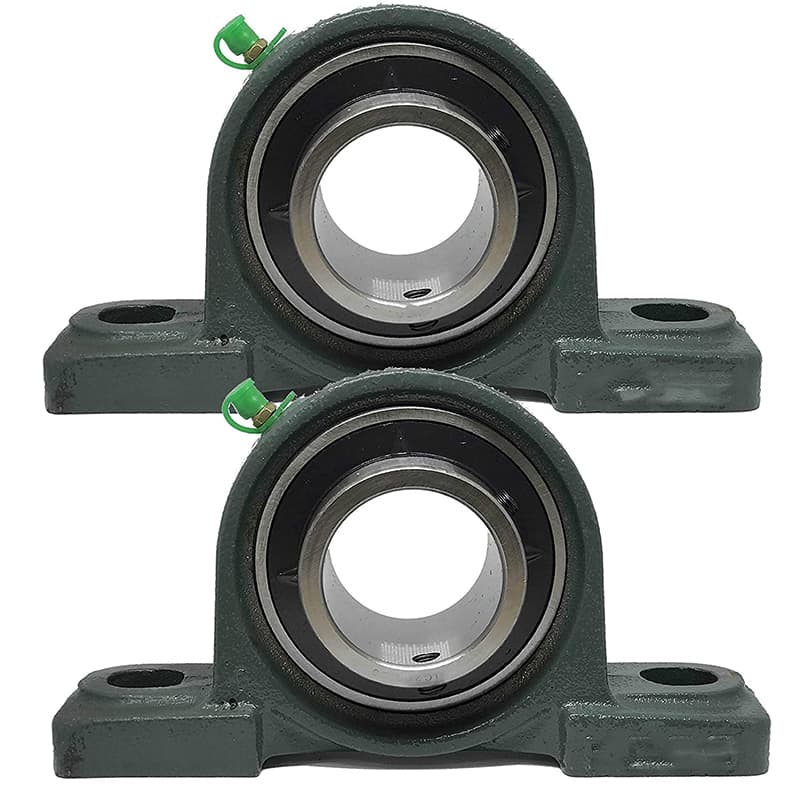
Imagine mounting a pillow block on a bent steel plate. You tighten the bolts. The housing twists. Now the bearing bore is no longer straight. Your shaft bends a little every rotation. That is a quick way to kill a bearing.
The base mounting surface must be flat. And it must be parallel to the bore axis. If the base is warped, even by 0.05 mm, you create a misalignment that the bearing cannot absorb.
The quick check: Put a straight edge across the base of the housing. Look for gaps. A good housing should have a flatness error under 0.02 mm per 100 mm length. For parallelism, measure from the base to the bore centerline. The difference from left to right should be less than 0.03 mm.
Why do many suppliers fail here?
Some factories skip the final grinding step on the base. They cast the housing, then machine the bore and bolt holes, but leave the base as-cast or roughly milled. This saves money. But it creates a big problem for you.
Here is what I have seen in my 10+ years of selling to Turkey, Russia, and India:
| Base condition | What you get | What fails |
|---|---|---|
| Flat and parallel (±0.02 mm) | Smooth operation, normal bearing life | Nothing – if installed correctly |
| Slightly warped (0.05–0.1 mm) | Noise, some vibration | Premature wear on one side of bearing |
| Very warped (>0.15 mm) | Strong vibration, housing cracks over time | Bearing race, shaft, and housing itself |
How to catch bad flatness before you buy
Ask your supplier two questions:
- “What is your flatness and parallelism tolerance on the base?” – If they cannot give a number in microns or mm, be careful.
- “Can you send a video of the housing on a granite surface plate with a dial indicator?” – A good factory will show you.
At FYTZ, we check every batch on a CMM. But even a simple surface plate and feeler gauge tells the truth. I have walked away from deals when a supplier said “it is fine, we have never measured it.” Do not be that buyer.
Bolt Hole Position Accuracy and Perpendicularity – One misaligned hole can wreck your whole assembly
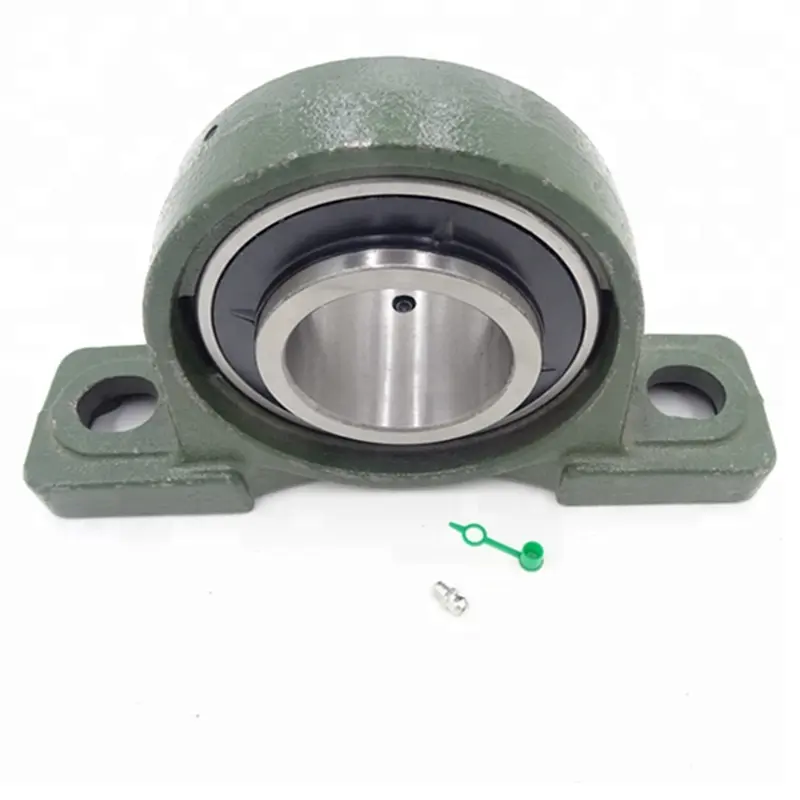
You have a flat base. You have a perfect bore. But the bolt holes are off by 0.5 mm. Now you try to align two pillow blocks on the same shaft. The bolts force the housing into a wrong position. The shaft becomes angled. The bearings scream for help.
Bolt hole position accuracy means the holes are exactly where they should be – both in X and Y directions from a reference point. For a standard two-bolt pillow block, the distance between the two bolt holes should match your mounting plate holes. The tolerance should be ±0.2 mm or better. For four-bolt flange units, it is even more critical.
Then there is perpendicularity. The bolt holes must be straight – perpendicular to the base. If a hole is drilled at an angle, the bolt pulls the housing sideways when you tighten it. This creates a constant side load on the bearing.
The hidden cost of bad bolt hole accuracy
I learned this lesson from a buyer in Egypt. He bought 500 housings from a low-cost supplier. The bolt holes looked fine by eye. But when his workers tried to mount them on existing machine bases, the holes did not line up. Not even close. He had to drill new holes on every machine. That cost him three days of labor and angry customers waiting for spare parts.
| Bolt hole issue | What you see during installation | Long-term damage |
|---|---|---|
| Position error >0.3 mm | Bolts go in with force; housing shifts | Uneven load on bearing – inner race wears oval |
| Perpendicularity error >0.5° | Bolt head sits tilted; housing twists | Housing base cracks around bolt hole after repeated tightening |
| Both errors combined | Impossible to mount without modifying holes | Scrap the housing or the machine base |
What to check – and what to ask
As a buyer, you cannot measure hole positions without a CMM or a dedicated fixture. But you can do a simple fit test. Take a known good mounting plate with standard hole spacing. Try to place the housing on it. If the bolts drop in without forcing, you are probably safe. If you need to hammer or pry, reject the batch.
Also ask your supplier for:
- A hole pattern drawing with GD&T (Geometric Dimensioning and Tolerancing). Look for position tolerance referenced to the bore or base.
- Inspection reports from their quality control. A good report shows actual measured positions in mm or inches.
I always tell my customers: “If you don’t trust the bolt hole accuracy, send me your plate drawing. I will match our housing exactly.” That is how we built trust with distributors in Brazil and Vietnam.
A practical checklist for you (print this)
Before you place your next order for pillow block housings, run through these three checks with your supplier:
| Check | What to ask or measure | Acceptable range |
|---|---|---|
| Bore diameter tolerance | ISO fit class (e.g., H7) or actual min/max | Match bearing OD with interference fit |
| Bore surface finish | Ra value or visual smoothness | ≤1.6 μm for normal use; ≤0.8 μm for high speed |
| Base flatness | Gap under straight edge | ≤0.02 mm per 100 mm length |
| Base parallelism | Height difference from bore center to base | ≤0.03 mm |
| Bolt hole position | Distance between holes, from reference | ±0.2 mm or tighter |
| Bolt hole perpendicularity | Angle of hole to base | ≤0.5° (about 0.1 mm tilt over 10 mm depth) |
Conclusion
Check bore tolerance, surface finish, base flatness, parallelism, and bolt hole accuracy. These five details decide if your pillow block runs for years or fails in months.
