
A baggage carousel stops for just 10 minutes. Then hundreds of passengers wait. Angry flight delays happen. All because a cheap bearing failed.
Airport baggage systems need pillow block bearings with low noise, high durability, corrosion resistance, maintenance-free design, and easy replacement. These five features keep the system running 24/7 without unplanned stops.
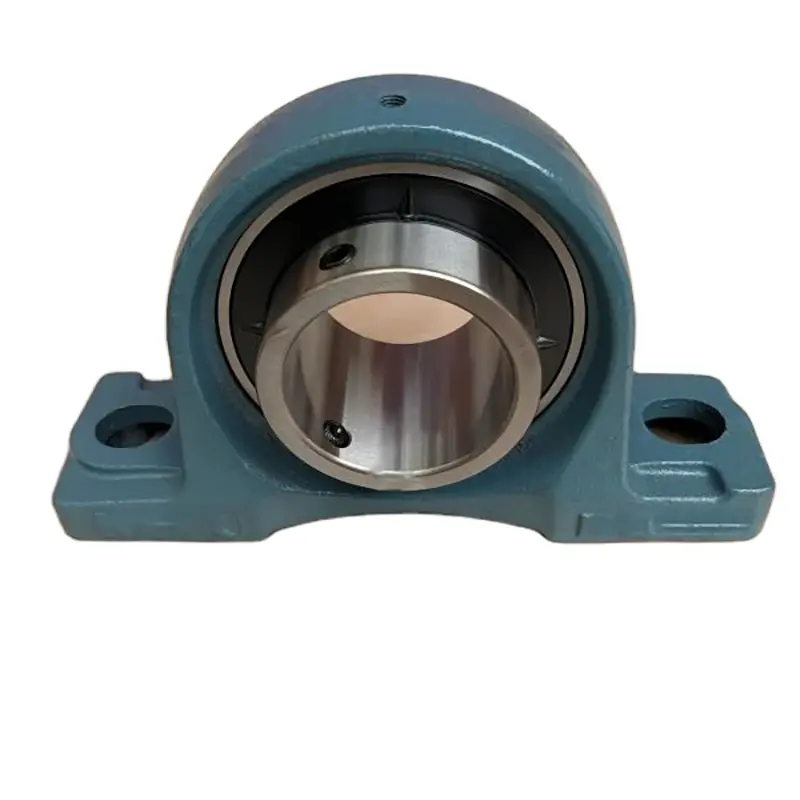
My name is Leo from FYTZ Bearing. We are a factory in China. We make pillow block bearings for customers all over the world. I have supplied bearings to airport baggage system manufacturers in Turkey, India, and Brazil. These systems run all day and all night. They see dust, moisture, cleaning chemicals, and constant shocks from heavy bags. Let me tell you what really works in this tough environment. And I will share what you – as a buyer or maintenance manager – should look for.
Why Baggage Systems Need Low-Noise and High-Durability Pillow Block Bearings?
You work in an airport. Passengers already feel stressed. Then they hear a loud screeching noise from the baggage belt. That noise makes the airport look bad. And it tells you a bearing is about to die.
Low noise is not a luxury. It is a sign of good health. A quiet bearing means smooth rolling surfaces, correct lubrication, and proper alignment. High durability means the bearing can handle thousands of start‑stop cycles every day. A baggage sorting system can run 20 hours a day. That is over 7,000 hours a year. A standard bearing might last 10,000 hours in a factory. In an airport, with all the shocks, you need bearings that go to 30,000 hours or more.
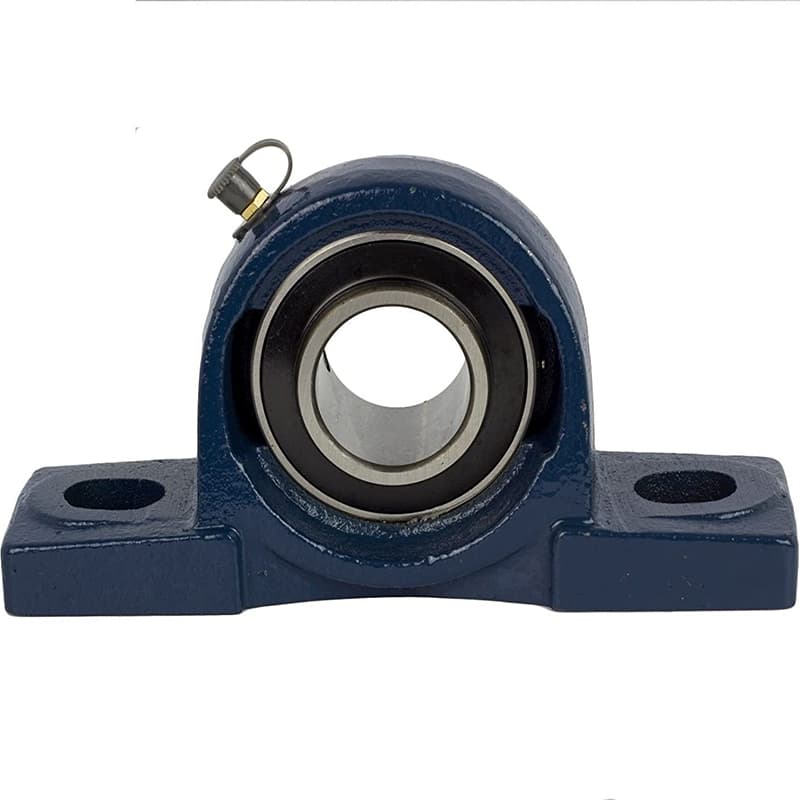
What creates noise in a baggage system?
| Noise source | What you hear | Why it happens |
|---|---|---|
| Raceway damage | Clicking or grinding every rotation | Balls or rollers hit a dent or pit |
| Lubrication starvation | High‑pitched squeal | Grease dried out or washed away |
| Misalignment | Rhythmic thumping | Housing not straight on the shaft |
| Loose fit | Rattling when empty belt runs | Bore too big for the bearing outer ring |
How do we build high durability into a pillow block bearing?
Three things matter most:
-
Heat-treated rings and rollers. We use vacuum-degassed bearing steel. Then we control the heat treatment carefully. Hardness should be 58 to 62 HRC. Too soft and the race wears fast. Too hard and it cracks under shock. Baggage falls from a height of one meter. That is a big shock.
-
Cage design and material. For airport systems, I recommend glass fiber reinforced polyamide cages. They are light and strong. They handle sudden acceleration and deceleration well. Steel cages are okay but they are heavier. They can make more noise at high speeds.
-
Grease selection. This is where many suppliers cut corners. For baggage systems, you need a grease that works from -20°C to +80°C. And it must resist water from cleaning. I prefer lithium complex grease with EP additives. It sticks to the raceways and does not wash off easily.
I remember a customer in Vietnam. He bought cheap pillow blocks from a trader. After six months, the bearings started screaming. He opened one. The grease was hard and cracked. The races had deep dents. He switched to our FYTZ bearings with special grease. That was two years ago. He just ordered another 500 pieces.
A quick test for noise and durability
Ask your supplier for a noise test report. In our factory, we use an S0910-3 vibration meter. A good bearing for baggage systems should have vibration velocity below 25 µm/s for Z2 group. That is quiet. If the supplier cannot give you numbers, do a simple hand spin test. A good bearing spins smoothly with no rumble. A bad one sounds like gravel inside.
Corrosion Resistance: The Key to Handling Cleaning Agents and Humid Environments?
Airports clean their baggage systems every night. They spray water mixed with strong detergents. They also use disinfectants, especially after the pandemic. Some of these chemicals eat through standard painted housings in months.
Your pillow block housing must fight rust. And the bearing itself must resist corrosion from the inside out.
The simple answer: Use housings with an anti‑corrosion coating or make them from stainless steel. For bearings, choose zinc‑coated rings or full stainless steel. For normal airport work, a good quality painted cast iron housing with a thick epoxy coating works well. But if you are near the ocean or in a very humid country like Indonesia or Brazil, go for stainless steel.
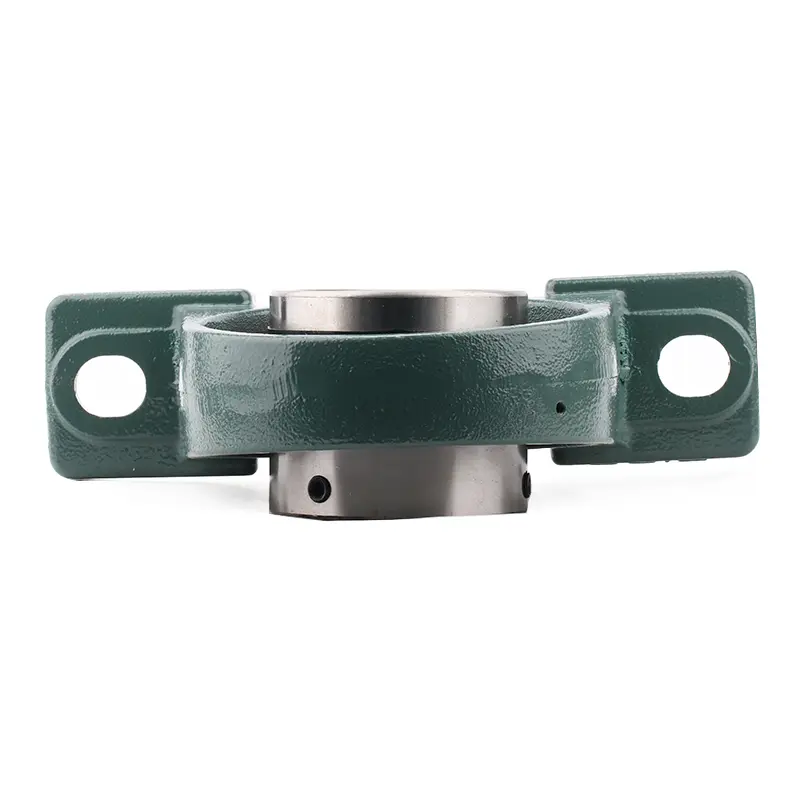
What happens when corrosion is ignored?
| Environment | Standard housing life | Corrosion-resistant housing life |
|---|---|---|
| Dry indoor (Europe) | 5+ years | 10+ years |
| Humid with daily cleaning (SE Asia) | 6–12 months | 3–5 years |
| Near ocean + chemicals (coastal airport) | 2–3 months | 2–3 years |
Where does rust start?
Most people think rust starts on the outside. In my experience, it starts at two hidden places:
-
Between the bearing outer ring and the housing bore. Water gets in through the seal. It sits there. The ring rusts. The rust expands and cracks the housing. This happens fast – sometimes in three months.
-
Inside the bearing, under the seal. If the seal is not tight, moisture goes in. The balls and race rust. The bearing seizes.
What to ask your supplier
- “Do you use epoxy paint on the housing? What is the salt spray test hours?” A good number is 500 hours without red rust.
- “Are the bearings treated with zinc phosphate or other anti-rust coating?” We use a special rust preventive oil on our bearings. It lasts 18 months in storage.
- “What seals do you use?” For airports, I recommend triple lip seals with a stainless steel slinger. They keep water and dirt out much better than single lip.
I once helped a buyer from a Philippine airport. His old bearings rusted so badly that the housings cracked open after eight months. We sent him samples of our FYTZ pillow blocks with epoxy coating and upgraded seals. Two years later, he told me only one bearing failed – and that was because a forklift hit the conveyor frame. That is real corrosion protection.
How Maintenance-Free Designs Reduce Airport Operational Downtime?
You cannot stop a baggage system every week to grease bearings. That is impossible. Airport operations run 24/7. Maintenance windows are short – maybe two hours at night. So you need bearings that do not need regular lubrication.
Maintenance-free does not mean never fails. It means the bearing comes pre-lubricated with a high-quality grease. And the grease stays inside for the life of the bearing. You do not touch it. When it dies, you replace the whole unit.
For airports, I recommend pillow block bearings with these features:
- Pre-lubricated with long-life grease. Our FYTZ bearings use a lithium complex grease that works for 15,000 to 20,000 hours under normal airport loads.
- Effective sealing. The seal must keep grease in and dirt out. Double lip or triple lip with a flinger is best.
- No external grease fittings. Some buyers ask for grease nipples. Do not do that for a true maintenance-free zone. Nipples invite over-greasing, which blows the seals open.
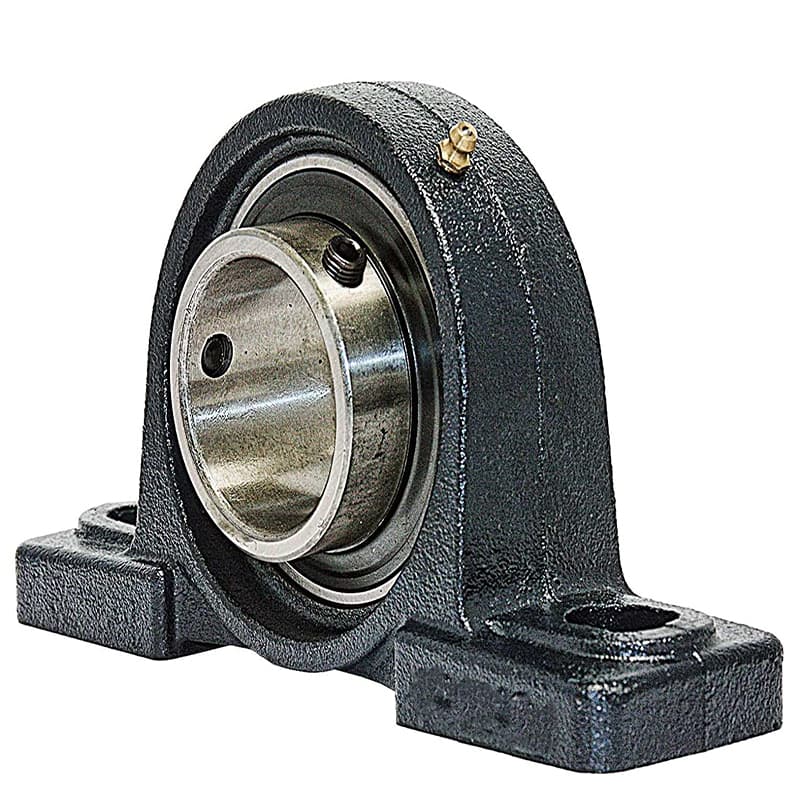
The cost of greasing vs. replacing
Let me show you real numbers. I ran this calculation for a customer in India who manages baggage systems at Mumbai airport.
| Standard bearing (need greasing) | Maintenance-free bearing | |
|---|---|---|
| Grease cost per bearing per year | $0.50 | $0 (pre-filled) |
| Labor cost to grease (10 minutes) | $8 per bearing | $0 |
| Downtime cost per bearing (10 minutes stop) | $500 (lost baggage sorting) | $0 |
| Bearing replacement cost | $15 (every 2 years) | $25 (every 4 years) |
| Total 4‑year cost per bearing | $15 + $500 + $8×4 + $0.5×4 = $547 | $25 |
The maintenance‑free bearing is cheaper in the long run. Much cheaper. And you avoid the angry passengers.
What to look for in a maintenance-free design
- Seal type: Look for “2RS” or “2RSH” on the bearing code. That means two rubber seals. For harsh airport work, ask for “2RSR” – that is a heavy duty seal with a metal shield inside.
- Grease life: Ask the supplier for the calculated L10 life of the grease. At FYTZ, we can give you a number based on your load, speed, and temperature. A good target is >15,000 hours at 200 rpm.
- Operating temperature range: Baggage systems can be in unheated areas. The grease must work below freezing. Our standard maintenance-free grease works from -30°C to +110°C.
I had a customer from Russia. His airport baggage system was in a semi-outdoor area. Winter temperatures dropped to -25°C. His old bearings seized because the grease got too thick. We sent him our low-temperature grease version. No more seizures. And he does not need to regrease them at all.
Ease of Installation and Fast Replacement in Compact Spaces?
Baggage conveyors are packed tight. You cannot get a big wrench in there. Some bearings are behind panels or under the belt. You have maybe 10 minutes at night to swap a bad bearing before the first morning flight.
If the bearing housing is hard to remove, your technician will delay the fix. Or worse, he will hammer it and damage the shaft.
The solution: Choose pillow block housings with smart design features. Split housings are great for tight spaces. You can open the top half, replace the bearing, and close it without removing the shaft. Also look for standard bolt patterns. A non-standard hole spacing means you have to drill new holes. That takes hours.
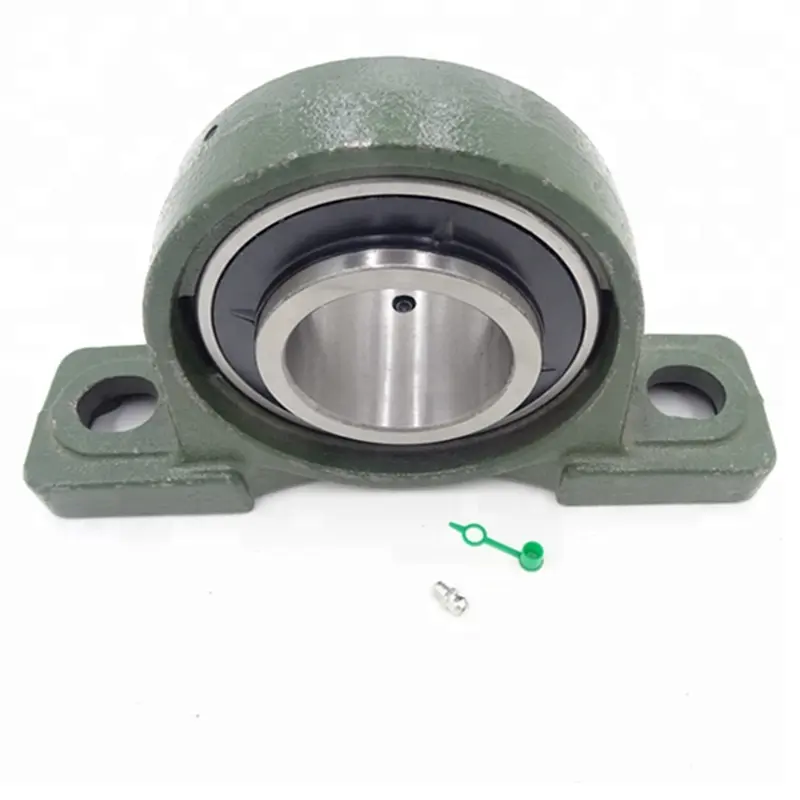
Compare different housing types for replacement speed
| Housing type | Shaft removal needed? | Tools needed | Time to replace (trained tech) |
|---|---|---|---|
| Standard two‑bolt pillow block | Yes – must slide bearing off shaft end | Wrenches, puller, hammer | 30–60 minutes |
| Split pillow block (two halves) | No – open top half | Hex keys, screwdriver | 10–15 minutes |
| Take‑up unit (for belt tension) | No – slides in frame | Wrench for lock nut | 15–20 minutes |
What I tell my airport customers
If you are designing a new baggage system, use split pillow blocks at every point where the shaft is long or hard to access. The extra cost is small compared to the downtime saved.
For existing systems, standard pillow blocks are fine. But make sure you have enough space around the housing. Ask your supplier for the exact housing dimensions. Measure the bolt hole centers. Keep a few spare housings pre-mounted on short shaft stubs. Then a replacement is just sliding the old one out and the new one in.
A real story from Brazil
A baggage handling company in Sao Paulo ordered 200 pillow blocks from me. They told me their old supplier sent housings with bolt holes that were 0.5 mm off. Every replacement required re-drilling the mounting plate. That took 40 minutes per bearing. They had 1,000 bearings in the system. You do the math.
So for their order, we made sure the bolt hole position tolerance was ±0.1 mm. We also added chamfers on the bore entrance. That helps the technician slide the housing onto the shaft without damaging the seal. Small details like this save big time.
Your easy checklist for fast replacement
- Bolt hole pattern – standard or clearly documented. Ask for a drawing.
- Bolt hole size – should be 0.5 mm bigger than the bolt diameter. Too tight and bolts get stuck.
- Housing weight – cast iron is heavy. For overhead conveyors, consider aluminum housings. They are lighter and easier to handle.
- Markings – every housing should have size and part number stamped on it. No guessing.
Conclusion
Choose pillow block bearings with low noise, high durability, corrosion resistance, maintenance-free grease, and easy replacement. Your baggage system will thank you with fewer stops.