I get calls from buyers who are tired of replacing rusted bearings every two months. Wet areas kill standard bearings fast. But many people do not know what to look for.
The short answer is this. For high-humidity or wet areas, you need stainless steel or nickel-plated housings, triple-lip rubber seals with steel shields, and water-resistant lithium complex grease. Never use standard cast iron or pressed steel in these conditions.
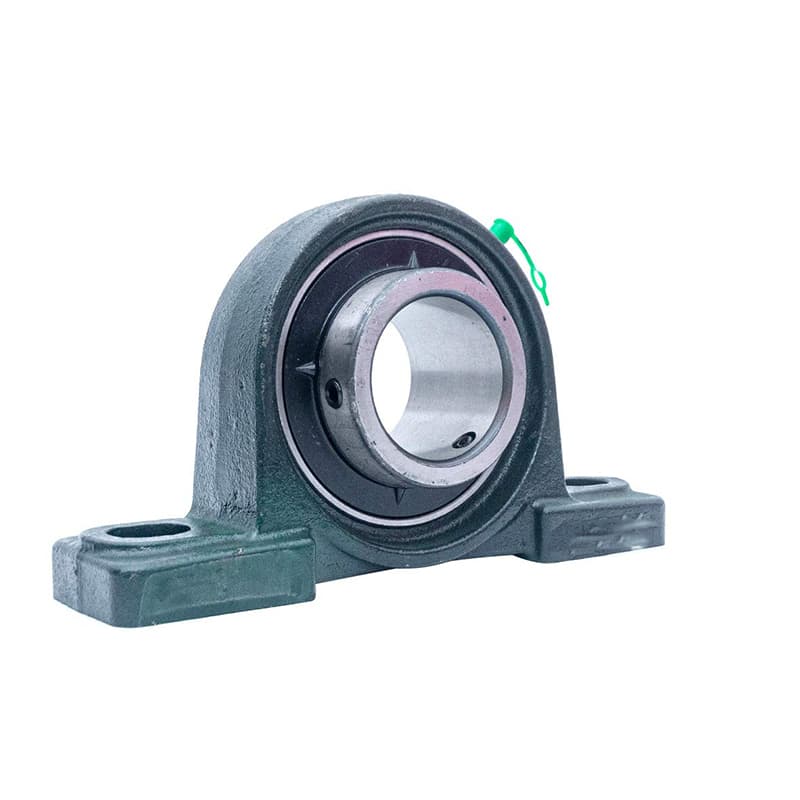
Let me share what I have learned from helping customers in fish processing plants, beverage lines, and outdoor conveyors. I am Raj from FYTZ Bearing. My factory makes bearings for tough environments. And I will walk you through each step of choosing the right bearing for wet areas.
1. What Happens to Standard Bearings in Wet and Humid Environments?
You might think a little water does not hurt a bearing. But I have seen bearings turn into blocks of rust in just a few weeks. Let me show you what really happens inside.
Water gets into three places. It enters through the seals, through the housing cracks, or through condensation. Once inside, it washes out the grease, rusts the raceway and balls, and causes pitting. A standard bearing in a wet area can fail in less than 200 hours. A bearing made for wet conditions can last over 2000 hours. [web:243][web:244][web:245][web:246][web:247]
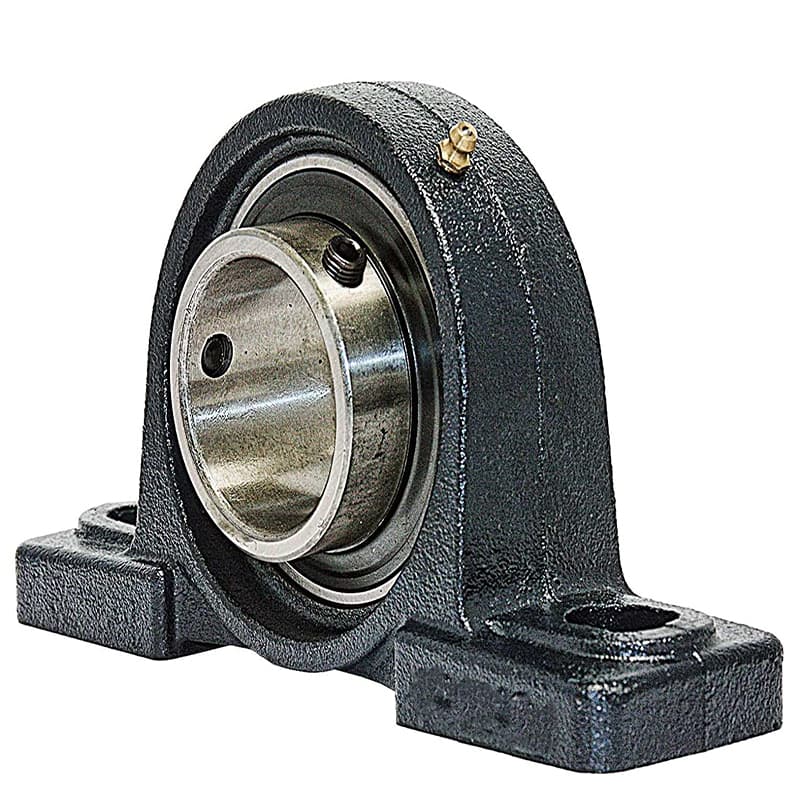
The three stages of moisture failure
I have opened hundreds of failed bearings. Let me tell you the step-by-step process of how water kills a bearing.
Stage one – Grease breakdown. Water mixes with the grease. It turns the grease into a milky white or brown paste. That paste has no lubricating property. It cannot form a film between the balls and the raceway. So now you have metal touching metal.
Stage two – Rust formation. The exposed steel starts to rust. Rust is harder than steel and acts like sandpaper. The rust particles scratch the raceway. Each scratch holds more moisture. So the rust spreads. At this point, you will hear a grinding noise from the bearing.
Stage three – Pitting and spalling. Rust pits create small holes on the raceway. The balls roll over these holes. That creates shock loads. Then pieces of the raceway start to flake off. That is called spalling. Once spalling starts, the bearing is finished. It will fail in days.
I remember a customer in Vietnam. He runs a seafood processing plant. They wash down the lines with high-pressure water every night. He was using standard UCP bearings. They failed every three weeks. He called me frustrated. I asked him to send me a photo of the failed bearing. The housing was cracked from rust expansion. The balls were pitted like a golf ball.
Here is a simple table to help you spot moisture damage early:
| Damage Sign | What You See | What It Means |
|---|---|---|
| Milky grease | Grease looks like coffee with too much cream | Water has entered the bearing |
| Orange residue | Orange or brown powder around the seal | Rust is forming on exposed metal |
| Rough rotation | Bearing feels gritty when you turn the shaft by hand | Rust particles are scratching the raceway |
| Seal gap | Rubber seal has pulled away from the inner ring | Water pressure pushed the seal open |
| Housing cracks | Cast iron housing has a visible crack | Rust expansion split the housing |
So what can you do? You cannot stop water from getting near the bearing. But you can choose bearings that resist water. And that starts with the housing material.
2. Which Housing Materials Offer the Best Corrosion Resistance for Wet Areas?
I have tested many housing materials in my workshop. I put them in a salt spray chamber for 500 hours. The results were clear. Some materials survive. Others turn into a pile of rust.
The best corrosion resistant housing materials are stainless steel (SS304 or SS316) and nickel-plated cast iron. Stainless steel lasts the longest but costs more. Nickel-plated cast iron gives you 80% of the protection for 50% of the price. Do not use bare cast iron or pressed steel in wet areas. They will rust through in less than six months.
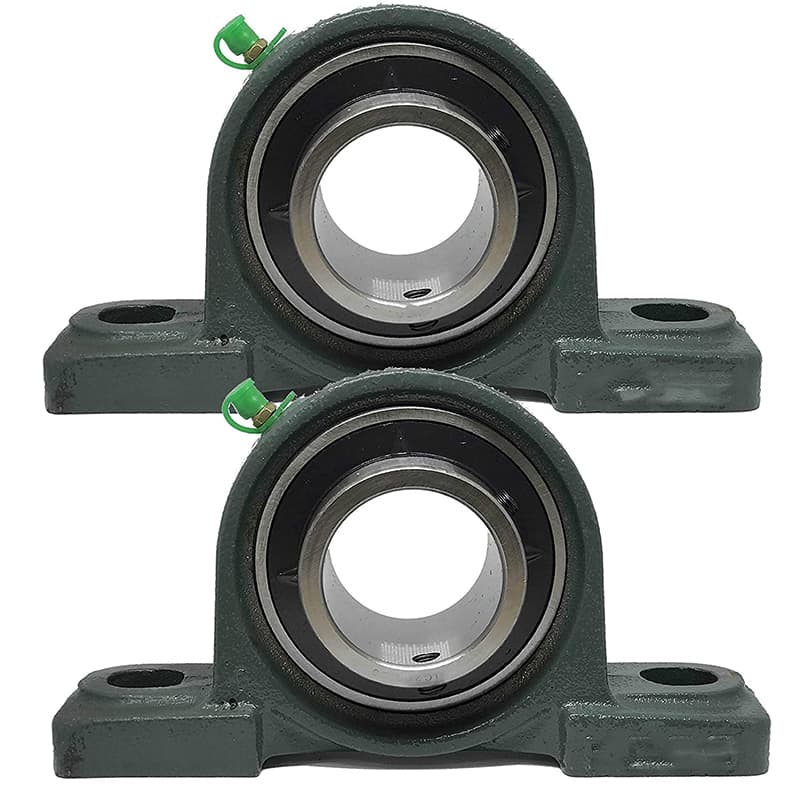
Let me break down each material option
I will give you the pros and cons of each housing material. This way you can pick what fits your budget and your application.
Standard cast iron (GG20). This is the most common and cheapest. It is fine for dry areas. But in wet areas, it rusts fast. The rust makes the housing expand. That expansion pinches the bearing insert. Then the bearing locks up. I only recommend this for indoor, dry conveyors with no washdown.
Pressed steel. This is even worse than cast iron. Steel rusts faster. Plus the housing is thin and flexible. It deforms under load. And water gets in through the seams. I never recommend pressed steel for any wet area. Not even for light duty.
Nickel-plated cast iron. This is my personal favorite for value. You take a cast iron housing and plate it with nickel. The nickel layer stops rust. It also looks shiny and clean. In my salt spray test, nickel-plated housings lasted 400 hours without rust. Bare cast iron rusted in 50 hours. The price is only 30% higher than bare cast iron. For most food and beverage lines, this is the smart choice.
Stainless steel SS304. This is the real solution for harsh wet areas. SS304 does not rust. It resists most chemicals and washdown detergents. It also looks professional for food processing. The downside is the cost. Stainless steel bearings cost three to four times more than standard cast iron. But if you need to avoid any rust contamination (like in a pharmaceutical plant), then stainless steel is the only choice.
Stainless steel SS316. This is the top grade. SS316 resists salt water and strong acids. Use this for marine applications, dockside conveyors, or chemical plants. Most sawmills and food lines do not need SS316. SS304 is enough.
Here is a quick comparison table:
| Housing Material | Rust Resistance | Cost Index | Best For |
|---|---|---|---|
| Pressed steel | Very poor (0/10) | 0.5x | Dry, light duty only – never in wet areas |
| Cast iron (GG20) | Poor (2/10) | 1x | Dry indoor conveyors |
| Nickel-plated cast iron | Good (7/10) | 1.3x | Washdown areas, food processing, beverage lines |
| Stainless steel SS304 | Excellent (9/10) | 3x | Pharmaceutical, full washdown, outdoor wet areas |
| Stainless steel SS316 | Outstanding (10/10) | 4.5x | Marine, salt water, chemical exposure |
I want to share a story from a customer in Egypt. He runs a bottled water line. The line gets rinsed with water every shift. He was using standard cast iron bearings. They rusted and seized every two months. Then he switched to our nickel-plated housings. That was two years ago. He has not replaced a single bearing since. The nickel plating saved him thousands in downtime.
One more tip. Look at the mounting bolts too. Use stainless steel bolts with nickel-plated or stainless housings. Regular steel bolts will rust and seize. Then you cannot remove them. I always include stainless bolts with my wet-area bearings.
3. What Sealing Configurations Keep Moisture Out of Your Pillow Block Bearings?
A good housing means nothing if water gets past the seal. I have seen expensive stainless bearings fail fast because the seal let water in. So let me show you what to look for.
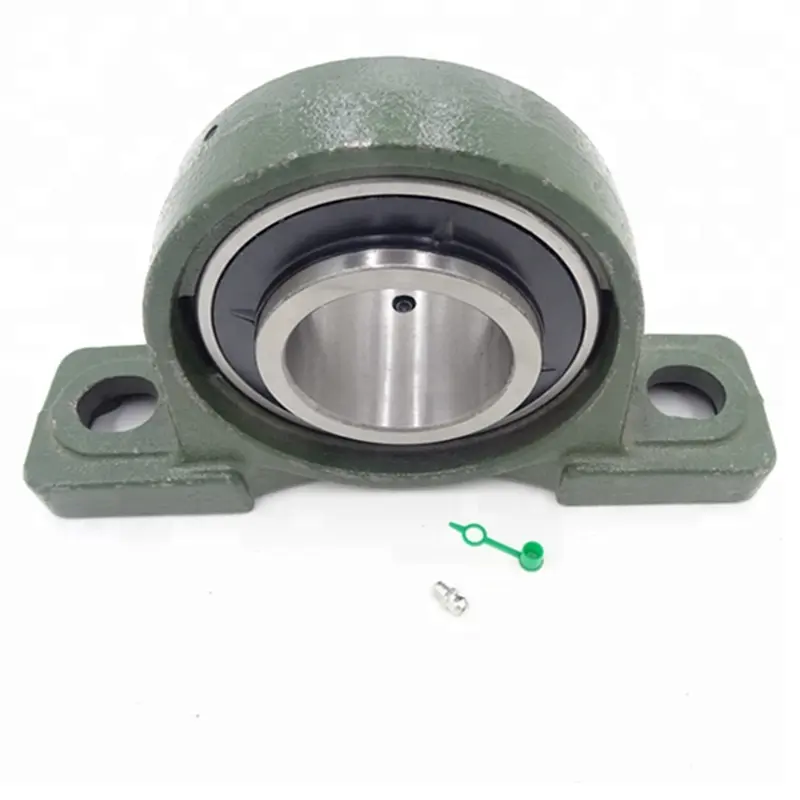
For wet areas, you need a triple-lip seal with a stainless steel slinger or a labyrinth seal. A single lip seal will let water in within hours of a washdown. The best seal for high-pressure washdown is a contact seal with a back-to-back lip design. This creates two barriers. Water cannot push past both lips.
How to read a seal type
I will explain the different seal designs. Then you can ask your supplier the right questions.
Single lip seal (R or RS). This is a basic rubber seal. It touches the inner ring. It works for dust but not for water. Water pressure pushes the lip open. Then water flows right in. I never use these in wet areas.
Double lip seal (2RS or LLU). Two rubber lips touch the inner ring. This is better. The second lip adds protection. But water can still get past if the pressure is high. These seals work for low humidity areas or occasional splashes. Not for direct washdown.
Triple lip with metal slinger (2RS+ steel shield). This is my go-to for wet areas. You have three rubber lips. Plus a metal ring (slinger) that spins with the shaft. The slinger throws water away before it reaches the rubber lips. This design can handle hose-down pressure up to 50 psi. Our FYTZ wet-area bearings all use this seal.
Labyrinth seal (non-contact). This seal has no rubber contact. It uses a maze of small gaps. Water and dust get lost in the maze. The good part is there is no friction. The bad part is water can still get through if the pressure is high. Labyrinth seals work for humid environments but not for direct hose spray.
V-ring seal. This is a flexible rubber ring that mounts on the shaft outside the bearing. It acts like a windshield wiper. It pushes water away from the bearing. You can add a V-ring to any bearing for extra protection. I recommend this for outdoor conveyors exposed to rain.
Here is a decision table for seals:
| Seal Type | Water Resistance | Washdown Rated? | Friction Level | Best Use Case |
|---|---|---|---|---|
| Single lip (R) | Low | No | Low | Dry, clean areas |
| Double lip (2RS) | Medium | No | Medium | Occasional splashes, low humidity |
| Triple lip + slinger | High | Yes (low pressure) | Medium | Daily washdown, food lines |
| Labyrinth | Medium-High | No | Very low | Humid areas without direct spray |
| Labyrinth + V-ring | High | Yes (low pressure) | Low | Outdoor conveyors, rain exposure |
I learned this lesson from a customer in Brazil. He runs a poultry processing line. They wash the line with hot water and chemicals every four hours. He tried bearings with double lip seals. Water got inside after two days. Then he switched to our triple-lip with slinger. That was eight months ago. The bearings are still quiet and smooth.
One more thing. Check the seal material. Standard rubber (NBR) works for water and mild chemicals. For hot water or aggressive detergents, ask for FKM (Viton) seals. They cost more but they last. I offer both options.
4. How Should You Lubricate Bearings in High-Humidity or Washdown Applications?
Grease in wet areas is a different game. I see people using the same grease they use on dry conveyors. That is a mistake. Water will wash out standard grease in one shift.
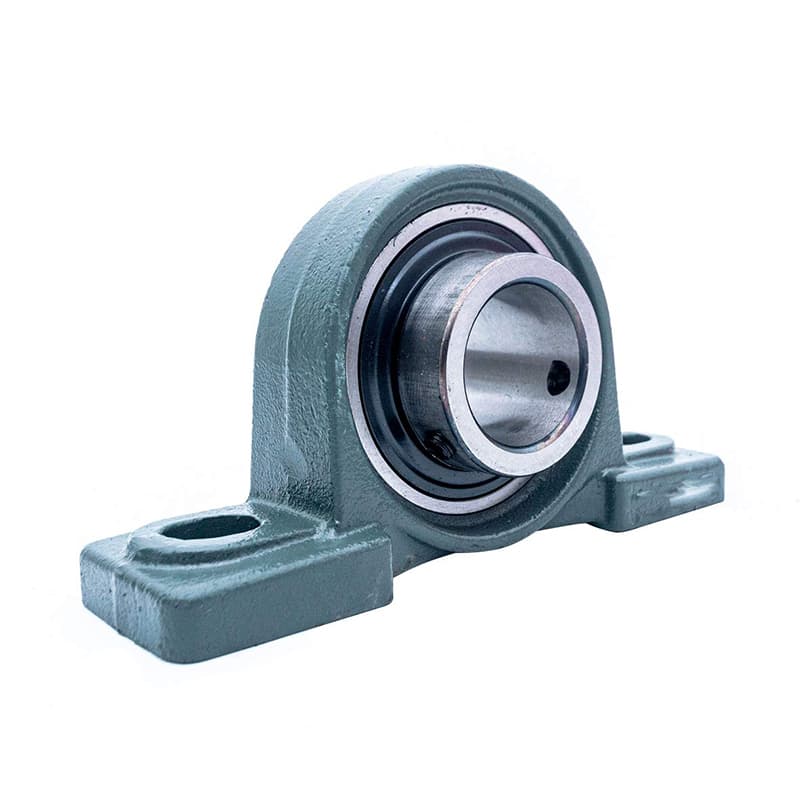
In wet or washdown areas, you need a water-resistant grease with strong adhesion. Use a lithium complex grease with an NLGI grade of 2 and a high dropping point above 260°C. Add a corrosion inhibitor. Do not use standard calcium or sodium-based greases. They wash off easily. Relubricate twice as often as dry areas – every 150 hours instead of every 300 hours.
The right grease and the right schedule
Let me give you a simple system for wet-area lubrication.
Step one – Pick the right base oil. For wet areas, you want a mineral oil with high viscosity. ISO VG 150 to 220 is good. Thicker oil stays on the metal better. It does not wash off easily.
Step two – Check the thickener type. Lithium complex is my top choice. It has strong water resistance. It also handles high temperatures. Avoid calcium grease. Calcium mixes with water and turns into a milky soup. Sodium grease dissolves in water completely. So only use lithium or lithium complex.
Step three – Look for additives. The grease must have an EP (extreme pressure) additive for load protection. And it must have a corrosion inhibitor. The corrosion inhibitor leaves a thin film on the steel. That film stops rust even if water touches the metal.
Step four – Grease more often. In a dry area, I recommend greasing every 300 hours. In a wet area, cut that in half. Grease every 150 hours. For washdown areas with high-pressure cleaning, grease every 75 hours. The extra grease pushes out any water that got inside.
Step five – Use the right amount. Do not over-grease. Too much grease causes heat. For a UCP208 bearing, use 5 to 7 grams. That is 2 or 3 pumps from a manual gun. Pump slowly. Stop when you feel a little resistance.
Here is a grease selection table for wet areas:
| Grease Property | What to Look For | What to Avoid |
|---|---|---|
| Thickener | Lithium complex | Calcium, sodium, simple lithium |
| Base oil viscosity | ISO VG 150-220 | ISO VG 32-68 (too thin) |
| Dropping point | Above 260°C | Below 180°C |
| Water washout test | Less than 10% loss | More than 30% loss |
| Corrosion inhibitor | Yes (look for "rust protected" on label) | None |
| EP additive | Yes (look for "EP" or "GC-LB") | None |
I remember a customer in Russia. He runs a potato washing line. The bearings get sprayed with water and dirt all day. He was using standard lithium grease. The grease washed out in two days. His bearings rusted fast. I told him to switch to a high-viscosity lithium complex grease with a corrosion inhibitor. He called me back a month later. He said the grease stayed in place for over a week. And the bearings looked clean inside.
One last tip for washdown areas. Use a grease with a high dropping point. The hot water from cleaning can melt low-quality grease. Melted grease runs out of the bearing. Then you have no lubrication left. So pick a grease with a dropping point over 260°C. That is safe for hot washdown.
Conclusion
For wet areas, pick stainless or nickel-plated housings, triple-lip seals, and water-resistant lithium complex grease. Grease twice as often. Your bearings will last.