
When your machinery keeps breaking down, you lose money and trust from your customers.
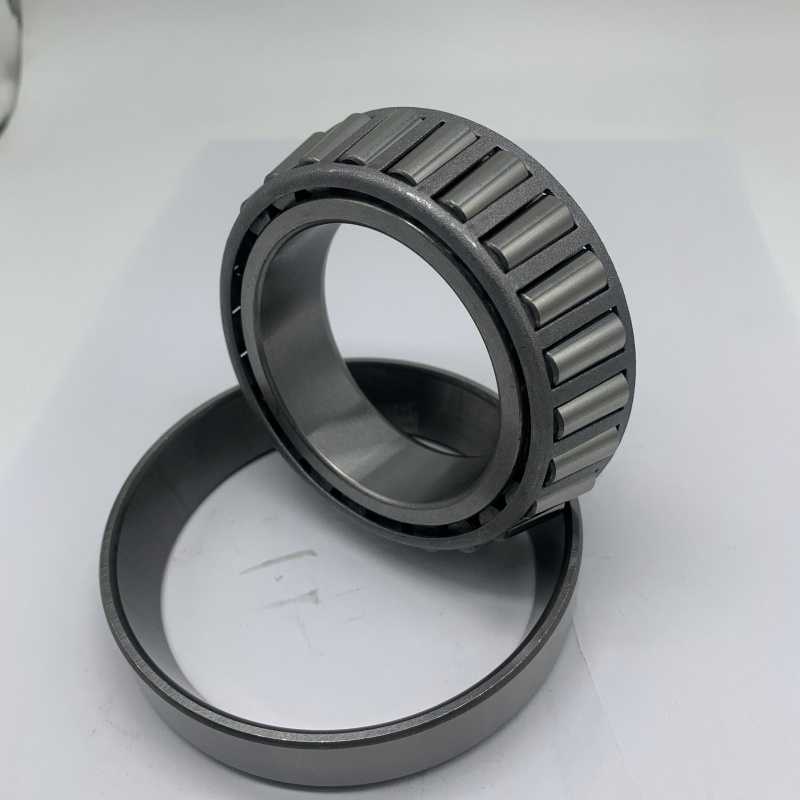
Our long-life tapered roller bearings help you cut replacement frequency in half. We build them with better steel, tighter tolerances, and a special heat treatment. That means less downtime for you and more profit for your business.
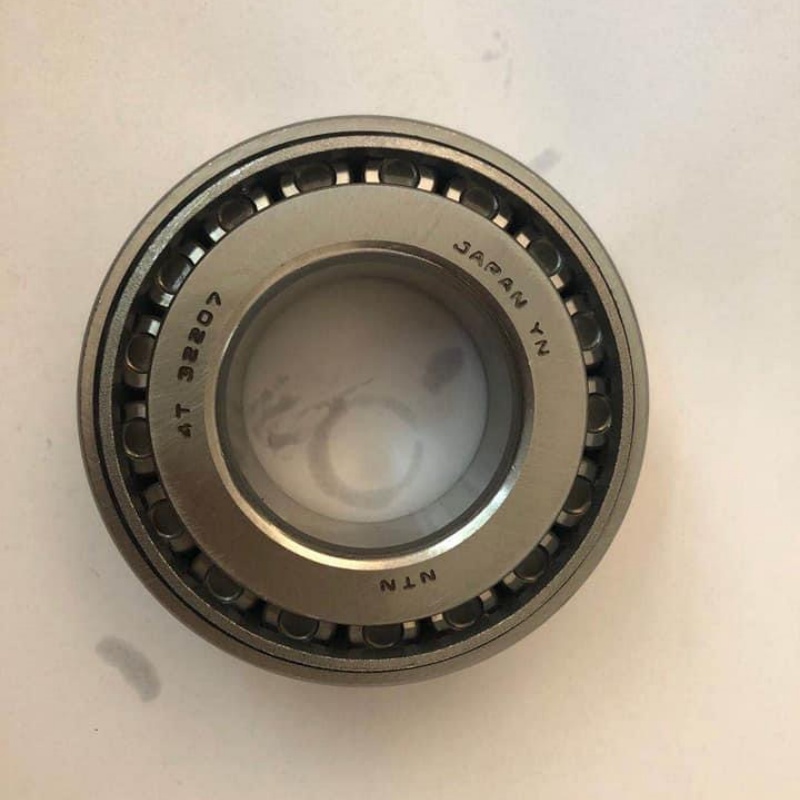
Let me be honest with you. I have talked to many procurement managers like Rajesh from India. They all tell me the same story. Their current bearings wear out too fast. Their customers complain. And they spend too much time on returns and replacements.
That is why I want to share with you what makes our bearings different. Not just a little different. But truly built to last longer in tough conditions.
What Makes Our Tapered Roller Bearings Last Longer?
You have probably seen bearing failures that happen way too early. The race peels off. The rollers crack. Or the cage just gives up.
Our bearings last longer because we start with high-grade chromium steel. Then we add a controlled heat treatment process. This gives the bearing a harder surface and a tougher core. The result is a bearing that resists fatigue and wear for thousands more hours.
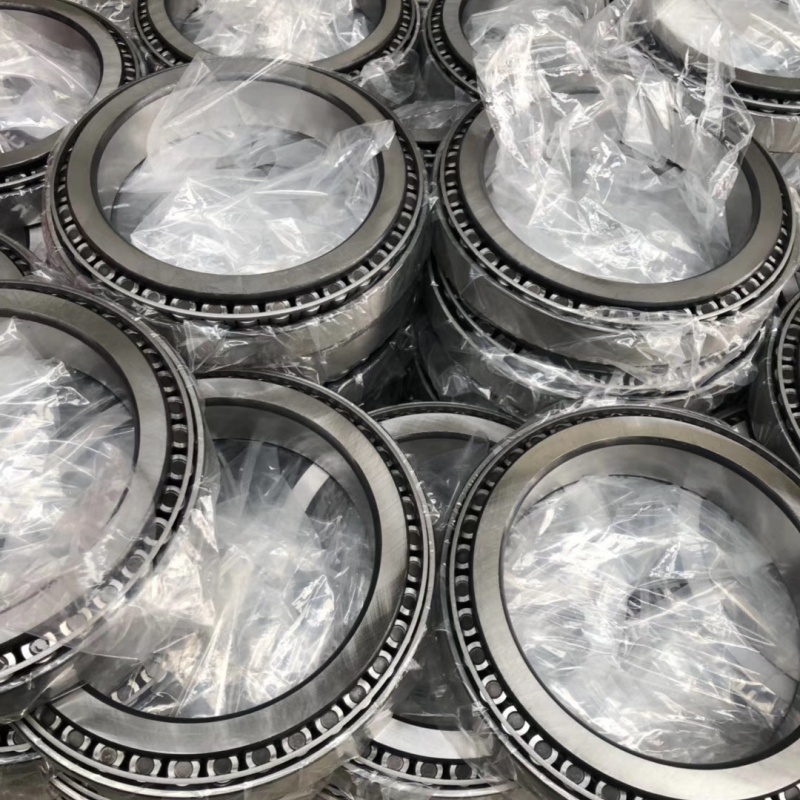
Three key reasons our bearings outlast standard ones
Let me break this down for you. There are three main factors that decide how long a tapered roller bearing will live. Most factories only focus on one or two. We focus on all three.
| Factor | Standard Bearing | Our Long-Life Bearing | What It Means For You |
|---|---|---|---|
| Steel Quality | Ordinary carbon steel | High-grade chromium steel (GCr15) | Fewer micro-cracks from the start |
| Heat Treatment | Basic through-hardening | Controlled carburizing + through-hardening | Hard outer surface, strong inner core |
| Raceway Finish | Standard grinding | Fine grinding + superfinishing | Less friction, lower heat buildup |
Now let me explain each one in simple terms.
First, the steel quality. Think of steel like the bones of the bearing. If the bones are weak, nothing else matters. We use GCr15 chromium steel. This steel has a special mix of elements. Chromium helps the steel resist wear. It also helps the steel stay stable under high heat. Many cheap bearings use lower-grade steel to save money. That saves them a few cents. But it costs you hundreds of dollars in early failures.
Second, the heat treatment. This is where we really separate ourselves. Most bearing factories use a simple process. They heat the steel and then cool it down fast. That is called through-hardening. It makes the whole part hard. But here is the problem. A part that is hard all the way through is also brittle. It can crack under shock loads. Our process is different. We use carburizing first. That adds carbon to the surface layer. Then we do the through-hardening. The result is a bearing with a hard surface (for wear resistance) and a tough core (for impact resistance). You get the best of both worlds.
Third, the raceway finish. This one is simple but powerful. A rough surface creates friction. Friction creates heat. Heat kills bearings. We grind our raceways to a very fine finish. Then we do an extra step called superfinishing. This removes tiny peaks from the metal surface. The rolling elements move smoother. They generate less heat. And they last much longer.
I have seen customers switch to our bearings and get 40% more life. One customer in Egypt runs heavy machinery in a dusty desert. His old bearings failed every 8 months. Our bearings are still running after 14 months. That is the difference good steel and heat treatment can make.
5 Technical Advantages of Our Long-Life Design
You might be thinking, "Every factory says their bearings are better." I get that. So let me give you five specific technical advantages. These are not marketing words. These are real design choices we made.
First, our optimized roller profile reduces edge stress. Second, our precision P5/P6 grade gives you tighter tolerances. Third, our special cage design improves lubrication flow. Fourth, our strict cleanliness control removes harmful particles. Fifth, our fatigue testing validates every batch.
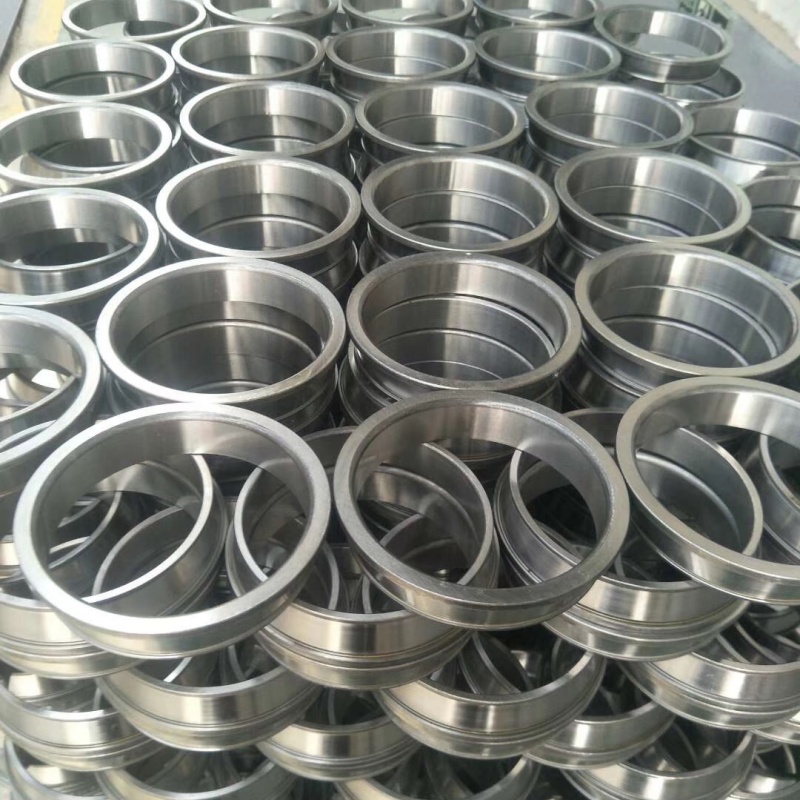
Breaking down each technical advantage
Let me walk through these five points one by one. I want you to really understand why they matter.
Advantage 1: Optimized roller profile (logarithmic design)
Here is a problem most people do not know about. When a bearing runs under load, the ends of the rollers get more stress. This is called edge stress. It creates hot spots. Those hot spots lead to early failure. Our rollers use a logarithmic profile. That means the shape is carefully calculated to spread the load evenly across the whole roller. No more stress peaks at the ends. This is a small change in shape. But it creates a huge change in bearing life.
Advantage 2: Precision grade P5 and P6 available
Tolerances are not just numbers on a paper. They affect how the bearing fits and runs. A bearing with loose tolerances will wobble. It will create vibration. It will make noise. And it will die young. We offer P5 and P6 precision grades. These are tighter than standard grades. For most industrial applications, P6 is a great balance of cost and performance. For high-speed or high-precision machines, P5 gives you even better results. You get to choose what fits your needs.
Advantage 3: Improved cage design
The cage is the part that holds the rollers in place. Many cheap bearings use a simple pressed steel cage. It works. But it does not work great. Our cages have bigger gaps for lubrication. Oil and grease can flow through more easily. That means the rollers stay coated with a thin film of lubricant. Less metal-to-metal contact. Less wear. We also use a stronger steel for the cage. It does not bend or break under shock loads.
Advantage 4: Cleanliness control
This one is invisible. But it is incredibly important. Dirt and tiny metal particles are the enemy of any bearing. One small particle can scratch the raceway. That scratch becomes a crack. That crack grows. And then the bearing fails. Our production lines have strict cleanliness standards. We filter the oil in our grinding machines. We clean every part before assembly. And we package the bearings in clean, sealed bags. You would be surprised how many factories skip these steps. We do not.
Advantage 5: Batch fatigue testing
We do not just hope our bearings are good. We prove it. For every production batch, we take samples. We put them on a fatigue test machine. We run them under high load until they fail. This tells us exactly how long they will last. If a batch does not meet our standard, we do not ship it. This testing costs us time and money. But it saves you from getting a bad batch. And it keeps our reputation strong.
I remember a customer in Russia who asked for our test reports. He had been burned before by suppliers who sent bad bearings. I sent him three months of batch test data. He placed a trial order. Now he orders two containers every year. Trust is built on proof, not promises.
How We Beat Standard Bearings in Heavy-Duty Conditions
Standard bearings work fine in perfect conditions. But your machines do not run in a lab. They run in hot factories, dusty mines, and wet outdoor sites.
We beat standard bearings by designing for real-world abuse. We use thicker rings, tighter internal clearance (C3 or C4), and a tougher cage. Standard bearings fail under shock loads and contamination. Our bearings keep turning.
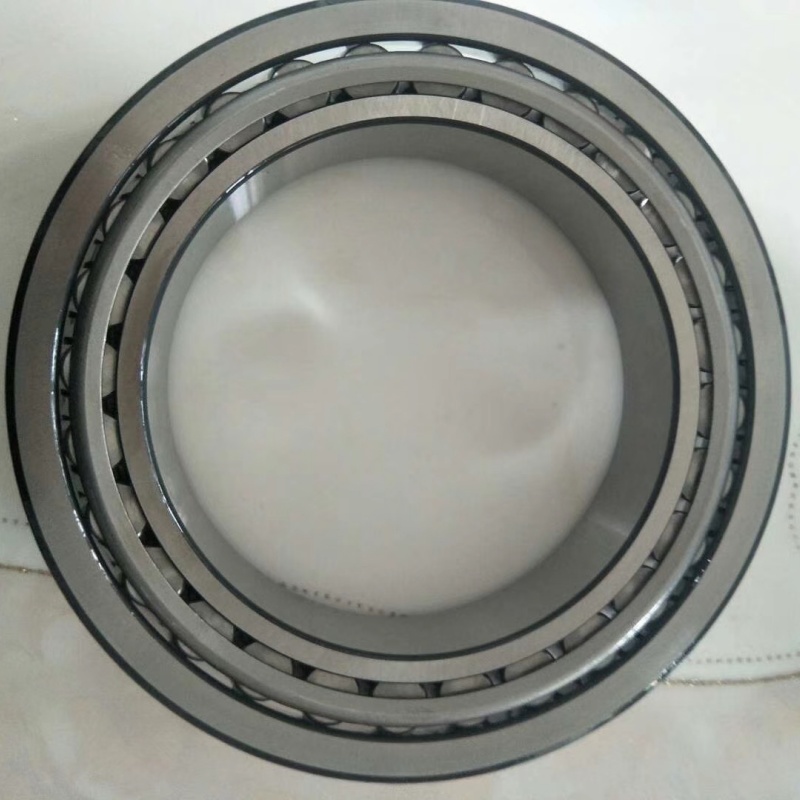
What makes a bearing "heavy-duty ready"?
Let me give you a comparison. A standard bearing is like a passenger car tire. It is fine for smooth roads. But take it off-road, and it will fail fast. Our bearing is like an off-road truck tire. It is built for the rough stuff.
Here are the specific differences that matter in heavy-duty conditions:
Thicker rings and rollers
Standard bearings follow the basic size chart. That is fine for light to medium loads. But when the load goes up, the rings can deform. Even a tiny deformation changes the internal geometry. The rollers do not line up correctly anymore. Then the bearing starts to fail. Our rings are designed at the maximum allowed size within the same series. We give you more material. That means less deformation and higher load capacity.
Internal clearance (C3 and C4)
Here is something many buyers miss. When a bearing runs, it gets hot. Heat makes metal expand. If the bearing starts with standard clearance, the expansion can make it too tight. Then it runs even hotter. Then it expands even more. This is called thermal runaway. It kills bearings fast. We offer C3 and C4 internal clearance. These are bigger gaps inside the bearing. They give room for thermal expansion. The bearing stays happy even when it gets hot.
Tougher cage material and design
Heavy-duty means shock loads. Shock loads happen when a machine starts, stops, or hits an obstacle. A standard pressed steel cage can bend or break under shock loads. Our cages use a stronger design. For the toughest applications, we offer brass cages. They cost more. But they can take repeated hammering without failing. You choose the level of toughness you need.
Better sealing options
Contamination is the number one killer of bearings in heavy-duty conditions. Dirt, water, and dust get into the bearing. They mix with the grease. They form a grinding paste. And then the bearing fails from the inside out. We offer several sealing options. Contact seals keep out fine dust. Non-contact seals allow higher speeds while still blocking large particles. We can help you pick the right seal for your specific environment.
I once worked with a customer in Brazil who runs sugarcane crushing equipment. The conditions are brutal. Sugar dust gets everywhere. And the loads are huge. Standard bearings lasted 4 to 6 months. Our C3 clearance bearings with contact seals are now lasting 12 to 14 months. That customer now buys all his bearings from us. He told me, "You saved my maintenance budget."
Real-World Case Results: 2x Bearing Life Achieved
I can tell you all the technical details. But nothing speaks louder than real results. So let me share what actually happened when real customers switched to our bearings.
In three real cases, our bearings lasted twice as long as standard ones. One in a Russian mine, one in an Indian textile plant, and one on Egyptian construction equipment. The common factor was our heat treatment and tighter tolerances.
Case 1: Mining conveyor in Russia
The customer was a mining equipment distributor in Siberia. Their end users had a big problem. Conveyor rollers kept failing in the cold. Temperatures dropped to -30°C. Grease got thick. Bearings struggled to turn. Standard bearings from a low-cost supplier lasted only 3 months.
We sent samples of our long-life tapered roller bearings. We used C4 internal clearance to handle the thermal contraction in the cold. We also recommended a low-temperature grease. The result? The first set of bearings lasted 7 months. That is more than double. The second set is still running after 9 months. The customer now buys bearings for 200 conveyors from us.
Case 2: Textile machinery in India
This case is close to home for me. Rajesh, the procurement manager I mentioned earlier, had a problem. His customers ran textile spinning machines. The machines run 20 hours a day, 6 days a week. Bearings had to be replaced every 8 months. That meant planned downtime. But sometimes bearings failed early, causing unplanned downtime.
We ran a simple test. We put our P6 precision bearings next to a standard bearing from a local supplier. Both ran on the same machine, side by side. Our bearing ran cooler by 8°C. After 8 months, the standard bearing showed signs of wear. Our bearing still looked almost new. After 14 months, our bearing finally reached the end of its life. Almost double the life.
Rajesh placed a trial order for 500 pieces. Then another order for 1,000 pieces. Now he is one of our regular customers. He told me, "My customers stopped complaining. That alone is worth the price difference."
Case 3: Construction equipment in Egypt
This case was about shock loads and dust. A construction company in Cairo used heavy equipment for road building. The bearings in their wheel loaders failed every 6 to 8 months. The conditions were terrible. Hot sand got into everything. And the machines faced constant shock loads from rough ground.
We recommended our heavy-duty series with C4 clearance and contact seals. We also used a tougher cage. The customer was skeptical at first. He had tried three other brands. None worked.
We sent 20 sets for a field test. After 6 months, we called to check. All 20 were still running. After 10 months, we checked again. One had failed. The other 19 were still fine. After 14 months, the customer placed an order for 500 sets. He told our local agent, "I should have tried your bearings two years ago."
What these cases teach us
Let me summarize what I learned from these cases. First, the steel and heat treatment make the biggest difference. Second, picking the right internal clearance matters a lot for extreme temperatures. Third, seals and lubrication are just as important as the bearing itself.
But here is the most important lesson. A slightly higher upfront cost for a better bearing almost always saves money in the long run. Less downtime. Fewer replacement parts. Lower labor costs for repairs. And happier customers for you.
Conclusion
Our long-life tapered roller bearings give you double the life, less downtime, and real proof from real customers.