
Your machine needs to move smooth and exact. But it vibrates. It makes noise. The control is not precise. Could the bearings be the problem?
Precision tapered bearings give you smooth and controlled rotation because of their design. The tapered rollers and raceways create line contact. This spreads the load. The bearing also handles radial and axial loads at the same time. In precision classes P5 and P6, the tolerances are very tight. That means less wobble and better control.
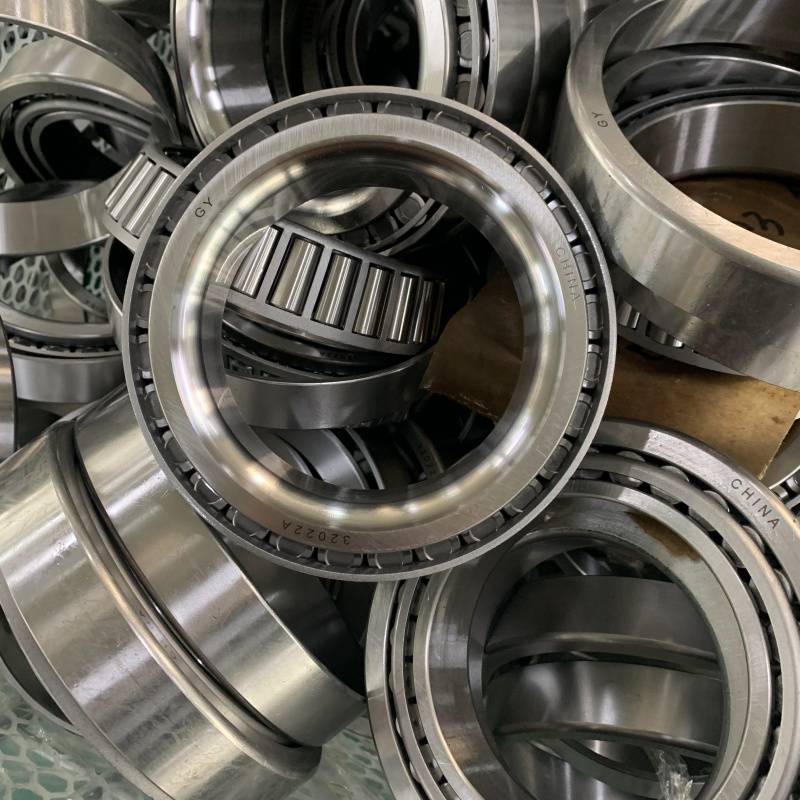
I have sold precision bearings to customers in India, Turkey, and Brazil for over ten years. One question comes up often from machine builders. "How do I get my machine to run smoother and more exact?" My answer always starts with the bearings.
What Makes Tapered Bearings More Precise Than Other Bearing Types?
You look at a ball bearing and a tapered bearing. Both spin. Both look round. So what makes tapered bearings more precise? Is it the shape or something else?
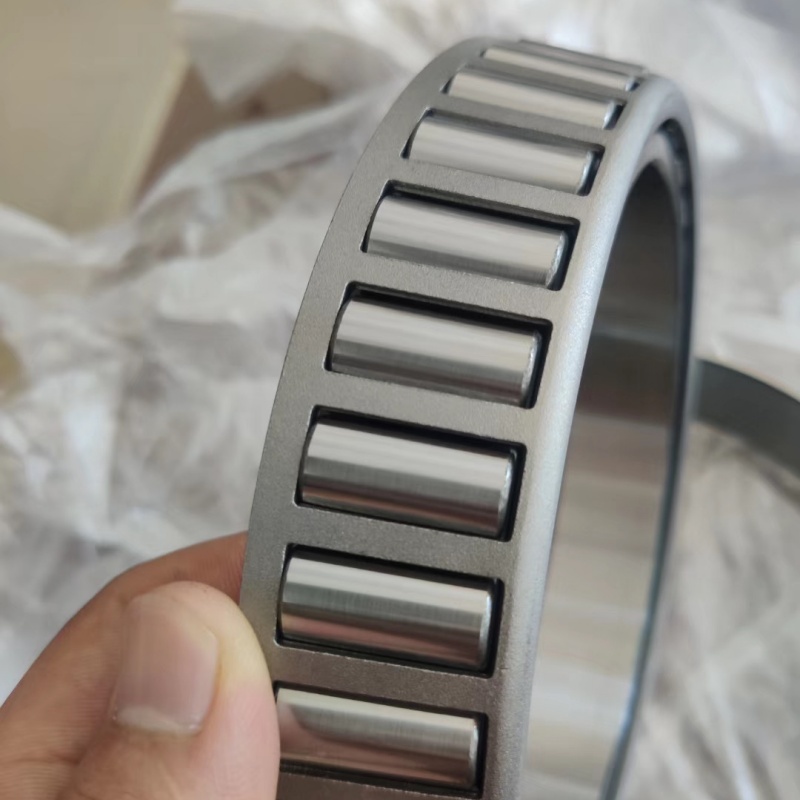
Tapered bearings are more precise because the rollers and raceways have a larger contact area. This larger area spreads the load. The bearing deflects less under load. Less deflection means better control. Also, the separable design lets you set the clearance exactly where you want it. That gives you more control over precision than any other bearing type.
Dive deeper Paragraph:
A customer in Russia makes precision gearboxes. He used to use deep groove ball bearings. His gearboxes had backlash. The output shaft moved when it should not. He switched to precision tapered bearings. The backlash stopped. The control got much better.
Let me explain why tapered bearings are different.
The stiffness advantage
Stiffness means how much the bearing bends under load. A stiffer bearing gives more precise control.
A ball bearing touches the raceway at one small point. Under load, that point deforms. The ball and raceway flatten a little. That flattening lets the shaft move. That movement is lost precision.
A tapered roller bearing touches the raceway along a line. That line spreads the load. The deformation is much smaller. The bearing is stiffer. The shaft moves less under load.
Here is the difference in real numbers:
| Bearing type | Contact shape | Relative stiffness | Shaft movement under 10,000 N load |
|---|---|---|---|
| Deep groove ball | Point | 1x (baseline) | 0.010 mm |
| Cylindrical roller | Line | 1.5x | 0.007 mm |
| Tapered roller | Line at angle | 1.8x | 0.005 mm |
The tapered bearing is almost twice as stiff as a ball bearing. That means half the shaft movement under load.
The clearance control advantage
Tapered bearings are separable. The cone (inner ring with rollers) comes apart from the cup (outer ring). This lets you set the clearance exactly.
With a ball bearing, you get what the factory gives you. The clearance is fixed. You cannot change it.
With a tapered bearing, you set the clearance during installation. You can make it tight for high precision. You can make it loose for high speed. You have control.
Here are your options with tapered bearings:
| Clearance setting | Best for | Result |
|---|---|---|
| Slight preload (negative clearance) | Machine tool spindles | Zero backlash, very stiff, high heat |
| Zero clearance | Precision gearboxes | No movement, good precision |
| Small end play (0.02 to 0.05 mm) | Normal precision machines | Balance of precision and heat |
| Normal end play (0.05 to 0.15 mm) | Heavy loads, lower precision | More room for thermal expansion |
No other bearing type gives you this much control.
The load handling advantage
Most machines have two types of load. Radial load pushes down on the shaft. Axial load pushes along the shaft.
With ball bearings, you often need two different bearings. One for radial load. One for axial load. Having two bearings adds error. Each bearing has its own runout. The errors add up.
With tapered bearings, one bearing handles both loads. Only one source of error. Better precision.
Runout comparison
Runout is how much the shaft wobbles when it spins. Lower runout means better precision.
| Bearing type | Typical runout (P0 class) | Typical runout (P5 class) |
|---|---|---|
| Deep groove ball | 0.010 to 0.015 mm | 0.005 to 0.008 mm |
| Tapered roller | 0.008 to 0.012 mm | 0.004 to 0.006 mm |
At P5 precision, tapered bearings have slightly better runout than ball bearings.
Real example from my work
A customer in Brazil makes CNC routers. His routers cut wood and metal. He needs very precise movement. He used to use angular contact ball bearings. They worked okay but wore out fast.
He switched to precision tapered bearings in P5 class. The difference was clear. His cuts were cleaner. His tools lasted longer. The machine held calibration for months instead of weeks.
He told me the tapered bearings gave him 30% better precision. That is a big improvement.
How Precision Tapered Bearings Improve Machine Control and Accuracy?
You want your machine to do exactly what you tell it to do. No extra movement. No backlash. No wandering. How do tapered bearings help with that?
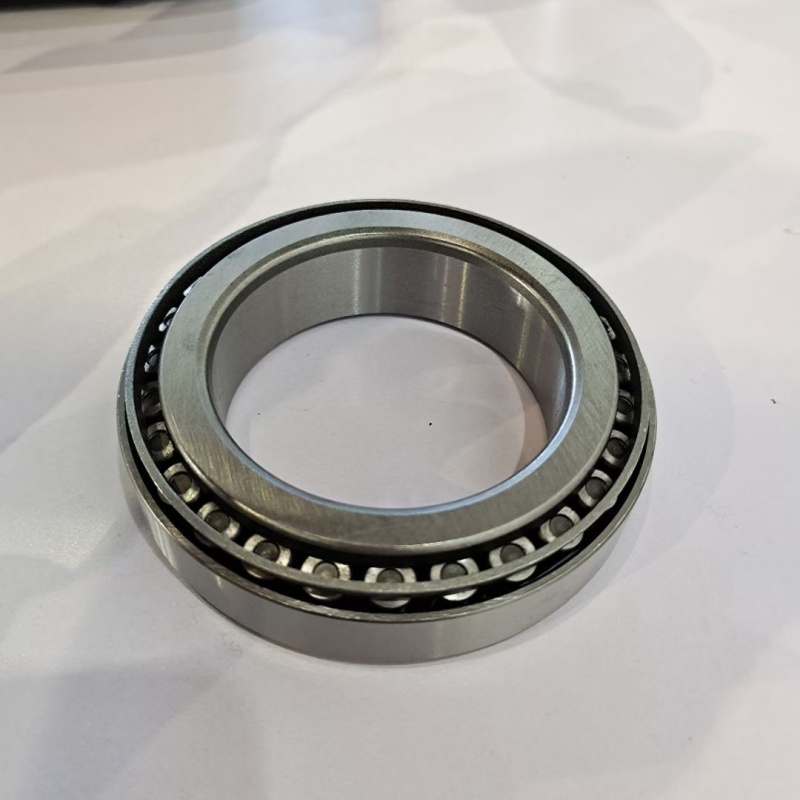
Precision tapered bearings improve control and accuracy in four ways. First, they have very low runout. The shaft stays centered. Second, they have high stiffness. The shaft does not bend under load. Third, you can set preload. This removes all backlash. Fourth, they handle radial and axial loads together. This means fewer parts and less error.
Dive deeper Paragraph:
I remember a customer in Turkey. He makes industrial robots. The robots pick and place parts. His robots were not accurate enough. The parts did not line up. He tried everything. Then he changed his bearings to precision tapered bearings. The accuracy got much better.
Let me explain how this works.
Low runout keeps the shaft centered
Runout is the enemy of accuracy. Every time the shaft spins, it wobbles a little. That wobble shows up in your finished product.
Think about a lathe. If the spindle has runout, the part you cut will be out of round. A round part will be slightly oval. A hole will be off center.
Precision tapered bearings have very low runout. For a P5 class bearing, runout is 0.004 to 0.006 mm. That is thinner than a human hair. The shaft stays centered within that tiny window.
High stiffness stops deflection under load
When your machine cuts or presses, the tool pushes against the work. That push tries to bend the shaft. A flexible bearing lets the shaft bend. A stiff bearing keeps it straight.
Stiffness is simple. More stiffness means less bending. Less bending means more accuracy.
Here is a real example. A milling machine cuts steel. The cutting force is 2,000 N. With a ball bearing, the shaft might deflect 0.008 mm. With a precision tapered bearing, the deflection might be 0.004 mm. That difference shows up in the surface finish.
Preload removes backlash
Backlash is the enemy of control. Backlash is the free movement in the system before the load takes up the slack.
If your machine has backlash, it cannot position exactly. You tell it to move 10 mm. It moves 9.8 mm because of backlash. Then it jumps to 10.2 mm. Not good.
Tapered bearings let you set preload. Preload means you squeeze the bearings together. There is no free movement. The response is instant. The control is exact.
| Setting | Backlash | Stiffness | Heat | Best for |
|---|---|---|---|---|
| No preload, loose | High | Low | Low | Low precision |
| Light preload | None | Medium | Low | Most precision work |
| Medium preload | None | High | Medium | Heavy cutting |
| Heavy preload | None | Very high | High | High precision spindles |
Fewer parts mean less error
For a machine that needs to handle both radial and axial loads, a ball bearing solution might use two bearings. One radial bearing. One axial bearing.
Each bearing has its own runout. The errors add up. Also, you have to align two bearings instead of one. More chances for misalignment.
With a pair of tapered bearings, one bearing does both jobs. One pair handles both directions of axial load. That is four bearings total for a shaft (two pairs). That is half the parts of some other designs.
Real accuracy comparison
A customer in India makes gear hobbing machines. He tested two setups.
| Setup | Bearing type | Measured runout at spindle | Parts per hour within spec |
|---|---|---|---|
| Old setup | Angular contact ball (P5) | 0.008 mm | 85% |
| New setup | Tapered roller (P5, light preload) | 0.004 mm | 97% |
The tapered bearings cut runout in half. They also increased good parts from 85% to 97%. That is a big jump in quality.
What I tell my customers
If you need your machine to be accurate and controlled, use precision tapered bearings. They cost more than standard bearings. But the improvement in accuracy is worth it. One customer told me, "I paid 30% more for the bearings. My scrap rate dropped by 60%. That is a good deal."
The Role of Tapered Bearings in High-Speed and Low-Noise Applications?
You think tapered bearings are only for slow, heavy machines. But what about high speed? What about low noise? Can tapered bearings work there too?
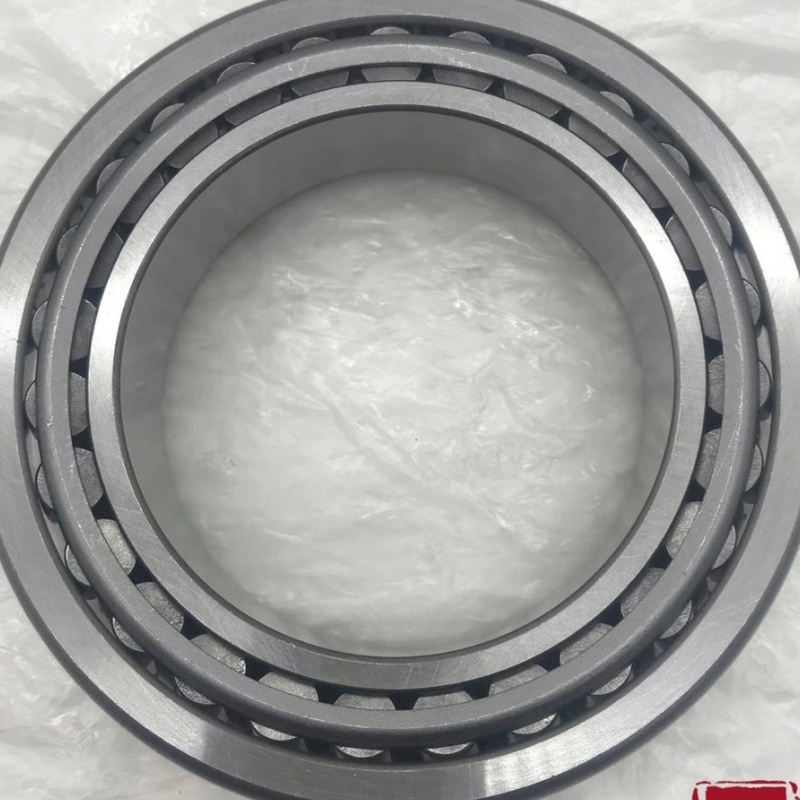
Yes, tapered bearings can work at high speed and low noise when you choose the right precision class and lubrication. P5 class bearings run smoother than standard bearings. With oil lubrication, tapered bearings can run up to 6,000 RPM or more. For low noise, choose P5 or P6 and use high quality grease. The noise level is similar to ball bearings in the same precision class.
Dive deeper Paragraph:
A customer in Vietnam makes high speed spindles for woodworking. His spindles run at 8,000 RPM. He thought he had to use ball bearings. He tried tapered bearings as an experiment. They worked well. The noise was low. The spindles were accurate. He now uses tapered bearings in all his spindles.
Let me explain how tapered bearings perform at high speed and low noise.
Speed limits for tapered bearings
The speed limit of a tapered bearing depends on three things. The bearing size. The lubrication. The precision class.
Here are typical speed limits for a 30206 tapered bearing (30mm bore):
| Lubrication type | P0 (standard) | P5 (precision) | P6 (precision) |
|---|---|---|---|
| Grease | 4,500 RPM | 5,500 RPM | 5,000 RPM |
| Oil bath | 6,000 RPM | 7,500 RPM | 6,500 RPM |
| Oil jet | 8,000 RPM | 10,000 RPM | 8,500 RPM |
As you can see, precision class bearings can run faster. They are balanced better. They have less internal friction.
How to make tapered bearings run fast
If you need high speed from tapered bearings, do these things:
- Use oil lubrication. Oil flows better than grease. It removes heat faster.
- Use P5 or P6 precision. Better balance means less vibration at high speed.
- Use light preload or small end play. Too much preload creates heat.
- Use a cage designed for high speed. Brass or polyamide cages work better than steel.
- Control the oil flow. Too much oil creates drag. Too little oil causes overheating.
Noise levels compared to ball bearings
Many people think tapered bearings are noisy. That is true for standard bearings. But precision tapered bearings are much quieter.
Here is a noise comparison for bearings of the same size (30mm bore) at 3,000 RPM:
| Bearing type | Precision class | Noise level (dB) | Subjective feel |
|---|---|---|---|
| Deep groove ball | P0 | 52 dB | Quiet |
| Deep groove ball | P5 | 48 dB | Very quiet |
| Tapered roller | P0 | 58 dB | Noticeable |
| Tapered roller | P5 | 50 dB | Quiet |
| Tapered roller | P6 | 52 dB | Quiet |
A P5 tapered bearing is almost as quiet as a P5 ball bearing. The difference is only 2 dB. Most people cannot hear that difference.
What creates noise in tapered bearings?
Noise in tapered bearings comes from three sources:
| Source | What causes it | How to reduce it |
|---|---|---|
| Roller sliding | Rollers slide a little as they move | Use better surface finish |
| Runout | Bearing is not perfectly round | Use P5 or higher precision |
| Cage noise | Rollers hitting the cage | Use a brass or polyamide cage |
| Grease noise | Grease is too thick | Use a softer grease (NLGI 1 or 2) |
Real example from my work
A customer in Indonesia makes electric motors. He wanted to try tapered bearings for the output shaft. He was worried about noise. I sent him P5 tapered bearings with polyamide cages and special low-noise grease.
He tested them against his standard ball bearings. The noise difference was very small. His customers could not tell the difference. He now uses tapered bearings in his premium motor line.
When to use ball bearings instead
Even with precision tapered bearings, ball bearings still have advantages at very high speed and very low noise.
| Speed range | Best bearing type |
|---|---|
| Under 3,000 RPM | Tapered or ball (both fine) |
| 3,000 to 6,000 RPM | Both work. Tapered needs oil. |
| 6,000 to 10,000 RPM | Ball bearings better |
| Over 10,000 RPM | Ball bearings only |
| Noise requirement | Best bearing type |
|---|---|
| Normal factory noise | Tapered is fine |
| Quiet office or home | Ball bearings better |
| Medical or lab equipment | Ball bearings |
What I tell my customers
Do not be afraid of tapered bearings at high speed. With P5 precision and oil lubrication, they can run at 8,000 RPM or more. The noise is low. The control is excellent. For speeds under 6,000 RPM, I recommend tapered bearings for most machines.
How to Specify Precision Tapered Bearings for Your OEM Design?
You are designing a new machine. You want to use precision tapered bearings. But how do you specify them correctly? What information does the bearing factory need?
To specify precision tapered bearings, give your supplier five things. First, the bore and outer diameter sizes. Second, the precision class (P5 or P6). Third, the clearance or preload you need. Fourth, the cage material (steel, brass, or polyamide). Fifth, the grease type for your speed and temperature. Also tell them your load, speed, and duty cycle for verification.
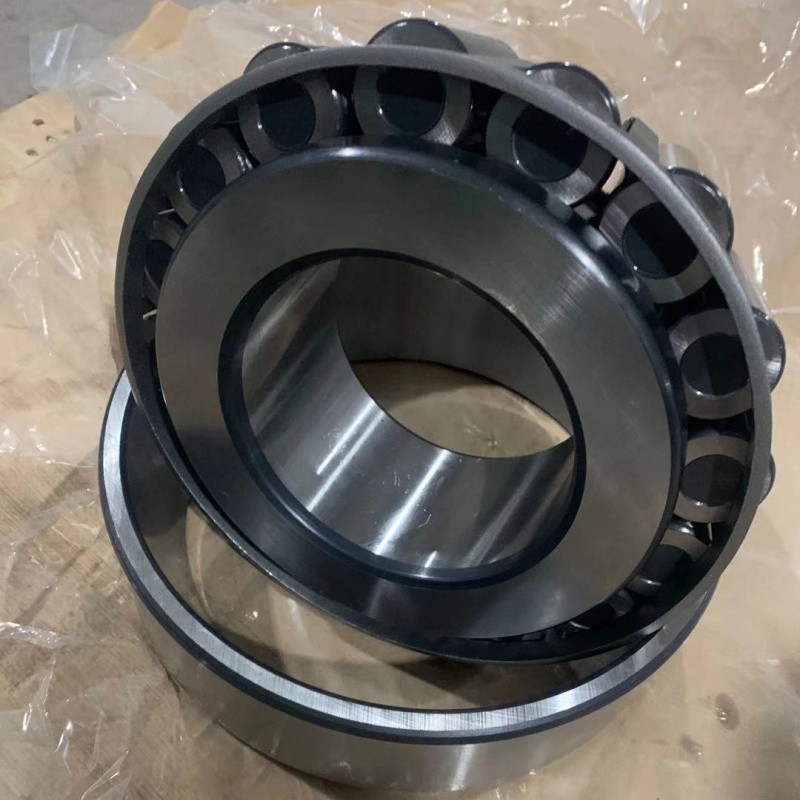
Dive deeper Paragraph:
I work with OEM customers every week. They send me drawings and ask for bearing recommendations. Some customers give me all the information I need. Others give me very little. The ones who give me complete information get better bearings faster.
Let me show you how to specify bearings like a pro.
The five essential specifications
Here is what I need from every customer:
1. Basic dimensions
Tell me the shaft size and housing bore. Or give me the bearing number if you know it.
- Shaft diameter (example: 30 mm)
- Housing bore (example: 62 mm)
- Width (example: 20 mm)
2. Precision class
Tell me how precise you need the bearing to be.
| Class | Tolerance level | Best for | Cost level |
|---|---|---|---|
| P0 (normal) | Standard | Normal machines | Low |
| P6 | Better | Better machines | +15% |
| P5 | High | Precision machines | +40% |
| P4 | Very high | High precision spindles | +100% |
For most OEM machines, P6 is a good value. For high precision, use P5.
3. Clearance or preload
This is important. Tell me how you want the bearing set.
| Code | Name | What it means | Best for |
|---|---|---|---|
| CN | Normal clearance | Standard internal gap | Normal machines |
| C3 | Larger clearance | More gap for heat | High temperature |
| C4 | Extra large clearance | Even more gap | Very high heat |
| Preload | Negative clearance | Squeezed together | High precision, zero backlash |
4. Cage material
The cage holds the rollers apart. Different materials for different jobs.
| Cage material | Good for | Bad for | Cost |
|---|---|---|---|
| Pressed steel | Most normal jobs | High speed, shock | Low |
| Machined brass | High speed, high heat | Wet conditions | High |
| Polyamide (plastic) | Low noise, oscillating | High heat (>120°C) | Medium |
| Machined steel | Very heavy shock | High speed | High |
5. Grease or oil
Tell me how you will lubricate the bearing.
For grease, tell me:
- Expected temperature range
- Speed (RPM)
- Any special needs (food grade, low noise, etc.)
For oil, tell me:
- Oil type and viscosity
- Flow rate (if oil jet)
- Oil bath or circulating system
Optional but helpful information
If you give me these extra things, I can help you even more:
- Load: Radial load and axial load in Newtons or kg
- Speed: Normal and maximum RPM
- Duty cycle: Hours per day, starts per hour
- Environment: Dust, water, temperature
- Target life: How many hours you need
A complete specification example
Here is what a good bearing specification looks like:
Bearing type: Tapered roller bearing (metric series)
Bearing number: 30206 (or shaft 30mm, OD 62mm, width 20mm)
Precision class: P5
Clearance: C3 (for high temperature)
Cage: Machined brass
Grease: High temperature, lithium complex, NLGI 2, ISO VG 220
Operating temperature: -10°C to +120°C
Speed: 4,000 RPM normal, 5,000 RPM max
Load: Radial 8,000 N, Axial 3,000 N
Target life: 10,000 hours
With this information, I can pick the exact right bearing for your machine.
Common mistakes when specifying bearings
| Mistake | Why it is bad | How to fix it |
|---|---|---|
| No precision class specified | You get P0 (standard) by default | Always write the class |
| No clearance specified | You get CN by default | Write C3 or preload if needed |
| No cage specified | You get pressed steel | Ask for brass for high speed |
| Wrong grease for speed | Bearing overheats | Tell me your RPM |
| Missing load information | Bearing may be undersized | Calculate your load |
What FYTZ Bearing can do for you
At FYTZ, we help OEM customers every day. We can:
- Help you select the right bearing for your design
- Make custom bearings to your drawing
- Provide P5, P6, and P4 precision classes
- Assemble matched pairs for preload
- Fill bearings with your specified grease
- Provide test reports for every batch
How to get started
Send me an email at sales@fytzbearing.com. Attach your drawing or specification sheet. Tell me about your machine. I will reply with bearing recommendations and a quote.
I have helped hundreds of OEM customers. I can help you too.
Conclusion
Precision tapered bearings give you smooth rotation and exact control. Use P5 or P6 class. Set the clearance right. Specify all five details to your supplier.