
Your small electric motor runs at 12,000 RPM. The bearing gets hot. It makes noise. You thought a standard bearing would work. But it failed in two weeks.
For low-load high-speed applications like dental drills, spindle motors, and turbo blowers, choose deep groove ball bearings with low viscosity grease, light cage (polyamide or phenolic), high precision class (P5 or P4), and small balls for reduced centrifugal force. Standard bearings and heavy grease will overheat and fail.
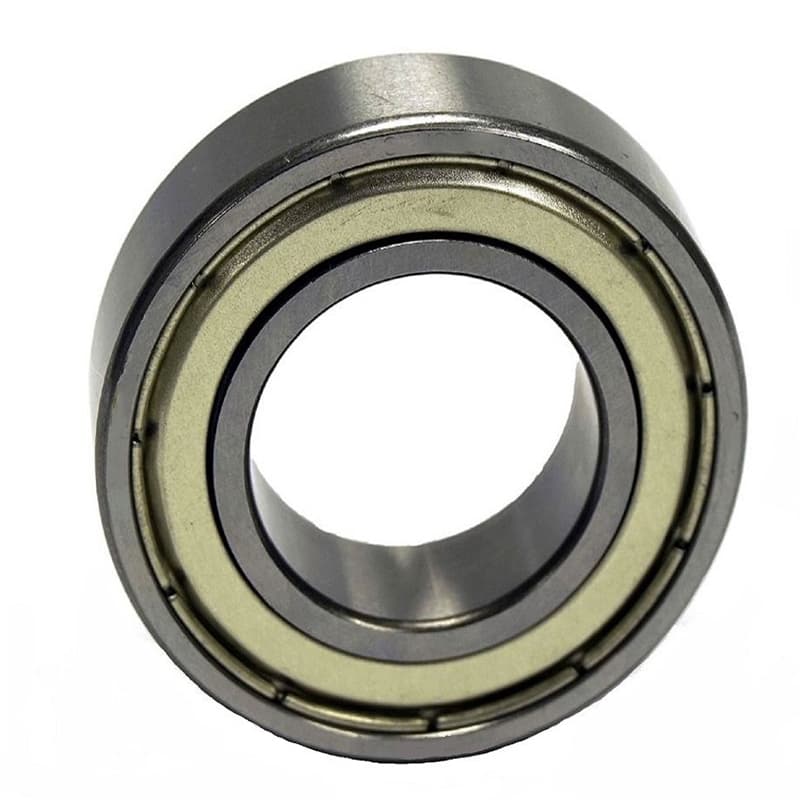
I am Leo from FYTZ Bearing. I sell bearings to many industries. One of the trickiest requests is high speed with light load. Most people think light load is easy. But high speed changes everything. Let me share what I have learned from helping customers pick bearings for spindles, small motors, and turbo machinery.
Why Do Low-Load High-Speed Applications Need Special Bearing Considerations?
You have a light load. The bearing does not carry much weight. So you think any bearing works. That is wrong. At high speed, the bearing fights itself. The balls create centrifugal force. The cage can break. The grease can overheat. High‑speed bearings can fail because internal forces (centrifugal force, cage friction, and lubricant churn) dominate over the external load
Low‑load high‑speed applications are challenging because the bearing’s own internal forces become larger than the external load. The balls push outward from centrifugal force. The cage must be light and strong. The grease must not churn. Standard bearings are designed for moderate loads and speeds. They will fail quickly at very high RPM. Bearing‑design‑guide articles stress that conventional bearings are mismatched to high‑dn, low‑load conditions and need special materials, cages, and lubrication
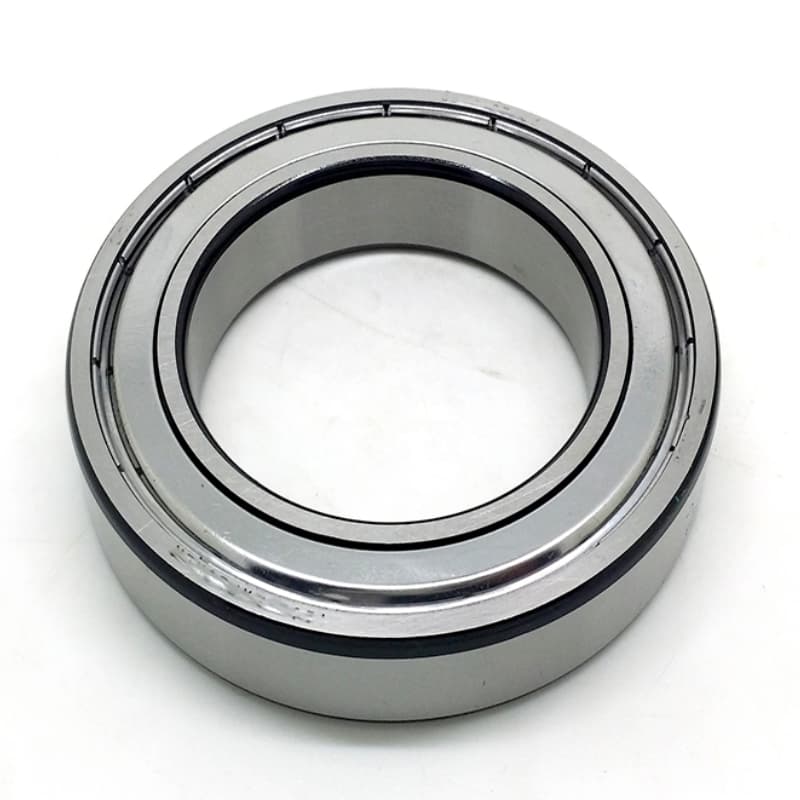
Let me explain the physics in simple terms.
Centrifugal force is the enemy. When a bearing spins, the balls are thrown outward against the outer race. The faster the spin, the harder they push. At 10,000 RPM, a 7 mm steel ball has a centrifugal force of several Newtons. That force acts on the outer race. It creates friction and heat. For a low‑load application, this internal force can be larger than the external load. That means the bearing is working hard just to spin itself. So you need smaller balls. Smaller balls have less mass. They create less centrifugal force. That is why high‑speed bearings often have smaller balls than standard bearings for the same size. Ultra‑high‑speed bearings deliberately reduce ball diameter to cut centrifugal load and energy loss
Heat is a big problem. High speed creates friction. Friction creates heat. Heat breaks down the grease. Heat also expands the steel. Expanded steel reduces internal clearance. Reduced clearance creates more friction. It is a vicious cycle. For every 10°C rise in temperature, grease life is cut in half. Research shows grease life roughly halves with each 10°C increase in bearing temperature [web:612][web:615]. So keeping the bearing cool is critical. That means low friction grease and good heat dissipation. High‑speed‑bearing design guides emphasize low‑friction lubricants and structures that minimize heat generation
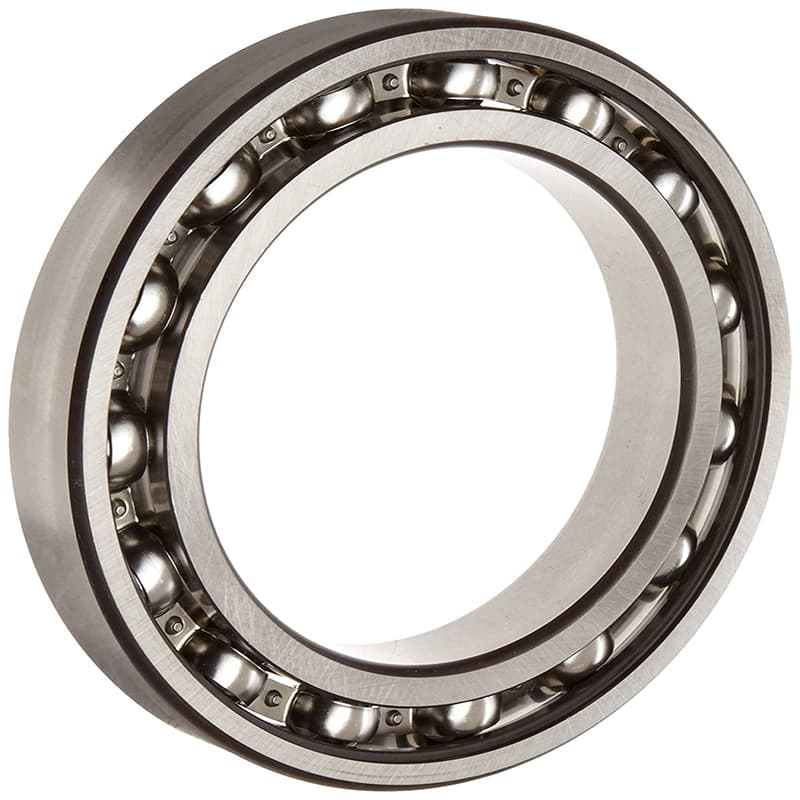
Cage design saves the day. The cage (or retainer) holds the balls apart. At high speed, the cage experiences high centrifugal forces too. A steel cage is heavy. It can rub against the balls and create heat. A light cage made of polyamide (nylon) or phenolic (baked plastic) is much better. These materials are light. They have low friction. They also absorb vibration. For very high speed (above 15,000 RPM), some bearings use a cage made of PEEK (high-performance plastic) or machined brass with special design.
A story from a customer in Brazil. He makes small CNC spindles for circuit board drilling. The spindle runs at 20,000 RPM. He used standard 6201 bearings with steel cage and standard grease. The bearings got hot (over 80°C) and failed in 300 hours. I recommended smaller 6901 bearings with phenolic cage and low-viscosity synthetic grease. The bearings now run at 60°C and last 4,000 hours. The smaller balls and lighter cage made all the difference.
What Are the Critical Selection Parameters for Low-Load High-Speed Bearings?
You open a bearing catalog. There are many numbers. For high speed, three numbers matter most: the speed limit, the grease type, and the cage material. Get these wrong and the bearing will fail.
The critical parameters for high-speed selection are: limiting speed (with grease or oil), dynamic load rating (to check if the bearing can handle the centrifugal load), cage type (polyamide or phenolic for high speed), precision class (P5 or P4 for smooth running), and internal clearance (C3 or C4 to allow for thermal expansion).
Let me walk you through each parameter.
Limiting speed. Every bearing catalog lists a limiting speed for grease and a higher one for oil. This is the maximum RPM the bearing can handle under ideal conditions. For high‑speed applications, never run at the catalog limit. Always keep a 30% safety margin. For example, if the catalog says 18,000 RPM for grease, run at 12,000 RPM max. If you need 18,000 RPM, look for a bearing with a 25,000 RPM catalog limit. Also note that smaller bearings have higher speed limits. A 608 bearing (8 mm bore) can run much faster than a 6204 (20 mm bore). So if you can use a smaller bearing, do it. Standard bearing catalogs define separate grease and oil limiting speeds, and recommend safe operating margins below these values .
Dynamic load rating (C) and minimum load. This is a surprise for many buyers. Bearings need a minimum load to work properly. Without enough load, the balls skid instead of roll. Skidding creates flat spots and wear. Manufacturers explain that insufficient load causes skidding and abnormal wear in ball bearings . For high‑speed, low‑load applications, the centrifugal force on the balls provides some of the load. But you still need external load. The rule of thumb is: external load should be at least 1% to 2% of the dynamic load rating C. For a bearing with C = 5 kN, that is 50 to 100 N (5 to 10 kg). If your load is lower than that, you may need to add a preload (like a spring pushing on the bearing). Many high‑speed spindles use spring preload to ensure the balls always have some force. Preload is widely used in high‑speed spindles and precision bearings to maintain contact load and prevent skidding
Cage material. This is critical. Steel cages are heavy. They also have high friction with the balls. For speeds above 8,000 RPM, switch to polyamide (PA66) cages. For speeds above 15,000 RPM, use phenolic (bakelite) or PEEK cages. Phenolic is lighter than polyamide and has better dimensional stability. But it is more expensive. For very high speed (25,000 RPM+), some bearings use full ceramic balls with a PEEK cage. But that is a specialty product.
Precision class. For high speed, you need high precision. A P0 bearing (normal) has more runout. That runout creates imbalance. Imbalance creates vibration. Vibration creates heat. For speeds above 8,000 RPM, use P5 as a minimum. For speeds above 15,000 RPM, use P4. P4 bearings have very tight tolerances. The balls are graded to the highest level. The race roundness is excellent. This allows smooth operation at high speed.
Internal clearance. Heat expands the inner ring faster than the outer ring. That reduces clearance. For high speed, start with more clearance. Use C3 as a minimum. For very high speed (above 15,000 RPM) or high temperature, use C4. Do not use CN (normal) clearance. The bearing will likely seize when it warms up.
Here is a selection table for high-speed bearings:
| Maximum speed (RPM) for 20mm bore bearing | Recommended bearing series | Cage material | Precision class | Internal clearance |
|---|---|---|---|---|
| 5,000 – 8,000 | 62xx or 63xx | Steel or polyamide | P0 or P5 | C3 |
| 8,000 – 12,000 | 62xx (light series) | Polyamide | P5 | C3 |
| 12,000 – 18,000 | 60xx or 69xx (thin section) | Phenolic | P5 | C3 or C4 |
| 18,000 – 25,000 | 68xx (very thin) | Phenolic or PEEK | P4 | C4 |
| Above 25,000 | Special high-speed bearings | PEEK or ceramic cage | P4 or P2 | C4 or special |
How Do Lubrication and Cage Design Affect High-Speed Performance?
You picked the right bearing size. But you used standard grease. Now the bearing runs hot at 10,000 RPM. The grease is the problem. For high speed, lubrication is the most critical part.
For high-speed bearings, use synthetic grease with low base oil viscosity (ISO VG 32 to 68) and a low fill percentage (10% to 20% of free space). Do not use standard mineral grease. Also, use a light cage (polyamide or phenolic) to reduce centrifugal force and friction. Together, these two choices can double your bearing life at high speed.
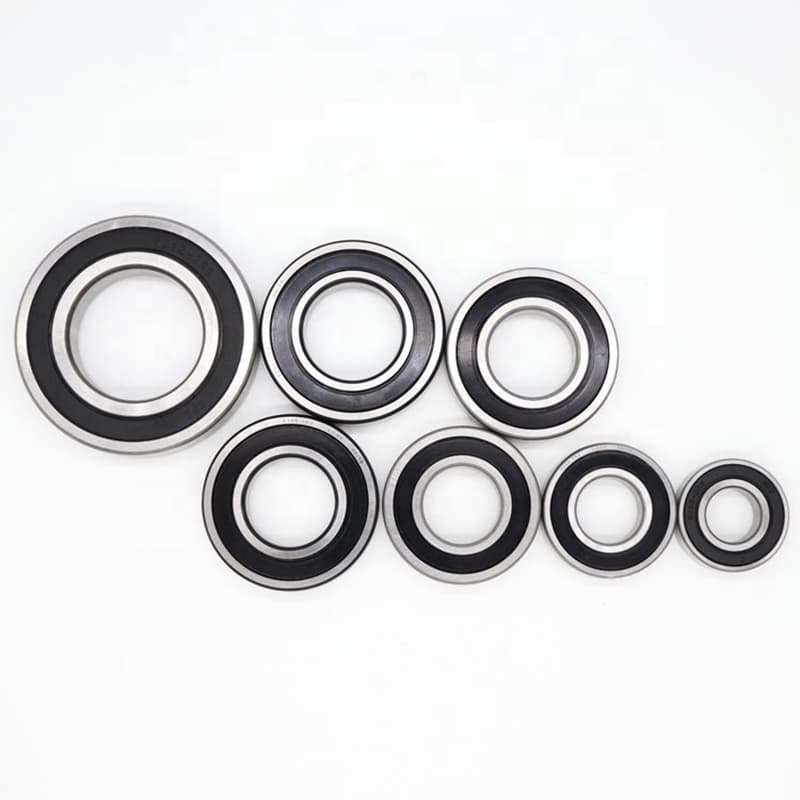
Let me explain the details.
Grease viscosity – thinner is better for high speed. At high speed, the balls move very fast. They need an oil film that forms quickly. Thick oil takes too long to flow back into the contact zone. That causes momentary dry running. Also, thick oil creates churning loss. The bearing fights the oil. That creates heat. For speeds above 5,000 RPM, use ISO VG 68 or lower. For speeds above 10,000 RPM, use ISO VG 32 or 46. Never use ISO VG 150 or 220. They are for low-speed, high-load applications.
Synthetic grease vs. mineral grease. Synthetic base oils (PAO, diester, or polyol ester) have better high-temperature stability. They also have lower friction. For high speed, synthetic is the only choice. Mineral oil will oxidize quickly at high speeds because of the heat. I have seen a mineral grease turn into hard wax after 500 hours at 12,000 RPM. The bearing seized. Synthetic grease lasts much longer.
Grease fill amount. Most people over-grease bearings. For standard applications, 30% fill is good. For high speed, use 10% to 20% fill. Less grease means less churning. Less churning means less heat. Also, a lower fill allows the grease to move away from the balls. At high speed, the grease is thrown to the sides. That is fine. The oil that separates from the thickener is what lubricates. Too much grease just gets in the way. I have seen a bearing filled to 50% run 15°C hotter than the same bearing with 15% fill.
Oil lubrication for very high speed. At speeds above 15,000 RPM, grease may not work well. The grease can separate too fast. Or the thickener can break down. For these speeds, use oil mist or oil-air lubrication. A small amount of oil is sprayed into the bearing. There is no thickener to cause drag. Many high-speed spindles use oil-air systems. But if you are building a simple machine, you may need to stay below 15,000 RPM with grease.
Cage design – the unsung hero. The cage keeps balls apart. At high speed, the cage experiences strong forces. A steel cage is heavy and can rub. Polyamide is good up to about 12,000 RPM. Above that, phenolic is better. Phenolic is made from layers of fabric with resin. It is very strong and light. It also has low friction. For extremely high speed (25,000 RPM+), some bearings use a PEEK cage. PEEK is a high-performance plastic that can handle heat and speed.
Also, look at the cage design. A window-type cage has holes for each ball. A crown-type cage has prongs that hold the balls. Crown cages are lighter and better for high speed. But they are not as strong for shock loads. For low-load high-speed, crown is fine.
Here is a lubrication and cage guide:
| Speed range (RPM) | Grease base oil | Grease fill % | Recommended cage | Notes |
|---|---|---|---|---|
| 3,000 – 6,000 | ISO VG 100 (synthetic) | 20-25% | Polyamide or steel | Standard high‑speed |
| 6,000 – 10,000 | ISO VG 68 (synthetic) | 15-20% | Polyamide | Good range |
| 10,000 – 15,000 | ISO VG 46 (synthetic) | 10-15% | Phenolic | Best with P5 precision |
| 15,000 – 20,000 | ISO VG 32 (synthetic) | 8-12% | Phenolic or PEEK | Consider oil lubrication above 15k |
| Above 20,000 | Oil mist or oil‑air | N/A | [PEEK or special](https://www.schaeffler.com/remotemedien/media/_shared_media/08_media_library/01_publications/schaeffler_2/catalogue_1/downloads_ … ) | Special design needed |
What Common Mistakes Should You Avoid When Selecting Bearings for High Speed?
I see the same mistakes over and over. Buyers pick bearings that are too big. They use the wrong grease. They forget about preload. They ignore balance. These mistakes cost money and time.
The common mistakes are: using bearings that are too large (larger bearings have lower speed limits), using standard steel cages (too heavy), using high-viscosity grease (causes churning and heat), forgetting to add preload (balls skid), and ignoring precision class (imbalance causes vibration). Avoid these and your high-speed bearings will last much longer.
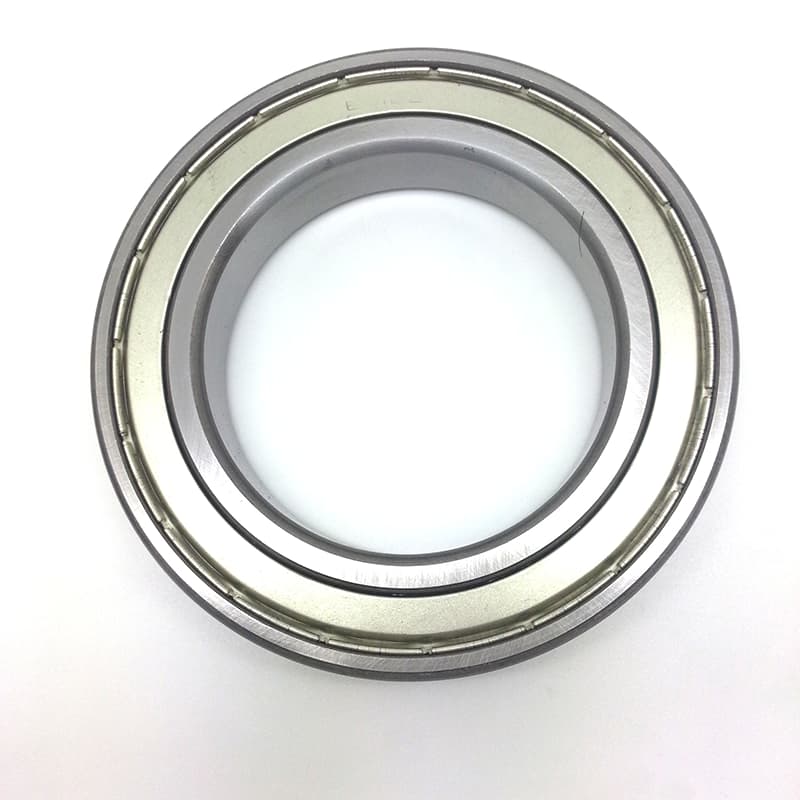
Let me list each mistake and how to avoid it.
Mistake 1: Using a bearing that is too large. Many designers think bigger is stronger. For speed, the opposite is true. A 6204 bearing (20 mm bore) has a speed limit of about 18,000 RPM with grease. A 6004 (same bore but thinner) has a limit of 22,000 RPM. An 6804 (very thin) has a limit of 28,000 RPM. So for high speed, use the smallest cross-section that still handles the load. The load is low anyway. So you can often drop from a 62xx to a 60xx or even 68xx series. The smaller balls and lighter design allow much higher speed.
Mistake 2: Using a steel cage. Steel cages are cheap and strong. But they are heavy. At 10,000 RPM, a steel cage creates more centrifugal force than a polyamide cage. It also has higher friction. I have seen bearings with steel cages run 5°C hotter than the same bearing with a polyamide cage. For any speed above 6,000 RPM, switch to polyamide or phenolic. The cost is only a little higher. The performance gain is big.
Mistake 3: Using standard mineral grease. This is the most common mistake. A buyer buys a bearing from me. They put their own grease in it. They use the grease they have for everything. That grease is often a high-viscosity mineral oil (ISO VG 150 or 220). At high speed, the bearing overheats. The grease melts. The bearing fails. I always ask customers: “What speed will you run?” If they say over 5,000 RPM, I offer to pre-grease the bearing with the right synthetic grease. Or I sell them a tube of the correct grease. Do not guess. Use the right product.
Mistake 4: No preload for low load. At very low loads, the balls can skid. Skidding means the balls slide instead of roll. This creates flat spots. The bearing then makes noise and fails. To prevent skidding, you need a preload. That is a small force that pushes the bearing axially. A wave spring or a coil spring works. The preload should be about 1% to 2% of the dynamic load rating C. For a 6202 (C=7.65 kN), that is 75 to 150 N (7.5 to 15 kg). That is a small force. But it is enough to keep the balls rolling.
Mistake 5: Ignoring precision and balance. At high speed, even tiny imbalance creates big vibration. A P0 bearing has runout up to 13 microns. That may not sound like much. But at 15,000 RPM, that imbalance creates a force. The vibration can loosen screws and cause noise. Use P5 or P4 for speeds above 10,000 RPM. Also, the shaft and housing must be balanced. I have a customer who balanced his spindle rotor but forgot the pulley. The bearing failed in 100 hours. After balancing the whole assembly, the bearings lasted 3,000 hours.
Mistake 6: Using the wrong internal clearance. I already mentioned this. Use C3 or C4. Do not use CN. The heat from high speed will reduce clearance. You need a safety margin.
Here is a mistake checklist:
| Mistake | Why it is bad | What to do instead |
|---|---|---|
| Bearing too large | Lower speed limit, more centrifugal force | Use thinner series (68xx, 69xx, 60xx) |
| Steel cage | Heavy, more friction, more heat | Use polyamide or phenolic cage |
| Mineral grease | Oxidizes, thick, creates churning | Use synthetic low‑viscosity grease |
| No preload | Balls skid, flat spots, noise | Add spring preload (1–2% of C) |
| Low precision (P0) | Imbalance, vibration, heat | Use P5 or P4 for >10,000 RPM |
| CN clearance | Seizure from thermal expansion | Use C3 or C4 clearance |
Conclusion
For high speed with low load, choose a small thin-section bearing, synthetic low-viscosity grease, light cage, high precision, and C3 clearance. Add preload and balance your assembly.