You run a factory near the coast. Or you operate a food plant with constant washdowns. Your bearings keep rusting. You replace them too often.
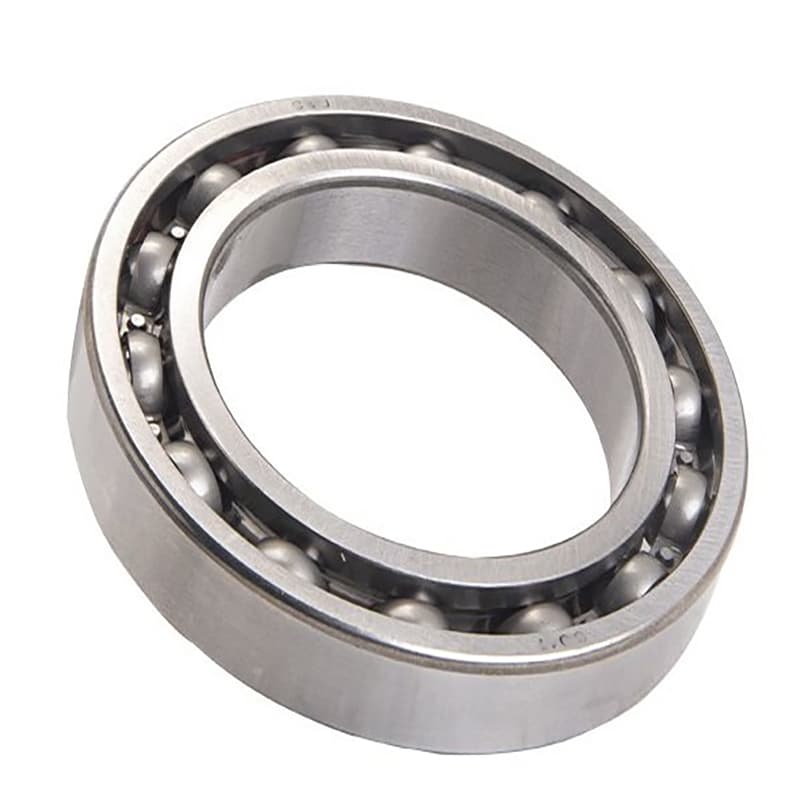
For high-humidity environments, you need deep groove ball bearings with contact rubber seals (2RS), high-viscosity anti-rust grease, and either 440C stainless steel or a special coating. Standard chrome steel bearings will fail quickly when moisture is present.
I have helped buyers in Indonesia, Vietnam, and Brazil pick bearings for their wet conditions. Let me share what works and what does not. You will save money and downtime.
Why Does High Humidity Kill Standard Deep Groove Ball Bearings So Fast?
You might think a little moisture in the air is harmless. But high humidity creates condensation. That condensation sits on the bearing surfaces. Then rust starts.
High humidity kills standard bearings1 because water vapor condenses inside the bearing housing when temperatures change. This liquid water mixes with the grease and attacks the steel. The rust pits the raceways and balls. Then the bearing gets noisy and fails.
The Condensation Cycle – A Hidden Danger
Let me explain what happens inside your machine. The motor or conveyor runs. The bearing gets warm. Then you stop production at night. The bearing cools down. Warm air holds more moisture than cold air. As the bearing cools, the air inside the housing shrinks. It pulls in moist outside air. That air cools further. Water droplets form on the cold steel surfaces.
I saw this in a textile mill in Bangladesh. The mill ran 16 hours a day. Every night, the bearings on the fans cooled down. In the morning, the maintenance team found water dripping from the bearing housings. Their chrome steel 6204 bearings2 rusted in two months.
Here is a table showing how humidity level affects bearing life:
| Average Humidity | Condensation Risk3 | Chrome Steel Bearing Life (6204 size) | Recommended Action |
|---|---|---|---|
| Under 60% | Low | 3-5 years | Standard bearing okay |
| 60-80% | Medium | 1-2 years | Use 2RS seals + good grease |
| 80-95% | High | 3-6 months | Use 2RS seals + stainless or coating |
| Over 95% (condensing) | Very high | 1-8 weeks | Must use stainless or hybrid |
Grease Degradation from Moisture4
Moisture does not just rust the steel. It also destroys the grease. Water causes the grease thickener to break down. The oil separates from the soap. The grease becomes runny or hard. Then it cannot lubricate.
I had a customer in Vietnam with a seafood processing plant. The humidity was always above 90%. He used standard bearings with lithium grease. After one month, the grease turned into a white, watery paste. It had no lubricating value. The bearings overheated and seized.
So the problem is two-fold: rust on the steel and grease failure. You must solve both.
Which Seal Type – ZZ, 2RS, or Special – Keeps Moisture Out Best?
Seals are your first defense against humidity. But not all seals work the same. You need a seal that blocks water vapor and liquid water.
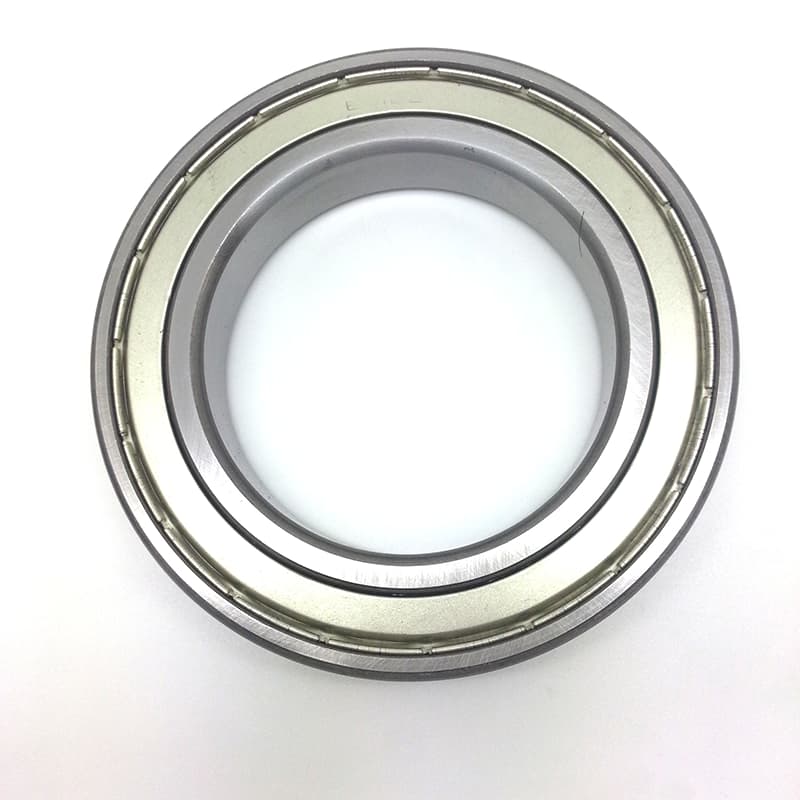
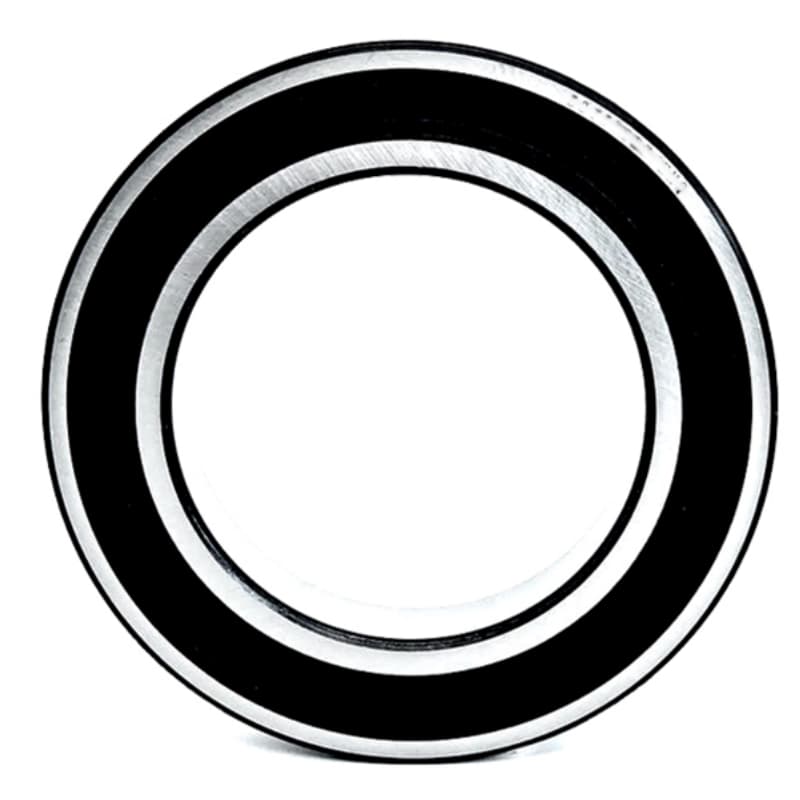
2RS (two rubber contact seals)1 keeps moisture out best for most high-humidity applications. ZZ metal shields2 leave a gap that water vapor can pass through. For extreme moisture, add external labyrinth seals3 or use bearings with triple-lip seals4.
ZZ Metal Shields – Not Enough for Humidity
ZZ bearings have two metal shields. There is a small gap (about 0.2-0.3 mm) between the shield and the inner ring. This gap stops large dust particles. But water vapor goes right through. Liquid water can also sneak in if the bearing gets splashed.
I remember a customer in India who used ZZ bearings on agricultural fans. The fans sat in humid air. After six months, he opened a bearing. The grease was brown and rusty. The raceway had pitting. He switched to 2RS bearings. The rust stopped.
Here is a seal comparison for humidity:
| Seal Type | Gap Size | Water Vapor Protection | Liquid Water Protection | Speed Limit | Best Use |
|---|---|---|---|---|---|
| ZZ (metal shield) | 0.2-0.3 mm | Poor | Poor | High | Dry, clean indoor |
| 2RS (rubber contact) | None (touches inner ring) | Good | Good | Medium | Humid, light splash |
| 2RS with steel insert | None | Very good | Very good | Medium | High humidity + dust |
| Triple-lip (special) | None | Excellent | Excellent | Low | Constant water spray |
Why 2RS Works Better for Humidity
The rubber seal lip presses against the inner ring. This creates a barrier. Water vapor has a hard time getting past. Liquid water cannot enter unless the pressure is very high. The seal also keeps the grease inside. That grease stays clean and dry.
I tested this in my own workshop. I took two 6204 bearings – one ZZ and one 2RS. I put them in a humidity chamber at 95% RH for 30 days. The ZZ bearing had rust on the inner ring and balls. The 2RS bearing had no rust at all. The seals made the difference.
When You Need More Than 2RS
For very wet environments – like a car wash or a food washdown line – 2RS might still leak over time. The constant water spray can push past the seal lip. In that case, add external protection. Use a housing with a labyrinth seal. Or add a felt ring outside the bearing.
I had a customer in Russia with a potato washing line. Water sprayed directly onto the bearing housings. 2RS bearings lasted only three months. We added a rubber boot over the housing. The boot kept off the direct spray. The bearings then lasted 18 months.
So start with 2RS. Add more protection if needed.
What Grease and Lubricant Should You Use for Humid Conditions?
You cannot use any grease in high humidity. The wrong grease will absorb water and turn into a mess. The right grease will protect both the bearing and itself.
For high-humidity environments, use a grease with calcium sulfonate1 or aluminum complex thickener. These thickeners resist water washout. Also choose a grease with high base oil viscosity2 (ISO VG 150-320) and strong rust inhibitors3.
Thickener Types – The Most Important Choice
The thickener is the sponge that holds the oil. In wet conditions, some thickeners absorb water and break down. Others repel water.
Here is a table of common thickeners and their water resistance:
| Thickener Type | Water Washout Resistance | Water Absorption | Recommended for Humidity |
|---|---|---|---|
| Lithium soap | Poor (over 20% loss) | High | No |
| Lithium complex | Medium (10-15% loss) | Medium | Low humidity only |
| Calcium sulfonate | Excellent (under 5% loss) | Very low | Yes – best choice |
| Aluminum complex | Excellent (under 5% loss) | Very low | Yes |
| Polyurea | Good (5-10% loss) | Low | Yes, for higher speeds |
I have tested many greases in humid conditions. Calcium sulfonate is my top recommendation for most customers. It handles water better than any other. It also has natural extreme pressure properties.
A customer in Indonesia ran a palm oil mill. The humidity was always high. He used lithium grease. His bearings rusted and the grease turned into a watery sludge. We switched to calcium sulfonate grease from a good brand. The grease stayed thick and yellow. The bearings lasted three times longer.
Base Oil Viscosity – Thicker Is Better for Wet Conditions
High humidity often goes with lower speeds. So you can use a thicker oil. Thicker oil creates a stronger film. That film keeps water away from the metal surfaces.
Look for ISO VG 150 to 320. For very slow machines (under 500 rpm), go to VG 460.
Here is a viscosity guide:
| Machine Speed | Recommended ISO VG | Example Grease Grade |
|---|---|---|
| Over 3,000 rpm | VG 68-100 | NLGI 2 with PAO oil |
| 1,000 – 3,000 rpm | VG 100-150 | NLGI 2 with mineral oil |
| 200 – 1,000 rpm | VG 150-220 | NLGI 2 with high viscosity |
| Under 200 rpm | VG 220-460 | NLGI 2 or 3 |
Rust Inhibitors – The Extra Protection
Even the best grease cannot keep out all moisture. That is why you need rust inhibitors in the grease. Look for these additives:
- Barium sulfonate or calcium sulfonate (already in some thickeners)
- Zinc dithiophosphate
- Amine phosphates
These additives form a chemical layer on the steel. That layer stops rust even if water gets through.
I always ask my grease supplier for the ASTM D1743 rust test4 result. That test tells you how well the grease prevents rust. Pass is good. Pass with distilled water is better. For high humidity, demand a grease that passes with synthetic sea water.
So do not cheap out on grease. The right grease costs a little more. It saves you many bearing replacements.
Chrome Steel, Stainless Steel, or Coated Bearings – Which One Wins?
You have three material choices for high humidity1. Each has a place. Let me help you pick.
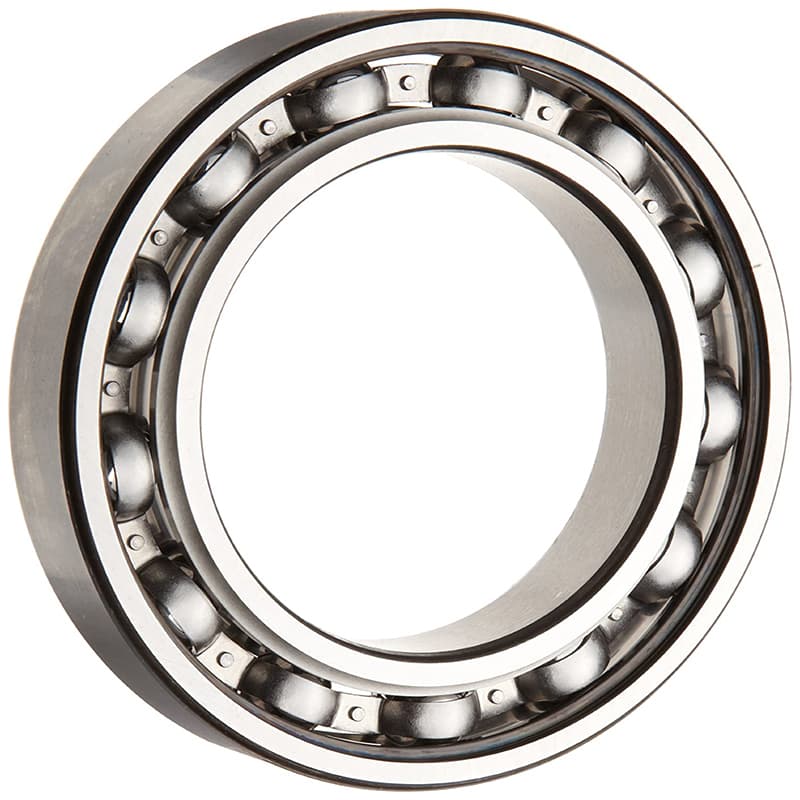
For high humidity without liquid water, chrome steel2 with 2RS seals and good grease often works. For constant moisture or washdowns, choose 440C stainless3 steel. For salt water or chemicals, choose 316 stainless4. Coated bearings (zinc or manganese phosphate) are a middle option.
[^5] for high humidity](https://sdycbearing.com/wp-content/uploads/2025/12/Deep-Groove-Ball-Bearing-39.jpg)
Chrome Steel – The Budget Choice for Mild Humidity
Chrome steel (GCr15) is cheap and strong. It handles high loads. But it rusts. In high humidity, it will rust eventually. However, if you have good 2RS seals and a water-resistant grease, chrome steel can survive.
I have a customer in Brazil who uses chrome steel 6206 bearings on exhaust fans. The humidity is 80-90%. But the fans run 24/7. They never cool down. So no condensation forms. The bearings last two years. He saves money by not buying stainless.
So chrome steel works when:
- The machine runs continuously (no cooldown cycle)
- You have excellent 2RS seals
- You regrease regularly with water-resistant grease
- There is no liquid water
440C Stainless – The Best Balance for Most Humid Applications
440C stainless has good hardness (HRC 58-60) and good corrosion resistance. It costs about 3-4 times more than chrome steel. But it lasts much longer in wet conditions.
I had a customer in Vietnam with a coffee processing line. The line got washed every day. Chrome steel bearings lasted 2 months. 440C stainless with 2RS seals lasted 14 months. The stainless cost $12 instead of $3. But he saved 7 bearing changes5. That was worth it.
Here is a decision table:
| Environment | Chrome Steel | 440C Stainless | 316 Stainless | Coated Chrome Steel |
|---|---|---|---|---|
| 70-80% humidity, no liquid | Good | Very good | Overkill | Good |
| 80-95% humidity, occasional condensation | Fair | Good | Very good | Fair |
| Frequent water splash | Poor | Good | Very good | Poor |
| Constant water spray | Very poor | Fair | Good | Very poor |
| Salt water or sea air | Extremely poor | Poor | Good | Extremely poor |
| Chemical vapors (mild) | Poor | Good | Very good | Poor |
Coated Bearings – A Middle Option
Some manufacturers offer chrome steel bearings with a coating. Zinc phosphate, manganese phosphate, or black oxide. These coatings add some corrosion resistance. They cost about 1.5-2 times more than uncoated chrome steel.
I have used coated bearings in a bakery. The humidity was high from steam ovens. The coated bearings lasted 8 months. Uncoated lasted 4 months. Stainless would have lasted 18 months but cost 4 times more. The coated bearings were a good middle choice.
But be careful. Coatings can wear off over time. The coating does not protect the raceways if the balls roll through it. So coated bearings are not as good as stainless for long-term wet exposure.
My Simple Rule for Buyers
Ask yourself three questions:
- Is there liquid water touching the bearing? If yes, go to stainless (440C or 316).
- Does the machine stop every day and cool down? If yes, go to stainless or coated.
- What is your budget for downtime? High downtime cost = invest in stainless.
For most of my customers in high-humidity countries like Indonesia, Philippines, and Vietnam, I recommend 440C stainless as the safe choice. It costs more upfront. It costs less in the long run.
Conclusion
For high humidity, pick 2RS seals, calcium sulfonate grease, and 440C stainless steel. That combination stops rust and saves you money.
-
Understand the impact of humidity on different types of bearings and how to choose the right one. ↩ ↩ ↩ ↩
-
Learn about the performance of chrome steel bearings in humid environments and their cost-effectiveness. ↩ ↩ ↩ ↩
-
Explore the advantages of 440C stainless steel bearings for durability and corrosion resistance in humid conditions. ↩ ↩ ↩ ↩
-
Find out when 316 stainless steel bearings are the best choice for extreme humidity and chemical exposure. ↩ ↩ ↩ ↩
-
Get insights on strategies to minimize bearing changes and maintenance costs in high humidity applications. ↩