
You buy a high-quality bearing. You install it carefully. Six months later, it fails. The sound comes first. Then the heat. Then the machine stops. This story is too common.
Regular re-greasing is critical because grease is the lifeblood of a bearing. It separates metal surfaces, reduces friction, and prevents corrosion. Without fresh grease, the bearing runs dry and fails quickly.
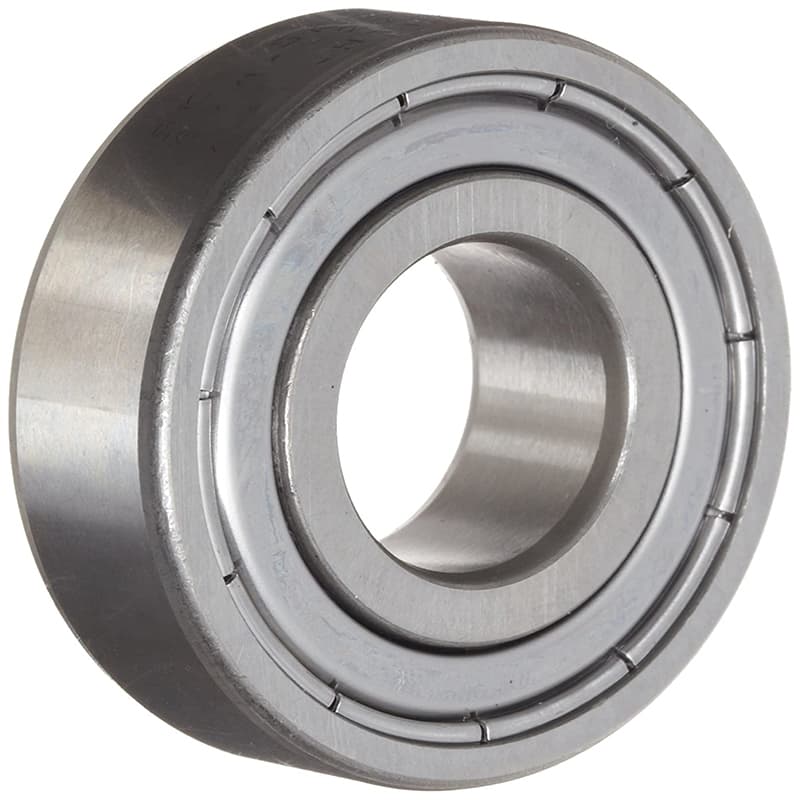
I have seen this happen too many times. A factory buys good bearings. They spend money on quality. But they forget one simple thing. The grease needs attention. Let me walk you through the common problems, the right schedule, and the mistakes to avoid.
What is the problem with deep groove ball bearings1?
I had a client in Egypt. He called me upset. His bearings were failing every few months. He blamed the bearings. But when I looked, the problem was not the bearing. It was the grease.
The problem with deep groove ball bearings is that they are often treated as "fit and forget" components. People assume they will run forever without maintenance. This assumption leads to lubrication starvation2, contamination3, and premature failure.
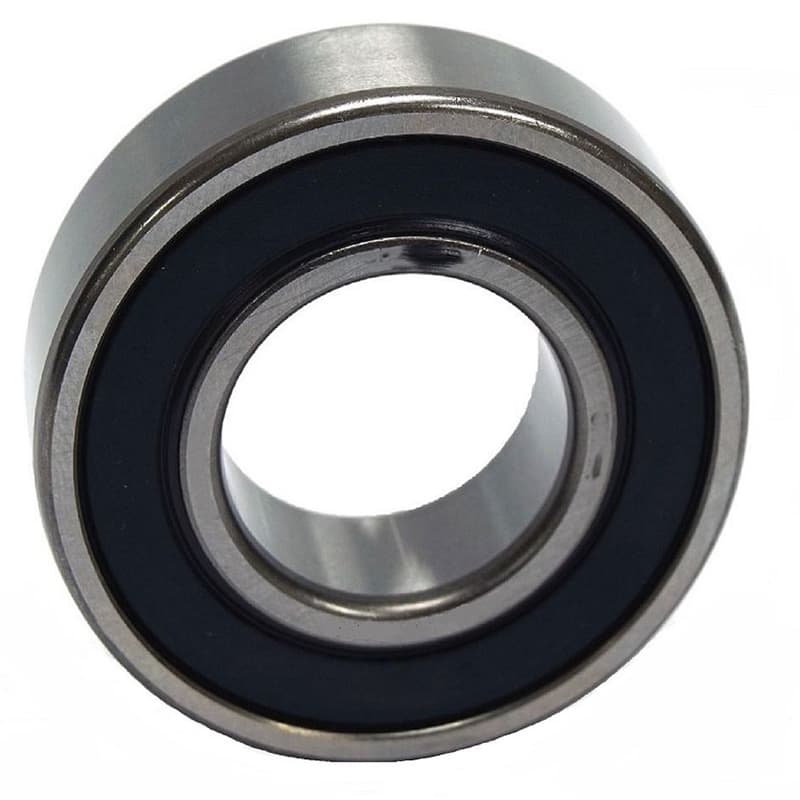
Let me explain what really happens inside a bearing over time. It is not complicated. But it is important.
The Life Cycle of Grease
Grease does not last forever. It has a limited life. Three things happen as grease ages.
-
Oil Separation: Grease is made of oil, thickener, and additives. Over time, the oil separates from the thickener. The oil does the actual lubricating. When it separates, the bearing loses its protection.
-
Oxidation: Heat and oxygen cause grease to oxidize. Oxidized grease becomes hard and crusty. It loses its ability to flow. It also becomes acidic, which can attack the bearing surfaces.
-
Contamination: Dirt, dust, and moisture find their way into the bearing. The grease traps these contaminants. Over time, the grease becomes a grinding paste instead of a lubricant.
What Happens When Grease Fails
When the grease stops working, the bearing suffers.
- Metal-to-Metal Contact: Without the oil film, the balls and raceways touch directly. This creates friction and heat.
- Wear: The metal surfaces start to wear down. You get increased clearance and noise.
- Seizure: In extreme cases, the bearing locks up completely. This can damage the shaft and housing.
Why People Ignore Re-Greasing
I have asked many clients why they do not re-grease. Here are the common answers.
- "I did not know it needed grease."
- "The bearing is sealed. I thought it was maintenance-free."
- "We do not have a schedule."
- "It is hard to reach."
These are honest answers. But they lead to failure.
Sealed Bearings Are Not Maintenance-Free
This is a big misunderstanding. Many people think a rubber-sealed bearing (2RS) never needs attention. That is not true.
- Sealed bearings are designed to keep grease in and dirt out for a period.
- But the grease still ages. It still oxidizes.
- In harsh environments, sealed bearings still need replacement on a schedule.
A Simple View of Grease Life
| Factor | What Happens | Result |
|---|---|---|
| Time | Oil separates, thickener hardens | Loss of lubrication |
| Heat | Oxidation accelerates | Grease hardens, becomes acidic |
| Contamination | Dirt and moisture mix in | Abrasive wear, corrosion |
| Operation | Continuous shearing breaks down grease | Reduced effectiveness |
The problem is not the bearing. The problem is neglect. Regular re-greasing4 solves this problem. It is simple. But it requires discipline.
How often should you grease ball bearings?
A client in Brazil asked me this question. He had a line of mixers. Some bearings lasted years. Some failed in months. He was using the same grease schedule for all. That was the mistake.
There is no single answer for how often to grease ball bearings. The interval depends on speed, temperature, load, and environment. A general rule is to re-grease every 3 to 6 months for normal conditions. But you must adjust based on your specific application.
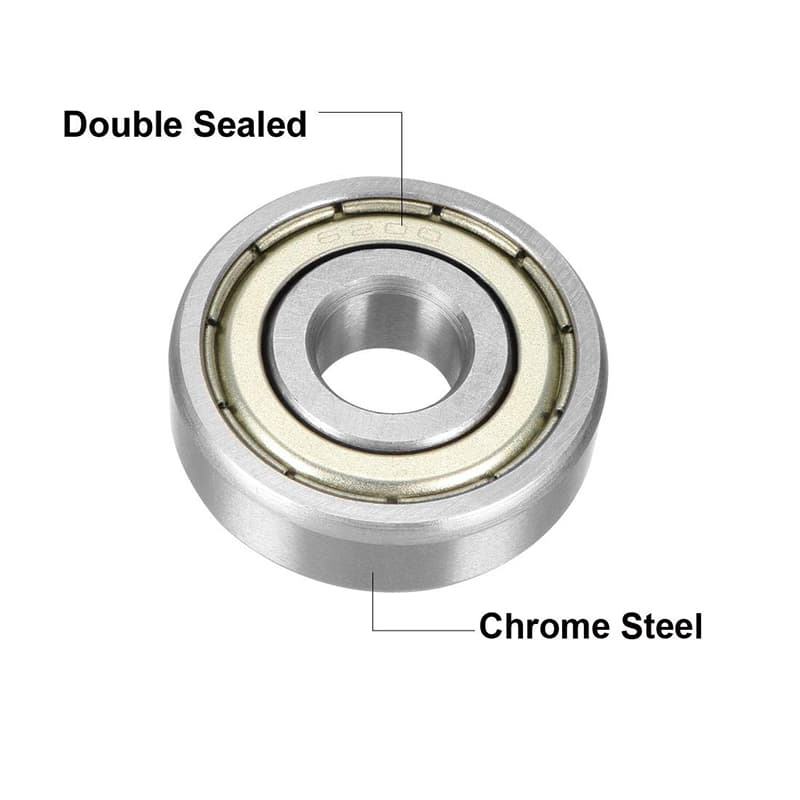
Let me give you a framework to figure out the right schedule for your machines.
The Factors That Control Grease Life
You cannot use one schedule for everything. You need to look at these factors.
-
Operating Speed1: Higher speed generates more heat. Heat kills grease faster. High-speed bearings need more frequent re-greasing.
-
Operating Temperature2: Every 15°C above 70°C cuts grease life in half. If your bearing runs at 100°C, you need to re-grease much more often.
-
Load3: Heavy loads squeeze the grease out of the contact zone. This accelerates the need for fresh grease.
-
Environment4: Dust, moisture, and chemicals contaminate grease. Harsh environments require shorter intervals.
-
Bearing Size: Larger bearings hold more grease. They can go longer between re-greasing. Small bearings need more frequent attention.
A Starting Point for Grease Intervals
Here is a simple table I share with my clients. It is a starting point. You adjust from there.
| Application Type | Typical Speed | Environment | Suggested Interval |
|---|---|---|---|
| Electric Motors | High | Clean | 6–12 months |
| Pumps | Medium | Clean to moderate | 6 months |
| Mixers | Low to medium | Moderate to harsh | 3–6 months |
| Conveyors | Low | Dusty | 3 months |
| High-Temperature | Varies | Hot | Weekly to monthly |
How to Calculate Grease Quantity5
Getting the right amount is as important as getting the right schedule. Too little grease leads to starvation. Too much grease leads to overheating.
I use this simple formula for a starting point.
G = D × B
Where:
- G = Grease quantity in grams
- D = Bearing outer diameter in millimeters
- B = Bearing width in millimeters
For example, a bearing with 100mm outer diameter and 50mm width needs about 5 grams of grease. That is just a starting point. You adjust based on speed and other factors.
Signs You Need to Adjust Your Schedule
Your schedule should not be fixed forever. You need to watch for signs.
- Too Long: The bearing runs hot. You hear noise. The grease is hard and dark.
- Too Short: You see grease leaking everywhere. The bearing runs hot from too much grease.
- Just Right: The bearing runs at normal temperature. The grease looks clean when you check.
Practical Advice from the Factory
At FYTZ Bearing, we see clients who succeed with grease schedules. They have one thing in common. They keep records. They write down when they greased each bearing. They note how much they used. They check temperatures.
I recommend you start with a conservative schedule. Grease every three months. Check the condition of the old grease when you clean the fitting. If it looks good, you can extend the interval. If it looks bad, shorten it.
Do deep groove ball bearings need preload1?
A distributor from Turkey called me. He had a customer with a high-speed spindle. The bearings kept failing. He asked me if they needed preload. The answer was not simple.
Deep groove ball bearings2 generally do not need preload in standard applications. They are designed to run with internal clearance. However, in high-speed or precision applications, preload can improve stiffness and reduce noise. But preload must be applied carefully.
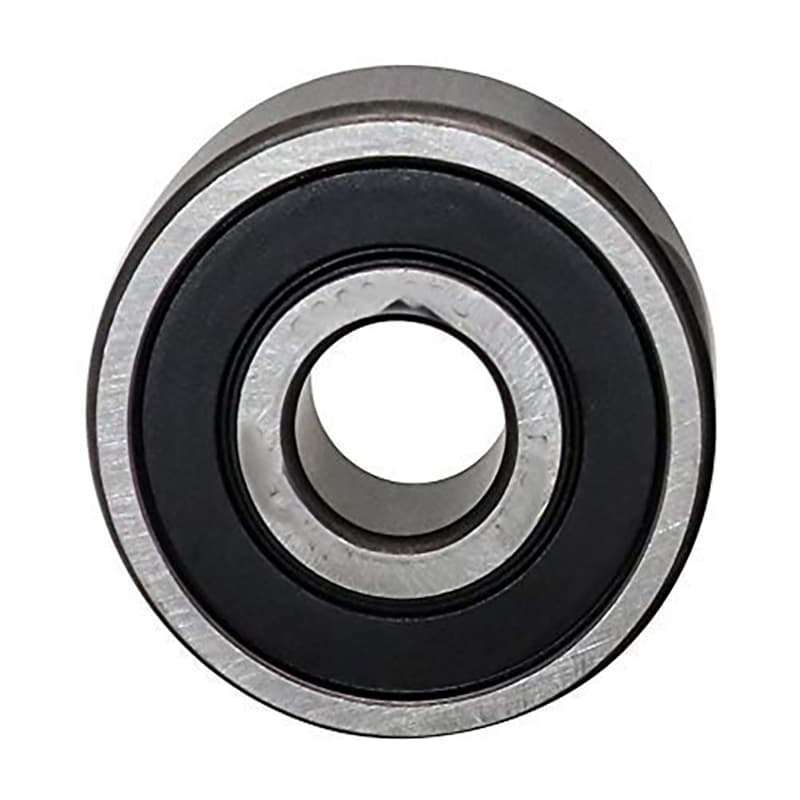
Let me explain what preload is, when to use it, and when to avoid it.
What Is Preload?
Preload is a constant axial force applied to a bearing. It removes internal clearance. It makes the bearing "tight" even when there is no external load.
- Without preload: The bearing has some internal clearance. The balls can move slightly between the raceways.
- With preload: The balls are pressed firmly against the raceways. There is no movement inside the bearing.
When Preload Is Useful
Preload has real benefits in some applications.
- Improved Stiffness: The shaft does not move under load. This is important for machine tools and precision equipment.
- Reduced Noise: With no internal movement, the bearing runs quieter.
- Better Accuracy: The shaft position is fixed. This improves machining accuracy.
- Extended Life: In some high-speed applications3, preload prevents ball skidding, which can damage the bearing.
When Preload Is Harmful
Preload is not a universal solution. It can cause problems.
- Increased Heat: Preload creates constant friction. This generates heat. Too much preload causes overheating.
- Reduced Speed Capacity: A preloaded bearing cannot run as fast as a bearing with clearance.
- Shorter Life: Excessive preload increases stress on the balls and raceways. This leads to fatigue failure.
- Installation Difficulty: Achieving the correct preload is not easy. It requires precision assembly.
How Preload Is Applied
There are two main methods to apply preload.
-
Fixed Preload: Two bearings are mounted back-to-back or face-to-face. They are clamped together. The preload is set by the distance between the inner and outer rings.
-
Spring Preload: A spring applies constant force to the bearing. This is simpler and more forgiving. It works well for applications with temperature changes.
Preload Considerations Table
| Factor | Without Preload | With Preload |
|---|---|---|
| Internal Clearance | Present | Removed |
| Stiffness | Standard | High |
| Heat Generation | Low | Higher |
| Speed Capability | Standard | Reduced |
| Noise | Standard | Lower |
| Application | General purpose | Precision, high-speed spindles |
My Advice on Preload
For most industrial applications, you do not need preload. Standard deep groove ball bearings with normal clearance work perfectly. They are designed for this.
If you have a high-speed application or a precision machine, consider preload. But do it correctly. Use matched bearing sets from a reliable manufacturer. At FYTZ Bearing, we can provide matched bearings with factory-set preload. This takes the guesswork out of installation.
The most important thing is to understand your application. If you are not sure, start with standard bearings. Monitor the performance. Then decide if preload is necessary.
Why is over greasing a bearing1 bad?
I saw this happen in a factory in India. The maintenance team believed more grease was better. They filled every bearing until grease came out everywhere. The bearings ran hot. They failed quickly. They blamed the bearings.
Over greasing a bearing is bad because it creates excessive heat and pressure. Too much grease churns inside the bearing. This churning generates heat. The heat breaks down the grease and can damage the seals. Eventually, the bearing runs hotter than it would with too little grease.
[^2]](https://sdycbearing.com/wp-content/uploads/2025/12/Deep-Groove-Ball-Bearing-57.jpg)
Let me explain why this happens and how to avoid it.
The Physics of Too Much Grease
When you add grease to a bearing, the balls and cage have to push through it. This is called churning.
- Churning Friction: The grease resists movement. The bearing has to work harder. This creates heat.
- Heat Builds: As heat increases, the grease starts to oxidize. Oxidized grease loses its lubricating properties.
- Pressure Rises: Too much grease creates internal pressure. This pressure can push past the seals.
What Happens to the Seals
Seals are designed to keep grease in and dirt out. They have limits.
- Lip Damage: The pressure from excess grease can push the seal lip away from the inner ring. This creates a gap. Grease leaks out. Dirt gets in.
- Spring Displacement: Many seals have a spring that holds the lip against the shaft. Excess pressure can displace this spring. The seal no longer functions.
The Temperature Problem
Temperature is the real enemy. Let me give you a simple example.
- A properly greased bearing might run at 60°C.
- An over-greased bearing in the same application might run at 80°C.
- At 80°C, grease life is cut in half compared to 60°C.
You are actually reducing bearing life by adding too much grease. It is the opposite of what you want.
How Much Grease Is Correct?
I already mentioned the formula earlier. But let me give you more practical guidance.
For standard applications, fill the bearing cavity to about 30% to 50% of the free space. Do not fill it completely.
Here is a simple rule I use.
- Low Speed: 50% to 60% fill
- Medium Speed: 30% to 40% fill
- High Speed: 20% to 30% fill
Signs of Over Greasing
You can spot over greasing without taking the bearing apart.
- Grease Leakage: If grease is constantly leaking out of the seals, you are adding too much.
- High Operating Temperature: If the bearing runs hotter than normal after greasing, you added too much.
- Blown Seals: If the seals are pushed out or damaged, over greasing is the likely cause.
Common Over Greasing Mistakes
| Mistake | What Happens | Better Approach |
|---|---|---|
| Greasing until grease comes out | Seal damage, overheating | Use calculated quantity |
| Greasing too frequently | Accumulation of excess grease | Follow a schedule based on conditions |
| Using a high-pressure gun carelessly | Seal displacement | Use a manual gun with control |
| Ignoring temperature rise after greasing | Undetected problem | Check temperature after greasing |
My Practical Advice
At FYTZ Bearing, we see the damage from over greasing often. I always tell clients the same thing. Less is more when it comes to grease.
Use a grease gun with a meter. Know how much you are adding. Check the bearing temperature after greasing. If it goes up, you added too much.
If you are using sealed bearings, do not try to add grease. Just replace them on a schedule. Sealed bearings are designed to run their full life with the factory grease.
Conclusion
Regular re-greasing is simple but critical. Use the right amount at the right time. Avoid over greasing. Pay attention to your application. Your bearings will last much longer.
-
Understanding the consequences of over greasing can help prevent costly mistakes in maintenance. ↩ ↩ ↩ ↩
-
Identifying grease leakage early can save you from more significant issues and costly repairs. ↩ ↩ ↩
-
Discover the unique challenges faced in high-speed applications, helping you make informed decisions for your projects. ↩ ↩ ↩
-
Explore how different environmental conditions can dictate grease intervals, ensuring optimal performance. ↩ ↩
-
Find out the best practices for grease quantity to avoid overheating or starvation of your bearings. ↩