
You have seen bearings fail. You have dealt with downtime. The old ways work, but they have limits. Now, the industry is changing fast.
Deep groove ball bearings are evolving to meet new demands. The future brings smarter materials, digital monitoring, advanced manufacturing, and sustainable practices. These trends will make bearings last longer, work harder, and tell you when they need help.
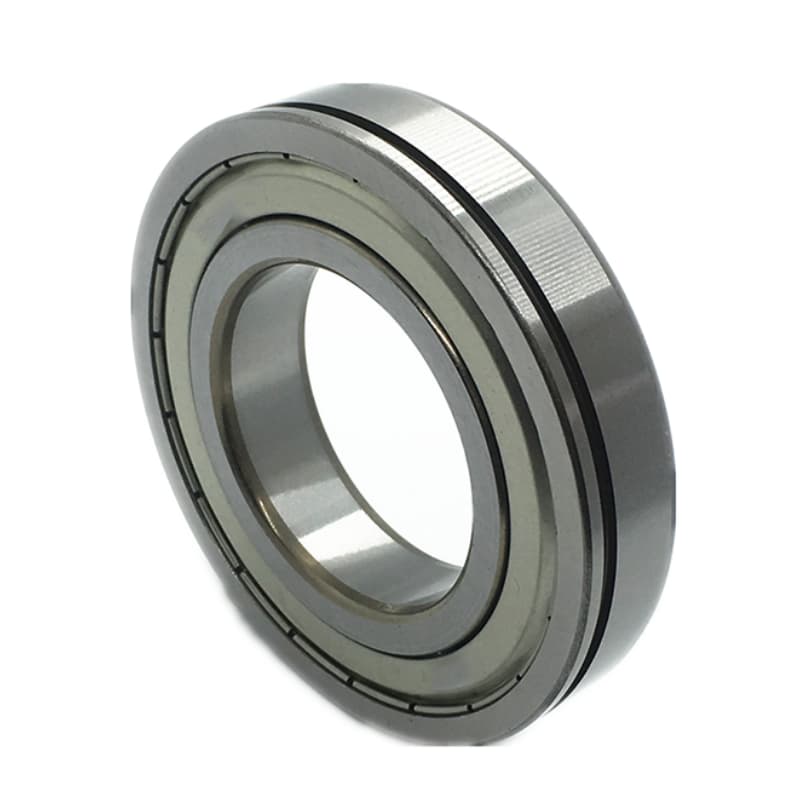
I have been in this business for years. I have seen bearing designs stay the same for a long time. But now, things are moving. New technologies are entering our factories. I want to share what I see coming. These trends will affect how you choose bearings for your customers.
How Is Advanced Material Science Redefining Bearing Performance?
I remember a client who asked me for a bearing that could handle both high temperature and chemical exposure. Ten years ago, I had limited options. Today, the story is different.
Advanced material science1 is redefining bearing performance by introducing new steel alloys, ceramic composites, and surface engineering. These materials allow bearings to run faster, handle higher temperatures, and resist corrosion better than ever before.
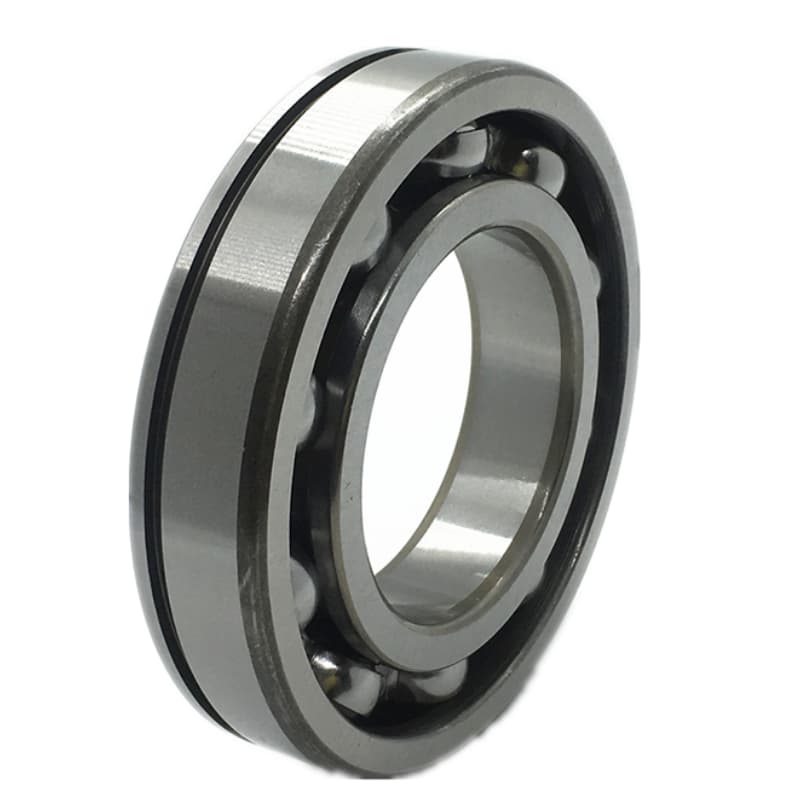
Let me break down what is happening in material science. This is not just academic. These changes will directly impact the bearings you buy and sell.
New Steel Alloys for Extreme Conditions
For decades, we used the same basic steel for most bearings. GCr15 was the standard. It worked well. But it has limits.
Now, manufacturers are developing new steel grades with specific properties.
- High‑Temperature Steels2: These alloys keep their hardness even at 300°C or more. Standard steel loses hardness at high temperatures. That leads to deformation and failure.
- Corrosion‑Resistant Steels3: New stainless steel grades go beyond 440C. They offer better resistance to specific chemicals without sacrificing load capacity.
- Ultra‑Clean Steel4s: The steelmaking process removes more impurities. Fewer inclusions mean longer fatigue life. The steel is simply stronger.
Ceramic and Hybrid Bearings5
I talked about ceramic in the chemical pump article. But the trend is growing beyond chemical applications.
- Silicon Nitride (Si3N4): This is the leading ceramic material. It is light, hard, and resists heat.
- Hybrid Bearings: Steel rings with ceramic balls. This combination gives you the best of both worlds. The ceramic balls reduce friction. They also prevent electrical current damage in electric motors.
- Full Ceramic: For the most demanding applications, full ceramic bearings are becoming more common. They are inert, non‑magnetic, and can run without lubrication in some cases.
Surface Engineering and Coatings
Sometimes, you do not need to change the whole material. You just need to change the surface.
- Black Oxide Coatings: This is an old technology getting new attention. Black oxide helps retain lubricant and prevents corrosion.
- DLC (Diamond‑Like Carbon) Coatings6: These coatings are extremely hard and slick. They reduce friction dramatically. They also protect against wear and corrosion.
- Specialized Plating: Chrome plating, silver plating, and other coatings can solve specific problems like fretting or galvanic corrosion.
A Look at Material Trends
| Material Type | Key Benefit | Best Application | Future Outlook |
|---|---|---|---|
| Ultra‑Clean Steel | Longer fatigue life | High‑load, high‑speed | Becoming standard |
| High‑Temp Steel | Maintains hardness at heat | Ovens, engines, turbines | Growing demand |
| Hybrid Ceramic | Low friction, no electrical damage | Electric motors, high speed | Rapid adoption |
| Full Ceramic | Chemical inert, no lube needed | Extreme environments | Niche but growing |
| DLC Coatings | Extreme low friction | Precision applications | Expanding use |
The trend is clear. We are moving away from one‑material‑fits‑all. The future is about matching the exact material to the exact application. At FYTZ Bearing, we are already seeing this shift. Clients ask for specific steel grades and coatings. They want bearings designed for their specific problem, not a generic solution.
What Role Will Smart Bearings and IoT1 Play in Predictive Maintenance?
I visited a factory last year. They had a bearing fail on a critical machine. No one knew until the machine stopped. That cost them a full day of production. I thought, what if the bearing could have warned them?
Smart bearings2 and IoT will enable predictive maintenance by embedding sensors directly into the bearing. These sensors monitor temperature, vibration, and load in real time. They send data to a central system. That system tells you when a bearing needs attention before it fails.
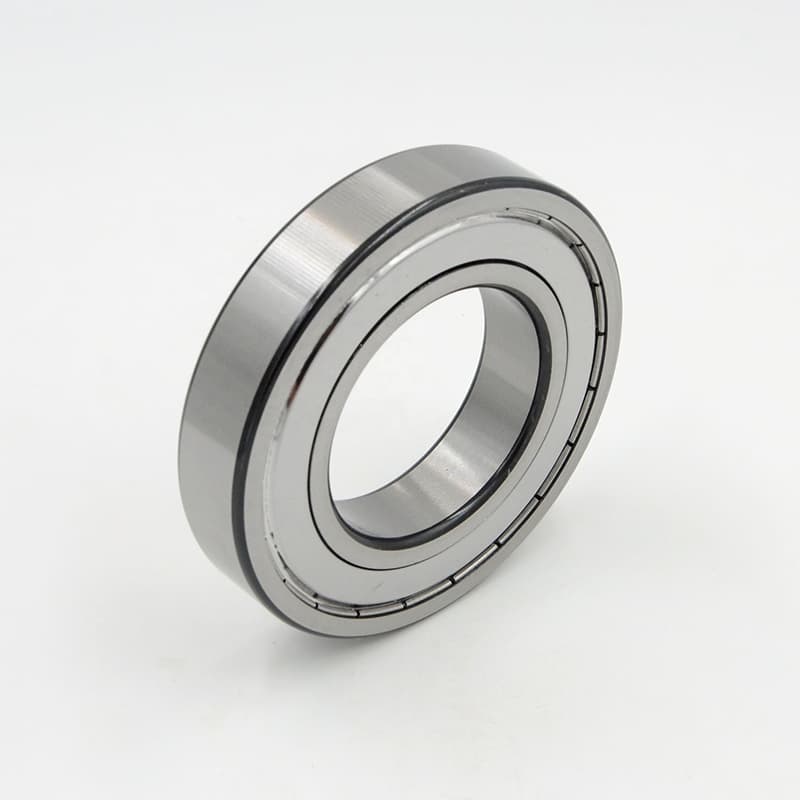
This is not science fiction. It is happening now. Let me explain how this technology works and why it matters for your business.
What Makes a Bearing "Smart"?
A smart bearing is a standard bearing with integrated sensing capabilities. The sensors are built into the bearing itself.
- Vibration Sensors3: These detect small changes in vibration patterns. Unusual vibration often means a problem is starting.
- Temperature Sensors: Heat is a clear sign of trouble. The sensor tracks temperature in real time.
- Load Sensors: Some advanced bearings can measure the actual load on the bearing. This helps optimize machine performance.
How IoT Connects the Data
The sensors alone are not enough. The data needs to go somewhere.
- Wireless Transmission: The bearing transmits data via Bluetooth, Wi-Fi, or other wireless protocols.
- Edge Computing: A local device processes the data immediately. It can trigger alerts without waiting for cloud analysis.
- Cloud Platforms: Data goes to the cloud for long‑term analysis. Machine learning algorithms spot patterns that humans might miss.
The Shift to Predictive Maintenance
This is the real value. Traditional maintenance comes in two forms.
- Reactive Maintenance: Fix it when it breaks. This leads to unplanned downtime.
- Preventive Maintenance: Change bearings on a schedule. This wastes time and money if the bearing still has life left.
Smart bearings enable predictive maintenance.
- You change bearings only when they need it.
- You avoid unexpected failures.
- You can plan maintenance during scheduled downtime.
What This Means for Distributors and Importers
As a bearing distributor, you need to pay attention to this trend.
- New Product Category: Smart bearings will become a separate product line. You need to understand how they work to sell them.
- Higher Value: Smart bearings cost more. But they offer more value. Your customers save money on downtime and unnecessary maintenance.
- Technical Support: You will need to provide more technical support. Your customers will ask how to integrate these bearings into their systems.
A Simple View of Smart Bearing Benefits
| Benefit | How It Works | Real‑World Impact |
|---|---|---|
| Early Warning | Sensors detect vibration changes | Fix problems before failure |
| Condition Monitoring | Continuous data on temperature and load | Know the health of every bearing |
| Optimized Maintenance | Replace only when needed | Lower maintenance costs |
| Data Insights | Patterns across multiple machines | Improve overall equipment efficiency |
I believe smart bearings will become standard in the next five to ten years. At FYTZ Bearing, we are preparing for this shift. We are working with sensor manufacturers to offer integrated solutions. The factories that adopt this early will have a real advantage.
How Are Additive Manufacturing and New Heat Treatments Changing Production?
I grew up in this industry. I learned that making a bearing required massive steel tubes, cutting, grinding, and heat treatment. The process was long and fixed. Now, I see new methods that challenge everything I learned.
Additive manufacturing1 and new heat treatments are changing production by enabling complex geometries and more precise material properties. 3D printing2 allows custom cage designs and small batch production. Advanced heat treatment3s create tailored hardness profiles that improve performance.
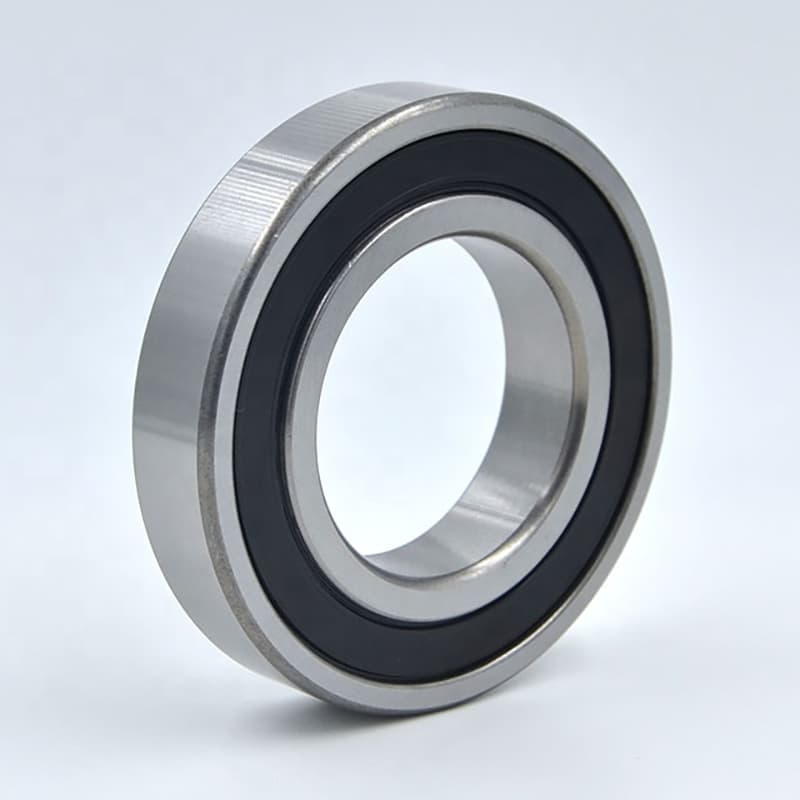
Let me walk you through what is changing on the production floor.
Additive Manufacturing for Bearings
Most people think 3D printing is for plastic prototypes. But metal 3D printing is advancing fast.
- Complex Cage Designs: The cage holds the balls in place. 3D printing allows shapes that are impossible with traditional machining. This can reduce weight and improve lubrication flow.
- Small Batch Production: Traditional bearing manufacturing requires large minimum orders. Tooling costs are high. With 3D printing, you can make small batches economically. This is perfect for custom bearings or prototypes.
- Customized Features: Need a specific lubrication groove? A unique mounting feature? 3D printing can add these without extra tooling.
Advanced Heat Treatment
Heat treatment is the process that gives steel its hardness. Traditional methods are batch processes. The whole bearing gets the same treatment.
New methods are changing this.
- Case Hardening: This creates a hard outer surface with a tough inner core. The bearing resists wear on the surface but absorbs shock internally.
- Selective Hardening: New techniques allow specific parts of the bearing to be hardened differently. The raceway gets maximum hardness. The rest stays tougher.
- Cryogenic Treatment: After heat treatment, some manufacturers use extreme cold to improve the steel structure. This increases wear resistance and dimensional stability.
The Impact on Quality and Cost
These new methods have real effects on what you can expect from bearings.
- Better Performance: Tailored heat treatments mean bearings can be optimized for specific applications. You get longer life without over‑engineering.
- Faster Prototyping: When a client needs a custom bearing, we can produce prototypes in weeks instead of months. 3D printing speeds up the process.
- Potential Cost Shifts: Traditional high‑volume production is still cheaper for standard sizes. But for custom orders, additive manufacturing can be cost‑effective.
Traditional vs. New Manufacturing Approaches
| Aspect | Traditional Manufacturing | New Approaches |
|---|---|---|
| Cage Production | Stamped or machined from standard materials | 3D printed with complex geometries |
| Heat Treatment | Uniform hardness across the part | Selective and case hardening |
| Lead Time | Long, especially for custom orders | Faster for prototypes and small batches |
| Minimum Order | High volume required | Low volume possible |
| Customization | Limited by tooling | Highly flexible |
At FYTZ Bearing, we are a factory with integrated production lines. We still use traditional methods for high‑volume orders. That is how we keep costs competitive. But we are also investing in new technologies. We want to offer the best of both worlds. Standard bearings at good prices. And custom solutions made with the latest methods.
Can Sustainable Manufacturing and Circular Economy Principles Shape the Next Generation?
I talk to clients from Europe and North America. More of them ask about sustainability. They want to know where the steel comes from. They ask about recycling. I used to think this was just marketing. Now I see it is becoming a real business requirement.
Sustainable manufacturing1 and circular economy principles can shape the next generation by reducing energy use, minimizing waste, and designing bearings for reuse. Manufacturers are adopting renewable energy, closed‑loop water systems, and bearing designs that allow remanufacturing.
Let me share what I am seeing in this area.
Energy and Resource Efficiency
Making bearings takes a lot of energy. Steel production is energy‑intensive. Machining and heat treatment add more.
- Renewable Energy: Some manufacturers are moving to solar or wind power for their factories.
- Efficient Processes: New grinding and machining techniques use less energy and produce less waste.
- Water Recycling: Cooling and cleaning processes use water. Closed‑loop systems recycle that water instead of dumping it.
Designing for Circular Economy
The circular economy means keeping materials in use. You do not just throw things away.
- Remanufacturing2: Large bearings can be rebuilt. The rings are reground. New balls and cages are installed. The bearing gets a second life.
- Standardized Sizes: When bearings are standard sizes, they are easier to reuse across different machines.
- Material Recovery: At the end of life, bearing steel is highly recyclable. Steel scrap has real value.
What This Means for Your Business
If you are a distributor or importer, sustainability will affect you.
- Customer Expectations: Your customers will ask about sustainability. They want to buy from suppliers who care.
- Regulations: Some countries are introducing regulations around product lifecycle. You need to be ready.
- Competitive Advantage: Early adopters can use sustainability as a selling point.
Sustainability Factors to Watch
| Factor | Current State | Future Direction |
|---|---|---|
| Energy Source | Mostly fossil fuels | Increasing renewable use |
| Water Usage | Often once‑through | Closed‑loop recycling |
| Remanufacturing | Limited to large bearings | Expanding to smaller sizes |
| Material Sourcing | Standard supply chains | Traceable, sustainable steel |
| Packaging | Mixed materials | Recyclable, minimal packaging |
At FYTZ Bearing, we are a factory with integrated production lines. We have control over our processes. We are already working on reducing waste and improving efficiency. I see this as a long‑term investment. It is good for the environment. And it is good for business.
Conclusion
The future of deep groove ball bearings is smarter, stronger, and more sustainable. New materials, digital monitoring, advanced production methods, and circular thinking will transform what bearings can do.
-
Explore how sustainable manufacturing can enhance efficiency and reduce environmental impact, benefiting both business and planet. ↩ ↩ ↩ ↩
-
Understand the significance of remanufacturing in extending product life cycles and promoting sustainability in manufacturing. ↩ ↩ ↩ ↩
-
Learn about the latest advancements in heat treatment and their impact on material performance. ↩ ↩ ↩
-
Explore the significance of ultra-clean steel in increasing the fatigue life of bearings. ↩
-
Find out how hybrid bearings combine materials for improved performance in various applications. ↩
-
Understand how DLC coatings can reduce friction and enhance the durability of bearings. ↩