
I have seen too many distributors tie up their cash in slow-moving bearing sizes. At the same time, they run out of the popular ones and lose sales. That is why I want to share a practical way to build a spare parts plan that actually works.
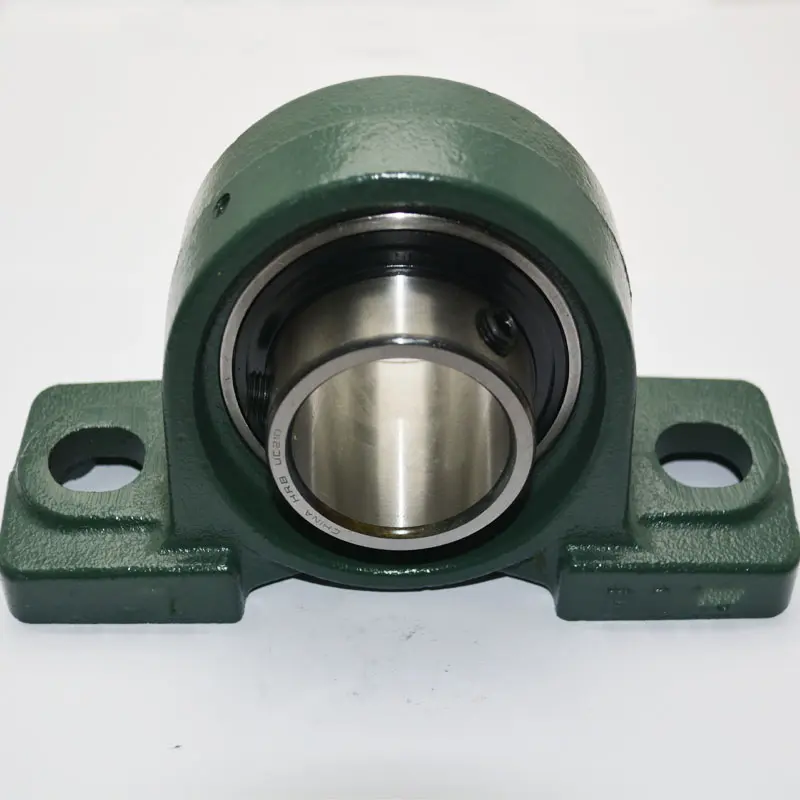
The best spare parts plan starts with identifying the most common sizes used in your local market. Then you need to decide between stocking complete units versus inserts, calculate safety stock based on your lead time, and set up a simple reorder system. Focus on UCP205, UCP206, UCP207, UCP208, and UCP210 as your core inventory.
I run a bearing factory in China called FYTZ Bearing. We export to India, Indonesia, Brazil, and many other countries. Every week, I talk to procurement managers like Rajesh from Mumbai. He buys 3 to 5 containers from us every year. His biggest headache is not finding quality bearings. It is managing his warehouse stock so he has what his customers need, when they need it. In this article, I will walk you through the exact steps I give my distributors to build a smart spare parts plan. These steps will save you money and keep your customers happy.
Which Pillow Block Bearing Sizes Are Actually Considered "Common" for Industrial Use?
I often get calls from new distributors who want to stock every size under the sun. They think more variety means more sales. That is not true. You end up with dead stock that eats up your warehouse space and your cash flow.
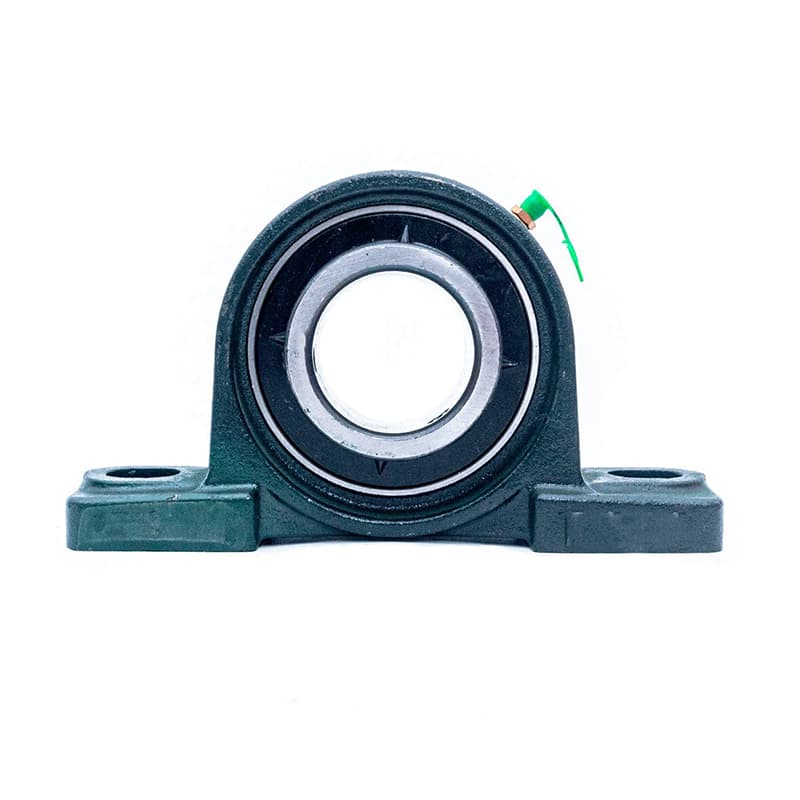
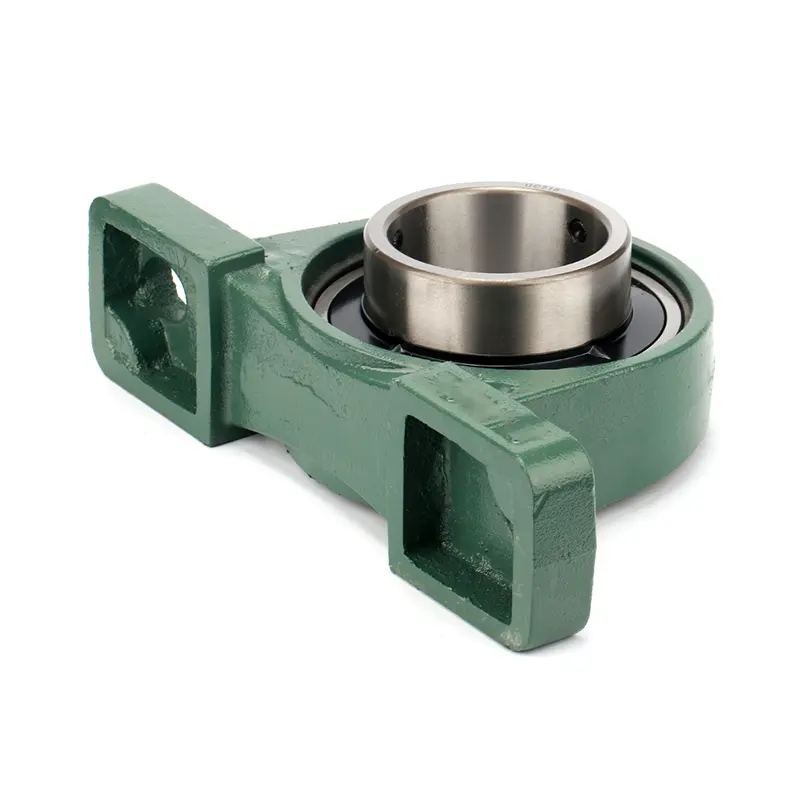
The most common pillow block bearing sizes are UCP205, UCP206, UCP207, UCP208, and UCP210. These five sizes cover about 80% of the demand in grain handling, conveyor systems, and light industrial machinery. They use the 6200-series bearing inserts, which are widely available and affordable.
Why these five sizes dominate the market
I have been in this business for many years. I have shipped bearings to over 20 countries. In every market, the same pattern appears. The small to medium-sized pillow blocks sell the fastest. Let me break down why each of these sizes is so popular.
UCP205: This is the smallest size in the popular range. It uses the 6205 insert bearing. Many light-duty conveyor systems use this size. Also, small agricultural machines and packaging equipment rely on it. It is cheap and easy to replace.
UCP206: This is the best seller in many countries. It uses the 6206 insert. This size hits a sweet spot. It is strong enough for medium loads but still compact. I see this on grain augers, small bucket elevators, and ventilation fans.
UCP207: This size uses the 6207 insert. It steps up the load capacity. Many rice mill operators choose this for their main conveyors. It can handle heavier loads without taking up too much space.
UCP208: This is the heavy-duty option. It uses the 6208 insert. This bearing is common on larger bucket elevators and screw conveyors. It has a bigger shaft diameter, which gives more strength.
UCP210: This is the largest in the common range. It uses the 6210 insert. You will find this on main drive shafts and heavy industrial equipment.
What about other sizes?
You will see UCP209 and UCP211 in some applications. But they are less common. I only recommend these if a specific customer asks for them. They are not good for general stock. For example, UCP209 uses a non-standard shaft size. It is not as easy to find replacement inserts. The same goes for UCP212 and above. Those are for heavy mining or construction equipment, not for typical grain or conveyor systems.
A simple rule for your warehouse
Focus on the 205 to 210 range. That is your core. If you stock these five sizes, you can handle most emergency orders. I have a customer in Egypt who only stocks these sizes. He turns his inventory over four times a year. That is a healthy number. If you stock too many niche sizes, your turnover will drop below two times a year. That means your money is sitting on shelves, not working for you.
Should You Stock Complete Housing Units or Just the Replacement Inserts?
This is the question I get from every new distributor. The answer depends on your customers. Some of them want the whole housing unit. Some just want the bearing insert to replace inside an old housing.
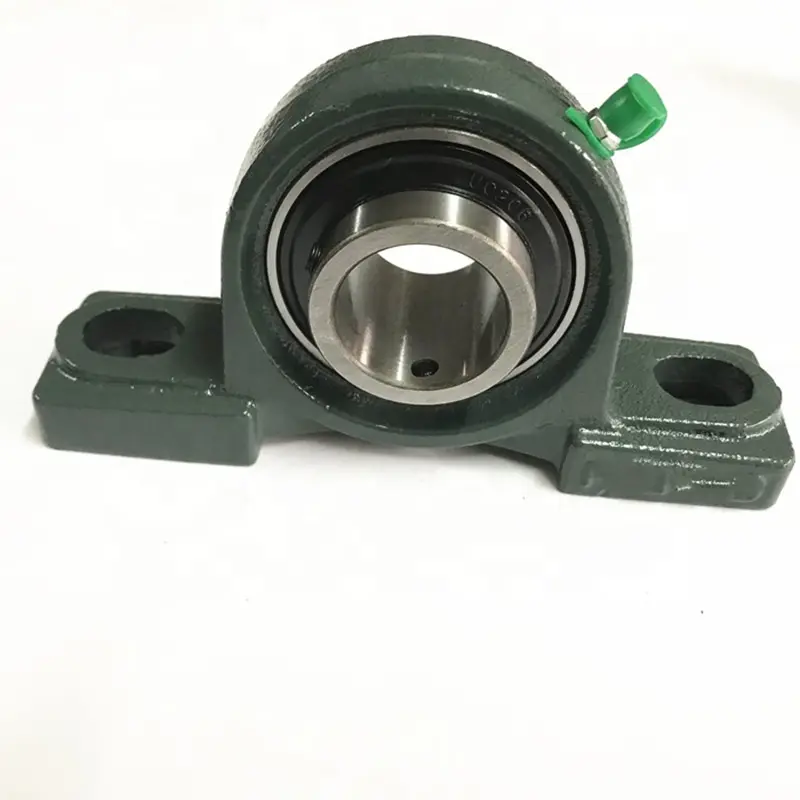
You should stock both, but with a clear ratio. Keep 70% of your inventory as complete housing units and 30% as replacement inserts. The complete units sell faster to end-users who have damaged housings. The inserts sell to maintenance teams who want to save money by reusing their old cast iron housings.
Who buys complete units?
Complete units are the most common sale. A machine breaks down. The bearing is damaged. The housing is also cracked or worn. The maintenance person does not want to waste time pressing the insert out and in. They just want to swap the whole unit and get the machine running again.
For these customers, speed is everything. They do not care about saving a few dollars on the insert. They care about getting the machine back online. That is why I recommend keeping a good stock of complete UCP units in your warehouse. They are easy to sell and have higher margins.
Who buys inserts?
There is another group of customers. These are maintenance engineers who have time and tools. They have a well-maintained housing that is still in good shape. They just need a new bearing insert to replace the worn one. This is often cheaper for them.
Also, some facilities have a standard housing size across many machines. They keep the housings fixed and just swap inserts during scheduled maintenance. In this case, they will buy inserts in bulk.
What is the best stocking strategy?
I always tell my distributors to think about their own customers first. Look at your order history from the past year. If you see that 80% of your pillow block sales are for complete units, stock more of those. If you have a few big customers who always buy inserts, stock their specific sizes.
Here is what I recommend for most medium-sized distributors:
| Product Type | Stocking Ratio | Best For |
|---|---|---|
| Complete Housing Units | 70% | Emergency replacements, end-users, walk-in customers |
| Replacement Inserts | 30% | Maintenance contracts, cost-conscious buyers, scheduled overhauls |
A word about interchangeability
Here is something many distributors do not know. The same insert (like a UC206) fits into many different housing styles. It fits into UCP206, UCF206, and UCT206. If you stock the inserts, you can serve customers with different housing types. That is a smart way to reduce your total inventory while still covering multiple applications.
I have a client in Vietnam who does this. He stocks UC205, UC206, UC207, and UC208 inserts. He also stocks a smaller number of complete housings. He covers almost every request he gets. His inventory cost is lower, and his turnover is higher.
How Do You Determine the Right Safety Stock Quantity for Each Size?
This is where many distributors lose money. They order too much of a slow size. Or they order too little of a fast size and run out. Finding the right safety stock number is a balance between holding cost and stockout cost.
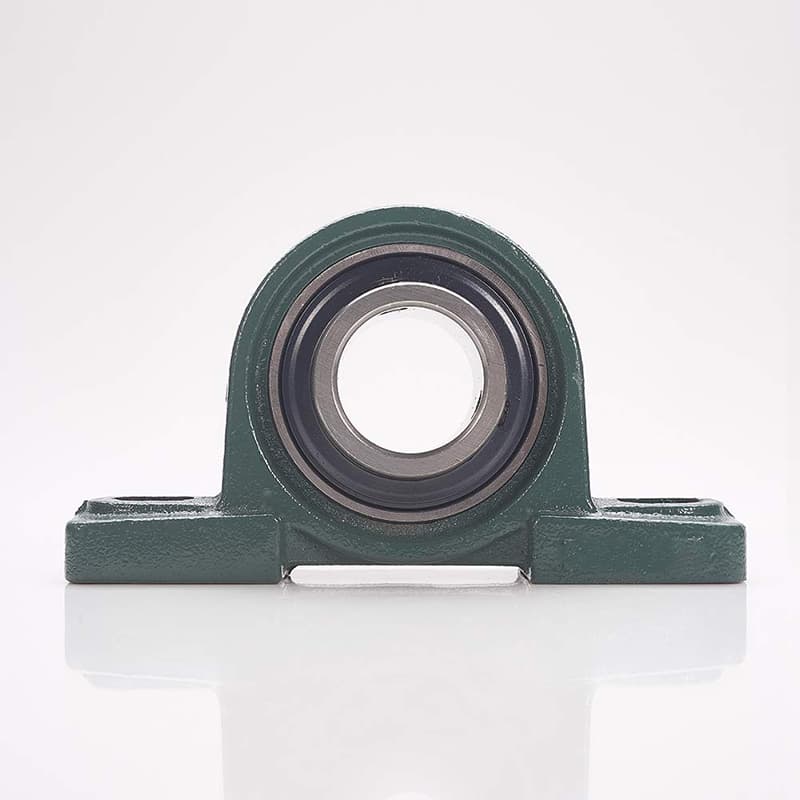
You calculate safety stock based on your lead time and your average monthly sales. A simple formula is: Safety Stock = (Average Monthly Sales) x (Lead Time in Months) x 1.5. For your top three sizes, keep at least two months of extra buffer. For slower sizes, keep half a month of buffer.
The lead time factor
This is the most important number. You need to know exactly how long it takes from placing an order with me to receiving the goods at your warehouse in Mumbai or Jakarta.
Let me give you an example. Rajesh in Mumbai orders from me in China. Production takes 30 days. Sea freight takes 20 days. Customs clearance takes 5 days. Inland transport takes 2 days. The total lead time is about 57 days, which is roughly 2 months.
If Rajesh sells 50 units of UCP206 every month, then he needs to have at least 100 units on hand when he places a new order. If he has less than that, he will run out before the next shipment arrives.
The 1.5 safety factor
I add a 1.5 multiplier to the lead time demand. Why? Because things go wrong. Containers get delayed. Customs inspections happen. There is a sudden spike in demand. If you only stock for the normal lead time, you have no cushion.
Let us continue with Rajesh’s example. His monthly sales of UCP206 are 50 units. His lead time is 2 months. So his lead time demand is 100 units. Add the 1.5 multiplier. That gives him 150 units of safety stock. This means he should always keep at least 150 units on hand. When he dips below that, he needs to place a new order.
Adjust for seasonal demand
Rice mills and grain handling are seasonal in many countries. In India, the harvest season increases demand for spare parts. Your customers will run their mills harder during this time. They will need more bearings.
For these seasonal peaks, I recommend adjusting your safety stock. If harvest season is 3 months away, start building up your stock now. Increase your safety stock by 50% during the 3 months before the peak season.
| Size | Normal Monthly Sales | Normal Safety Stock | Peak Season Safety Stock (50% extra) |
|---|---|---|---|
| UCP205 | 40 units | 120 units | 180 units |
| UCP206 | 50 units | 150 units | 225 units |
| UCP207 | 30 units | 90 units | 135 units |
| UCP208 | 20 units | 60 units | 90 units |
The cost of running out
Many distributors underestimate the cost of a stockout. Let me tell you a story. I had a customer in Pakistan. He sold bearings to local rice mills. He ran out of UCP207 during the harvest season. He could not get a replacement for 3 weeks. His customer went to a competitor. That customer never came back. My client lost that account forever.
A stockout does not just lose a sale. It damages your reputation. It makes your customers look for other suppliers. Once they find a reliable alternative, they will not come back. That is why holding a little extra stock is always cheaper than losing a customer.
The ABC analysis approach
If you have many sizes, use the ABC analysis. Focus your effort on the sizes that bring the most revenue. For most distributors, the top three sizes (UCP205, UCP206, UCP207) generate 70% of their pillow block sales. These are your A-category items. Track them weekly. Check your stock levels every week.
The next three sizes (UCP208, UCP209, UCP210) are your B-category. They generate about 20% of sales. Track them monthly.
All other sizes are C-category. They generate only 10% of sales. Check them every 3 months. If you have C-category sizes that do not sell for 6 months, consider clearing them out with a discount.
What Is the Smartest Way to Handle Brand Cross-References for These Sizes?
This is a huge opportunity for distributors. Many customers come into your store with a number from SKF, NSK, FAG, or NTN. They want that exact brand. They are often loyal to a name. But you can show them that a FYTZ bearing is the same size and fits the same way.
The smartest way to handle cross-references is to create a simple conversion chart for your sales team. Show the equivalent sizes for SKF, NSK, and FAG next to your FYTZ part numbers. Also, keep a reference catalog at the counter. Train your staff to explain that ISO standards guarantee interchangeability, not brand names.
Why do customers ask for specific brands?
I see this pattern in every country. Big brands have been around for decades. They built strong reputations. Customers trust them. They have used SKF for 30 years. They do not want to take risks.
But here is the truth. Pillow block bearings follow ISO standards. The dimensions are the same across all brands. A UCP206 from SKF has the same dimensions as a UCP206 from FYTZ. The bolt hole centers are the same. The shaft diameter is the same. The housing height is the same.
The difference is not the size. It is the quality and the price. I am not saying all bearings are equal. High-quality steel and good seals do matter. But a quality Chinese bearing can meet the same standards at a much lower price.
Building your cross-reference table
I recommend creating a simple table for your warehouse and your sales counter. Here is an example of the most common conversions:
| Application Size | SKF Series | NSK Series | FAG Series | FYTZ Series | Shaft Diameter |
|---|---|---|---|---|---|
| UCP205 | SY 25 TF | UCP205 | UCP205 | UCP205 | 25 mm |
| UCP206 | SY 30 TF | UCP206 | UCP206 | UCP206 | 30 mm |
| UCP207 | SY 35 TF | UCP207 | UCP207 | UCP207 | 35 mm |
| UCP208 | SY 40 TF | UCP208 | UCP208 | UCP208 | 40 mm |
| UCP209 | SY 45 TF | UCP209 | UCP209 | UCP209 | 45 mm |
| UCP210 | SY 50 TF | UCP210 | UCP210 | UCP210 | 50 mm |
How to train your sales team
Your salespeople need to handle the brand question confidently. Train them to say something like this:
"Sir, I understand you are used to SKF. That is a good brand. But our FYTZ bearings meet the same ISO standards. They are the exact same size. We have been exporting to Egypt and Indonesia for years. Our quality is reliable, and our price is lower. You can test one unit and see for yourself."
I have seen this approach work many times. Customers want to feel safe. If you offer a trial unit, they are more likely to say yes. Once they see that your bearing works just as well, they will switch for the next order.
Stocking based on local brand preferences
Different countries prefer different brands. In India and Turkey, SKF is very popular. In Brazil, NSK and FAG have strong presence. If you stock cross-reference bearings, you can capture customers from all these brand loyalists.
The key is to keep your stock of FYTZ bearings and use the cross-reference chart during the sales conversation. You do not need to stock SKF, NSK, and FAG. That would be expensive. Instead, you stock one good Chinese alternative and show how it matches the others.
Handling warranty and trust issues
Some customers worry about warranty. They think a cheaper bearing means no support. I always tell my distributors to offer a clear warranty policy. If the bearing fails due to manufacturing defects within 6 months, replace it. This builds trust.
I back up my distributors. If you have a warranty claim, I will handle it from the factory side. That is one of the benefits of working directly with a manufacturer like FYTZ. You have direct support, not a middleman.
Conclusion
Building a spare parts plan is simple when you focus on common sizes, balance housing and insert stock, calculate safety stock, and master cross-references. Start small and adjust based on real sales.