
You want to save money on bearings. But you are afraid of breakdowns. That fear costs you more than you think.
You can lower your bearing cost by 30% or more without losing reliability. Just stop over-engineering, pick the right supplier, and use life-cycle cost analysis.
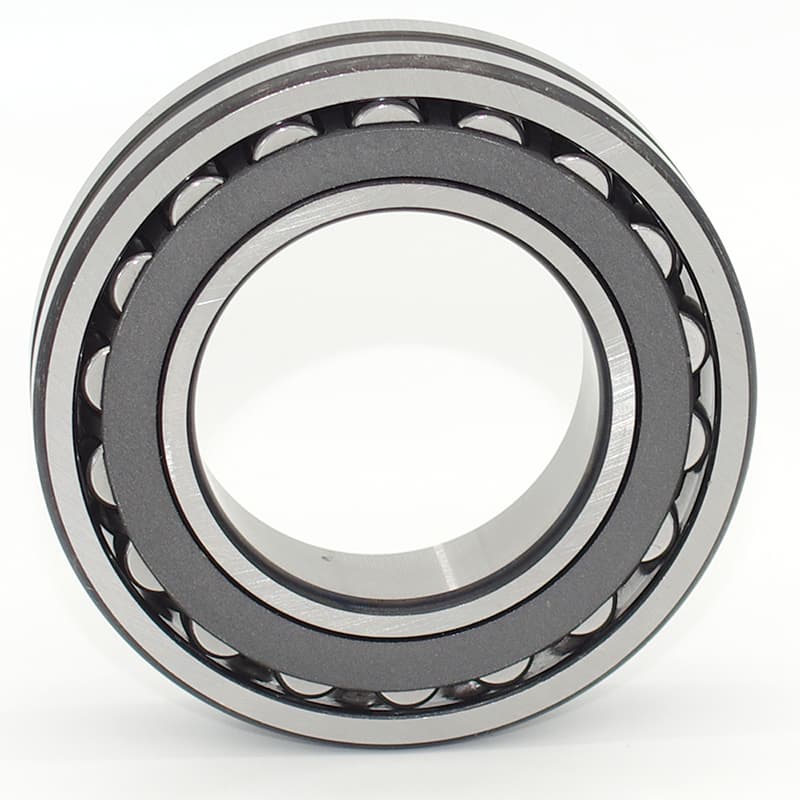
I talk to procurement managers every week. They all want the same thing: lower cost without more failures. It is possible. I have done it for customers in India, Egypt, and Brazil. The secret is not buying cheap bearings. The secret is buying smart bearings. In this article, I will show you four ways to cut cost the right way. Let me start with the biggest mistake I see: over-engineering.
Stop Over-Engineering: How to Match Bearing Size to Real Loads?
You pick a bigger bearing than you need. You feel safe. But you waste money. And sometimes bigger bearings actually cause new problems.
Matching bearing size to your real loads cuts cost by 20-40%. You just need to calculate your actual loads instead of guessing.
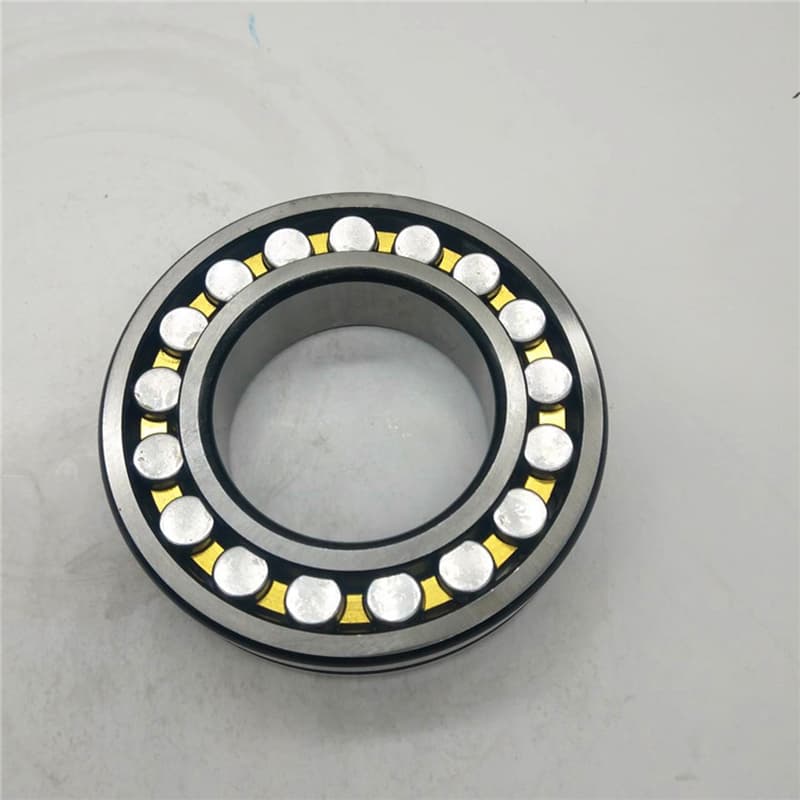
Let me explain what over-engineering looks like in real life.
The safety factor trap. Many engineers use a safety factor of 3 or 4. That means they pick a bearing that can handle three times the real load. They think this makes the machine bulletproof. But it does not. It just makes the bearing bigger, heavier, and more expensive. A safety factor of 1.5 to 2 is enough for most machines. For very predictable loads, you can go down to 1.2.
The catalog trap. Bearing catalogs show nice, round numbers. But your machine does not run at those perfect conditions. You need to measure or calculate your real loads. But I have seen many [OEM](https://www machining.com/blog/what-is-an-oem) builders use the maximum possible load from the machine design. But that maximum load only happens for one second per day. The rest of the time, the load is 50% lower. So why size for the maximum? Size for the normal load plus a reasonable safety margin.
How to calculate your real load correctly.
| Step | What To Do | Common Mistake |
|---|---|---|
| 1 | Measure the weight on the bearing | Using the total machine weight instead of per-bearing load |
| 2 | Add dynamic forces from [motion](https://www bearingtips.com/dynamic-forces-bearing-selection/) | Ignoring acceleration and deceleration |
| 3 | Add [shock load factor](https://www timken.com/resources/shock-load-factors-for-bearing-selection/) (1.2 to 2.0) | Using same factor for all machines |
| 4 | Calculate required dynamic rating [C](https://www nsk.com/tools-resources/abc-bearings/dynamic-load-rating/) | Using L10 life formula with wrong hours |
| 5 | Pick the smallest bearing that meets C | Picking the largest bearing in the range |
Here is a real example. A customer in [Turkey](https://www turkishindustry.net/conveyor-manufacturing) made [conveyor rollers](https://www conveyorcorps.com/roller-bearings-guide). He used a [22220 bearing](https://www skf.com/group/products/rolling-bearings/plummer-bearings/spherical-roller-bearings/22220-cke-pb) (100mm bore, 180mm outer diameter). The bearing cost him $50 each. I asked him to show me his load calculation. He had used a safety factor of 4. He also assumed the conveyor ran 24/7 at full load. But his conveyor only ran 12 hours per day at 60% load. The real required bearing was a [22216](https://www timken.com/products/rolling-element-bearings/spherical-roller-bearings/22216-mb) (80mm bore, 140mm outer diameter). That bearing cost $28. He switched. The conveyors ran fine for three years. He saved $22 per bearing. He used 2,000 bearings per year. That is $44,000 saved.
One more thing: smaller bearings can be better. A bearing that is too big runs too cool. The grease does not flow properly. The bearing can actually fail faster from poor lubrication. So right-sizing is not just about cost. It is also about reliability.
I always tell my customers this: start with a safety factor of 1.5. Run a field test for one month. Check the bearing temperature and noise. If everything is fine, try a smaller bearing on the next machine. Keep going down until you find the smallest bearing that works. That is your most cost-effective size.
What Is the Truth About Brand Names vs. Reliable Factory-Direct Bearings?
You pay extra for a famous brand. You think you are buying safety. But are you really getting better quality?
Factory-direct bearings from a verified manufacturer can match brand name quality at 30-50% lower cost. The key is to audit the factory, not the logo.
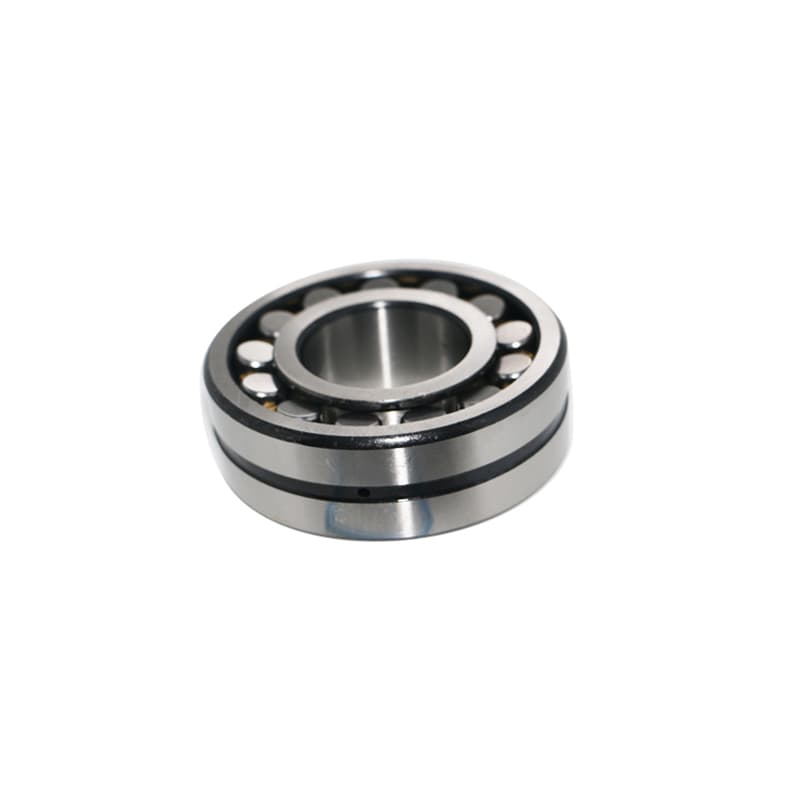
Let me tell you what most buyers do not know.
The same steel, the same machines. Many factory-direct bearing makers use the same steel suppliers as the big brands. They also use similar heat treatment lines and grinding machines. The difference is not the equipment. The difference is the quality control system. A good factory-direct supplier has ISO 9001, trained inspectors, and test reports. A bad one does not.
The brand name premium. When you buy a famous brand, you pay for their marketing, their sales team, and their profit margin. You also pay for their distributor network. Each middleman adds 10-20% to the price. A factory-direct supplier cuts out those middlemen. You pay for the bearing and the factory’s profit. Nothing else.
How to tell a reliable factory-direct supplier from a bad one.
| Check This | Reliable Supplier | Bad Supplier |
|---|---|---|
| Factory visit possible | Yes, they welcome visitors | No or always "too busy" |
| Test reports provided | Full data for each batch | No reports or fake ones |
| Certification | ISO 9001, sometimes IATF | No certification or expired |
| MOQ | Reasonable (500-1000 pieces) | Very low (50 pieces) or very high (10,000) |
| Payment terms | 30% deposit, 70% before shipment | 100% upfront or strange terms |
| Communication | Clear, technical answers | Vague, only sales talk |
My own experience. I run a factory in China. We make spherical roller bearings for customers in 15 countries. Some of our customers switched from big brand names. They were afraid at first. So we sent them sample bearings for free. They tested the samples on their machines. The samples performed the same as the brand name bearings. Then we gave them a price that was 40% lower. They placed a trial order. Now they buy from us every year.
But I will be honest with you. Not every factory-direct supplier is good. I have seen bad ones too. They use low-grade steel. They skip heat treatment. They fake test reports. So you need to audit the supplier.
How to audit a bearing factory without traveling.
- Ask for a video tour of the production line. A real factory will send you a live video or a recent recording. A fake one will make excuses.
- Ask for test reports from the last three batches. Check if the numbers are consistent. Real reports have small variations. Fake ones look too perfect.
- Ask for a reference customer in your country. Call that customer. Ask about quality, delivery, and after-sales service.
- Order a small sample batch first. Test the bearings on your toughest machine. Compare the life to your current brand.
I have a customer in South Africa. He used to buy from a famous European brand. He paid $15 per bearing. He switched to a factory-direct supplier at $8 per bearing. The first batch had a 2% failure rate. His old brand had 1%. He was unhappy. Then he found our FYTZ bearings. We gave him $9 per bearing with a 1% failure rate. He switched to us. He saves $6 per bearing. That is $30,000 per year for his volume.
The truth is simple. The logo on the bearing does not make your machine run. The steel, the heat treatment, and the grinding do. Find a factory that does those things right. Then buy direct. You will save money.
Where Can You Save Money on Spherical Roller Bearings? And Where Can You Not?
You need to know which corners you can cut and which corners you cannot. Cut the wrong corner, and your machine breaks. Cut the right corner, and no one notices.
Save money on packaging, non-critical dimensions, and standard clearance. Never save money on steel quality, heat treatment, or sealing. Those three kill reliability.
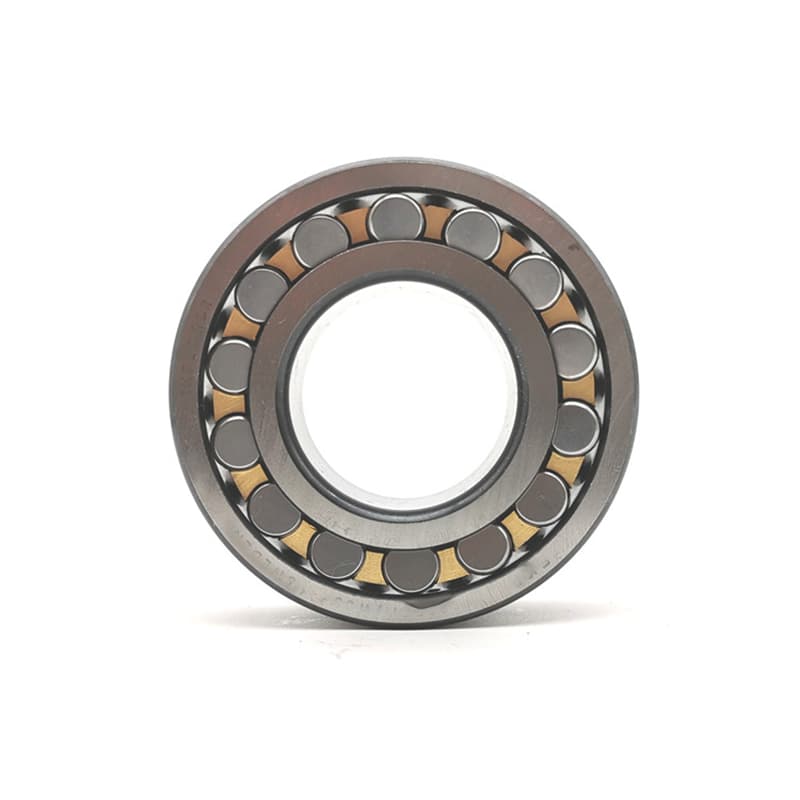
Let me break this down into clear categories.
Where you CAN save money safely.
| Area | How to Save | Risk Level |
|---|---|---|
| Packaging | Use bulk boxes instead of individual wrapped bearings | Zero risk |
| Non-critical dimensions | Accept wider tolerances on non-contact surfaces | Low risk |
| Standard clearance | Use C3 or C4 instead of custom clearance | Low risk |
| Cage material | Use pressed steel instead of machined brass for low temp | Low to medium |
| Brand name | Switch to factory-direct from a verified supplier | Low risk (if audited) |
Where you CANNOT save money safely.
| Area | Why It Matters | Consequence of Cutting Cost |
|---|---|---|
| Steel quality | Determines fatigue life | Early cracking, spalling |
| Heat treatment | Keeps hardness at high temp | Softening, deformation |
| Sealing | Keeps dirt and water out | Contamination, quick failure |
| Grinding precision | Affects noise and vibration | Rough running, heat buildup |
| Heat stabilization | Prevents dimensional change at high temp | Bearing locks up when hot |
Let me give you real examples of each.
I had a customer in Indonesia. He wanted to save money on bearings for his stone crusher. He asked me for the cheapest steel option. I told him no. He bought from another supplier. The bearings lasted two weeks. The steel had too many inclusions. The rollers cracked. He came back to me. Now he buys our standard steel bearings. They last six months. He learned the hard way.
Another customer in Egypt wanted to save on sealing. He said, "My machine is inside a clean factory. I do not need good seals." I warned him. But he bought open bearings. After three months, dust from the nearby cement plant got inside. The bearings failed. He added seals later. That cost him more in downtime than he saved on the bearings.
But here is a place where most people overpay: precision grade. For most machines, P0 (normal precision) is fine. P6 is for higher speed. P5 is for precision spindles. I have seen buyers ask for P5 bearings for a slow conveyor. That is a waste of money. P5 can cost 2-3 times more than P0. And the conveyor will not run any better.
Another place to save: the grease. Some bearing suppliers sell bearings with cheap grease inside. You can ask for bearings without grease (dry). Then you add your own good grease. This saves a few cents per bearing. For large orders, that adds up.
My rule of thumb for saving money. Only save on things that do not touch the rolling surfaces. The steel, the raceways, the rollers, and the heat treatment are sacred. Do not touch them. Everything else is negotiable.
How to Use Life-Cycle Cost Analysis to Pick the Most Profitable Bearing?
You look at the price tag. You pick the cheapest bearing. Then you pay for it again and again in downtime. That is not saving money. That is losing money.
Life-cycle cost analysis (LCCA) adds up the total cost of a bearing over its whole life. The cheapest bearing on day one is often the most expensive bearing by year two.
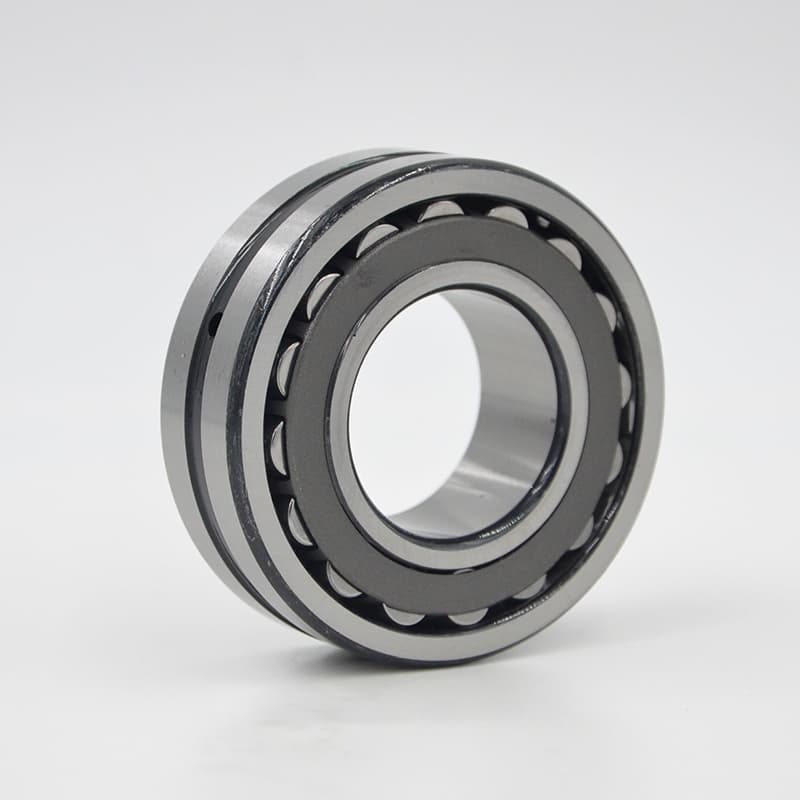
Let me show you the simple math.
The four parts of bearing life-cycle cost.
- Purchase price – what you pay the supplier
- Installation cost – labor to put it in
- Operating cost – lubrication and monitoring
- Failure cost – downtime, lost production, damage to other parts
Most buyers only look at number 1. That is a mistake. The other three are often bigger.
A real calculation example.
Let me use numbers from a customer in Brazil. He runs a steel mill. He has 50 guide rolls. Each roll uses one spherical roller bearing.
| Cost Item | Cheap Bearing (Option A) | Good Bearing (Option B) |
|---|---|---|
| Purchase price | $30 | $50 |
| Life (months) | 4 months | 12 months |
| Failures per year | 3 failures | 1 failure |
| Labor per change | $100 | $100 |
| Lost production per failure | $2,000 | $2,000 |
| Damage to shaft (each failure) | $300 | $0 (planned change) |
Now let me calculate the total annual cost for one bearing position.
Option A (cheap bearing):
- Purchase: $30 x 3 = $90
- Labor: $100 x 3 = $300
- Lost production: $2,000 x 3 = $6,000
- Shaft damage: $300 x 3 = $900
- Total per year = $7,290
Option B (good bearing):
- Purchase: $50 x 1 = $50
- Labor: $100 x 1 = $100
- Lost production: $2,000 x 1 = $2,000
- Shaft damage: $0
- Total per year = $2,150
The good bearing costs more upfront. But it saves $5,140 per year per bearing position. For 50 positions, that is $257,000 per year.
Why do buyers keep buying cheap bearings? Two reasons. First, their bonus is based on this year’s spending, not next year’s savings. Second, they do not track failure costs. No data means no problem.
How to start using life-cycle cost analysis at your company.
| Step | Action |
|---|---|
| 1 | Track every bearing failure for 3 months. Write down downtime hours and repair costs. |
| 2 | Calculate your cost per hour of downtime. Include labor, lost production, and customer penalties. |
| 3 | Test two bearing options side by side on the same machine. Record life and total cost. |
| 4 | Use the results to set a new purchasing policy. Buy based on LCCA, not upfront price. |
I have done this exercise with many customers. Every single time, the better bearing wins. The only question is how long it takes to pay back. For most machines, the payback is less than six months.
One more tip: ask your bearing supplier for life data. A good supplier can give you L10 life calculations for your specific load and speed. At FYTZ, we do this for every OEM customer. We also share field test results from similar applications. That helps you make a confident decision.
Conclusion
Stop over-engineering. Choose factory-direct wisely. Save on the right things. Use life-cycle cost analysis. That is how you cut cost without cutting reliability.