
High heat, heavy shocks, and constant vibration. Those three things kill ordinary bearings in no time.
Yes, you need strong bearings for high-stress jobs. Look for high load capacity, heat-resistant materials, and tight precision. At FYTZ Bearing, we make exactly these bearings for tough industries like mining and steel mills.
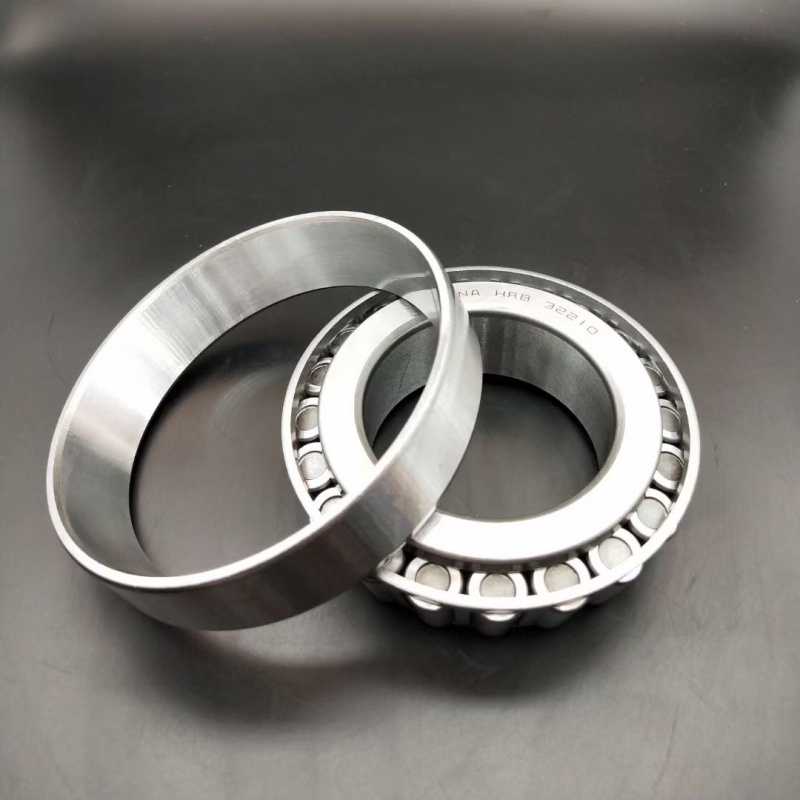
But what does “strong” really mean for a bearing? And how do you pick the right one when every supplier says theirs is the best? Let me walk you through the real challenges, the design secrets, and the material choices that matter. I have seen too many buyers waste money on bearings that crack, seize, or wear out in weeks. After 15 years in this factory, I know what works and what does not.
What are the core challenges of bearings in high-stress operations?
Heat from fast rotation or poor cooling. Shock loads from heavy machinery starting and stopping. Dirt and moisture sneaking past seals. Any one of these can destroy a standard bearing fast.
The three biggest challenges are thermal expansion (which changes internal clearances), fatigue from repeated heavy loads (causing cracks and spalling), and lubricant breakdown (leading to metal‑to‑metal contact). If your bearing fails early, one of these is usually the reason.
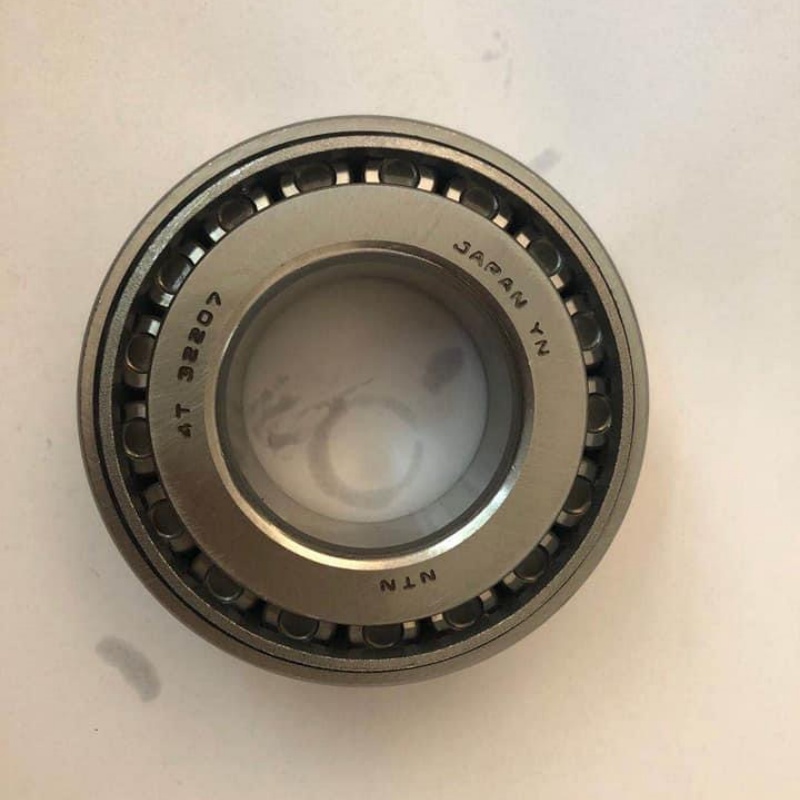
Three major enemies of bearings in high‑stress jobs
Let me break down each challenge so you can see why ordinary bearings cannot survive.
1. Heat and thermal expansion
When a bearing runs hot, the steel expands. The inner ring may expand faster than the shaft. The outer ring may press too hard against the housing. This changes the internal clearance. If the clearance becomes too small, the rolling elements get squeezed. Friction rises, heat rises even more, and soon you get a seizure. Many of my customers in India – like Rajesh, who imports for auto repair shops – told me they saw bearings fail in conveyor rollers just because the ambient temperature was above 45°C.
2. Cyclic fatigue and shock loads
High‑stress operations rarely have smooth, steady loads. Think of a crusher in a stone quarry. Every time a rock hits, the bearing gets a shock load many times higher than the average load. Even if the load is steady but very high, the steel underneath the raceway slowly develops micro‑cracks. After thousands or millions of cycles, those cracks grow and cause spalling (small flakes of steel peeling off). Once spalling starts, noise and vibration go up, and failure follows soon.
3. Contamination and lubricant breakdown
Dust, water, and metal particles are everywhere in heavy industries. If even a tiny grain of sand gets into a bearing, it acts like a grinding wheel. It damages the raceway and the rolling elements. At the same time, high heat breaks down the oil or grease. The additives that protect metal surfaces get used up. Without a good oil film, the steel surfaces touch and weld together for a split second, then tear apart. That creates more particles and more damage.
To show you how these challenges compare, here is a quick table:
| Challenge | Main result | Typical failure mode | How fast it happens |
|---|---|---|---|
| Heat & thermal expansion | Loss of internal clearance | Seizure or smearing | Hours to days (if clearance too tight) |
| Cyclic fatigue & shock loads | Spalling on raceway | Pitting, then cracks | Weeks to months (depends on load) |
| Contamination & poor lubrication | Wear, scoring, then overheating | Premature wear, then seizure | Days to weeks (in dirty environments) |
Now you see why a standard deep groove ball bearing from a cheap supplier will not last. You need a bearing designed with specific features to fight these three enemies.
What key design features make strong bearings for demanding applications?
Thicker rings? Special steel? Better cages? All of those help. But which one matters most for your machine? Without the right design, even a premium bearing can let you down.
Strong bearings for high stress usually have four design features: optimized internal geometry, heat‑treated rings, robust cages, and tight seals. FYTZ Bearing builds all of these into our taper roller bearings and spherical roller bearings.
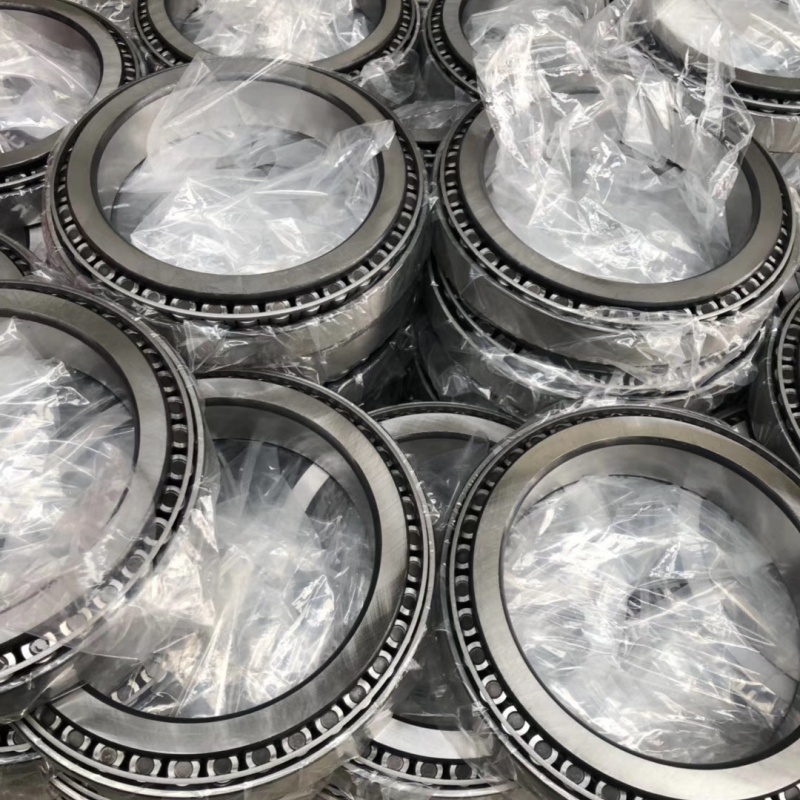
Let me show you the four most important design choices
1. Internal geometry and roller profile
A standard bearing has a simple curved surface. Under heavy load, the contact area at the edge of the roller can get too much pressure. That causes edge stress and early fatigue. Strong bearings use a modified roller profile – a slight "crowning" – so the contact pressure spreads evenly. This one change can double the bearing life under heavy loads. We use this in all our spherical roller bearings for crushers and vibratory screens.
2. Heat treatment and surface finish
The steel hardness needs to be just right. Too hard, and the bearing becomes brittle. Too soft, and it deforms. For high‑stress work, we use a special carburizing or through‑hardening process that gives a hard surface (58‑62 HRC) and a tough core. Then we super‑finish the raceways. A smooth surface holds an oil film much better. That reduces friction and heat. Our tapered roller bearings for truck axles get this treatment.
3. Cage (retainer) design
Most people ignore the cage, but it is critical. In high‑speed or high‑shock applications, a pressed steel cage can bend or break. A machined brass or polyamide cage can handle more. For extreme conditions, we recommend a one‑piece machined cage with large windows and smooth edges. It guides the rollers better and does not trap debris. For example, our pillow block bearings for steel plants use a reinforced cage.
4. Seal and shielding
Contamination is a silent killer. A good seal keeps dirt out and grease in. In dusty environments like a cement factory, a rubber contact seal (like 2RS) works best. In very hot places, you might need a metal shield (ZZ) with a labyrinth design. We help customers choose the right seal based on their actual working conditions. Rajesh from Mumbai once ordered 2RS bearings for a textile mill, but the heat melted the rubber. We switched him to high‑temp grease and ZZ shields – problem solved.
Here is a comparison of design features and their benefits:
| Design feature | What it does | Best for which high‑stress condition |
|---|---|---|
| Crowned roller profile | Spreads contact pressure evenly | Heavy radial loads and misalignment |
| Super‑finished raceways | Reduces friction, holds oil film | High speed + high load |
| Machined brass cage | High strength, resists shock | Impact loads and vibration |
| Rubber contact seal (2RS) | Blocks dust and moisture | Dirty or wet environments |
So when you ask for "strong bearings," do not just ask for a brand name. Ask about the roller profile, the heat treatment, the cage material, and the seal type. That is how you get real performance.
How do you select bearing materials for high-stress environments?
Not all bearing steel is the same. And sometimes, steel itself is not even the best choice. So how do you pick? The wrong material will crack or wear out fast, no matter how good the design is.
For most high‑stress jobs, choose vacuum‑degassed bearing steel like GCr15 (52100) or case‑hardened steel like 20CrMo. For extreme heat or corrosion, consider ceramic hybrid bearings. FYTZ Bearing offers all these options with full traceability.
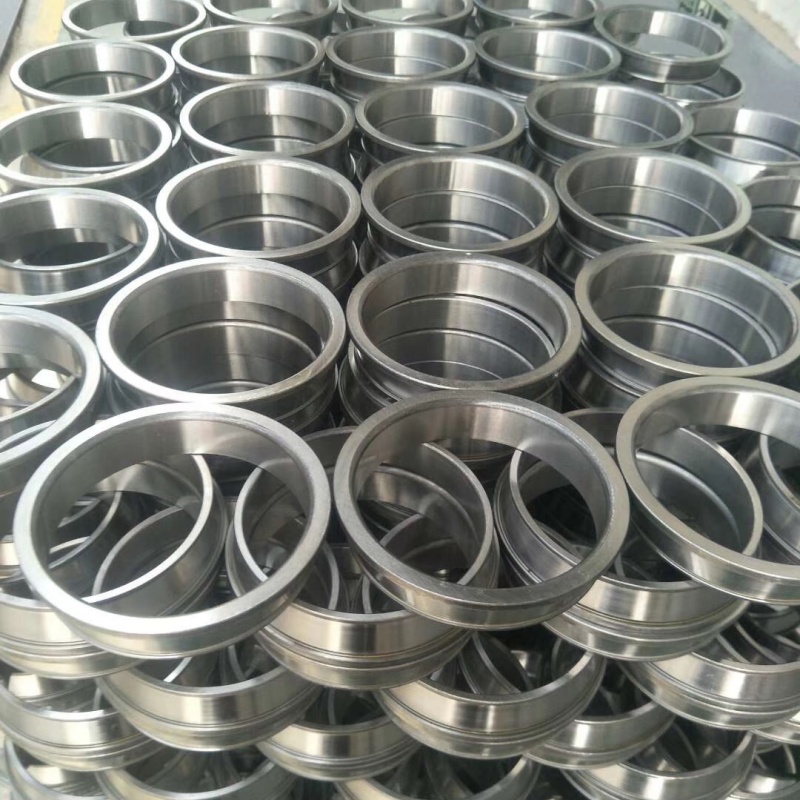
Step by step: matching material to your stress level
Step 1 – Understand your main stress type
Is the problem heavy load? Then you need a material with high rolling contact fatigue strength. Is the problem heat (above 150°C)? Then standard bearing steel will lose its hardness. You need high‑temperature steel or special heat stabilization. Is the problem corrosion (water, chemicals)? Then stainless steel or hybrid ceramic is necessary.
Step 2 – Compare common bearing materials
I have put together a table based on what we actually produce and sell to customers in Russia, Brazil, and Indonesia:
| Material | Hardness (HRC) | Max temp (°C) | Fatigue life | Corrosion resistance | Cost level |
|---|---|---|---|---|---|
| GCr15 (52100) | 60-64 | 150 | Excellent | Low | Medium |
| 20CrMo (case‑hardened) | 58-62 (case) | 180 | Excellent | Low | Medium‑high |
| High‑temp steel (e.g. 80Cr2) | 58-62 | 250 | Good | Low | High |
| AISI 440C stainless | 58-60 | 200 | Good | High | Very high |
| Ceramic (Si3N4) hybrid | 75-80 (rollers) | 800+ | Very high | Excellent | Very high |
Step 3 – Think about the whole system
A common mistake: buyers choose the strongest material but forget about the mating parts. For example, a ceramic hybrid bearing is very hard and corrosion‑resistant. But it needs a very clean environment and precise mounting. If the shaft is soft or dirty, the ceramic roller can damage the steel raceway. Or if you pick stainless steel rings but use standard steel balls, the balls will rust first. Always match the material of rings, rolling elements, and cage.
Here is a real example from my work. A customer in Egypt running a steel rebar mill had bearings failing every two weeks. They were using standard 52100 bearings with pressed steel cages. The temperature inside the mill was often 180°C. We switched them to a custom bearing with 20CrMo rings (case‑hardened), high‑temperature stabilized, plus a brass cage and special grease. The bearing life jumped to eight months. The material change alone – from 52100 to 20CrMo – made a huge difference.
Step 4 – Ask for certification
Do not take the supplier’s word. Ask for mill certificates and heat treatment records. At FYTZ Bearing, we can provide raw material test reports for every batch. That is how we earn trust from importers like Rajesh, who needs to resell to local workshops. He cannot afford a failure that damages his reputation.
So my advice: start with the operating temperature, then the load type, then the environment. If your temperature is below 150°C and loads are heavy, use 52100 with good heat treatment. If temperature goes above 150°C, switch to case‑hardened or high‑temp steel. If corrosion is a problem, go stainless or hybrid – but be ready to pay more.
What are typical industry applications from heavy machinery to extreme conditions?
You might think “high stress” only means mining or steel. But actually, many industries need strong bearings. And each industry has its own special problem. Knowing the common applications helps you see what kind of bearing you really need.
Heavy machinery, off‑road vehicles, crushers, vibrating screens, wind turbines, and marine deck equipment all require strong bearings. For each, we recommend specific types like spherical roller bearings, taper roller bearings, or custom pillow blocks.
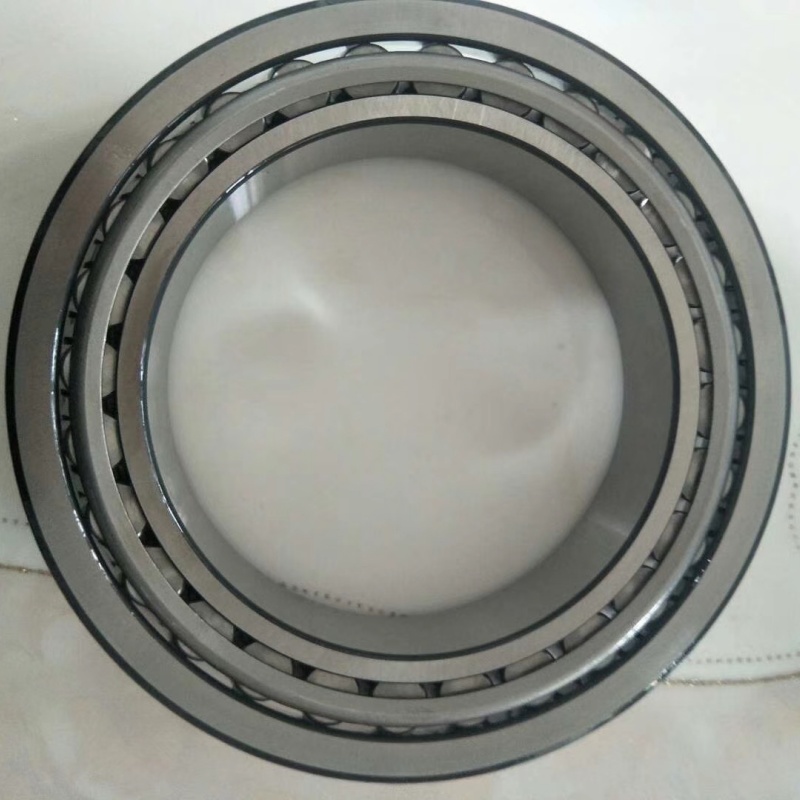
Where strong bearings are used and what we recommend
Industry 1: Mining and quarrying
Equipment: crushers, vibrating screens, conveyor pulleys, mill drives.
Main stresses: heavy shock loads, vibration, dust, and often high ambient heat.
Our typical solution: spherical roller bearings with brass cages and high‑clearance (C4). For crushers, we use asymmetrical roller profiles to handle the shock. For vibrating screens, we add special grease with anti‑wear additives.
Real story: A crusher customer in Indonesia was replacing bearings every three weeks. They were using standard cylindrical roller bearings. We supplied our FYTZ spherical roller bearings with C4 clearance and a heat‑stabilized cage. The bearings lasted seven months.
Industry 2: Steel and cement plants
Equipment: rolling mills, continuous casters, bucket elevators, kiln thrust rollers.
Main stresses: extreme heat (up to 300°C on some components), heavy radial loads, and slow oscillation.
Our typical solution: high‑temperature taper roller bearings with special heat treatment and graphite‑based solid lubrication for the very hot areas. For cement plants, we use heavy‑duty pillow block bearings with labyrinth seals to block fine cement dust.
We supply these to many customers in Turkey and Russia. The key is not just the bearing itself but also the mounting and alignment. A misaligned bearing in a hot environment will fail fast even with good materials.
Industry 3: Off‑road and heavy vehicles
Equipment: wheel loaders, dump trucks, agricultural tractors, construction cranes.
Main stresses: high shock loads from uneven ground, heavy axial loads during turning, and water/mud.
Our typical solution: taper roller bearings for wheel hubs and differentials. These bearings handle both radial and axial loads together. We use case‑hardened steel for the cups and cones so the surface is hard but the core is tough. Also we supply custom auto bearings for the aftermarket. Rajesh orders these for his Indian customers who repair trucks and construction equipment.
Industry 4: Wind turbines
Equipment: main shaft bearings, yaw and pitch bearings, gearbox bearings.
Main stresses: fluctuating loads, low speed but very high torque, and difficult maintenance access.
Our typical solution: special spherical roller bearings or cylindrical roller bearings with surface coatings that reduce wear under oscillating motion. The life requirement is 20 years, so material quality is critical. We export these to South Africa and Brazil where wind farms are growing.
To help you compare, here is a summary table:
| Industry | Typical equipment | Main stress | Recommended bearing type | Key feature needed |
|---|---|---|---|---|
| Mining | Crusher, vibrating screen | Shock, vibration | Spherical roller bearing | C4 clearance, brass cage |
| Steel mill | Rolling mill, kiln | High heat, heavy load | Taper roller bearing (heat‑stabilized) | High‑temp grease, special steel |
| Construction vehicles | Wheel hub, differential | Shock, axial load, mud | Taper roller bearing | Case‑hardened steel, good seals |
| Wind turbine | Main shaft, gearbox | Low speed, high torque, fluctuating | Spherical / cylindrical roller | Special coatings, strict steel quality |
If your industry is not listed here, do not worry. We make customized bearing solutions for many other applications. Just send me an email or a WhatsApp message. We can discuss your actual working conditions and find the right strong bearing.
Conclusion
High‑stress operations need bearings with strong design, the right material, and proper sealing. Choose wisely, and your machines will run longer with fewer stops.