
Your conveyor slows down. Your motor draws more current. Your energy bill goes up. The hidden culprit might be your bearings.
Efficient bearings for peak industrial performance combine optimized internal geometry, high precision (P5/P6), low-friction lubricants, and advanced materials. They reduce energy loss, run cooler, and last longer under heavy loads.

I run a bearing factory in China. Our brand is FYTZ Bearing. I talk to equipment manufacturers and distributors every day. They ask me the same question: how do I know if a bearing is truly efficient? Not just cheap, but efficient. So I decided to write this post. I will walk you through the core design principles. I will explain why precision classes like P5 and P6 matter for energy savings. I will show you how low-friction lubrication cuts power use. And I will tell you which materials survive heavy loads without wasting energy. These are not just theories. This is what we test every day in our factory.
What Are the Core Design Principles of High Efficiency Bearings?
You buy a bearing with a low price. It feels rough when you spin it by hand. That roughness wastes energy every second it runs.
The core design principles of high efficiency bearings are optimized internal clearance, low surface roughness on raceways and rolling elements, precise cage geometry, and minimal friction torque. Each principle reduces energy loss during operation.
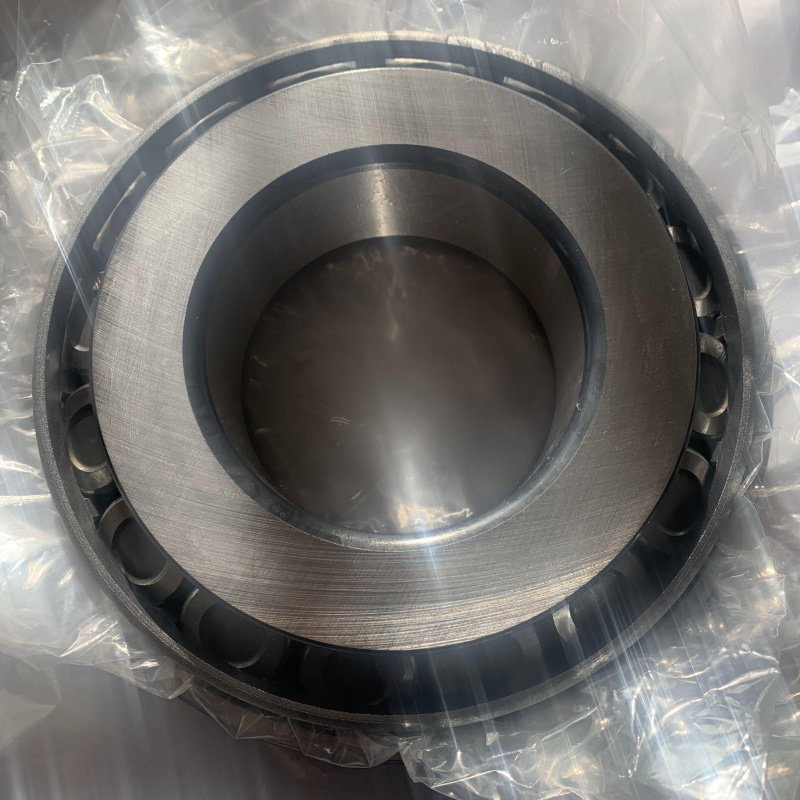
Let me break down each principle so you understand what makes a bearing truly efficient.
I have designed bearings for 15 years. I learned that efficiency is not one thing. It is a combination of small improvements. Each improvement saves a little energy. Add them together, and you get big savings over a year.
Principle 1: Optimized internal clearance
Every bearing has internal clearance. That is the tiny gap between the rolling elements and the raceways. Too much clearance, and the balls or rollers move sideways. That creates extra friction. Too little clearance, and the bearing runs hot. Heat wastes energy. The right clearance depends on the speed, load, and temperature of your machine. For most industrial equipment running at normal temperatures, the C3 clearance group is a good starting point. But for high precision applications, you might need a tighter clearance like CN or even C2. At our factory, we can supply bearings with custom clearances. We test each batch on a vibration meter to make sure the clearance is right.
Principle 2: Low surface roughness
Look at a bearing raceway under a microscope. Even a polished surface has tiny peaks and valleys. Those peaks create friction. The rolling elements have to climb over each peak. That takes energy. The smoother the surface, the less energy wasted. High efficiency bearings have a surface roughness (Ra) of 0.05 micrometers or less on the raceways. Standard bearings often have 0.1 to 0.2 micrometers. This difference might sound small. But at 3000 RPM, a smoother bearing can save 5% to 10% of the friction energy. We use super-finishing machines at our plant to achieve this smoothness.
Principle 3: Precise cage geometry
The cage holds the rolling elements apart. A bad cage makes the balls or rollers bump into each other. That creates noise and friction. A good cage guides each element smoothly. For high efficiency, the best cage materials are polyamide (nylon) or machined brass. Nylon is light and has low friction against steel. Brass is stronger for heavy loads. The cage pockets must be exactly the right size. Too tight, and the rolling element drags. Too loose, and it rattles. We use injection molding for nylon cages with tolerances of 0.05mm. That gives a quiet, efficient bearing.
Principle 4: Minimized friction torque
Friction torque is the force needed to start the bearing spinning. It is also the force needed to keep it spinning. You can measure it with a special tool. A standard deep groove ball bearing might have a friction torque of 50 N·mm. A high efficiency bearing of the same size can have half that. The difference comes from better surface finish, better ball roundness, and a cleaner grease. We test every batch of our P5 bearings for friction torque on a bearing torque tester. If it is too high, we reject the whole batch.
Here is a table comparing standard and high efficiency bearings.
| Design feature | Standard bearing | High efficiency bearing (FYTZ) |
|---|---|---|
| Internal clearance | C3 (fixed) | Custom C2, CN, or C3 |
| Raceway roughness (Ra) | 0.12 µm | 0.05 µm or less |
| Cage material | Pressed steel | Nylon or machined brass |
| Ball grade | G40 (standard) | G20 (higher roundness) |
| Friction torque (6204 size) | ~50 N·mm | ~25 N·mm |
So when you shop for bearings, do not just look at the price or the brand name. Ask the supplier about these four design principles. If they cannot give you numbers, find a better supplier. At FYTZ, we give you a data sheet for every bearing with these specs.
How Do Precision Classes (P5/P6) Improve Energy Efficiency in Industrial Bearings?
You run a high speed spindle. It gets hot. The bearings wear out fast. Maybe you are using the wrong precision class.
Precision classes P5 and P6 improve energy efficiency by reducing geometric errors. Tighter tolerances on bore diameter, outer diameter, runout, and raceway waviness mean less vibration and lower friction. That cuts energy waste by 10% to 20% compared to P0 bearings.
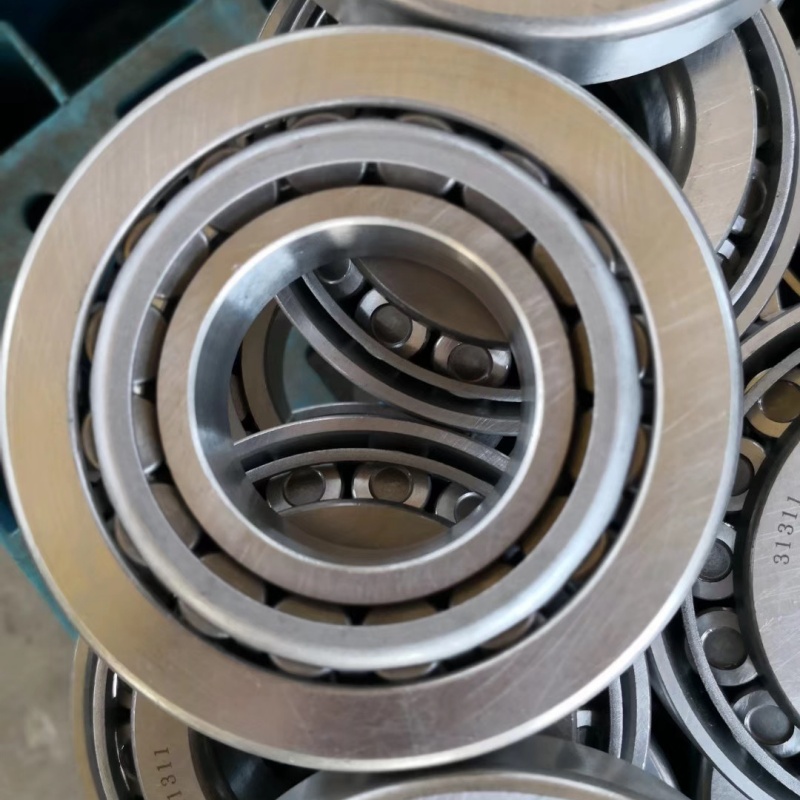
Let me explain what precision classes really mean and how they save energy.
I sell bearings to customers in Russia and Turkey. Some of them run CNC machines or high-speed packing lines. They need P5 or P6 bearings. But many buyers do not understand why the extra cost is worth it. So let me clear that up.
What do the numbers mean?
ISO 492 and DIN 620 define bearing precision classes. Class P0 (also called Normal) is the lowest. P6 is tighter. P5 is even tighter. P4 and P2 are for instrument and ultra-high precision. For most industrial machines, P6 and P5 are the sweet spot. They give better performance without the extreme cost of P4.
Here are the key differences for a 6204 bearing (20mm bore):
| Tolerance (µm) | P0 (Normal) | P6 | P5 |
|---|---|---|---|
| Bore diameter deviation | 0 to -10 | 0 to -8 | 0 to -6 |
| Outer diameter deviation | 0 to -11 | 0 to -9 | 0 to -7 |
| Radial runout (inner ring) | 10 | 6 | 4 |
| Radial runout (outer ring) | 15 | 9 | 6 |
These numbers are small. But they matter a lot.
How tighter tolerances save energy
Imagine a wheel that is not perfectly round. It wobbles as it spins. That wobble creates vibration. Vibration is wasted energy. The same thing happens with a bearing. If the inner ring is not perfectly round, the shaft does not spin true. The rolling elements get pushed sideways. That sideways motion creates extra friction. Extra friction means more heat and higher power draw from the motor.
With a P5 bearing, the inner ring is rounder by 6 micrometers compared to P0. That does not sound like much. But at 5000 RPM, that small improvement reduces vibration by about 40%. The motor does not have to fight the wobble. I have seen real tests where a machine running P5 bearings used 12% less electricity than the same machine with P0 bearings.
When do you need P6 or P5?
Not every machine needs high precision. A slow conveyor running at 200 RPM with a rough load does fine with P0. But for these applications, I recommend P6 or P5:
- High speed spindles (above 5000 RPM)
- Precision packing lines with servo motors
- Printing rollers that need perfect registration
- Textile spinning frames
- Machine tool feed drives
For a distributor like Rajesh in Mumbai, I tell him to stock P0 for general repair work and P6 for his better customers. Then offer P5 as a premium upgrade for customers who want the lowest energy bills.
The cost vs. benefit calculation
A P5 bearing costs about 30% more than a P0 bearing of the same size. But if that bearing runs for 5000 hours a year on a 5 kW motor, a 10% energy saving is 500 kWh per year. At $0.10 per kWh, that is $50 saved. The bearing might cost only $5 more. So the payback is less than two months. After that, pure profit. I show this math to every procurement manager who hesitates on precision grades.
At our factory, we produce P6 and P5 bearings on dedicated lines. We use air gauge measurement for every bore. We check runout with electronic testers. That is how we guarantee the precision. And we stamp the precision class right on the bearing ring.
How Much Does Low Friction Lubrication Technology Affect Peak Bearing Performance?
You pack a bearing with standard grease. It spins fine. Then you try a low-friction grease. The bearing spins twice as long by hand. That difference keeps paying back every day.
Low friction lubrication technology can reduce bearing friction torque by 30% to 50%. This translates to 3% to 8% lower energy consumption for the machine. It also lowers operating temperature and extends re-greasing intervals by two to three times.
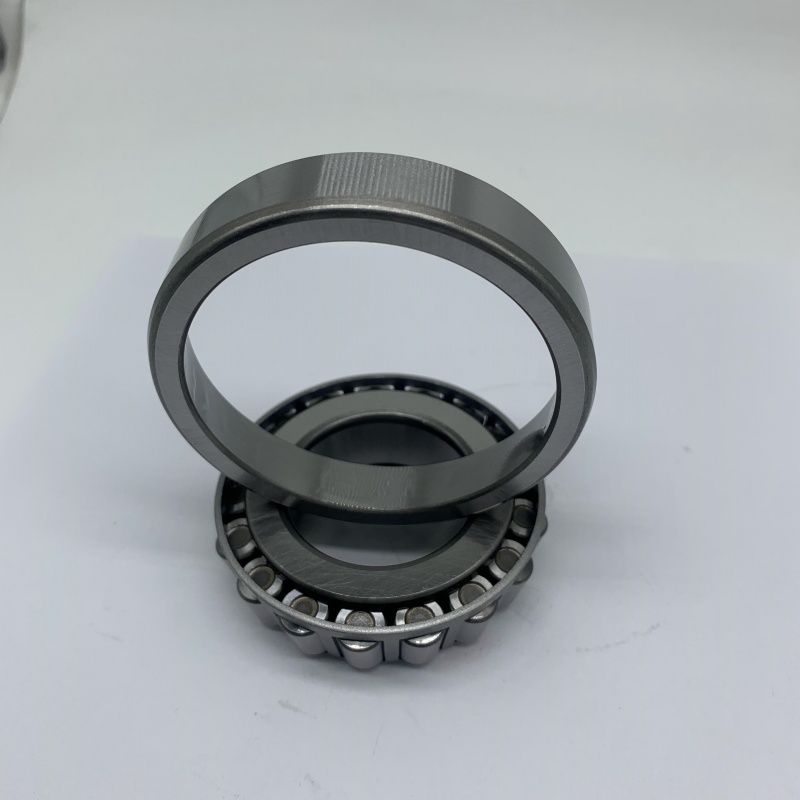
Let me show you how grease and oil choices directly impact your energy bills.
I have tested many lubricants in our lab. We use a friction torque tester. We run bearings at different speeds and loads. The results are clear: the right lubricant is as important as the bearing itself.
The science of friction in bearings
A bearing has three sources of friction:
- Rolling friction – the small resistance as the ball rolls on the raceway. This is low.
- Sliding friction – where the ball contacts the cage or rides up the raceway edge. This is higher.
- Fluid friction – the resistance from the grease itself. This is the biggest variable.
Most of the energy loss in a bearing comes from fluid friction. The grease must be thick enough to protect the metal, but thin enough to not create drag. It is a balance.
Grease types ranked by friction
From lowest friction to highest:
- Synthetic oil (light) – lowest friction, but needs a sealed bearing or an oil circulation system. Not for most pillow blocks.
- PAO synthetic grease – very low friction, wide temperature range. Excellent for high efficiency.
- Ester synthetic grease – low friction, good for very cold or very hot conditions.
- Polyurea grease – low to medium friction, very stable at high temperatures.
- Lithium complex grease – medium friction, good general purpose.
- Lithium soap grease (standard) – higher friction, cheap but wasteful.
For peak industrial performance, I recommend PAO or polyurea grease. They cost more per kilogram. But because you use less and change less often, the total cost is often lower.
The impact of fill amount
Even the best grease causes drag if you put too much. Remember the 30% to 50% fill rule I mentioned earlier. For low friction operation, err on the lower side – 30% for high speed, 40% for medium speed. I have measured the difference. A bearing with 50% fill has about 20% higher friction torque than the same bearing with 30% fill. That is free energy savings just by using less grease.
Oil vs. grease for very high efficiency
Some high-speed machines use oil mist or oil jet lubrication. This has the lowest friction of all. The oil is pumped continuously. It also carries away heat. But oil systems are expensive and messy. For most industrial bearings, a good low-friction grease is the right choice. Only for speeds above 10,000 RPM or very high precision applications do you need oil.
Here is a lubrication selection table for efficiency.
| Application speed | Best lubricant | Friction level | Re-greasing interval |
|---|---|---|---|
| Slow (<500 RPM) | Lithium complex grease | Medium | 6-12 months |
| Medium (500-2000 RPM) | Polyurea grease | Low | 3-6 months |
| Fast (2000-5000 RPM) | PAO synthetic grease | Very low | 6-12 months (or lifetime) |
| Very fast (>5000 RPM) | Oil mist / jet | Lowest | Continuous |
At FYTZ, we offer bearings pre-lubricated with PAO or polyurea grease. We also offer a "low torque" option for customers who want the absolute minimum friction. We use a special grease with a low base oil viscosity (ISO VG 46 instead of VG 100) for these bearings. The tradeoff is slightly lower load capacity. But for many packaging and textile machines, that is fine.
Which Materials Ensure Long Life and High Efficiency for Bearings Under Heavy Loads?
You put a standard bearing in a heavy press. It fails in three months. The raceways are dented. You need materials that can take the punishment.
For long life and high efficiency under heavy loads, choose vacuum degassed chrome steel (GCr15 or SAE 52100) for the rings and balls. For extreme conditions, use case hardened steel or ceramic hybrid bearings. The material must resist surface fatigue and maintain dimensional stability.
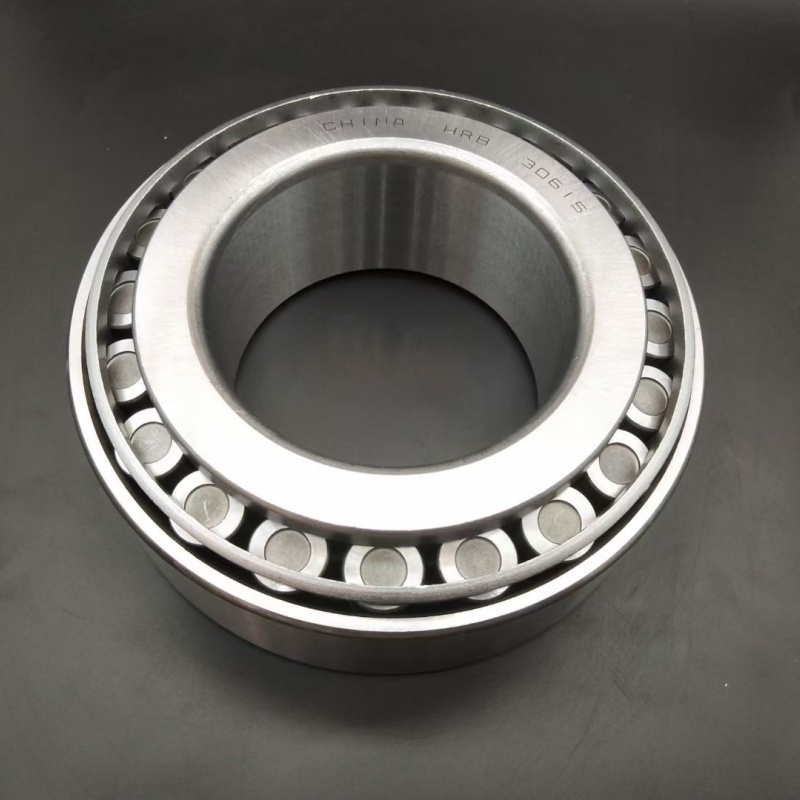
Let me compare bearing materials and show you which one saves energy over the long run.
I have supplied bearings to mining and construction equipment customers. They run heavy loads every day. They need bearings that do not deform or wear out fast. But heavy loads also create more friction. So the material must be both strong and smooth.
Standard chrome steel (GCr15 / SAE 52100)
This is the most common bearing steel. It has 1% carbon and 1.5% chromium. It is through-hardened to 60-64 HRC. For most heavy load applications, this steel works well. But the quality varies a lot between factories. The key is vacuum degassing. That process removes oxygen and inclusions from the steel. Fewer inclusions means fewer places where cracks can start. At our factory, we only use vacuum degassed steel from certified mills. We also do ultrasonic testing on every batch of raw material. That gives us clean steel with a long fatigue life.
Case hardened steel (e.g. 20CrMo or 8620)
For very heavy loads with shock, case hardened steel is better. The surface is hard (60+ HRC) but the core is softer and tougher. This absorbs impacts without cracking. The downside is cost – about 50% more than chrome steel. But for hammer mills, crushers, or forging presses, it is worth it. We make custom bearings from case hardened steel for customers in Brazil and South Africa.
Ceramic hybrid bearings
These have steel rings but ceramic (silicon nitride) balls. Ceramic balls are lighter and harder than steel balls. They create less friction at high speed. They also do not rust. For heavy loads at high speed (like in a centrifugal separator), hybrid bearings last much longer. The friction reduction can be 20% compared to all-steel bearings. The price is higher – about three to four times. But the energy savings and extended life can pay back quickly in critical machines.
Heat treatment and dimensional stability
A bearing that changes size over time will lose its internal clearance. That creates extra friction and heat. So the steel must be stable. We use a stabilization heat treatment. For bearings that run at high temperatures (above 120°C), we use special high-temperature stabilization. This costs more but prevents the bearing from growing or shrinking.
Here is a material selection table for heavy load efficiency.
| Load type | Speed | Best material | Efficiency impact | Relative cost |
|---|---|---|---|---|
| Steady heavy load | Low (under 1000 RPM) | Vacuum degassed chrome steel | Good (low rolling friction) | 1x |
| Shock loads | Any | Case hardened steel | Good (toughness prevents dents) | 1.5x |
| Heavy + high speed | Over 3000 RPM | Ceramic hybrid | Excellent (lowest friction) | 4x |
| Corrosive + heavy | Any | Stainless steel 440C | Good but higher friction than chrome | 3x |
My final advice: do not over-specify. For most industrial heavy loads, vacuum degassed chrome steel with good heat treatment is enough. Spend your money on precision (P5) and low-friction grease first. Then consider upgraded materials. That gives you the best return on investment.
Conclusion
Efficient bearings use tight precision, smooth surfaces, low-friction lubricants, and high-quality steel. Upgrade these factors and your machines will run cooler and cheaper.
Tags:
