
When your rotating equipment breaks down, the bearing is often the first part to fail. And that failure stops your whole production line.
Low-quality bearings wear out fast, cause unplanned downtime, and raise your maintenance costs. High-quality bearings keep your pumps, motors, and compressors running smoothly for years.
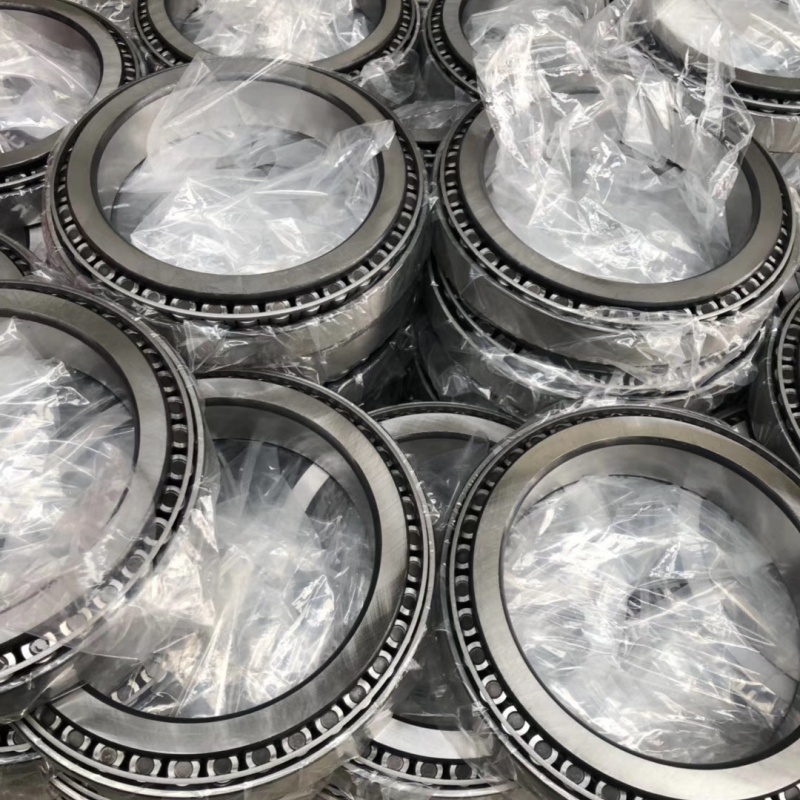
You might think all bearings look the same from the outside. But inside, the difference in steel, heat treatment, and precision changes everything. Let me walk you through what really happens inside a bearing when it runs. I will also share what I have learned from working with factories and distributors around the world.
What Happens Inside a Bearing When It Overheats?
Heat is a silent killer. You do not see it right away, but your bearing starts dying from the inside.
When a bearing overheats, the metal expands, the lubrication breaks down, and the clearances close up. Then the rolling elements scrape against the raceways, create more heat, and soon the bearing seizes or cracks.
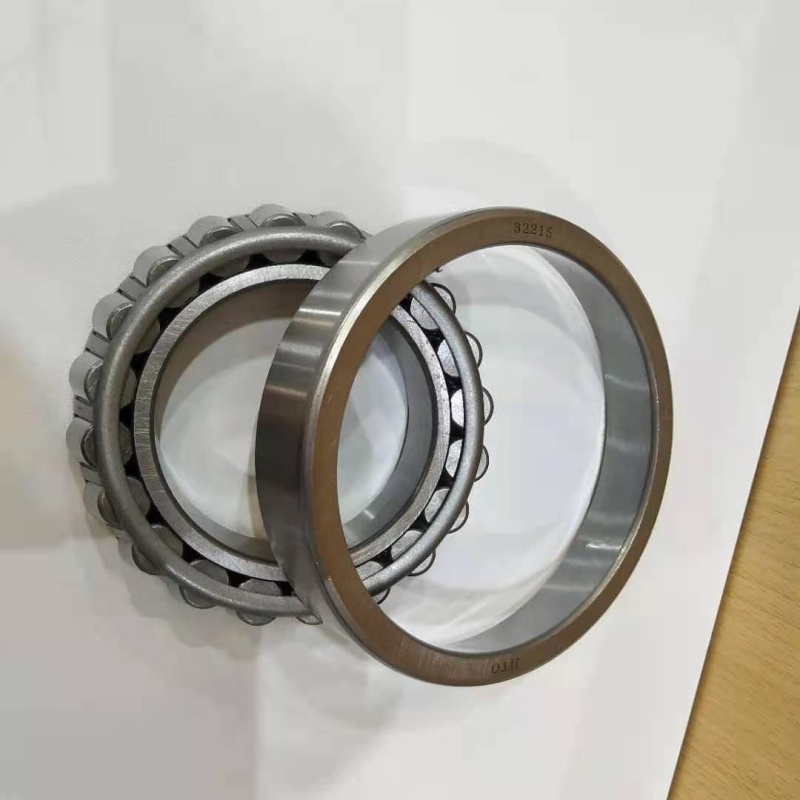
The Chain Reaction of Heat
Overheating does not happen in one big step. It happens step by step. Let me break it down for you.
First, high temperature comes from three main places: too much friction, wrong lubrication, or an outside heat source (like a hot shaft). Once the bearing gets past 120°C (248°F), the steel starts to lose its hardness. Most bearing steels have a hardness of 58–62 HRC. But heat above 150°C starts to drop that number fast. Soft steel cannot carry the load. It will deform.
Second, heat changes the bearing’s internal clearance. Every bearing has a small gap between the rolling element and the raceway. That gap is there for a reason. It lets the bearing handle thermal expansion and a bit of misalignment. When you overheat the bearing, the inner ring expands more than the outer ring. The gap closes. Then the rolling elements get squeezed. This creates even more friction and even more heat. It is a deadly loop.
Third, heat kills your grease or oil. Standard grease starts to fail at around 80–100°C. The oil separates, the thickener burns, and you are left with hard residue. Without good lubrication, metal touches metal. That is when you see scoring, smearing, and finally welding of surfaces.
Here is a simple table I use with my customers to explain the stages of overheating:
| Temperature Range | What Happens to the Bearing | What You Should Do |
|---|---|---|
| 80°C – 100°C | Lubrication starts to break down. Oxidation accelerates. | Check lubricant type and relubrication interval. |
| 100°C – 150°C | Steel tempering begins. Hardness drops. Clearance reduces. | Switch to high-temperature grease. Increase cooling. |
| 150°C – 200°C | Raceway and rolling elements show discoloration (blue/brown). Rapid wear. | Stop the machine. Replace bearing immediately. |
| Above 200°C | Structural change of steel. Risk of seizure or fracture. | Complete failure. Redesign cooling or bearing size. |
I remember one customer from Egypt. He ran a water pump for 24 hours a day. The bearing temperature went up to 130°C. He did not change the grease. After two weeks, the bearing locked up. The whole pump shaft broke. That repair cost him ten times the price of a good bearing.
So how do you stop overheating? Use a bearing with the right thermal stability. Choose the right internal clearance (C3 or C4 for high heat). And always check your lubrication schedule. A small investment in quality bearings saves you from big headaches later.
Which Are the Top Bearing Types for Common Rotating Equipment (Pumps, Motors, Compressors)?
Not all bearings work for every machine. Pick the wrong type, and you invite failure early.
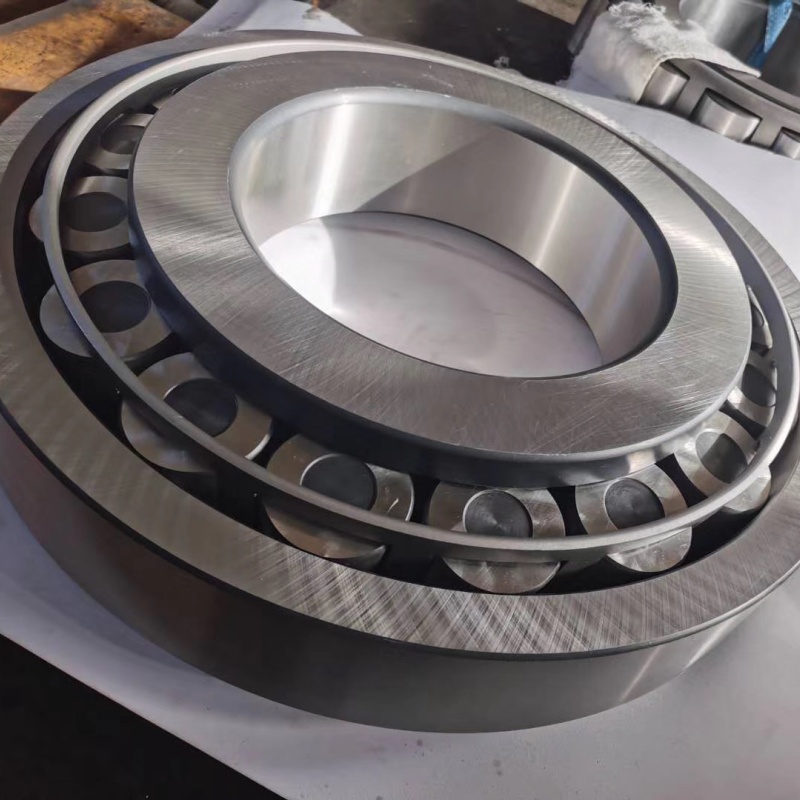
For pumps, deep groove ball bearings and angular contact bearings handle radial and axial loads well. For motors, deep groove ball bearings are the most common. For compressors, cylindrical roller bearings and tapered roller bearings take heavier loads and higher speeds.
Matching Bearing Type to Your Machine
I often talk to procurement managers like Rajesh from India. He buys bearings for pumps, motors, and compressors. His biggest problem is wrong selection. He sees a bearing that fits dimensionally, so he buys it. But the internal design does not match the load or speed.
Let me give you a practical guide. Use this when you choose bearings for your customers or your own machines.
Pumps
Most centrifugal pumps use deep groove ball bearings on the drive end and non-locating bearings on the other side. The reason is simple. Pumps have radial loads from the impeller. They also have some axial thrust. Deep groove ball bearings handle both. For big pumps or high-pressure pumps, you might need angular contact ball bearings in pairs. They take higher axial loads.
What about bearing size? For small pumps up to 30 kW, a 6200 or 6300 series is fine. For larger pumps, go to 6400 series or even cylindrical roller bearings on the shaft.
Motors
Electric motors run at high speeds. Most motors run at 1500, 3000, or 3600 rpm. You need bearings that keep noise and vibration low. Deep groove ball bearings with C3 clearance are the standard. Why C3? Because the motor shaft gets hot and expands. C3 gives extra room for that expansion. Without it, the bearing binds up.
In small motors, you see 6200 and 6300 series. In big industrial motors, you sometimes see spherical roller bearings on the output shaft. But that is less common. For motor repair shops, always keep deep groove ball bearings with metal shields (ZZ) or rubber seals (2RS). Dust and dirt kill motor bearings fast.
Compressors
Compressors come in two types: reciprocating and screw. Reciprocating compressors have heavy shock loads. You need cylindrical roller bearings or tapered roller bearings for the crankshaft. These bearings have line contact instead of point contact. That means they spread the load over a bigger area. No deep groove ball bearing can take that pounding for long.
Screw compressors run smoother and faster. They use angular contact ball bearings on the male rotor. These bearings manage both radial and axial loads at high rpm. I tell my customers: always check the axial clearance on screw compressors. If the bearing has too much play, the rotors touch each other. That ruins the whole unit.
Here is a quick lookup table:
| Equipment Type | Recommended Bearing Types | Typical Series | Special Notes |
|---|---|---|---|
| Centrifugal pump | Deep groove ball bearing | 6200, 6300, 6400 | Use C3 clearance for hot pumps |
| Large industrial pump | Angular contact (pair) or cylindrical roller | 72xx, NU series | Check axial thrust direction |
| Electric motor | Deep groove ball bearing | 6200, 6300, 6000 | C3 clearance, ZZ or 2RS seals |
| Reciprocating compressor | Cylindrical roller or tapered roller | NU, NUP, 302xx, 303xx | High load capacity needed |
| Screw compressor | Angular contact ball bearing | 70xx, 72xx | Precision grade P5 or higher |
I have a simple rule. When in doubt, ask the OEM or your bearing supplier. Do not guess. A wrong bearing type will cost you more in downtime than the price of the right one.
How Can You Identify High-Quality Bearings Through Key Materials and Manufacturing Standards?
You see two bearings that look the same. One costs half the price. But the cheap one fails in three months. How do you know the difference before you buy?
Look at the steel grade, heat treatment, and precision class. High-quality bearings use vacuum degassed bearing steel (GCr15 or equivalent), through-hardening or case hardening, and meet ISO P5 or P6 standards. These features give you longer life and quieter running.
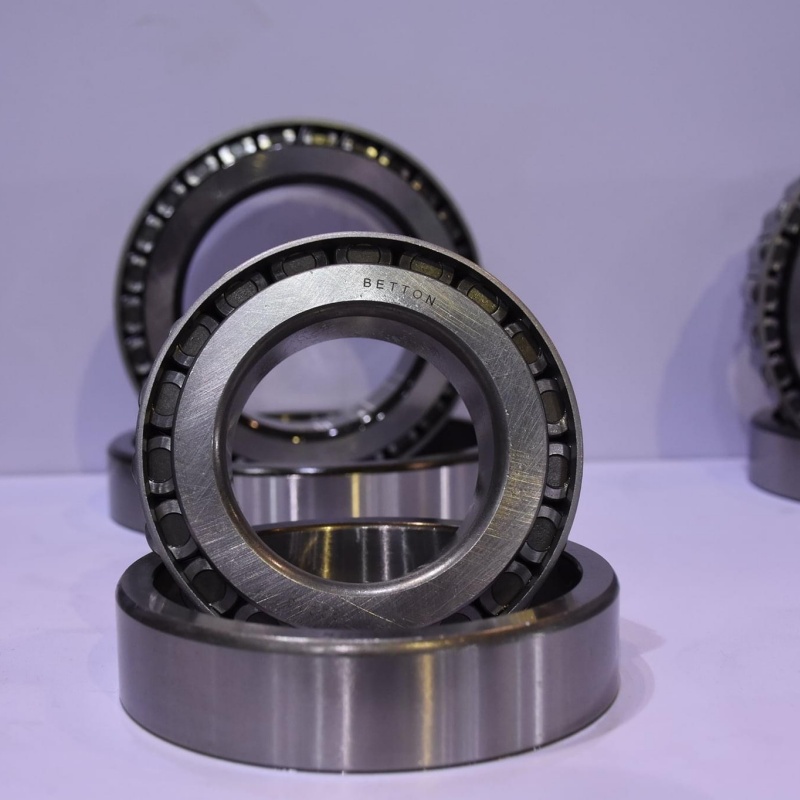
Three Things That Separate Good Bearings from Bad Ones
I run a bearing factory myself. We make deep groove ball bearings, taper roller bearings, and many other types. Over the years, I have seen fake bearings and low-grade bearings from many countries. They look shiny on the outside. But inside, they are a disaster.
Let me show you the three most important quality checks. You can use these to test your suppliers.
1. Steel Material
The best bearing steel has few impurities. It uses vacuum degassing to remove oxygen and non-metallic inclusions. In China, we call the standard steel GCr15 (similar to 52100 in the US or 100Cr6 in Europe). Good steel has a uniform carbide distribution. Bad steel has large carbide clusters. Those clusters become stress points. Under load, cracks start there.
Ask your supplier for a material certificate. A real factory will give you one. A trader might not. Also look at the bearing surface. Good steel after grinding looks smooth and uniform. Cheap steel might have tiny pits or uneven color.
2. Heat Treatment
Heat treatment decides how hard and tough the bearing is. A good bearing gets through-hardened or case-hardened to 58–62 HRC. The hardness must be consistent all the way through. Some cheap bearings only have a hard surface. The inside stays soft. After a few months, the rolling elements dent the raceway. That is called brinelling.
I recommend you ask for a hardness test report. Most real factories have Rockwell testers. They check every batch. Also look for the “grinding burn” sign. If the bearing has blue or brown spots on the raceway after grinding, the heat treatment was bad. Do not buy it.
3. Manufacturing Precision (P0, P6, P5)
Bearing precision follows ISO classes. P0 is normal. P6 is higher. P5 is even tighter. For most pumps and motors, P0 is okay. But for high-speed or low-noise applications, you need P6 or P5. The precision affects the running accuracy. A P5 bearing has rounder raceways, smoother surfaces, and tighter tolerances on width and inner diameter.
How can you check without expensive tools? You can do a simple spin test. Hold the bearing and spin the inner ring by hand. A high-quality bearing spins smoothly and quietly. A low-quality bearing feels rough or makes a scratchy sound. Of course, this is not a lab test. But it gives you a quick feeling.
Here is a comparison table I share with my buyers:
| Feature | High-Quality Bearing | Low-Quality (Fake) Bearing |
|---|---|---|
| Steel grade | GCr15 vacuum degassed | Unknown carbon steel |
| Hardness (HRC) | 58–62, uniform | 50–55, or hard only on surface |
| Surface finish (Ra) | ≤0.1 μm on raceway | >0.2 μm, visible grinding marks |
| Internal clearance | Matches ISO or ABEC standard | Random, may be too tight |
| Noise level (dB) | Low and even | High or irregular |
| Brand marking | Clear, laser or etched | Blurry, wrong font |
One more thing. Always buy from a known factory or an authorized distributor. I have seen fake SKF and FAG bearings in the market. They put good boxes with bad bearings inside. If the price is too good to be true, it is a fake. Do not risk your equipment.
At FYTZ Bearing, we mark every bearing with our brand and the batch number. You can trace it back to our production line. That is the kind of transparency you should demand.
What Are the Common Failure Modes in Rotating Equipment Bearings and How to Prevent Them?
Your bearing stops working. You take it out. It looks damaged. But do you know why it failed? Most failures repeat because no one finds the real cause.
The four most common failure modes are fatigue spalling, abrasive wear, lubricant failure, and false brinelling. You can prevent them by choosing the right load rating, keeping dirt out, using clean grease, and stopping vibration when the machine is off.
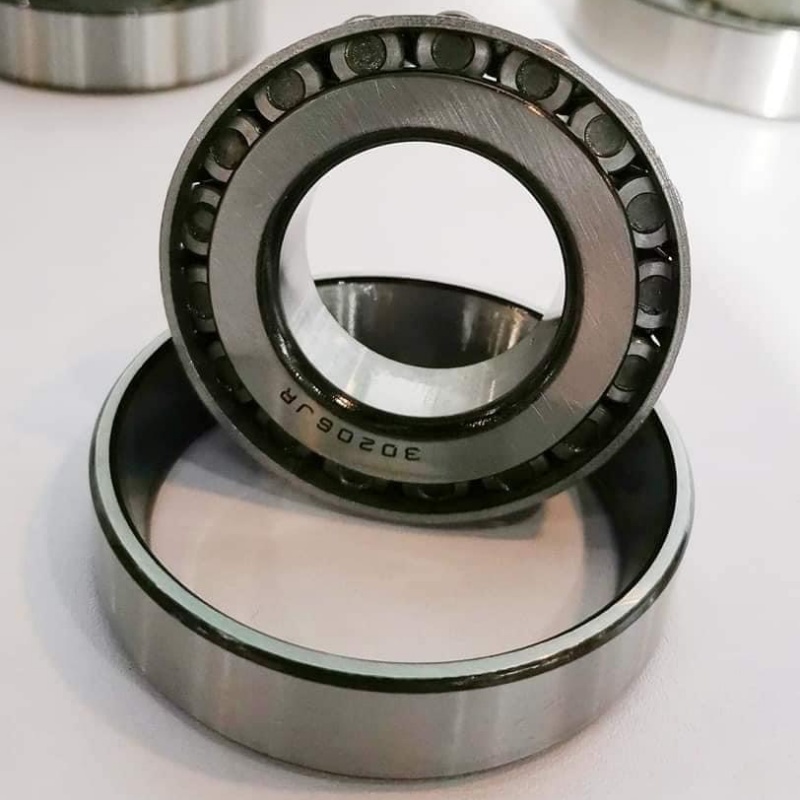
Learn to Read the Damage on Your Old Bearings
I have looked at thousands of failed bearings at customer sites. In India, Russia, Brazil, everywhere. The story is always the same. The maintenance team throws the old bearing away and puts in a new one. But the new bearing fails again in the same time period. Why? Because they did not fix the root cause.
Let me teach you how to read four common failure modes. Once you know what to look for, you can stop the problem before it kills your next bearing.
Fatigue Spalling
What you see: Flakes or pieces of metal coming off the raceway or rolling elements. The surface looks like it has small pits or craters.
What it means: The bearing reached the end of its calculated life. Or the load was higher than expected. Every bearing has a rated life (L10 life). That is the number of revolutions that 90% of a group of bearings will survive. If you overload the bearing, you shorten that life fast.
How to prevent it: Use a bigger bearing or one with a higher dynamic load rating. Check your actual load against the catalog rating. Also look at your lubrication. Thin oil causes metal contact and speeds up spalling.
Abrasive Wear
What you see: The raceway or rolling elements look dull, matte, or have fine scratches. It looks like sandpaper went over the surface.
What it means: Dirt got inside the bearing. Dust, sand, or metal particles act like grinding powder. They eat away the metal slowly. This is very common in construction equipment, mining machines, and outdoor pumps.
How to prevent it: Improve your sealing. Use rubber-sealed bearings (2RS) or better housing seals. Also keep your storage area clean. I have seen new bearings that sat on a dusty shelf for months. When the customer installed them, they already had abrasive wear on day one.
Lubricant Failure
What you see: The grease inside the bearing is hard, black, or separated. Sometimes you see rust inside the bearing.
What it means: The grease got too hot, too old, or contaminated with water. Without good lubricant, metal touches metal. Then you get wear, heat, and seizure.
How to prevent it: Follow a relubrication schedule. For normal conditions, relubricate every 6 to 12 months. For high heat or high moisture, do it more often. Use the right grease type. Lithium-based grease works for most industrial applications. For high-speed motors, use polyurea grease. For water pumps, use grease with good water resistance.
False Brinelling
What you see: Polished or worn areas on the raceway at the same spacing as the rolling elements. It looks like someone hammered small dents into the raceway.
What it means: The bearing was not rotating, but it was vibrating. For example, a motor on a truck that is not running but the truck drives down a rough road. The vibration makes the rolling elements rub the raceway. This wears away the lubricant and then the metal.
How to prevent it: When the machine is off, isolate the vibration. For equipment shipped by truck, use special bearing locks or blocks. During storage, rotate the shaft once a month to move the grease.
Here is a simple checklist I give to my customers for failure inspection:
| Failure Mode | Visual Sign | Most Likely Root Cause | Quick Prevention |
|---|---|---|---|
| Fatigue spalling | Pits and flakes on raceway | Overload or end of life | Increase bearing size or load rating |
| Abrasive wear | Dull, scratched surface | Dirt ingress | Better seals, clean assembly |
| Lubricant failure | Hard/burned grease, rust | Wrong grease, too hot | Relubricate regularly, use correct grease |
| False brinelling | Polished marks at rolling pitch | Vibration while stopped | Isolate vibration, rotate shaft weekly |
I had a customer in Vietnam. He ran rice mill machines. His bearings failed every two months. The raceway always had false brinelling marks. I asked him how he stored the machines during the rainy season. He said they just sat in the shed. The ground vibrated from traffic. That vibration caused the damage. We told him to put rubber pads under the machines and rotate the shafts every two weeks. Failures dropped by 80%.
So do not just replace your bearing. Read the damage. Fix the real problem. Then choose a high-quality bearing that matches your real working conditions.
Conclusion
Good bearings keep your machines running. Bad bearings cost you money and downtime. Always check material, precision, and the real failure cause.
