
You just lost a whole container of bearings because of a small scratch on the raceway. That scratch came from bad handling during transport.
Deep groove ball bearings need careful handling from the factory to your machines. You can avoid damage by checking each bearing before transport, using proper lifting tools, blocking moisture, and following the right mounting steps.
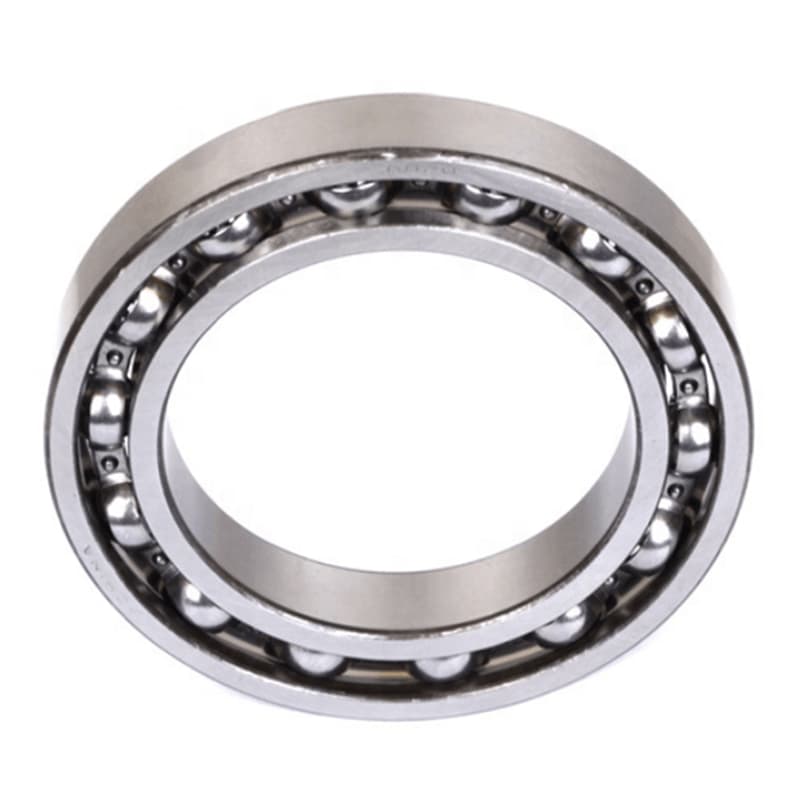
I have worked in the bearing business for more than 15 years. My company FYTZ Bearing ships thousands of deep groove ball bearings every month to customers like Rajesh in India. I have seen too many problems from simple mistakes. Let me walk you through the safe way to handle these bearings. You will save money and keep your customers happy.
Pre-Transport Inspection and Packaging Requirements?
You just pulled a bearing from a sealed bag, and you see rust on the outer ring. That rust came from bad packaging before the truck even left the warehouse.
You must inspect every bearing lot before you pack it. Check the raceways, the balls, and the seals for any visible flaws. Then use anti-rust paper and vacuum-sealed plastic bags for each bearing. Finally put them in strong cartons with foam inserts.
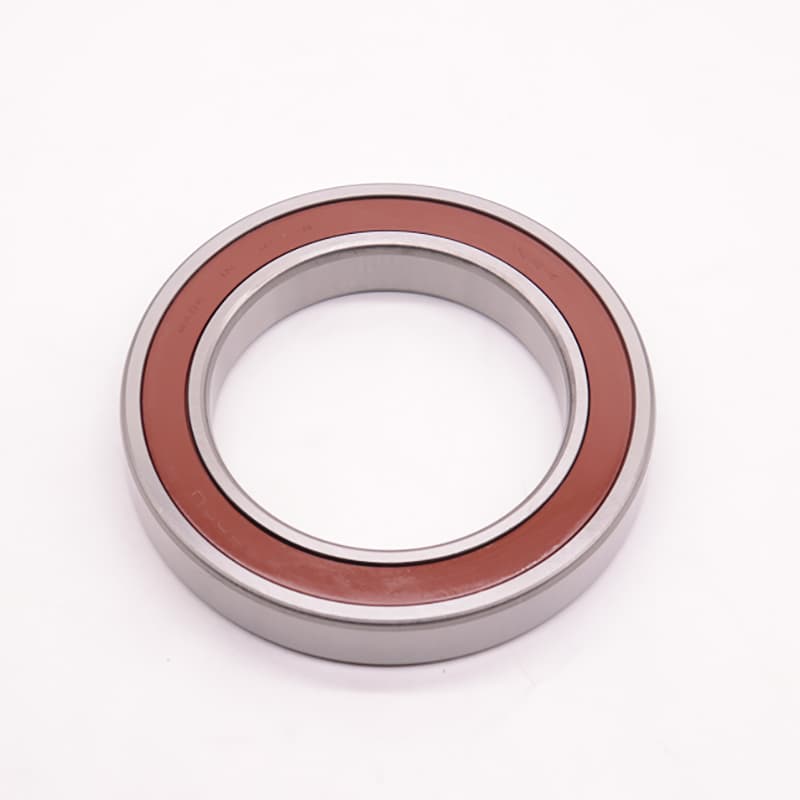
Why Most Factory Packaging Is Not Enough for Long Transit
Many bearing makers only put a thin layer of oil and a simple plastic bag. That works for a short trip inside the same city. But your bearings may travel by truck, then by ship, then by another truck. That can take 30 to 60 days. During that time, temperature changes and vibrations can break the oil film.
I learned this the hard way. One of my first big orders to Brazil arrived with rust spots on 15% of the bearings. The customer almost canceled our contract. Now I use a three‑layer protection system for all deep groove ball bearings that go overseas.
My three‑layer rule:
| Layer | Material | Purpose |
|---|---|---|
| First | VCI (vapor corrosion inhibitor) paper wrapped around each bearing | Stops rust even if humidity gets inside |
| Second | Heat‑sealed polyethylene bag with desiccant pouch | Blocks outside moisture and absorbs any leftover water |
| Third | Corrugated cardboard box with die‑cut foam inserts | Absorbs shock and stops bearings from hitting each other |
You also need to check the box’s stacking strength. A standard carton can hold about 200 kg. When you load 20 boxes on a pallet, the bottom box takes 4,000 kg. That will crush normal cardboard. So use double‑wall boxes for any pallet that goes over 1 meter high.
One more thing: always label the box with “DO NOT DROP” and “KEEP DRY”. Your shipping team may ignore these signs, but the customs officers and warehouse workers will see them. It is a small step that saves big trouble.
Safe Lifting and Loading Procedures to Avoid Impact Damage?
You drop a box of bearings from the truck tailgate. The box looks fine from outside. But inside, the raceways have dents. Those dents will make noise and short life when the bearing runs.
You can avoid impact damage by using proper lifting tools and a strict loading routine. Always lift one box at a time with two hands. Use a pallet jack for full pallets. Never throw or slide boxes. Put soft mats on the truck floor before you stack any boxes.
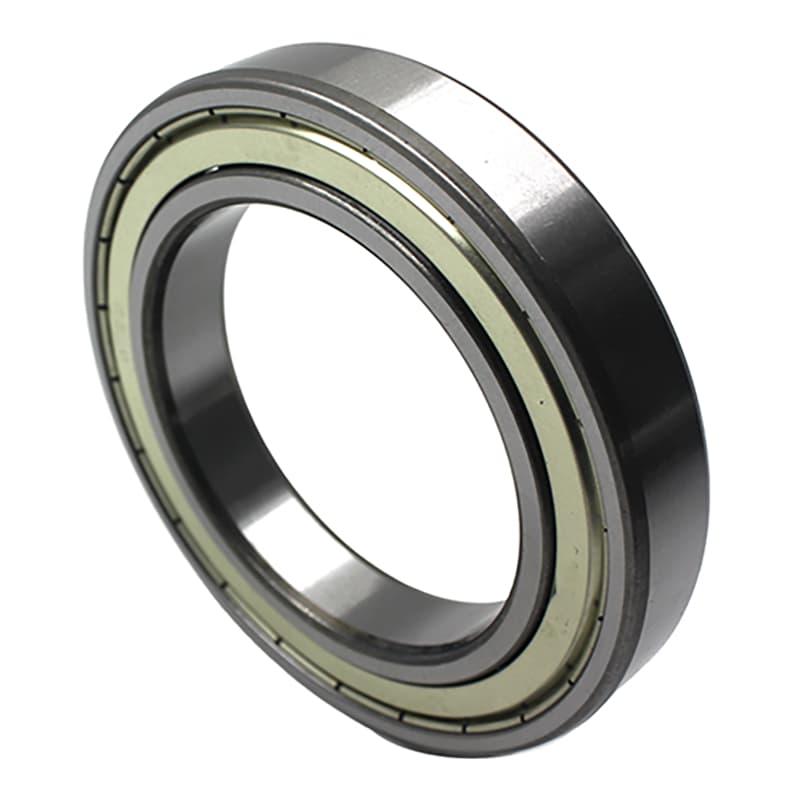
What Happens Inside a Bearing When You Drop It?
A deep groove ball bearing looks strong. The outer ring is hard steel. But the steel is also brittle. A drop from waist height creates a shock force of up to 500 G. That is enough to make tiny cracks in the raceway surface. You cannot see these cracks with your eyes. But when the bearing spins, the cracks grow. Then the bearing fails after only 500 hours instead of 50,000 hours.
I once visited a customer in Indonesia. He complained that my bearings broke too fast. I asked him to show me his unloading process. His workers took each carton from the container and dropped it onto a concrete floor from shoulder height. "We are careful," he said. I showed him a bearing from that batch under a magnifying glass. The raceway had small brinell marks. He changed his process after that.
Three simple rules to prevent drop damage:
| Action | Safe Method | Bad Method |
|---|---|---|
| Moving boxes from pallet to truck | Slide box onto a roller conveyor or use a lift table | Throw or slide box across metal floor |
| Stacking boxes | Place each box gently, aligning corners | Drop box onto the stack from 10 cm or more |
| Using pallet jacks | Push slowly over smooth ramps | Jerk the jack over bumps or edges |
You also need to check the truck floor. Many trucks have sharp edges or old nails. Put a 5 mm rubber mat on the floor before you load the first box. The mat stops small vibrations from turning into big shocks. And tell your team to walk, not run. Running with a box of bearings is the fastest way to make scrap metal.
Controlling Moisture, Dust, and Corrosion During Transit?
You open a container after a 40‑day sea trip. The inside walls are wet with condensation. Your bearing boxes feel damp. This moisture will ruin your bearings in a week.
You can control moisture and dust by using desiccant bags, sealing the container, and adding a vapor barrier liner. Also keep the container away from hot sun and cold nights that cause sweating inside.
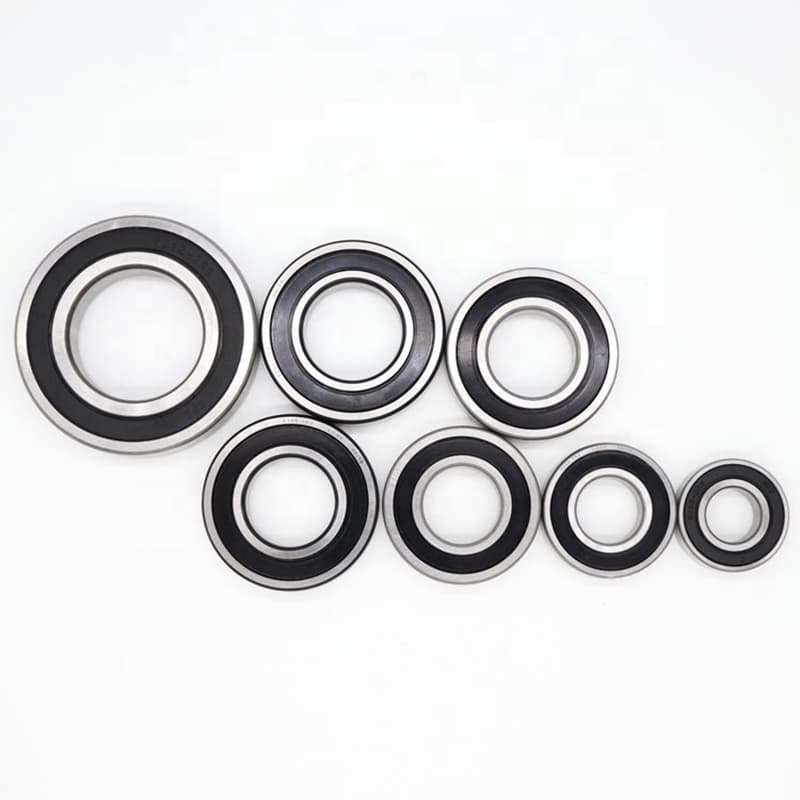
Why Temperature Change Is Your Biggest Enemy at Sea
A shipping container goes through wild temperature swings. Daytime in the tropics: 45°C inside the container. Nighttime: 15°C. This 30°C drop makes the air inside reach 100% humidity. Water condenses on every cold surface. That includes the metal parts of your bearings, even if they are inside a plastic bag.
I saw this destroy a whole order to Egypt. The customer stored the container in the sun for three days before unloading. The condensation was so bad that water pooled at the bottom of each carton. We lost $20,000 worth of deep groove ball bearings. Now I always add a “breathing” step.
How to stop condensation:
| Problem | Solution | How it works |
|---|---|---|
| Humid air inside container | Put 5 kg of silica gel desiccant in each container | Absorbs moisture before it can condense |
| Cold metal + warm air | Use a container with a vapor barrier liner (aluminum film) | Stops warm air from reaching cold metal |
| Dust from dirty floors | Place all cartons on wooden pallets, not directly on floor | Keeps cartons away from ground dust and moisture |
Also check the container before loading. Look for holes in the roof or walls. Even a small hole can let in sea spray or rain. Seal any hole with strong tape. And never use a container that smells like chemicals. Some chemicals react with steel and cause rust in just a few hours.
One more trick from my factory: put a humidity indicator card inside each master carton. The card has spots that change color from blue to pink when humidity goes above 50%. When your customer opens the box, he can see the card. If it is pink, he knows to check the bearings immediately. That honesty builds trust. I use these cards for all exports to Brazil and India.
Proper Mounting Tools and Techniques for Installation?
You hammer a deep groove ball bearing onto a shaft. The inner ring cracks because you used a steel hammer. Now the bearing is useless.
You can mount bearings safely by using the right tools. For small bearings, use a mechanical or hydraulic press. For medium bearings, use a bearing heater to expand the inner ring. For large bearings, use an induction heater. Never hit the bearing directly with any metal tool.
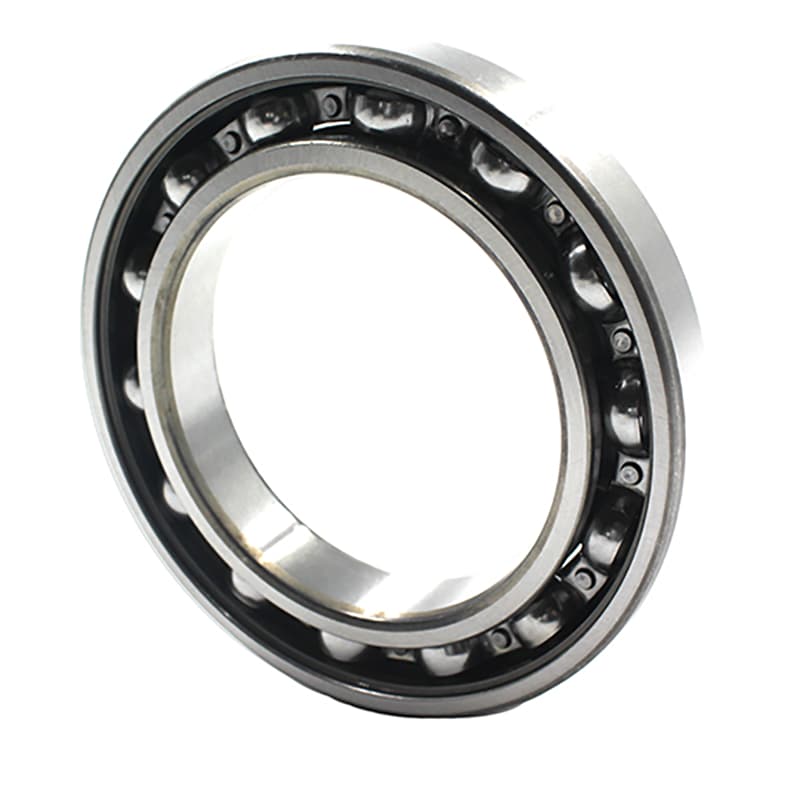
Why “Hit It Hard” Is the Worst Installation Method
I have seen factory workers in many countries use a hammer and a piece of pipe to install bearings. They say it is fast. But each hammer blow sends a shock wave through the rolling elements. That shock makes small dents in the raceways. These dents are called brinelling. A bearing with brinelling will vibrate and make noise from the first day of use.
One of my distributors in Pakistan called me angry. He said my bearings were rough. I flew to his warehouse. His mechanic was using a brass drift and a 2 kg hammer. The brass was soft, so no marks on the outside. But inside, the balls had flat spots. I showed the mechanic the correct way with a bearing heater. He agreed to change. Now his customers report longer bearing life.
Compare the three safe mounting methods:
| Method | Best for | Time | Risk of damage |
|---|---|---|---|
| Mechanical press | Bearings up to 70 mm bore | 1 minute per bearing | Low, if you press only on the ring that fits tight |
| Oil bath heating | Bearings 70 mm to 200 mm bore | 10 minutes per bearing | Medium, if you overheat (max 110°C) |
| Induction heater | All sizes, especially large | 2 minutes per bearing | Very low, because heating is even and fast |
You also need to clean the shaft and housing before mounting. Use a clean cloth and a little solvent. Remove all burrs and old glue. Then put a thin layer of oil on the shaft. This helps the bearing slide without scratching.
One more tip: never spin a bearing with compressed air after you mount it. Some mechanics do that to “test” the bearing. The air blows the balls against the raceway at high speed with no oil film. That causes immediate wear. Spin it by hand instead. It should feel smooth and quiet.
Conclusion
Inspect, pack tight, lift gently, block moisture, and use heat to mount. These five steps keep your deep groove ball bearings safe from factory to final machine.
Tags: