
You bought a treadmill. It broke down in three months. The noise started from the bearings.
Deep groove ball bearings reduce friction and handle both radial and axial loads. They keep fitness equipment quiet and rotating consumer machines running longer. Without good bearings, your machines fail fast.
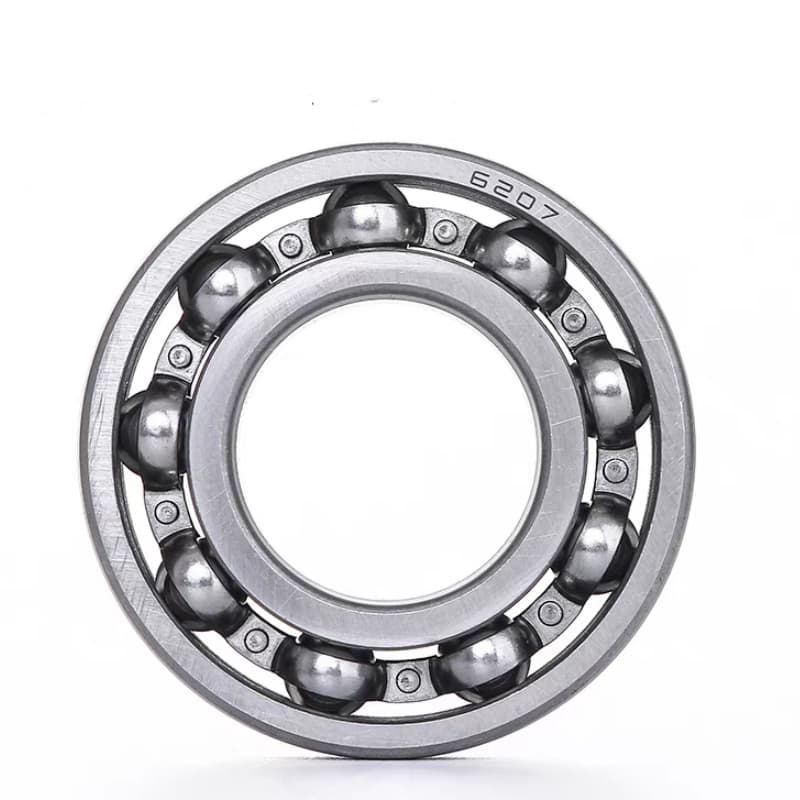
I get calls like this every week from buyers like Rajesh. He told me, “My customers complain about noisy exercise bikes.” So let me show you what I have learned from making bearings for 15 years.
Why Deep Groove Ball Bearings Are Critical for Fitness Equipment?
Your elliptical trainer starts squeaking after 200 hours. Clients return the whole machine. You lose money and reputation.
Fitness equipment runs under high load and variable speeds. Deep groove ball bearings absorb shock from sudden movements. They also keep noise below 30 decibels. That is the standard for home gyms.
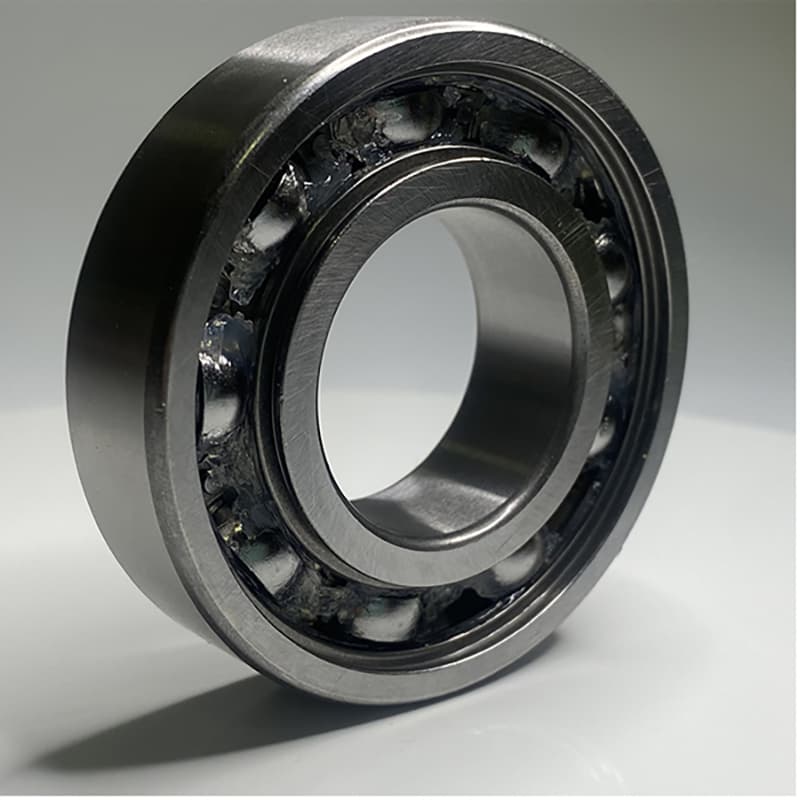
I remember one buyer from Egypt. He sold treadmills to local gyms. After six months, half of them came back. The bearings had cracked. The problem was simple: he used standard bearings, not the right type for fitness gear.
So what makes a bearing “fit” for fitness equipment? Let me break it down.
Three Main Failures in Fitness Equipment Bearings
| Failure Type | Cause | What Happens |
|---|---|---|
| Noise | Low precision raceways | Grinding sound, user complains |
| Vibration | Uneven ball spacing | Handlebar shakes, unsafe |
| Seizure | Poor lubrication | Belt stops, motor burns |
From my factory in China, I see these problems every day. The solution is not just buying any deep groove ball bearing. You need to check three things.
First, the internal clearance. Fitness machines have sudden starts and stops. A treadmill belt pulls hard when someone jumps on. If the clearance is too tight, the bearing heats up and expands. Then it locks. If it is too loose, the machine feels wobbly. For most fitness equipment, I suggest C3 clearance. That gives room for thermal expansion.
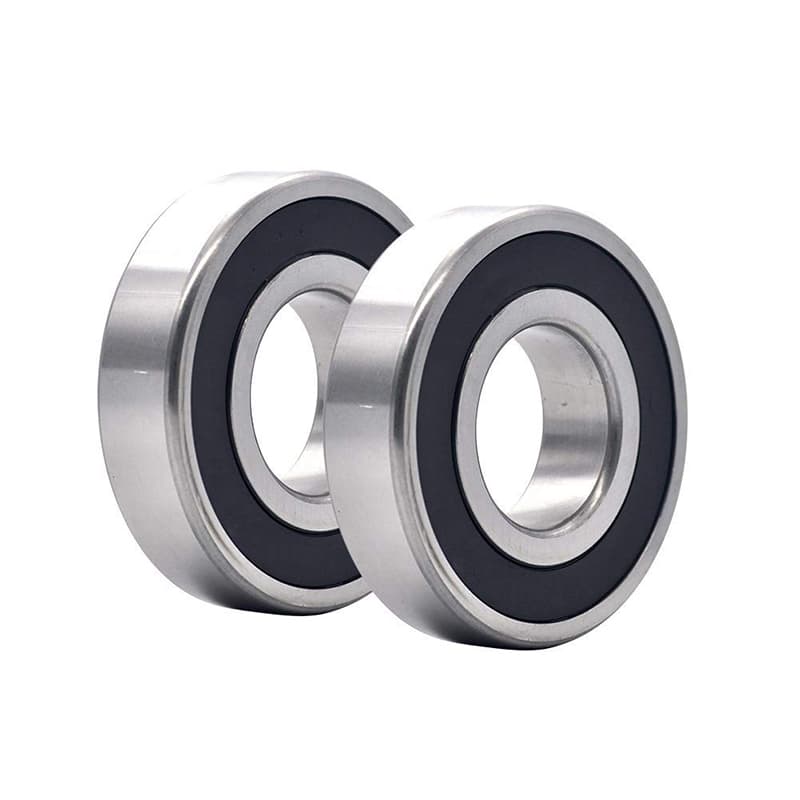
Second, the seal type. Sweat and dust get into everything. A rubber contact seal (2RS) works better than a metal shield (ZZ). The rubber touches the inner ring. It blocks moisture. I have tested both. In a treadmill with 500 hours of use, 2RS bearings last twice as long.
Third, the grease. Normal grease melts at high temperature. A treadmill motor gets hot. So does the bearing. We use a lithium-based grease with a temperature range of -30°C to +120°C. I can send you the data sheet if you need.
One more thing. Many bearing sellers say “precision grade P0 is enough.” But for fitness equipment, I recommend P5 or P6. The difference is the roundness of the raceway. P5 gives lower noise and smoother rotation. You pay maybe 15% more. You save 50% on warranty claims. Rajesh from India learned this the hard way. He now buys only P5 from us.
So when you pick bearings for your spin bike or rowing machine, do not just look at the price. Look at clearance, seal, grease, and precision. That is how you keep your customers happy.
Key Applications in Rotating Consumer Machines?
Your washing machine sounds like a truck. Your blender stops spinning. The common part is a failed bearing.
Deep groove ball bearings sit inside washing machine drums, blender blades, vacuum cleaners, and fans. They allow smooth rotation under high speed and wet or dusty conditions. Without them, these machines seize up.
Rotating consumer machines are everywhere. But each one needs a different bearing design. I learned this when a buyer from Brazil asked me for “one bearing for all home appliances.” That does not work. Let me show you why.
Comparing Bearing Needs for Different Consumer Machines
| Machine Type | Speed (RPM) | Main Load | Special Need |
|---|---|---|---|
| Washing machine | 800-1600 | Radial + axial | Waterproof seal, low noise |
| Blender | 10,000-30,000 | Radial only | High speed, balanced balls |
| Vacuum cleaner | 30,000-50,000 | Radial | Lightweight, low friction |
| Ceiling fan | 200-400 | Radial + slight axial | Silent operation, long life |
A washing machine drum spins slowly but carries heavy wet clothes. The bearing also takes side loads when clothes pile up on one side. That is why we use double-row deep groove ball bearings in some models. Or we use a larger single-row bearing with a reinforced cage.
Now look at a blender. It spins very fast. The blade hits ice cubes and nuts. The bearing gets shock loads. But the load is purely radial. So we do not need a wide bearing. We need a precise one. A small error in ball roundness creates vibration at 20,000 RPM. That vibration breaks the blender jar. I suggest P5 grade and a nylon cage. Nylon is lighter than steel. It reduces centrifugal force.
Vacuum cleaners run even faster. But the load is tiny. The challenge is heat. Small bearings with thin grease can overheat. We use a low-viscosity synthetic grease. And we keep the radial clearance at C3 or even C4. Why? Because the shaft expands at high speed. Tight clearance causes seizure. I have seen vacuum motors burn because of this mistake.
Ceiling fans are the opposite. They run slow but need to be silent for years. The bearing cannot make any clicking sound. That means we must control the ball roundness and raceway surface finish to a very high standard. We also use a special noise-testing machine. Every bearing we ship for fans goes through a decibel check.
So when you manufacture or repair these machines, ask your bearing supplier the right questions. Do not just say “I need a 6202.” Say “I need a 6202 with C3 clearance, 2RS seal, and P5 precision for a washing machine.” That changes everything.
How to Select the Right Deep Groove Ball Bearing for Your Device?
You have ten different machines. You do not want to stock ten different bearings. But one wrong size kills the whole production line.
To select the right deep groove ball bearing, check four things: load direction, speed, operating temperature, and available space. Then match the bearing’s internal clearance, seal, and precision grade. Use our free selection table.
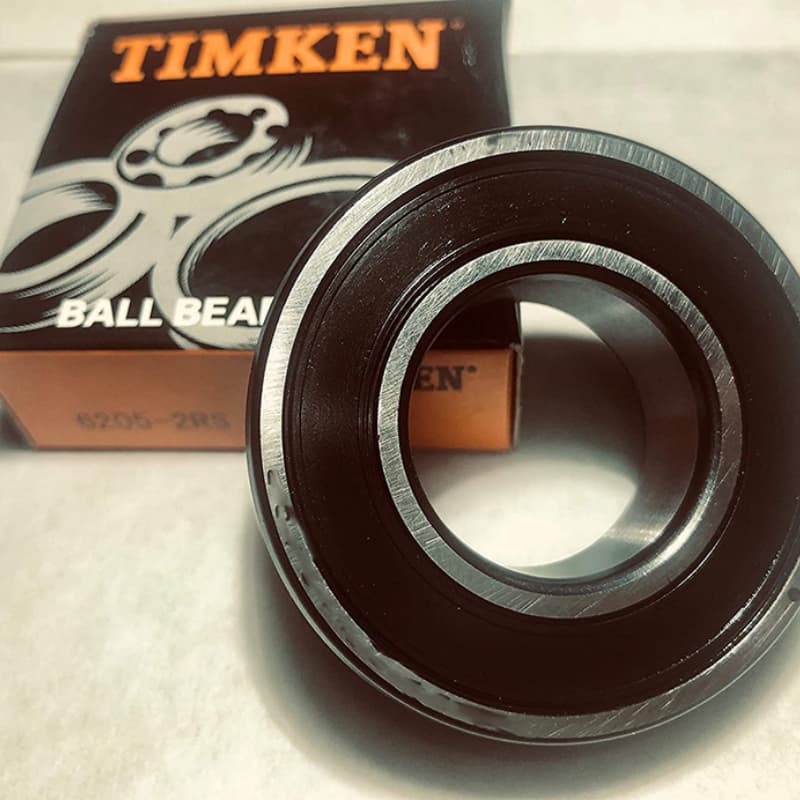
Many buyers just look at the bearing number. For example, 6204. That tells the size. But it does not tell if the bearing works in your device. I have seen a 6204 from one factory last two years. The same number from another factory lasts two months. The difference is in the details.
Let me share my simple selection process. I use it every day with customers like Rajesh.
Step-by-Step Bearing Selection Table
| Step | What to Measure | Common Mistake |
|---|---|---|
| 1 | Shaft diameter and housing bore | Using a dirty caliper, wrong tolerance |
| 2 | Maximum speed of your device | Assuming bearing can run at its speed limit |
| 3 | Type of load (radial, axial, or both) | Ignoring axial loads on a radial bearing |
| 4 | Operating temperature range | Forgetting start-up in cold warehouses |
| 5 | Contamination level (dust, water, chemicals) | Using open bearings in dirty places |
Step 1: Measure exactly. I always tell buyers: "Do not trust the old bearing number." The previous owner might have used a non-standard size. Take a digital caliper. Measure inner diameter, outer diameter, and width. Write them down. Then compare with our catalog. One time a customer from Pakistan ordered 5000 pieces of 6303. He measured wrong. All 5000 were useless. We remade them, but he lost two weeks.
Step 2: Know your real speed. The bearing catalog says "grease limit 10,000 RPM." That is under perfect conditions. In real life, with poor alignment or imbalance, the safe speed is 70% of that. So if your blender runs at 20,000 RPM, pick a bearing rated for 28,000 RPM. Or use oil lubrication instead of grease.
Step 3: Do not mix up loads. A deep groove ball bearing can take some axial load. But not a lot. If your machine pushes hard from the side (like a conveyor belt), use a different type like a taper roller bearing. For fitness equipment, the axial load is usually small. But for a washing machine drum, it is medium. So we often use two deep groove ball bearings back to back. That shares the axial load.
Step 4: Temperature changes everything. A treadmill in an unheated garage in Russia starts at -20°C. The grease becomes thick. The bearing drags. The motor draws more current. We use a low-temperature grease for these cases. On the other hand, a blender near a stove gets hot. The grease thins and leaks. We use a high-temperature grease. Tell your supplier your real temperature range. Do not guess.
Step 5: Seals save lives. Open bearings (no seals) are cheap. But they die fast in fitness equipment and home appliances. I only recommend open bearings for machines inside clean cabinets. For everything else, use rubber seals (2RS). The extra cost is small. The extra life is big.
Here is a real example. A fan manufacturer in Vietnam used ZZ bearings (metal shields). Dust got in after six months. The fans became noisy. They switched to 2RS. The problem disappeared. Now they buy all their bearings from us.
So my advice is simple. Write down these five steps. Use them every time you order bearings. And call me if you are not sure. That is what I am here for.
Maintenance & Lubrication Tips to Extend Bearing Life?
You bought the best bearings. But six months later, they fail again. The problem is not the bearing. It is how you treat it.
To extend bearing life, relubricate every 2,000 running hours or once a year. Use the same grease type. Do not overfill. Clean the area before opening the seal. For sealed bearings, replace them instead of relubricating.
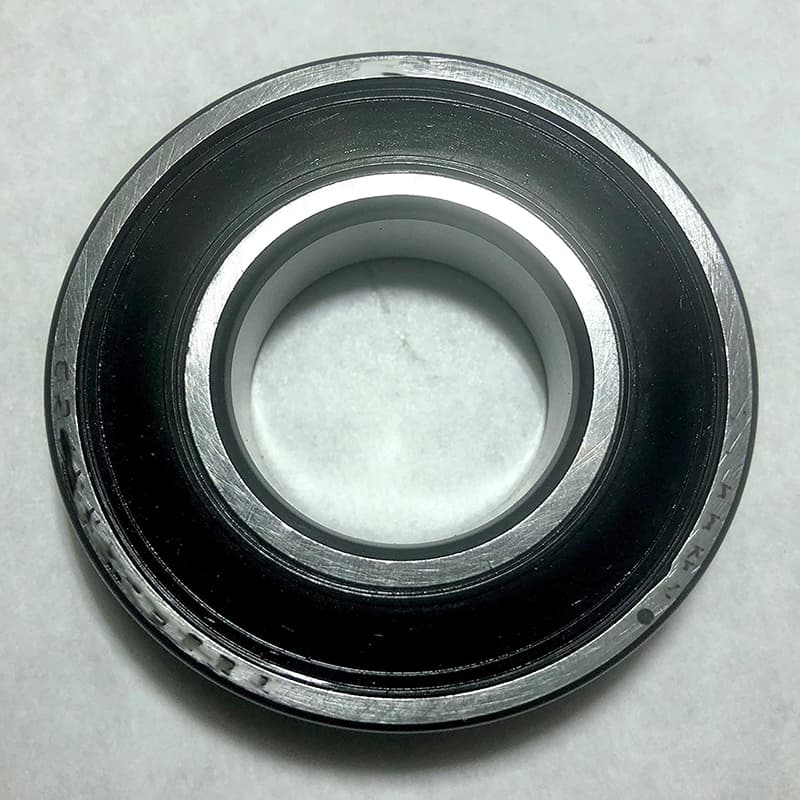
Most bearing failures are not because of bad quality. They come from poor maintenance. I saw this at a textile factory in Turkey. Their machines used 60 bearings. They failed every three months. The owner blamed my bearings. I flew there. The problem was simple: They never cleaned the dust off before relubricating. Dirt went inside with the new grease.
Let me give you my maintenance checklist. I give it to every customer who buys from FYTZ Bearing.
Three Common Lubrication Mistakes
| Mistake | What Happens | Right Way |
|---|---|---|
| Mixing greases | Different thickeners react, grease hardens | Clean out old grease, use same brand |
| Over-greasing | Heat builds up, grease leaks out | Add until you see slight resistance |
| Ignoring re-grease interval | Metal touches metal, bearing wears fast | Set a calendar reminder every 3 months |
First, know when to re-grease. A small fan running 8 hours a day needs grease every two years. A treadmill in a commercial gym running 12 hours a day needs it every six months. A washing machine? You cannot re-grease it easily. So use a sealed bearing and replace it when it fails. That is fine.
For machines with a grease fitting (like some industrial fitness equipment), follow this rule: re-grease after 2,000 running hours. How do you track that? Install an hour meter. Or just do it every season change. Spring and fall are good times.
Second, use the right amount. Too much grease is worse than too little. Extra grease churns and heats up. The heat melts the base oil. The oil runs out. You are left with dry thickener. For a 6204 bearing (common size), use about 1.5 grams of grease. That is half a pea. For a 6308, use 3 grams. I can send you a table.
Third, clean the grease fitting. Before you put the grease gun on, wipe the fitting with a clean cloth. One grain of sand destroys a bearing. I have seen it happen under a microscope. The sand makes a dent in the raceway. That dent creates noise. Then vibration. Then failure.
Now what about sealed bearings? You cannot re-grease them. So do not try. Some people pry open the rubber seal. They put grease inside. Then the seal does not close properly. Dust gets in. The bearing fails in weeks. Just replace the whole bearing. It costs less than the labor of cleaning up a broken machine.
One more tip from my factory. When you store bearings, do not open the package. The factory puts a thin oil film to prevent rust. If you open it, moisture from the air attacks the steel. Keep bearings in a dry room. Temperature between 0°C and 40°C. No direct sunlight.
I tell my customers: “A good bearing with bad maintenance dies fast. A standard bearing with good maintenance lives long.” So spend 10 minutes on training your team. Show them these three mistakes. It will save you thousands of dollars.
Conclusion
Choose the right deep groove ball bearing, maintain it well, and your fitness equipment and consumer machines will run for years.