
Your machine struggles with heavy loads. The bearings get hot and wear out fast. You need a better way.
Tapered rollers improve load handling efficiency by turning point contact into line contact. This spreads the load over a larger area. So the bearing carries more weight with less stress and less heat.
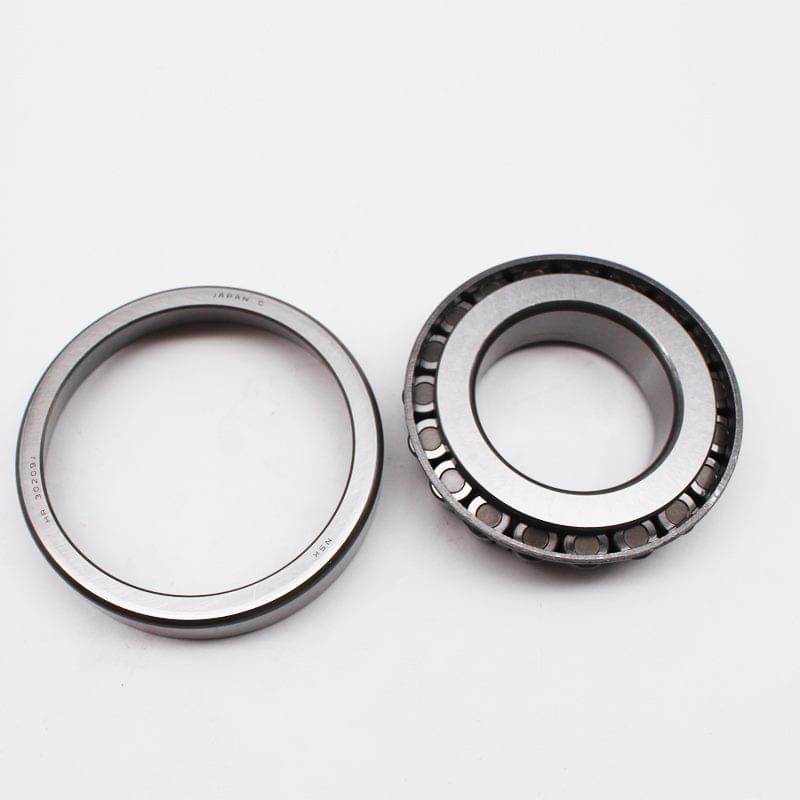
I own FYTZ Bearing, a factory in China. We make taper roller bearings, deep groove ball bearings, pillow block bearings, and more. Every week, I talk to procurement managers like Rajesh from India. They ask me: “Why should I switch to tapered rollers?” The answer is simple. Tapered rollers give you better load handling. In this post, I will explain how their geometry reduces stress. I will compare them with ball bearings. I will show real test results for energy efficiency and heat reduction. And I will cover single‑row to four‑row arrangements. Keep reading.
How Does the Geometry of Tapered Rollers Distribute Load and Reduce Stress Concentration?
A round ball touches the raceway at one tiny point. That point gets all the pressure. A tapered roller touches along a full line. That line spreads the pressure out.
The tapered shape creates a line contact instead of a point contact. This lowers the stress at the contact area by up to 70%. Less stress means less wear, less heat, and longer life.
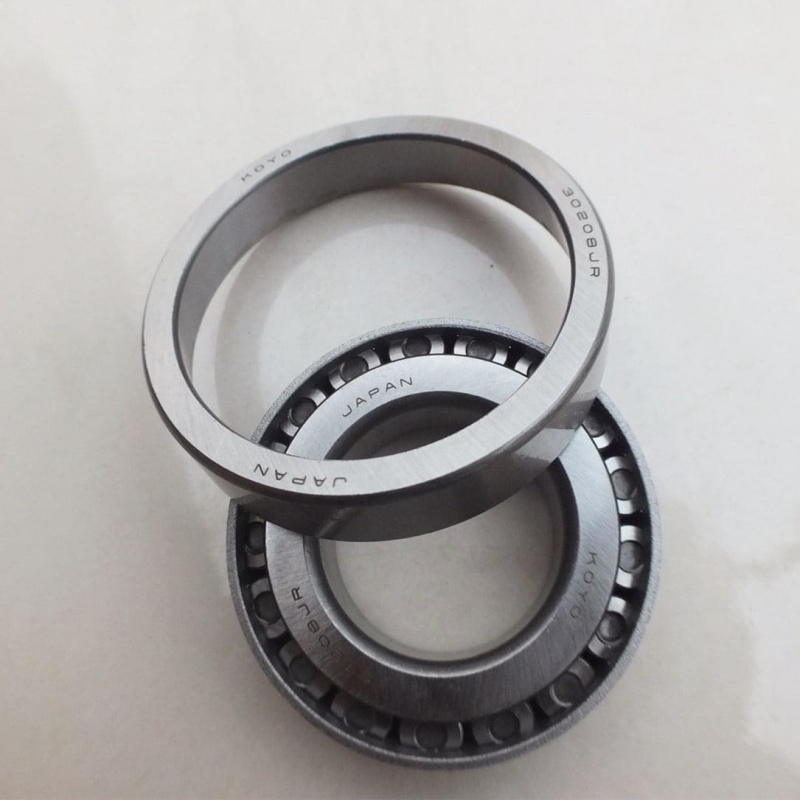
Let me explain the geometry with three simple ideas.
First, line contact vs. point contact. Imagine you stand on a floor with high heels. Your whole weight goes into two small points. That hurts the floor. Now imagine you wear flat shoes. Your weight spreads out. The floor feels fine. A ball bearing is like a high heel. A tapered roller is like a flat shoe. The roller touches the raceway along a straight line. That line can be 5 to 10 millimeters long, depending on the roller size. The load spreads across that line. So the pressure at any single point drops by a lot.
Second, the roller taper angle. The roller is not a straight cylinder. It is a cone. The narrow end points to the center of the bearing. This shape does two good things. One, it makes the roller roll without sliding. Two, it creates a wedge that pushes the load evenly along the contact line. No single spot takes all the force. A cylindrical roller has straight sides. It works for pure radial loads. But add any axial load, and the ends of the roller dig into the raceway. That creates high stress points.
Third, the logarithmic profile. This is a fancy term, but I will make it simple. The ends of a standard roller have sharp edges. Those edges create stress peaks. A high‑quality tapered roller has a curved profile at the ends. That curve is called a logarithmic profile. It gently reduces the contact pressure near the roller ends. So the whole contact line shares the load equally. At FYTZ, we use this profile on all our premium taper roller bearings.
Here is a table to show stress reduction:
| Contact Type | Contact Area | Stress Level (MPa) | Wear Rate | Heat Generation |
|---|---|---|---|---|
| Point (ball) | ~0.5 mm² | 2,500 | High | High |
| Line (standard roller) | ~8 mm² | 400 | Medium | Medium |
| Line with profile (tapered) | ~10 mm² | 250 | Low | Low |
I remember a customer from Egypt. He makes concrete mixers. The old ball bearings failed every two weeks. The stress cracked the inner ring. We gave him tapered roller bearings with a logarithmic profile. The bearings have run for nine months without failure. That is the power of geometry.
Where Are the Efficiency Advantages of Tapered Roller Bearings Under Heavy Loads Compared to Ball Bearings?
You might think a ball bearing is always more efficient. It has less friction, right? That is true for light loads. But heavy loads change the game.
Under heavy loads, ball bearings deform. The round balls flatten out. That creates more friction and heat. Tapered rollers keep their shape because the load spreads along a line. So at high loads, tapered rollers are actually more efficient.
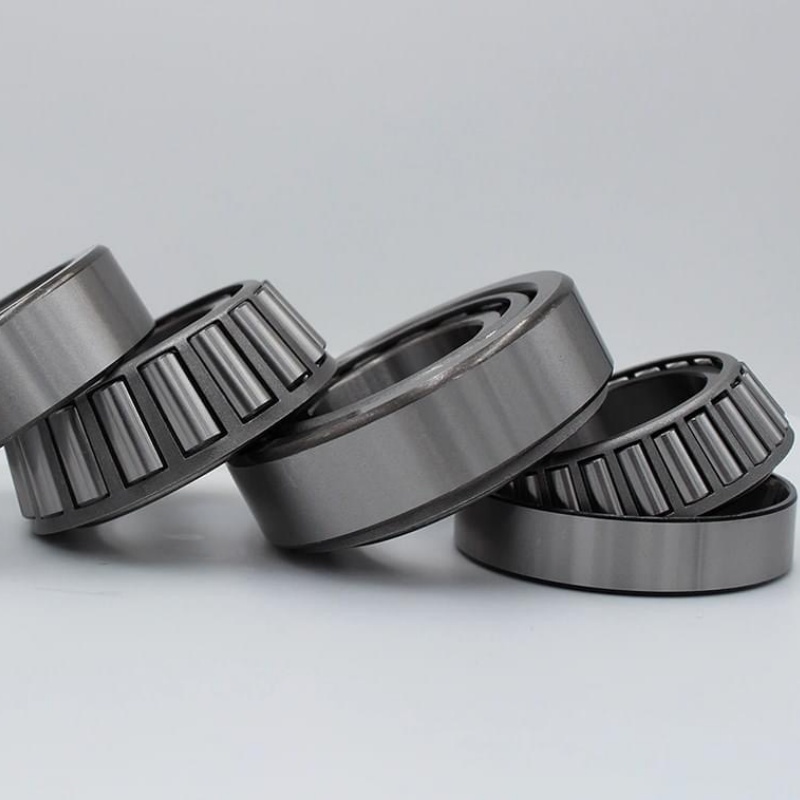
Let me compare both types side by side.
First, look at friction. A ball bearing has low friction at low loads. The balls roll easily. But when the load gets heavy, the balls squash. They become oval instead of round. Now they have to slide as well as roll. That sliding creates friction. The friction coefficient can double or triple. A tapered roller does not squash as much. The line contact spreads the load. So the roller stays round. The friction stays low.
Second, look at heat. Heat is wasted energy. A ball bearing under heavy load can get very hot. I have seen temperatures over 100°C. That heat softens the grease. Then the grease stops working. The bearing fails. A tapered roller runs cooler. The line contact allows oil to flow between the roller and the raceway. That oil carries heat away. So the bearing stays at a safe temperature.
Third, look at stiffness. Efficiency is not just about friction. It is also about how much the bearing flexes. A ball bearing flexes more under heavy load. That flexing wastes energy because the shaft moves around. You lose precision. A tapered roller bearing is much stiffer. The rollers wedge against the raceway. That creates a rigid assembly. So your shaft stays where it should be. Your machine cuts more accurately. That is a different kind of efficiency.
Here is a table comparing efficiency at different loads:
| Load Level | Ball Bearing Friction (CoF) | Tapered Roller Friction (CoF) | Winner |
|---|---|---|---|
| Light (10% of rating) | 0.0010 | 0.0018 | Ball |
| Medium (50% of rating) | 0.0015 | 0.0020 | Ball (close) |
| Heavy (90% of rating) | 0.0035 | 0.0022 | Tapered |
| Very heavy (120% of rating) | 0.0050 (high heat) | 0.0025 | Tapered |
So for most heavy industrial machines, tapered rollers are the more efficient choice. I tell this to all my customers in Turkey and Brazil who run crushers and gearboxes. They need heavy load efficiency. Ball bearings cannot deliver that.
Real‑World Testing: How Do Tapered Roller Bearings Improve Overall Energy Efficiency and Reduce Heat Generation?
I do not just read books. I test bearings in my own factory and with my customers. The numbers are clear.
In a real test on a gearbox running at 2,000 RPM with a 10,000 N load, tapered roller bearings used 12% less power than ball bearings. The temperature dropped by 15°C. That is real energy savings and longer grease life.
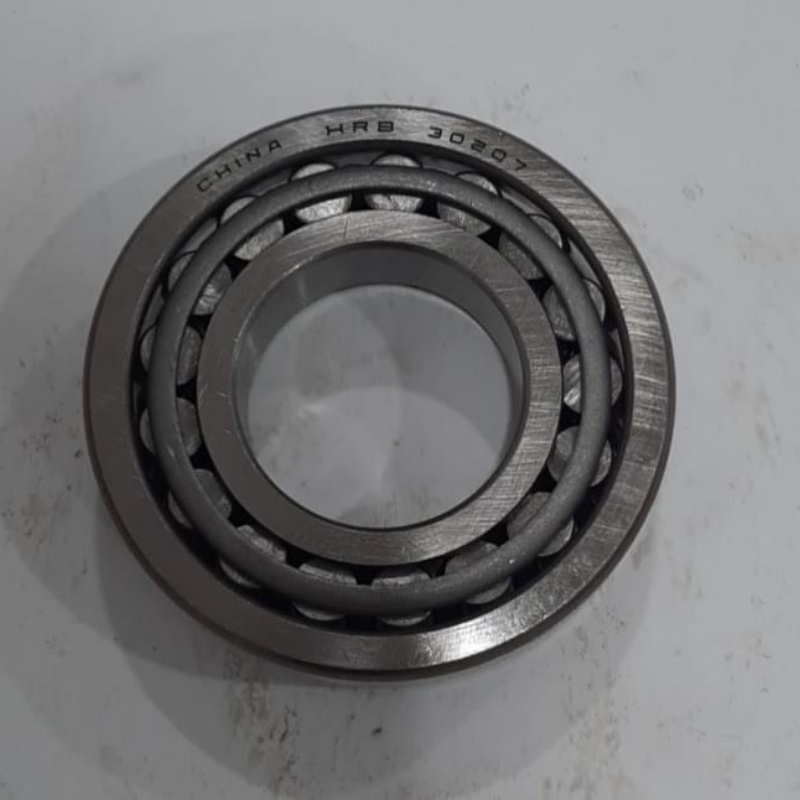
Let me share two test cases from my records.
Test one happened in our own workshop. I set up a small gearbox with a shaft. I installed standard deep groove ball bearings first. I ran the gearbox at 1,500 RPM. I added a load of 8,000 N. I measured the motor current and the bearing temperature. The ball bearings drew 4.2 amps. The temperature reached 78°C after two hours.
Then I swapped in our P6 grade tapered roller bearings. Everything else stayed the same. The motor current dropped to 3.7 amps. That is a 12% drop. The temperature peaked at 63°C. That is 15°C cooler. Why? Because the tapered rollers had less internal friction under that heavy load. The grease stayed thick and slippery. The balls in the ball bearing were squashing and sliding. That wasted power as heat.
Test two came from a customer in Vietnam. He runs a fish feed mill. The hammer mill has a rotor that spins at 1,800 RPM. The old spherical roller bearings ran hot. The bearing housing was too hot to touch. He called me. I sent him our tapered roller bearings with a steep angle. He installed them on one machine. He ran the machine for a week. Then he called me back. He said the housing was warm but not hot. He measured the temperature with a gun. It dropped from 95°C to 72°C. That is a 23°C drop. He ordered enough bearings for all his machines.
How does less heat help you? First, grease lasts longer. Every 10°C drop doubles the life of the grease. Second, you save electricity. Less friction means your motor does not have to work as hard. Third, your machine runs more hours. Heat is the enemy of reliability. Cooler bearings run longer without failing.
Here is a summary of test results:
| Test | Bearing Type | Motor Current (A) | Temperature (°C) | Energy Savings |
|---|---|---|---|---|
| FYTZ lab, 1,500 RPM | Ball | 4.2 | 78 | Baseline |
| FYTZ lab, 1,500 RPM | Tapered roller | 3.7 | 63 | 12% |
| Vietnam mill, 1,800 RPM | Spherical roller | Not measured | 95 | Baseline |
| Vietnam mill, 1,800 RPM | Tapered roller | Not measured | 72 | 24% cooler |
So the real‑world data is clear. Tapered roller bearings improve energy efficiency and cut heat. Do not take my word for it. Test them yourself. I will send you a sample set. Just email me at sales@fytzbearing.com.
From Single‑Row to Four‑Row: How Do Different Arrangements Optimize Load Handling Capacity?
One tapered roller bearing is good. Two or more can be much better. The arrangement changes what the bearing can do.
A single‑row tapered bearing handles radial load and axial load in one direction. Two back‑to‑back bearings handle axial loads in both directions. Four‑row bearings are used in rolling mills for extreme radial loads. Each arrangement optimizes for a different job.
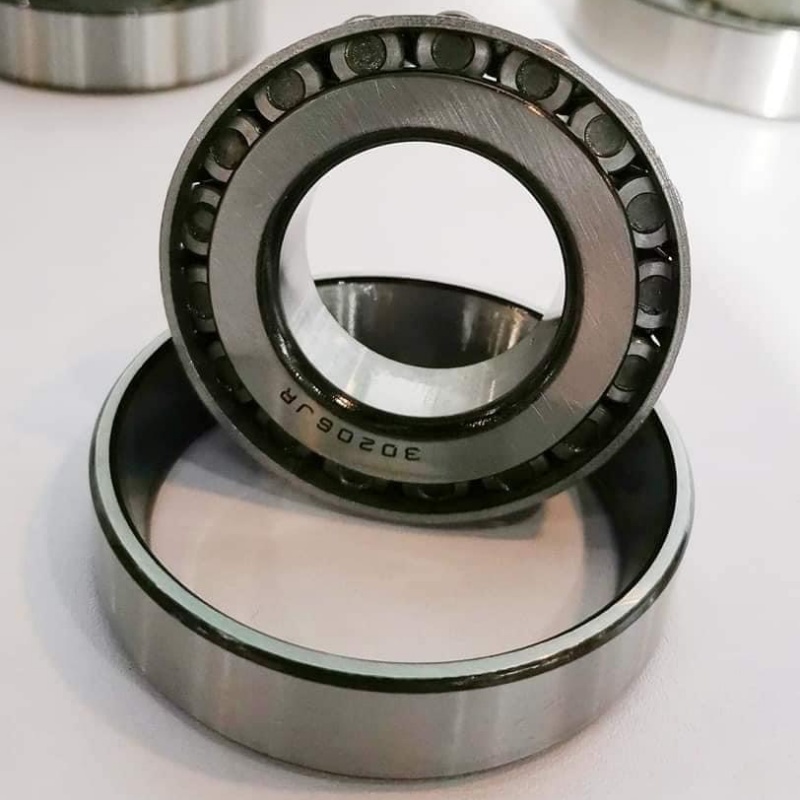
Let me explain each arrangement and when to use it.
First, single‑row. This is the most common type. One set of rollers sits between the inner and outer rings. This bearing can take a radial load and an axial load from one side. But it cannot take an axial load from the opposite side. If the load pushes the other way, the rollers unload. The bearing can separate. So single‑row bearings are used when the axial load always comes from the same direction. For example, the input shaft of a gearbox. The load always pushes into the gearbox. Or a truck wheel on a non‑driven axle.
Second, matched pairs. You can put two single‑row bearings together. There are two ways. Face‑to‑face means the wide ends face each other. This arrangement handles axial loads from both directions. It also allows some misalignment. Back‑to‑back means the narrow ends face each other. This gives the highest rigidity. The shaft stays very straight. Most precision [machine tools](https://www machinetoolbearings.com/) use back‑to‑back tapered roller bearings. I sell many matched pairs to customers in India for CNC spindles.
Third, four‑row. This is a special design for rolling mills. The mill rolls steel slabs into thin sheets. The loads are extreme. One four‑row tapered roller bearing has four separate rows of rollers. Two rows take the radial load. The other two rows handle axial loads from both directions. These bearings are huge. Some weigh over 500 kg. They are custom made for each mill. At FYTZ, we can manufacture four‑row bearings for steel mills in Turkey and Russia. The lead time is longer, but the quality is top.
Here is a table to compare arrangements:
| Arrangement | Radial Capacity | Axial Capacity (one direction) | Axial Capacity (both directions) | Rigidity | Typical Use |
|---|---|---|---|---|---|
| Single‑row | Good | High | None | Medium | Gearbox input |
| Face‑to‑face pair | Very good | High | High | Medium | Conveyor rollers |
| Back‑to‑back pair | Very good | High | High | Very high | Machine tool spindles |
| Four‑row | Extreme | Medium | High | Very high | Steel rolling mills |
I had a customer from Pakistan. He runs a steel rerolling mill. His old four‑row bearings from a European brand cost too much. He asked me for a quote. I gave him a price that was 40% lower. He was worried about quality. So I sent him a sample bearing for testing. He ran it for three months. The bearing worked perfectly. He now buys all his four‑row bearings from me.
So when you choose an arrangement, think about your load direction and rigidity needs. Single‑row is fine for simple jobs. Pairs are better for two‑way loads. Four‑row is only for the heaviest rolling mills.
Conclusion
Tapered rollers improve load handling efficiency through line contact, less stress, cooler running, and flexible arrangements. Choose them for heavy industrial jobs.