
You greased a bearing last month. Now it is making noise again. You add more grease. The seal blows out. Now the bearing is dead.
To improve reliability with proper pillow block bearing lubrication intervals, you need to match your relubrication frequency to the bearing’s operating conditions – speed, load, temperature, and environment – and use the right amount of the right grease.
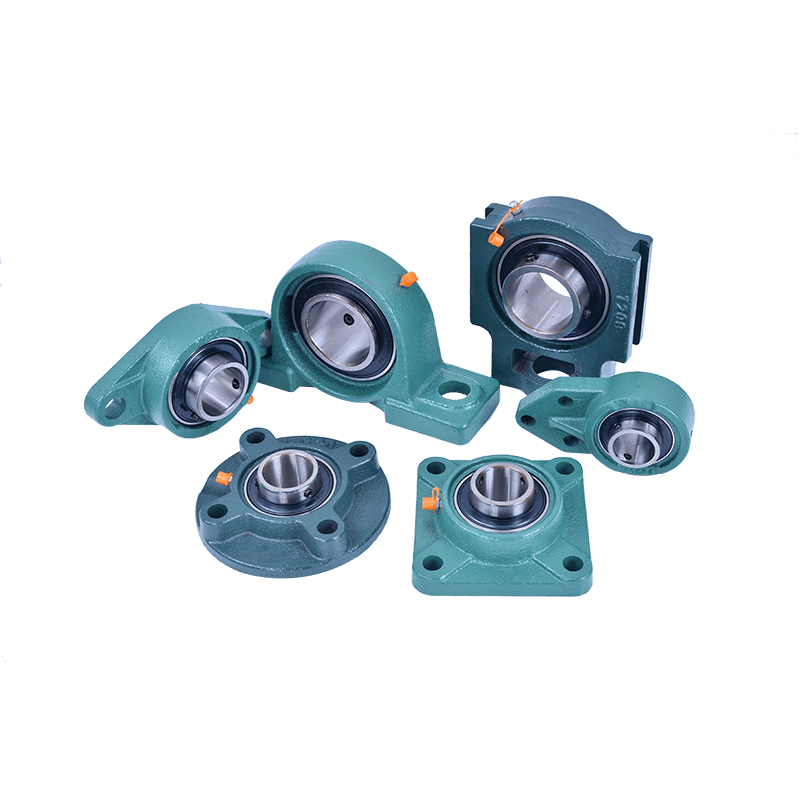
My name is Leo from FYTZ Bearing. We are a factory in China with integrated production and inspection lines. I have supplied pillow block bearings to customers in Turkey, India, Brazil, and Russia for over ten years. I see the same problem everywhere. People either over-grease or under-grease their bearings. Both mistakes kill reliability. Let me show you how to get it right. I will share simple rules and real numbers that work for most industrial applications.
Why Lubrication Intervals Directly Affect Pillow Block Bearing Reliability?
You think grease is just grease. Put some in. The bearing works. That is wrong thinking. The lubrication interval decides if your bearing lives for five years or five months.
When the grease inside a bearing gets old, it loses two things. First, it loses its base oil. The oil separates from the thickener. Second, it picks up dirt and wear particles. The grease becomes hard or dry. Then metal touches metal. The race and balls start to wear fast. Heat builds up. The bearing seizes or breaks apart.
The direct link: A proper interval keeps fresh grease in the bearing. Fresh grease separates the rolling elements from the raceways with a thin oil film. No metal contact means no wear. No wear means high reliability.
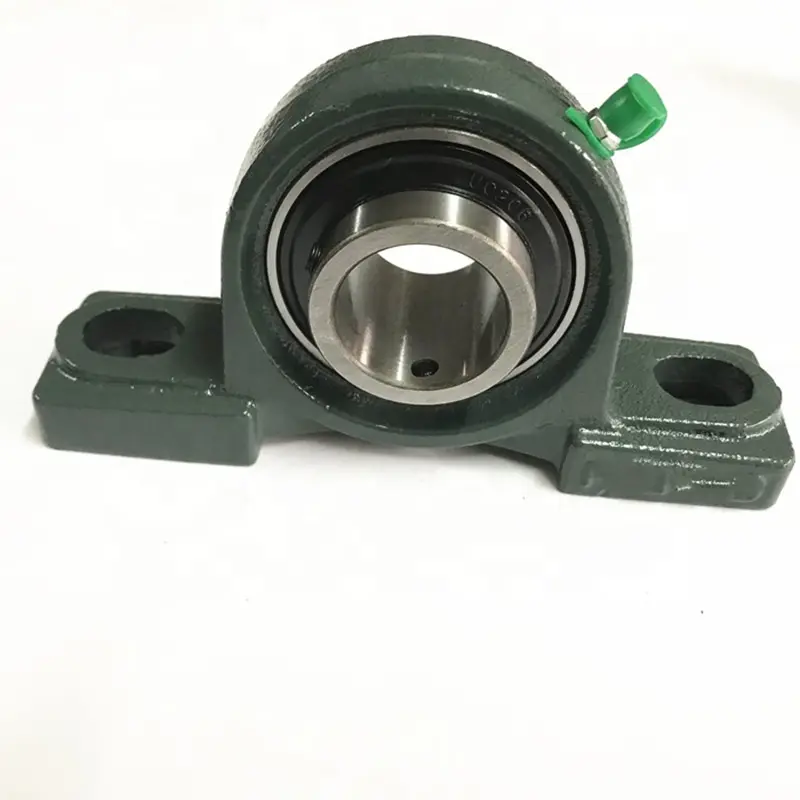
What happens when you miss the right interval?
| Interval | Grease condition | Bearing outcome | Typical life |
|---|---|---|---|
| Too long (under-greasing) | Dry, hard, or missing | Metal‑on‑metal wear, heat, seizure | 10–30% of expected life |
| Just right (proper interval) | Clean, soft, enough oil film | Smooth running, normal wear | 100% of expected life |
| Too short (over-greasing) | Overfilled, churned, heated | Seal damage, grease leakage, overheating | 60–80% of expected life |
The hidden cost of ignoring intervals
I have a customer in Egypt. He runs a flour mill. His pillow block bearings on the bucket elevators failed every four months. He kept buying new bearings. He blamed the bearing quality. Then I visited his plant. His maintenance man added grease every single day. He used a high-pressure gun. He pumped until grease came out of the seals. That was the problem – over-greasing.
We changed his schedule to once every two weeks. With a measured amount – 10 grams per bearing. The next set of bearings lasted 14 months. Same bearings. Same grease. Only the interval changed.
How to know if your interval is wrong
Look for these signs:
- Under-greased bearing: Runs hot (touch the housing – too hot to hold), makes a grinding noise, feels rough when you spin the shaft by hand.
- Over-greased bearing: Runs warm but not hot, grease leaks from the seals, the housing looks wet with oil, the bearing feels sluggish when you spin it.
- Correctly greased bearing: Runs warm but not hot (about 10–20°C above room temperature), quiet operation, no grease leaking, and the bearing spins freely.
How to Determine the Best Relubrication Frequency Based on Operating Conditions?
There is no single number that works for every bearing. A fan in a clean room needs grease once a year. A conveyor in a cement plant needs grease every week.
You need a simple method to find your frequency. I will give you that method. It comes from bearing engineering handbooks. But I will make it easy to use.
The basic formula: Start with a base frequency of 2,000 operating hours. Then adjust it up or down based on speed, load, temperature, and contamination.
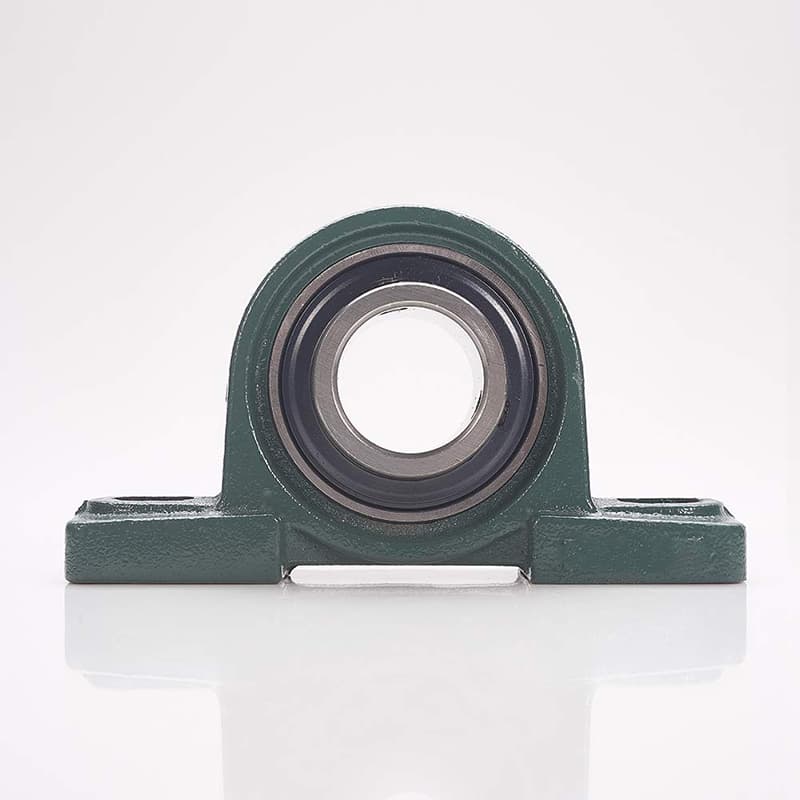
Step-by-step adjustment guide
Here is a table I give to my customers. Print it and put it on your maintenance board.
| Condition | Multiplier to base frequency (2,000 hours) | Example |
|---|---|---|
| Normal clean environment | x1.0 | 2,000 hours = grease every 4 months (500 hours/month) |
| High temperature (70–100°C) | x0.5 to x0.3 | Grease every 1–2 months |
| High speed (nDN > 200,000) | x0.5 | Grease every 2 months |
| Heavy shock loads | x0.5 | Grease every 2 months |
| Dusty or wet environment | x0.3 to x0.2 | Grease every 3–4 weeks |
| Vertical shaft mounting | x0.7 | Grease every 3 months |
| Clean, cool, light load | x1.5 to x2.0 | Grease every 6–8 months |
How to use this table:
- Find your normal operating hours per month. A typical factory runs 8 hours/day, 22 days/month = 176 hours/month.
- Start with 2,000 hours / 176 hours per month = 11 months. That is your baseline.
- Now apply the multiplier. If you have high temperature (x0.5), your new interval is 11 x 0.5 = 5.5 months.
- If you also have dust (x0.3), then 11 x 0.3 x 0.5 = 1.65 months – about every 7 weeks.
A real example from a customer in Brazil
A customer runs a sugar cane conveyor. The bearing operates at 75°C. The environment has lots of dust and moisture. His monthly running hours are 400 (two shifts). Baseline = 2,000/400 = 5 months. High temp (x0.4), dust (x0.3). 5 x 0.4 x 0.3 = 0.6 months = about 18 days. So he should grease every two to three weeks. He was greasing every two months. No wonder his bearings failed.
What about speed?
Speed is tricky. You calculate nDN = bearing bore in mm x RPM. For a 50 mm bore at 1,500 RPM, nDN = 75,000. That is normal. For nDN above 200,000, you need to cut the interval in half. For nDN above 300,000, use a special high-speed grease and shorten the interval to one quarter.
I always tell my customers: When in doubt, start with a shorter interval. Check the bearing condition after two cycles. Then adjust longer if the grease still looks clean. It is easier to add grease than to replace a seized bearing.
Lubrication Interval Adjustment Guide for Different Environments (High Heat, Moisture, Dust)?
Most factories are not clean rooms. Your bearings face heat from motors and ovens. They face water from washdowns or rain. They face dust from wood, cement, or grain.
Each environment attacks the grease in a different way. So you must adjust your interval for each one. I will break down the three toughest environments and give you specific advice.
The short version: High heat cooks the oil out of grease. Moisture washes grease away or turns it into milky emulsion. Dust mixes with grease to make a grinding paste.
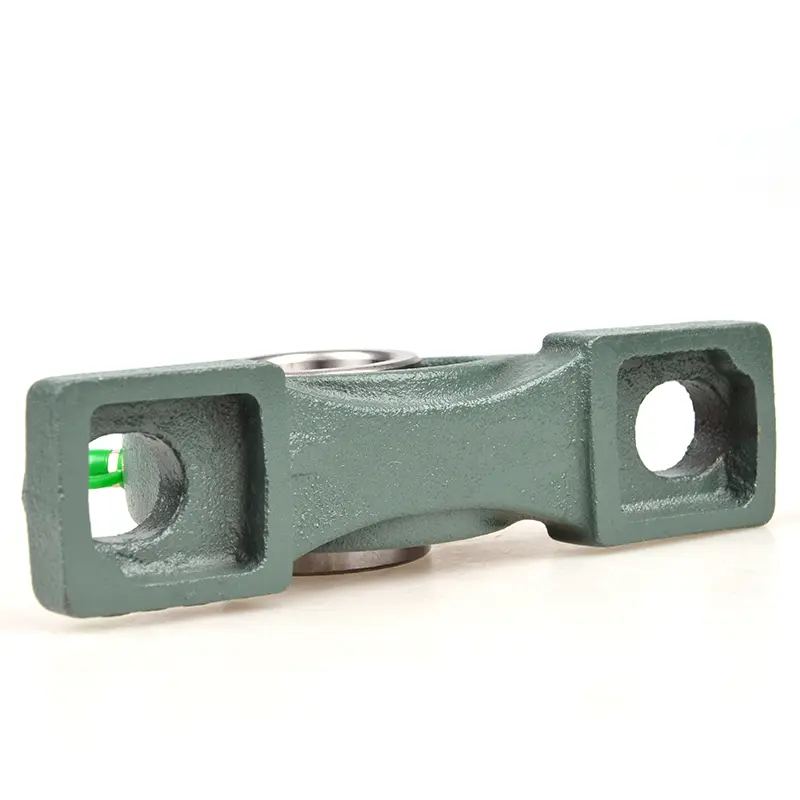
High heat environment (above 70°C)
When grease gets hot, two things happen. First, the base oil evaporates faster. Second, the oil separates from the thickener. The thickener becomes hard and crusty. The bearing runs dry even though there is still "grease" inside.
What to do:
- Use a high‑temperature grease. Look for a drop point above 200°C. Lithium complex or polyurea greases work well.
- Shorten your interval by half for every 15°C above 70°C.
- Do not over-grease. Too much grease in a hot bearing creates more heat from churning.
| Temperature range | Interval multiplier | Grease recommendation |
|---|---|---|
| 40–70°C (normal) | ×1.0 | Standard lithium grease |
| 70–85°C | ×0.5 | Lithium complex or polyurea |
| 85–100°C | ×0.3 | Polyurea or high‑temperature synthetic |
| Above 100°C | contact supplier | Special high‑temp grease (e.g., perfluorinated) |
High moisture or wet environment
Water is a bearing killer. It washes the grease out. It causes rust. It breaks down the thickener. You will see the grease turn white or milky. That is water mixed in.
What to do:
- Use a water-resistant grease. Aluminum complex or calcium sulfonate greases have excellent water resistance.
- Check your seals first. If water is getting in, even weekly greasing will not save the bearing. Upgrade to triple lip seals or add a rubber flinger.
- Shorten your interval to every 2–4 weeks in wet conditions.
I had a customer from Indonesia. His pillow blocks were on an outdoor conveyor. Rain hit them directly. His standard grease washed out in two weeks. We switched him to a calcium sulfonate grease. Then he greased every three weeks. The bearings lasted three times longer.
Dusty environment (cement, wood, grain, mining)
Dust is sneaky. It gets past the seals. Then it mixes with the grease. The dust and grease form a hard paste. This paste blocks fresh grease from reaching the rolling elements. It also acts like sandpaper on the raceways.
What to do:
- Use a grease with high consistency (NLGI 2 or 3). Thicker grease stays in place better.
- Shorten your interval significantly – every 1 to 4 weeks depending on dust level.
- Consider a central lubrication system. It pushes small amounts of fresh grease frequently. That helps push out old dirty grease.
| Dust level | Example industry | Recommended interval | Special note |
|---|---|---|---|
| Light dust | Woodworking shop | Every 1–2 months | Check seal condition monthly |
| Medium dust | Grain handling | Every 2–3 weeks | Purge old grease until clean comes out |
| Heavy dust | Cement plant | Every 1–2 weeks | Use purging fittings and clean before greasing |
Multiple environments at once
Many bearings face two or three problems together. For example, an oven conveyor in a bakery has high heat and flour dust. A food washdown conveyor has moisture and high pressure cleaning.
My rule: Apply all the multipliers together. Then double-check with a simple test. Put a small mark on the housing. After one interval, open the grease relief port. Push a small amount of old grease out. Look at it. If it is dark, dry, or watery, shorten the interval by another 30%.
Common Lubrication Mistakes and How to Avoid Them?
I have seen the same mistakes for ten years. Buyers make them. Maintenance teams make them. Even some bearing suppliers give bad advice. Let me list the top five mistakes. Then I will tell you exactly how to avoid each one.
These mistakes cost real money. One customer in Russia lost a whole production day because a worker over-greased a pillow block on a critical fan. The fan stopped. The factory stopped. The loss was $50,000. All from too much grease.
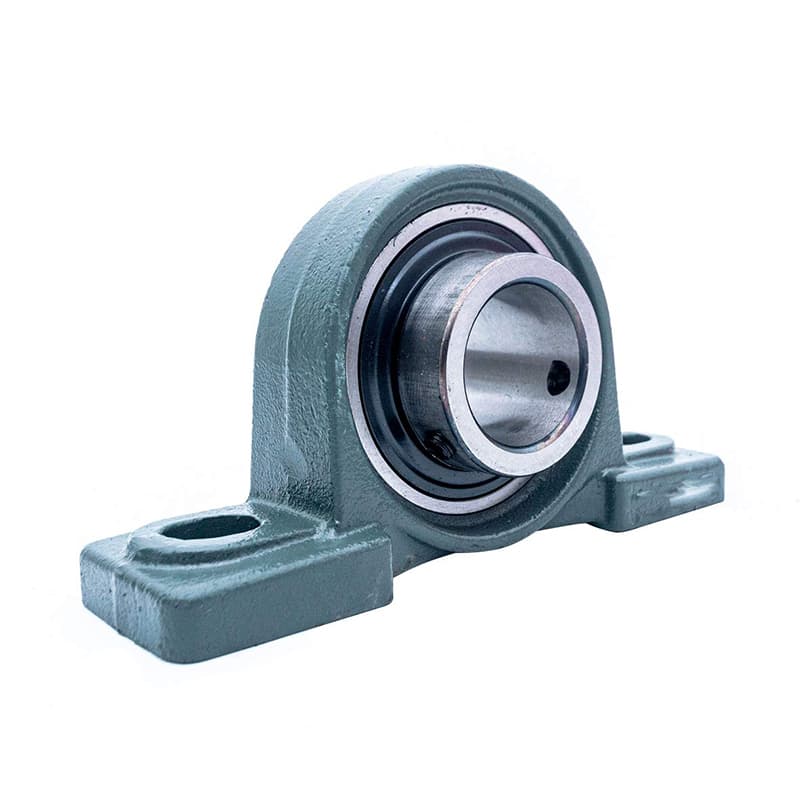
Mistake #1: Adding grease until it comes out of the seal
What people think: "I see fresh grease at the seal. That means the old grease is pushed out. The bearing is full and clean."
Why this is wrong: When you pump too much grease, the pressure blows the seal lip open. The seal never seals properly again. Dirt gets in. The grease leaks out. Also, the excess grease churns and creates heat. That heat cooks the grease.
How to avoid it:
- Use a measured amount. For a standard 60 mm pillow block, 5–10 grams is enough. For bigger units, up to 20 grams.
- If the housing has a relief port, open it before greasing. Pump slowly. Stop as soon as you see fresh grease at the relief port. Do not continue pumping.
- Use a grease gun with a meter or a graduated tube. Count the pumps. Most guns deliver about 1 gram per pump.
Mistake #2: Using the same grease type and interval for all bearings
What people think: "One grease for everything. One schedule for everything. It is easier."
Why this is wrong: A fan bearing that runs cool and clean needs a different grease and a different schedule than a conveyor bearing that runs hot and dusty. Mixing greases of different bases (lithium with polyurea) can cause the grease to harden like wax.
How to avoid it:
- Divide your plant into zones. Identify the worst conditions in each zone.
- Use no more than three grease types across your whole facility. Standard lithium for normal areas. High-temp lithium complex for hot areas. Water-resistant aluminum complex for wet areas.
- Keep a log for each machine. Write down the grease type and the last grease date.
Mistake #3: Not cleaning the grease fitting before greasing
What people think: "The fitting is small. A little dust on top will not hurt."
Why this is wrong: That dust goes straight into the bearing. The grease fitting is a one-way valve. When you push the grease gun on, you also push any dirt on the fitting surface into the bearing. I have seen bearings fail from dirt that came in through the fitting, not the seal.
How to avoid it:
- Wipe the grease fitting with a clean rag before each greasing.
- Keep a small brush and a can of solvent nearby. Clean the fitting thoroughly once a week.
- Use dust caps on all fittings. They cost pennies but save bearings.
Mistake #4: Ignoring the storage and shelf life of grease
What people think: "Grease does not go bad. I bought this bucket five years ago. It is still full."
Why this is wrong: Grease has a shelf life of two to three years. After that, the oil separates from the thickener. The grease becomes hard or runny. It does not lubricate well. Also, an open bucket collects dust and water.
How to avoid it:
- Write the purchase date on every grease container. Use the oldest first.
- Store grease in a cool, dry place. Do not leave it outside or near an oven.
- Do not scoop grease from the top of an open bucket with dirty tools. Use a clean putty knife or a grease pump.
Mistake #5: Lubricating a seized or already failed bearing
What people think: "The bearing is hot and noisy. I will add more grease. Maybe it will quiet down."
Why this is wrong: If a bearing is already failing, more grease will not fix it. The damage is done. You are just wasting grease and delaying the inevitable replacement. The extra grease can even hide the noise for a few hours, then the bearing seizes suddenly.
How to avoid it:
- Learn the signs of a failed bearing: unusual noise (grinding, clicking), excessive heat, visible rust, or shaft wobble.
- If you see any of these, plan to replace the bearing. Do not grease it. Order a replacement first. Then schedule the change.
- One exception: A bearing that is just dry but not damaged can be saved with fresh grease. But you need to check it. Remove the old grease from the housing and inspect the rolling elements. If they are smooth and shiny, you are safe. If they are pitted or dull, replace the bearing.
Quick reference: Good vs bad lubrication practices
| Good practice | Bad practice |
|---|---|
| Use measured amount of grease | Pump until grease squirts out |
| Clean fitting before each use | Put gun on dirty fitting |
| Follow a written schedule based on conditions | Grease whenever someone remembers |
| Use the correct grease for the temperature and environment | One grease for everything |
| Check bearing condition before greasing | Grease first, ask questions later |
| Keep grease storage clean and dated | Use a five‑year‑old open bucket |
Conclusion
Use the right interval for your conditions – not too short and not too long. Measure your grease. Clean your fittings. Your pillow block bearings will run longer and fail less.