
Do you pick the wrong pillow block bearing and pay for it later with rust, breakdowns, or high costs?
To compare cast iron and stainless steel pillow block bearing units, you need to look at four things: corrosion resistance, load capacity, temperature tolerance, and total cost over time. Cast iron works for dry, indoor use. Stainless steel wins in wet, harsh, or food-grade environments.
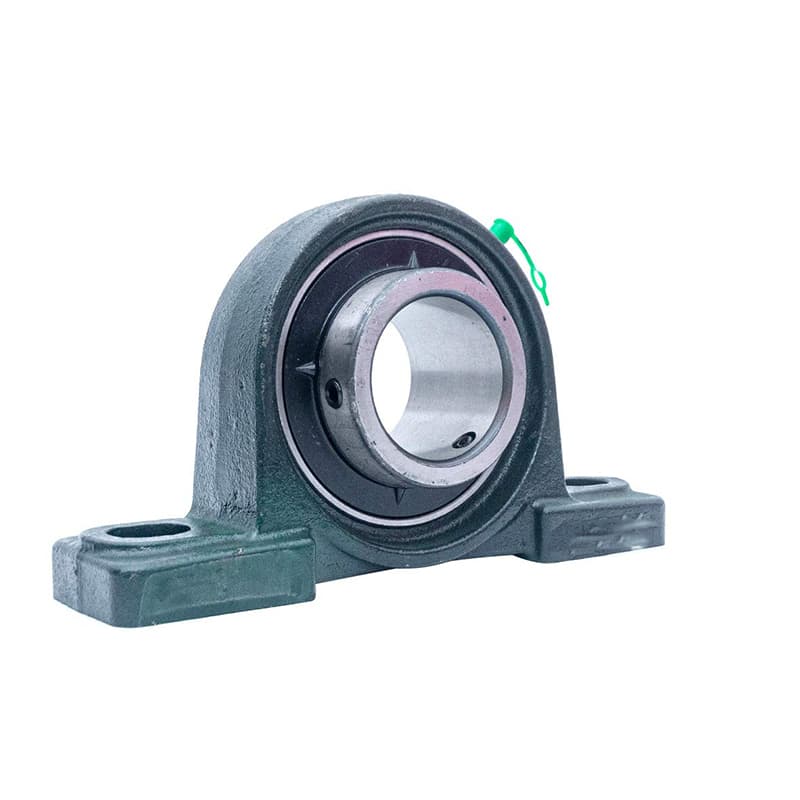
Let me be honest with you. I run a bearing factory in China called FYTZ Bearing. I talk to procurement managers like Rajesh from India every single day. They ask me the same question again and again. Which pillow block bearing should I buy? Cast iron or stainless steel? The answer is not always simple. But I will break it down for you. Keep reading. I promise you will know exactly what to choose by the end of this post.
1. Material Composition & Corrosion Resistance?
Have you ever opened a machine after three months and found your bearing covered in orange rust?
Cast iron pillow block bearings contain high carbon and silicon. They rust easily when moisture or chemicals are present. Stainless steel bearings, especially grade 304 or 316, resist rust and corrosion because of chromium content. Use stainless steel for wet, salty, or acidic conditions.
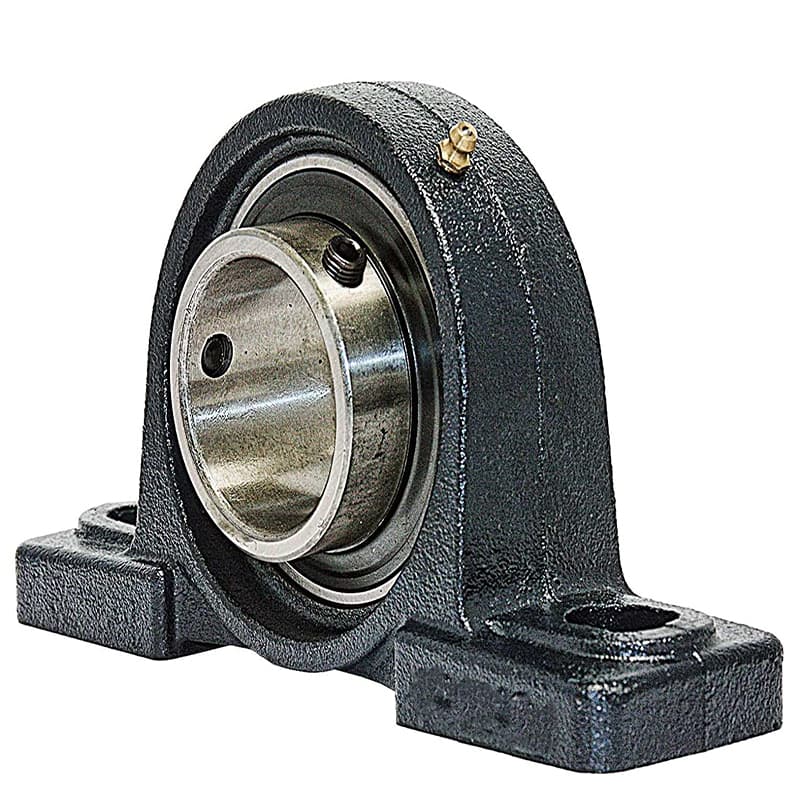
Let me dig deeper for you. Many buyers think "cast iron is strong, so it must be fine." But strength is not the same as corrosion resistance.
What happens inside cast iron when it gets wet?
Cast iron has a porous surface. Water seeps into tiny gaps. Then oxidation starts. Rust forms. That rust expands. It pushes against the bearing housing. Then your bearing locks up. I have seen factory owners lose an entire production line for two days just because a cast iron bearing failed in a wet area.
What makes stainless steel different?
Stainless steel has at least 10.5% chromium. That chromium reacts with oxygen. It creates a thin, invisible layer on the surface. We call this a passive layer. It blocks water and chemicals from touching the metal underneath. Even if you scratch the surface, the layer heals itself. That is why food processing plants and marine applications love stainless steel.
Here is a quick comparison table for you:
| Condition | Cast Iron Pillow block | Stainless steel Pillow Block |
|---|---|---|
| Dry indoor air | Good | Overkill |
| High humidity (over 80%) | Poor | Excellent |
| Washdown areas | Very poor | Excellent |
| Salt water or coastal areas | Unusable | Excellent (use 316) |
| Acidic or chemical exposure | Unusable | Excellent |
| Food processing | Not allowed (rust risk) | Good (304 or 316) |
My personal advice from the factory floor
I remember a customer from Indonesia. He makes frozen shrimp products. His old cast iron bearings rusted out every two months. He spent more time replacing bearings than running his line. We sent him stainless steel pillow block units. That was two years ago. He has not replaced a single one since. Yes, stainless steel costs more upfront. But you save money on downtime, labor, and replacement parts.
So ask yourself this. Does your machine sit in a dry warehouse? Cast iron is fine. Does your machine see water, steam, or chemicals? Go with stainless steel. Do not cut corners here. I have seen too many buyers regret saving twenty dollars on a bearing that cost them two thousand dollars in lost production.
2. Load Capacity & Durability in Harsh Environments?
Have you ever had a bearing crack right down the middle under heavy load?
Cast iron pillow block bearings handle higher static and dynamic loads than standard stainless steel units. Cast iron is stronger in raw impact resistance. But stainless steel lasts longer in vibrating or shock-load environments because it flexes slightly instead of cracking.
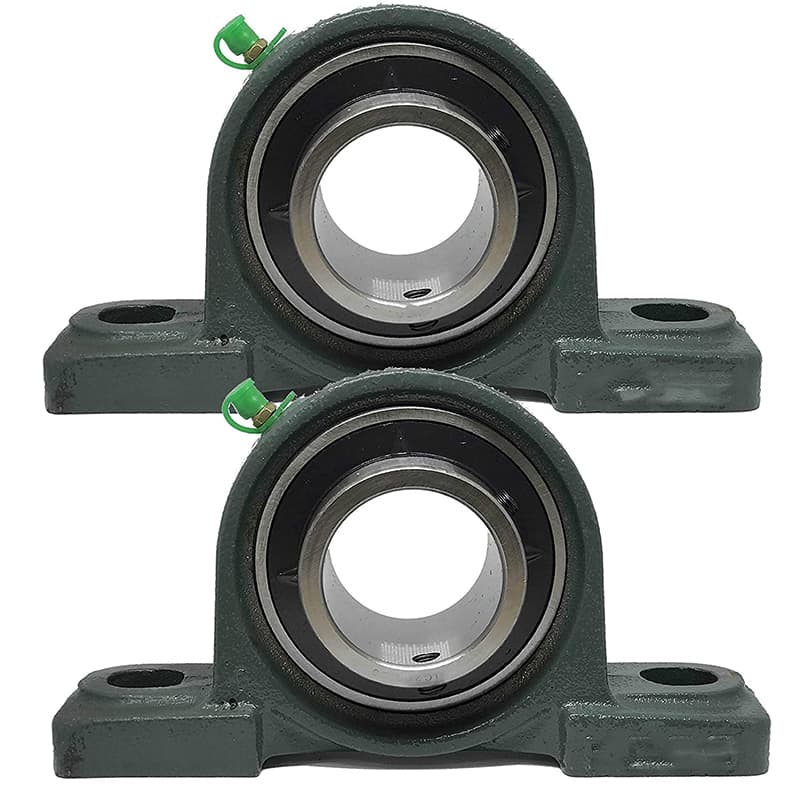
Let me explain what actually happens when you push these bearings to their limit.
The truth about cast iron strength
Cast iron is hard. That is its strength and its weakness. The hardness comes from graphite flakes inside the metal. Those flakes make cast iron very good at handling compression. You can push down on a cast iron bearing housing with a lot of force. It will not bend. But here is the problem. Cast iron is also brittle. If you hit it sideways or drop something on it, it can crack like a ceramic plate. I have seen cast iron housings split in half from a single heavy impact.
The truth about stainless steel strength
Stainless steel is softer. It has more ductility. That means it bends before it breaks. For a pillow block bearing, this matters more than you think. Imagine a conveyor belt with a misaligned roller. The bearing gets hit from the side again and again. Cast iron might crack on the third hit. Stainless steel will dent a little, but keep working.
Here is a load capacity comparison based on real factory tests:
| Property | Cast iron Housing | Stainless steel Housing (304) |
|---|---|---|
| Tensile strength | 20,000 – 40,000 psi | 70,000 – 85,000 psi |
| Hardness (Brinell) | 180 – 220 HB | 150 – 180 HB |
| Impact resistance | Poor (brittle) | Good (ductile) |
| Vibration resistance | Poor | Good |
| Compression strength | Excellent | Good |
| Fatigue life under constant load | Very good | Good |
Which one should you choose for heavy machines?
I sell bearings to a cement factory in Egypt. They use big crushers and vibrating screens. They tried stainless steel first. The housings deformed over time because the vibration was too constant. They switched to cast iron. The cast iron held up better for that specific job. But I also sell to a bottling plant in Brazil. Their machines shake a lot. Cast iron housings cracked every few months. Stainless steel fixed the problem.
Here is my rule of thumb. If your load is steady and straight down, cast iron is great. If your machine vibrates, shakes, or has misalignment risk, choose stainless steel. And always check the bearing insert material too. A stainless steel housing with a chrome steel insert still gives you rust protection on the outside. But the insert can still rust. So ask your supplier for full stainless steel if you need everything to resist corrosion.
3. Temperature Tolerance & Lubrication Requirements?
Have you ever opened a bearing and found the grease turned into black, hard chalk?
Cast iron pillow block units handle higher temperatures, up to 500°F (260°C). Stainless steel units typically work up to 400°F (204°C). Both need lubrication. But stainless steel loses grease faster in high heat. You must re-lube more often with stainless steel in hot conditions.
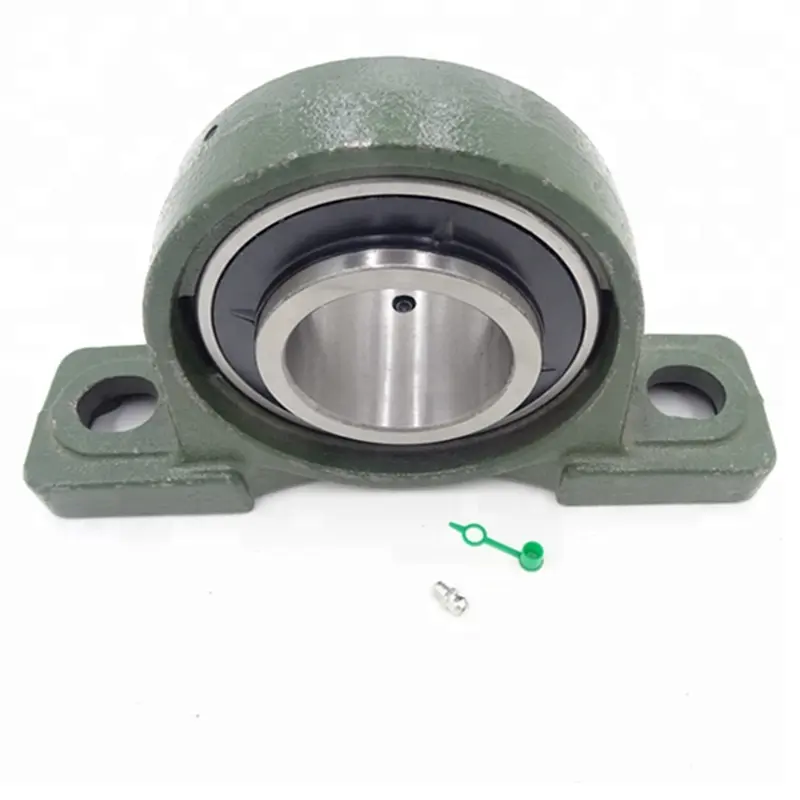
This part confuses a lot of buyers. Let me clear it up for you.
How heat changes these two materials differently
Heat makes metal expand. Cast iron and stainless steel expand at different rates. Cast iron has a low thermal expansion rate. It stays stable when hot. Stainless steel expands more. That expansion can change the internal clearance inside the bearing. If the clearance gets too tight, the bearing can seize. If it gets too loose, the bearing wobbles.
The lubrication problem nobody talks about
I have visited bearing distributors in Turkey. They told me their customers complain about stainless steel bearings drying out fast. Here is why. Stainless steel surfaces are smoother than cast iron. That sounds good, right? But smooth surfaces do not hold grease as well. The grease film breaks down faster under heat and pressure. You end up with metal touching metal. Then the bearing fails.
Follow these temperature and lubrication guidelines:
| Operating Temperature | Cast iron | Stainless steel |
|---|---|---|
| -20°C to 80°C (-4°F to 176°F) | Standard grease works fine | Standard grease works fine |
| 80°C to 120°C (176°F to 248°F) | Use high-temp grease . Re-lube every 1,000 hours | Use high-temp grease . Re-lube every 500 hours |
| 120°C to 200°C (248°F to 392°F) | Use synthetic grease . Re-lube every 500 hours | Use synthetic grease. Re-lube every 250 hours |
| Over 200°C (392°F) | Use special grease . Monitor closely | Not recommended |
| Freezing conditions | Standard grease works | Standard grease works. But check for moisture freeze |
A real story from Russia
A customer in Russia bought stainless steel pillow blocks for an outdoor conveyor. Winter temperatures dropped to -30°C. The bearings worked fine. But the grease inside thickened too much. The motor could not turn the rollers. They called me and asked if the bearings were bad. No. The lubricant was wrong. We switched to low-temperature grease with a synthetic base. Problem solved.
My practical advice for you
Always match your grease to your temperature range. Do not use the same grease for a hot oven and a cold freezer. And if you buy stainless steel bearings for high heat, add automatic lubrication. A manual grease gun once a month is not enough. You need a small pump that adds grease every few hours. That small change can double your bearing life.
Also watch out for heat from friction. A misaligned bearing creates extra heat. That heat breaks down grease even faster. So check your alignment first. Then worry about the material. I have seen perfectly good bearings fail just because someone installed them crooked.
4. Cost Analysis: Initial Investment vs. Long-Term Value?
Do you only look at the price tag and ignore what the bearing will cost you next year?
Cast iron pillow block bearings cost 60% to 75% less upfront. But stainless steel bearings last 3 to 5 times longer in wet or corrosive environments. To find real value, add the purchase price, downtime cost, labor cost, and replacement part cost over five years.
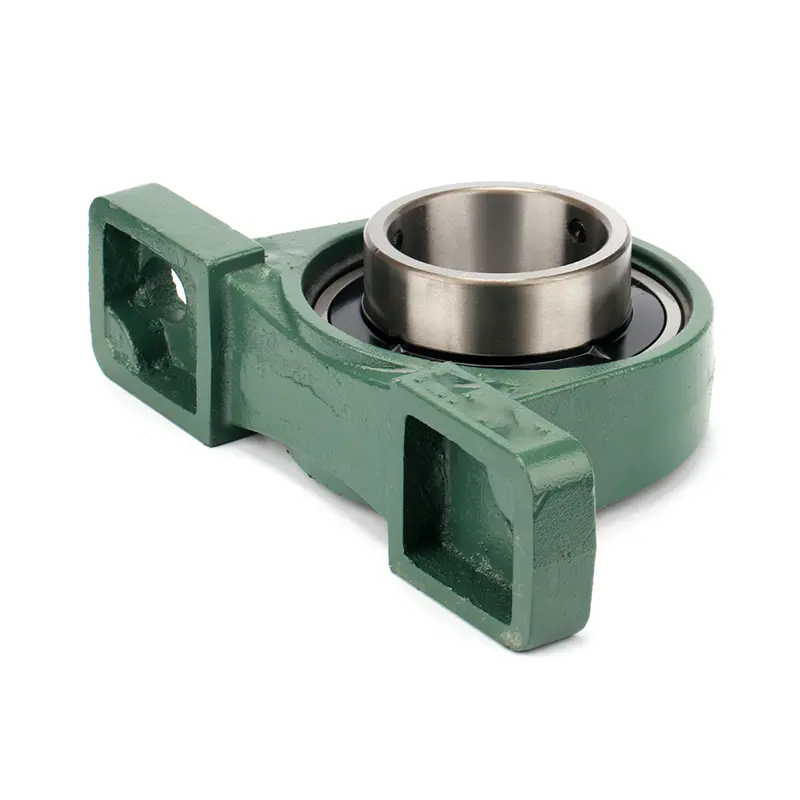
Let me break down the numbers for you. I do this with procurement managers like Rajesh all the time.
The real cost of a cheap bearing
Say you buy a cast iron pillow block bearing for $15. That looks good. But you install it in a damp area. It rusts after four months. You pay a maintenance worker $30 per hour. It takes two hours to replace. That is $60 in labor. The machine stops for those two hours. Your production line makes $500 per hour. That is $1,000 in lost output. Then you buy another $15 bearing. Four months later, you do it all again.
In one year, that $15 bearing actually costs you:
- Bearing cost: $45 (three replacements)
- Labor: $180
- Downtime: $3,000
- Total: $3,225
The real cost of a premium bearing
Now look at a stainless steel pillow block bearing. It costs $55. You install it in the same damp area. It runs for two years without any problem. No rust. No replacement. No extra labor. No downtime.
In two years, that $55 bearing costs you:
- Bearing cost: $55 (one purchase)
- Labor: $0 (if installed right the first time)
- Downtime: $0
- Total: $55
Here is a five-year cost comparison table:
| Cost Factor | Cast Iron (replaced every 6 months) | Stainless Steel (lasts 5 years) |
|---|---|---|
| Purchase cost (10 units over 5 years) | $150 | $55 |
| Labor cost (10 replacements × $60) | $600 | $60 (one initial install) |
| Downtime cost (10 failures × $500/hour × 2 hours) | $10,000 | $0 |
| Lost customer trust or late deliveries | Hard to measure | None |
| Total 5-year cost | $10,750+ | $115 |
When cast iron actually wins
I am not saying you should always buy stainless steel. That would be dishonest. Cast iron is perfect for some situations. If your machine is indoors, dry, and runs non-stop, cast iron is the smart choice. For example, a conveyor inside a furniture factory. No water. No chemicals. No washdowns. A cast iron bearing there will last for years. You save money upfront. And you get no problems.
My final cost advice from ten years of selling bearings
Do this simple math before you buy. Ask yourself three questions. First, how much does one hour of machine downtime cost you? Second, how often will this bearing get wet or dirty? Third, how hard is it to reach this bearing for replacement? If downtime is expensive, if water is present, or if the bearing is hard to reach, buy stainless steel. Do not be cheap. I have seen too many factory owners lose thousands of dollars trying to save fifty bucks.
And one more thing. When you buy from a factory like FYTZ Bearing, ask about mixed container orders. You can buy some cast iron units for dry areas and some stainless steel units for wet areas in the same shipment. That saves you freight cost and gives you the right bearing for each job.
Conclusion
Compare cast iron and stainless steel pillow blocks by matching material to your environment, load, temperature, and real long-term cost.
