
Bad suppliers cost you money. I have seen too many buyers get burned. Late deliveries, wrong parts, poor quality. You deserve better.
A reliable supplier of tapered roller bearings gives you consistent quality, on-time delivery, clear communication, and fair prices. They have their own factory, real quality control, and a track record of happy customers. Do not settle for less.
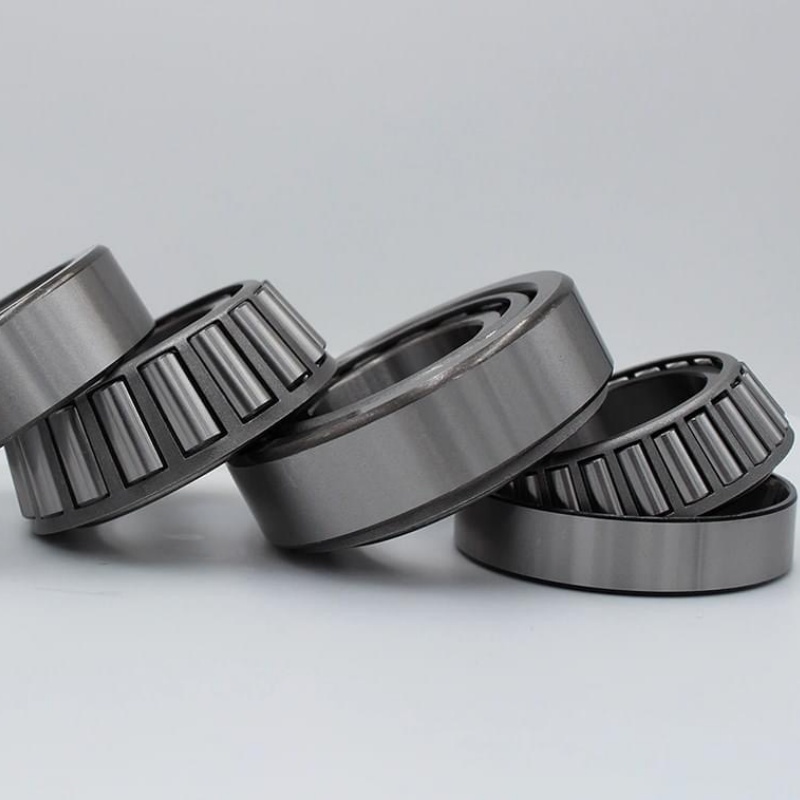
Finding a good supplier is not easy. There are thousands of bearing sellers online. Most of them are just traders. They do not make anything. Let me help you separate the good from the bad.
What to Look for in a Tapered Roller Bearing Supplier Before You Buy?
Every buyer makes the same mistake. They look at price first. Then they get burned. Then they come looking for me. Do not repeat their mistake.
Look for a supplier with their own factory, real quality certificates, clear lead times, and good communication. Also check if they offer OEM customization and have export experience to your country. These signs separate real suppliers from fake traders.
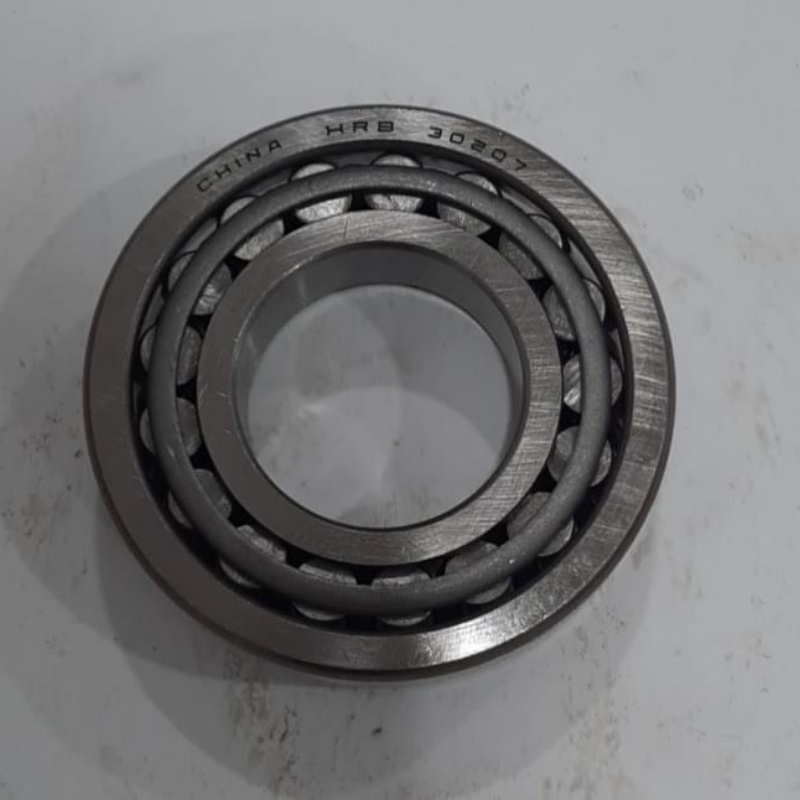
Let me give you a simple checklist
Here is what I tell every buyer who calls me. Use this checklist before you send any money.
| What to check | Why it matters | Red flags |
|---|---|---|
| Factory ownership | Real makers control quality | Trader with no factory |
| Quality certificates | Proof of real inspection | Fake or expired certs |
| Lead time clarity | You need to plan inventory | Vague or changing dates |
| Communication speed | Problems get solved fast | Slow replies, bad English |
| Export experience | They know your country’s rules | No clue about shipping |
| Sample policy | Confident suppliers send samples | Refuses samples or charges too much |
| Payment terms | Fair terms build trust | Only 100% upfront |
The factory versus trader problem
This is the biggest trap. Many sellers on Alibaba and other sites are just traders. They buy from factories and resell to you. They add a markup. And they have zero quality control.
How do you spot a trader?
- They cannot show you factory photos
- They avoid video calls
- Their prices change wildly
- They have no inspection equipment
- They sell every type of bearing (no focus)
I run a real factory in China. We have production lines and inspection lines. You can video call me anytime. I will show you around. A trader cannot do that.
Quality certificates – real or fake?
Many suppliers show certificates on their website. But are they real? I have seen fake ISO certificates. I have seen expired certificates. I have seen certificates from unknown organizations.
Here is what you want:
- ISO 9001:2015 from a real certification body
- Test reports from independent labs (like SGS or TUV)
- Material certificates from steel mills
Ask for copy of these documents. Then verify them. Call the certification body. Check the dates. Real suppliers are happy to share.
Communication is everything
I export to over 15 countries. My English is not perfect. But I reply within 24 hours. I answer all questions. I send photos and videos.
If a supplier takes 3 days to reply? Run away. If they ignore your questions? Run away. If they say yes to everything without checking? Run away.
Good communication means they care about your business.
A story from a buyer who got burned
A buyer from Indonesia called me last year. He had paid $20,000 to a supplier. The supplier sent him the wrong bearings. Wrong size, wrong type, wrong everything.
He tried to call the supplier. No answer. He tried to email. No reply. His money was gone.
He asked me for help. I checked the supplier. They were traders. No factory. No quality control. Just a website and a cheap price.
I cannot get his money back. That hurts me. But I can help him now. He buys from me. I send him the right bearings. I answer his calls. He is happy now.
Do not be that buyer. Check your supplier first.
How a Factory-Direct Supplier Saves You Money and Gives Better Quality?
You might think buying from a trader is easier. One phone call and they find everything. But that ease costs you money. And it costs you quality.
A factory-direct supplier saves you 20-40% by cutting out the middleman. They also give better quality because they control every step. You get direct communication with the people who actually make your bearings. No games. No hidden markups.
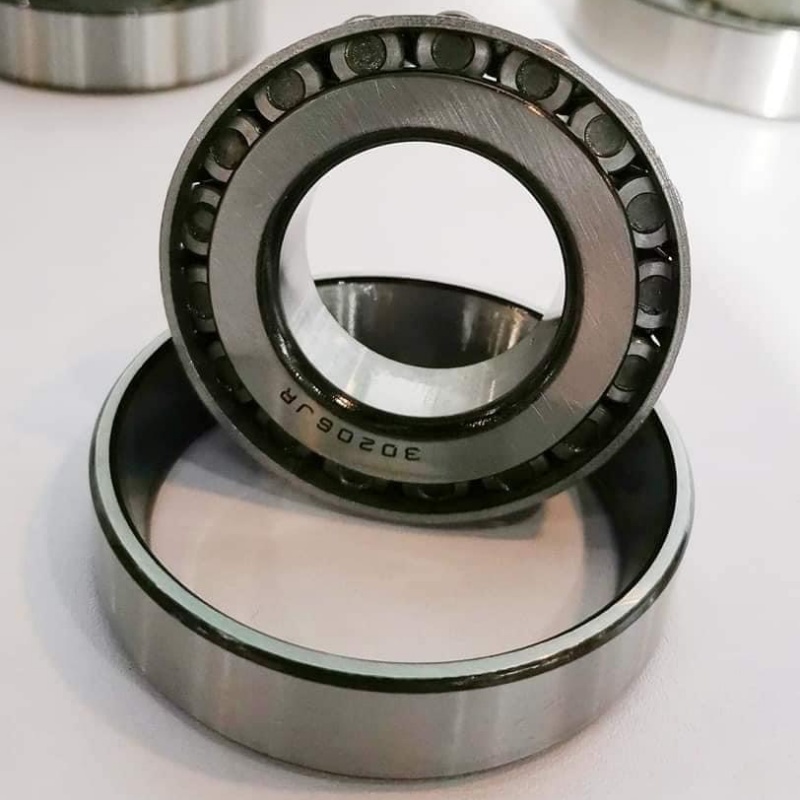
Let me show you the price breakdown
Here is how the money flows when you buy from a trader versus a factory.
| Step | Trader route | Cost | Factory direct route | Cost |
|---|---|---|---|---|
| Raw materials | Factory buys steel | $1.00 | Factory buys steel | $1.00 |
| Production | Factory makes bearing | $1.50 | Factory makes bearing | $1.50 |
| Factory sells to trader | $2.80 | You buy direct | $2.80 | |
| Trader adds markup (30%) | $3.64 | – | – | |
| Trader ships to you | $4.00 | Factory ships to you | $3.30 | |
| You pay | $4.00 | You pay | $3.30 |
You save $0.70 per bearing. On a container of 50,000 bearings, that is $35,000 saved.
Why quality is better from the factory
Traders do not inspect bearings. They just repackage them. If the factory made a bad batch, the trader ships it anyway. They do not know the difference.
I inspect every batch before it leaves my door. My inspection line checks:
- Size (inner, outer, width)
- Hardness (surface and core)
- Roundness
- Surface finish
- Noise and vibration
If a batch fails, it does not ship. I eat the cost. My reputation matters more than one order.
A trader cannot do this. They do not have the equipment. They do not have the training. They just ship whatever the factory gives them.
Direct communication solves problems fast
When you buy from a trader, you talk to a salesman. That salesman talks to the factory. The factory talks to production. Every step adds delay and confusion. (https://www.investopedia.com/terms/s/supplychain.asp)
When you buy from me, you talk to me. I own the factory. I make the decisions. You have a problem? I fix it today, not next week. (https://hbr.org/2018/01/the-power-of-owning-your-supply-chain)
A customer from Brazil had a shipping problem last month. His bearings were stuck at the port. He called me. I called my freight forwarder. We fixed it in 2 hours. (https://www.flexport.com/glossary/freight-forwarder/)
Try doing that with a trader.
Customization is only possible with factories
Do you need a special size? A different clearance? A custom cage? A trader cannot help you. They only sell standard parts.
A factory can make anything. I have made bearings with custom angles, special steel, unusual sizes, and unique markings. If you can draw it, I can make it.
A customer from Turkey needed a bearing with his own brand name on it. I made 10,000 pieces with his logo. A trader could never do that.
My honest advice
If you buy small quantities (less than 500 pieces per year), a trader might be fine. They hold stock. You buy quickly.
But if you buy wholesale quantities (thousands of pieces), go factory direct. The savings are huge. The quality is better. And you build a real relationship with the people who make your product.
I have customers who have bought from me for 8 years. They have never switched. Once you go factory direct, you never go back.
Why Consistent Quality Matters More Than the Lowest Price?
Every buyer wants the lowest price. I understand that. Your boss wants low costs. Your customers want low prices. But chasing the lowest price will hurt you in the end.
Consistent quality matters more than the lowest price because bad bearings cost you in downtime, labor, and customer trust. A cheap bearing that fails fast is expensive. A good bearing that lasts is cheap. Always choose consistency over the lowest number.
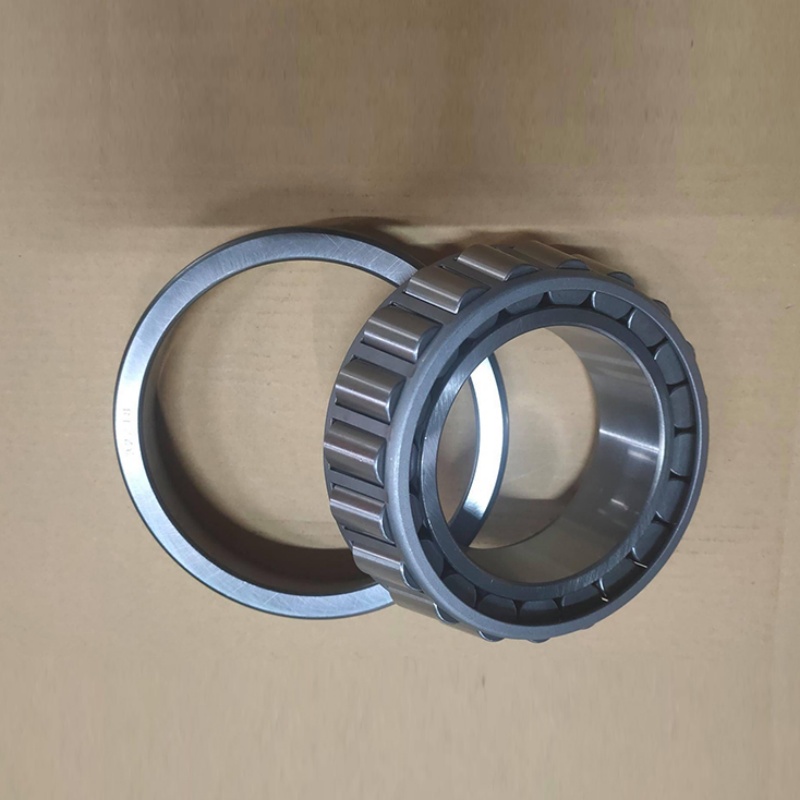
Let me show you the cost of inconsistency
Imagine you buy bearings from a cheap supplier. Sometimes they are good. Sometimes they are bad. You never know.
Here is what happens:
| Batch number | Quality | Result |
|---|---|---|
| Batch 1 | Good | Machine runs fine for 6 months |
| Batch 2 | Bad | Machine fails after 3 weeks |
| Batch 3 | Medium | Machine fails after 2 months |
| Batch 4 | Good | Runs fine |
| Batch 5 | Bad | Machine fails after 1 month |
Your maintenance team never knows what to expect. (https://www.ibm.com/topics/predictive-maintenance) Your customers never know when a machine will stop. (https://www.mckinsey.com/capabilities/operations/our-insights/improving-reliability-in-manufacturing) Your reputation suffers. (https://hbr.org/2015/12/how-reliable-is-your-company)
Now calculate the cost:
| Cost type | With consistent quality | With inconsistent quality |
|---|---|---|
| Bearing purchase | $5,000 per year | $3,500 per year |
| Emergency labor | $500 per year | $3,000 per year |
| Downtime losses | $2,000 per year | $12,000 per year |
| Lost customers | $0 | $20,000+ |
| Total | $7,500 | $38,500+ |
The cheap bearings cost you $31,000 more.
A real story from Pakistan
A customer from Pakistan bought cheap bearings from a local supplier. The price was very low. He saved $2,000 on his order. (https://www.investopedia.com/terms/c/cost-quality.asp)
Then the problems started. The first batch failed in one month. The second batch failed in two months. His customers were angry. One big customer left him. That customer was worth $50,000 per year. (https://hbr.org/2014/10/the-value-of-keeping-the-right-customers)
He called me. I sent him a sample of my bearings. He tested them for three months. No failure. He ordered a container. (https://www.iso.org/standard/62085.html)
Now he pays more per bearing. But he has no failures. His customers are happy. He told me, "The $2,000 I saved almost cost me my business." (https://www.mckinsey.com/business-functions/operations/our-insights/the-hidden-costs-of-poor-quality)
How I keep quality consistent
My factory has a simple rule. We do not change anything without testing.
- Same steel supplier for 8 years
- Same heat treatment process
- Same grinding machines
- Same inspection equipment
- Same trained workers
Consistency comes from discipline. We do not cut corners to save a few cents. We do not switch to cheaper steel. We do not skip inspection steps.
Every bearing that leaves my factory is the same as the last one. You can count on that.
What your customers think
When you sell bearings to your customers, they trust you. If you sell them inconsistent quality, they stop trusting you.
Trust takes years to build. It takes one bad batch to destroy.
I have a customer in Egypt. He tells me, "When I sell FYTZ bearings, I do not worry. I know they work. My customers know they work. Everyone is happy."
That is the value of consistent quality. Peace of mind.
My advice to you
Stop chasing the lowest price. Start chasing the best value. The best value is consistent quality at a fair price.
Ask your supplier:
- Do you control your own production?
- Do you test every batch?
- Can you show me your quality records?
- What happens when something goes wrong?
If they cannot answer these questions clearly, find another supplier.
I answer these questions every day. My quality is consistent. My prices are fair. That is why my customers stay with me for years.
Real Signs of a Reliable Supplier: Lead Times, Communication, and After-Sales Support?
You have found a supplier. The price looks good. The quality seems fine. But how do you know they are reliable? You need real signs.
Real signs of a reliable supplier are clear lead times that they actually meet, fast and honest communication, and real after-sales support when problems happen. Ask for references. Check their export records. Test their response time. A reliable supplier proves themselves before you pay.
The lead time test
Lead times tell you a lot about a supplier. Reliable suppliers give you clear dates. And they meet those dates.
Here is what to check:
| Lead time sign | Good supplier | Bad supplier |
|---|---|---|
| Delivery promise | Clear date (e.g., 25 days) | Vague ("soon", "quickly") |
| Updates | Tells you progress | Says nothing until you ask |
| Delays | Informs you immediately | You find out when order is late |
| Track record | 90%+ on-time delivery | Often late |
Ask for their last 10 shipping records. (https://www.investopedia.com/terms/l/lead-time.asp) A good supplier will show you. (https://www.mckinsey.com/capabilities/operations/our-insights/supplier-performance-management) A bad supplier will make excuses. (https://hbr.org/2015/03/why-some-suppliers-are-more-reliable-than-others)
My factory ships 95% of orders on or before the promised date. If there is a delay (rare), I tell my customers the same day. No surprises.
The communication test
Communication is the easiest way to test a supplier. Here is a simple test.
Email them a question today. Something technical. Like "What is your hardness range for tapered rollers?"
See how long they take to reply.
| Response time | What it means |
|---|---|
| Under 4 hours | Very good |
| 4 to 24 hours | Acceptable |
| 1 to 3 days | Poor |
| Over 3 days | Find another supplier |
Also check the quality of their answer. (https://hbr.org/2016/07/the-right-way-to-answer-customer-questions) Do they answer directly? Do they avoid the question? Do they give numbers and details? (https://www.mckinsey.com/capabilities/growth-marketing-and-sales/our-insights/the-keys-to-b2b-sales-success)
I reply to all customer emails within 12 hours. Usually faster. I give real answers with real numbers. That is how I have built my business. (https://www.salesforce.com/resources/articles/customer-response-time/)
The after-sales support test
Any supplier can be nice before you pay. The real test comes after the money is sent.
Ask them these questions before you order:
- "What happens if the bearings are damaged in shipping?"
- "What happens if I receive the wrong size?"
- "Do you offer any warranty?"
- "How do you handle quality complaints?"
A reliable supplier has clear answers. They offer replacement for defective products. They help with shipping claims. They answer their phone after the sale.
A bad supplier disappears after you pay. Their phone stops working. Their emails bounce back.
A story that proves after-sales matters
A customer from Vietnam ordered bearings from another Chinese supplier. The bearings arrived damaged. Rusted and pitted. Unusable.
He called the supplier. They said, "Not our problem. You signed for the delivery." Then they stopped answering.
He lost $15,000. Plus he had to rush order from somewhere else. That cost him another $10,000.
He found me later. On his first order with me, one box had mixed sizes. I do not know how it happened. But it happened.
He called me. I said, "Send photos. I will send replacements today." I sent new bearings by express shipping. He got them in 4 days.
He told me, "This is why I buy from you now. You fix problems. The others run away."
Real references from real customers
Ask for references. A reliable supplier has happy customers who will talk to you.
I can give you phone numbers of customers in Turkey, Russia, Brazil, India, Egypt, Indonesia, Vietnam, Pakistan, Bangladesh, and South Africa. Call them. Ask about my quality, my lead times, my communication.
They will tell you the truth.
My final advice on finding a reliable supplier
Take your time. Do not rush. Test your supplier before you send big money. Order samples first. Check everything. Talk to their other customers.
A good supplier is worth more than a low price. A reliable supplier saves you headaches, money, and lost customers.
I am confident that I am that supplier for you. Email me at sales@fytzbearing.com. Let us start with a small order. You will see the difference.
Conclusion
A reliable supplier gives you consistent quality, on-time delivery, and real support. Choose wisely. Your business depends on it.