
You are tired of bearings that fail too fast. I get it. Cheap bearings cost you more in the long run. Let me show you a better way.
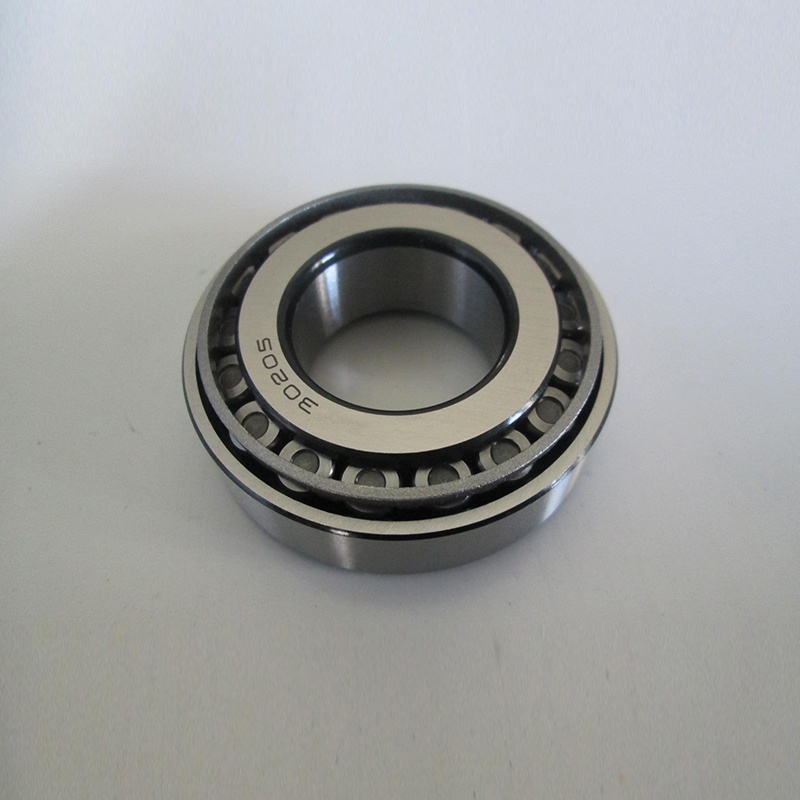
Premium bearing solutions with advanced tapered rollers give you longer life, higher load capacity, and less downtime. They use better steel, tighter precision, and smarter design. You pay more upfront but save money over time.
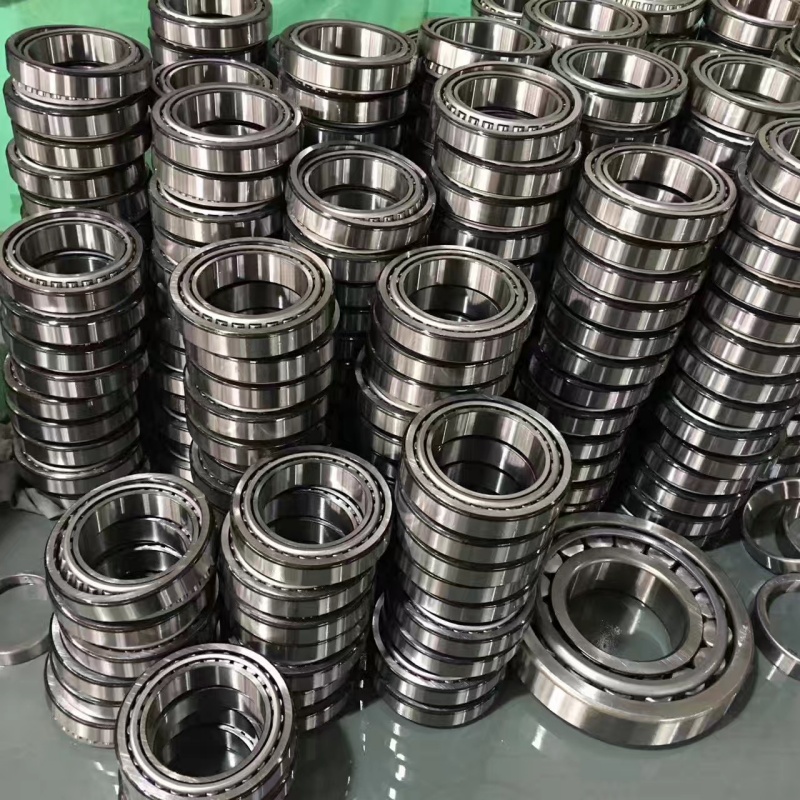
You might think all bearings from China are the same. That is not true. I run a factory with real quality control. Let me explain what makes our premium bearings different.
What Makes a Tapered Roller Bearing “Premium” Instead of Just Standard?
Not every bearing deserves the word “premium.” I see many sellers call their cheap bearings premium. That makes me angry. Real premium means real differences in materials, process, and testing.
A premium tapered roller bearing uses higher-grade steel, tighter dimensional tolerances, better heat treatment, and 100% inspection. Standard bearings skip these steps to save money. Premium bearings do everything right so you get longer life and better performance.
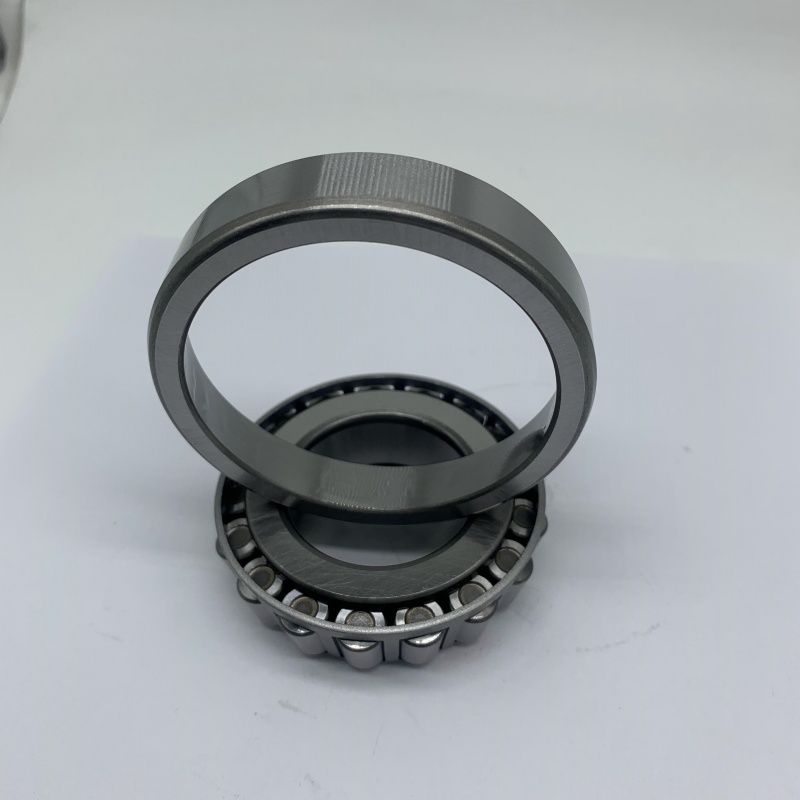
Let me show you the real differences
Here is a table that compares standard bearings with my FYTZ premium bearings:
| Feature | Standard bearing | Premium FYTZ bearing |
|---|---|---|
| Steel grade | GCr15 (basic) | GCr15 with vacuum degassing |
| Hardness range | 58-62 HRC | 60-62 HRC tight control |
| Surface roughness | Ra 0.32 μm | Ra 0.16 μm |
| Roundness tolerance | 8-10 μm | 3-5 μm |
| Heat treatment | Batch furnace | Controlled atmosphere + tempering |
| Inspection sample | 10% random check | 100% inspection |
| Noise testing | None | Vibration grade Z2 or Z3 |
| Price | Lower | Higher but worth it |
The steel story
Good bearings start with good steel. That sounds simple. But many factories buy cheap steel to save money. Cheap steel has impurities. Impurities create weak spots.
My factory buys vacuum-degassed steel only. This process removes gases and inclusions from the metal. The result is cleaner, stronger steel. It costs more. But it gives you a bearing that lasts.
I learned this lesson early. In my first year of business, I tried cheaper steel to compete on price. The bearings failed. My customers got angry. I lost money on returns.
Never again. Now I only use premium steel. My customers trust me because their bearings work.
The grinding difference
Grinding is the final step. It determines how smooth the bearing runs. Standard bearings get a quick grind. The surface is okay but not great.
Premium bearings get slow, careful grinding. We use Japanese-made grinding machines. Each bearing takes longer to produce. But the surface is mirror-smooth.
A smooth surface means less friction. Less friction means less heat. Less heat means longer life. That is the premium difference.
100% inspection – no shortcuts
Standard bearing makers inspect 1 out of every 10 bearings. Or 1 out of every 20. If a bad one slips through, you get it. Then your machine fails.
I do 100% inspection on every premium bearing. Every single bearing gets checked for:
- Size (inner diameter, outer diameter, width)
- Roundness
- Surface finish
- Hardness
- Noise and vibration
We have a full inspection line in my factory. You are welcome to visit and see it yourself. I am proud of what we do.
A story from a doubter
A customer from Turkey called me last year. He said, “All bearings are the same. I want the cheapest price.”
I told him, “Take one sample of our premium bearing. Test it against your cheap one. Then call me back.”
He tested our bearing in a concrete mixer. His cheap bearings lasted 2 months. Our premium bearing lasted 9 months. He called me back. Now he buys only premium from me.
So what makes a premium bearing? Better steel , better grinding, better heat treatment, and full inspection. That is the FYTZ way.
Advanced Materials and Heat Treatment for Longer Bearing Life?
Steel alone is not enough. How you treat the steel matters just as much. Bad heat treatment destroys good steel. Good heat treatment makes great bearings.
Advanced heat treatment gives tapered rollers consistent hardness from surface to core. This prevents early wear and cracking. Premium bearings use controlled atmosphere furnaces with multiple tempering cycles. Standard bearings skip these steps and fail faster.
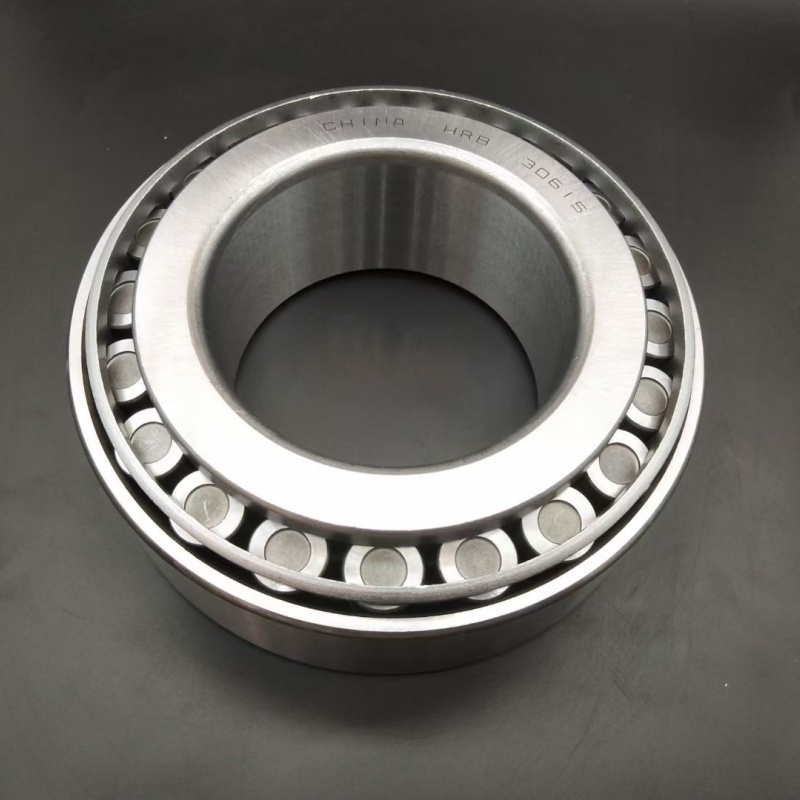
Let me explain heat treatment in simple terms
Heat treatment is cooking for metal. You heat the steel up. Then you cool it down in a specific way. The speed of cooling changes the hardness.
Here is what different processes give you:
| Heat treatment type | Hardness | Toughness | Wear resistance | Cost |
|---|---|---|---|---|
| Basic (no control) | Uneven | Low | Poor | Low |
| Standard oil quench | 58-60 HRC | Medium | Medium | Medium |
| Controlled atmosphere + temper | 60-62 HRC | High | High | Higher |
| Vacuum heat treat + triple temper | 61-63 HRC | Very high | Very high | Highest |
The problem with uneven hardness
Imagine a bearing with soft spots and hard spots. The soft spots wear down fast. The hard spots crack because they are brittle. The bearing fails.
I see this in cheap bearings all the time. A customer sends me a failed bearing. I cut it open. The hardness varies by 5 points across the same part. That is terrible.
My premium bearings have hardness variation of less than 1 point. Every roller is the same. Every raceway is the same. That consistency makes the bearing last.
The tempering secret
Many factories quench the steel and stop. That is a mistake. Quenching makes the steel hard but brittle. Like glass. It can crack easily.
Tempering is the second step. You reheat the steel to a lower temperature. This reduces brittleness but keeps hardness. It is like making steel tough instead of just hard.
I do double tempering on all my premium bearings. Sometimes triple tempering for special orders. Each tempering cycle adds hours to production. But each cycle makes the bearing tougher.
A customer from South Africa sent me a bearing that failed from shock loads. The bearing was hard but brittle. It cracked like an eggshell.
I sent him our triple-tempered premium bearings. He called me six months later. The bearings were still running. No cracks. No wear.
The microstructure matters
Under a microscope, good steel looks different from bad steel. Good steel has fine, uniform grains. Bad steel has large, mixed grains.
Fine grains make the bearing stronger. They resist cracking. They wear evenly.
My factory controls the grain size through exact heating and cooling. We test every batch with a microscope. If the grain is wrong, we reject the whole batch.
What this means for your machines
Better heat treatment means your bearings last longer. They handle shock loads better. They resist wear better. They run smoother.
You pay more for this. But let me ask you. How much does a machine failure cost? How much does a bearing change cost? How much does lost production cost?
The extra $5 or $10 for a premium bearing is nothing compared to those costs.
So when you buy from me, you get advanced heat treatment. I do not cut corners. Your machines deserve better.
Precision Grades P5 and P6: When Your Application Demands the Best?
Not every machine needs high precision. But some machines do. When your spindle runs at 10,000 RPM or your robot needs perfect positioning, you cannot use standard bearings.
Precision grades P5 and P6 are for applications that need tight tolerances and smooth running. P6 is 50% tighter than standard. P5 is 50% tighter than P6. Use P6 for most industrial machines. Use P5 for high-speed spindles, machine tools, and precision gearboxes.
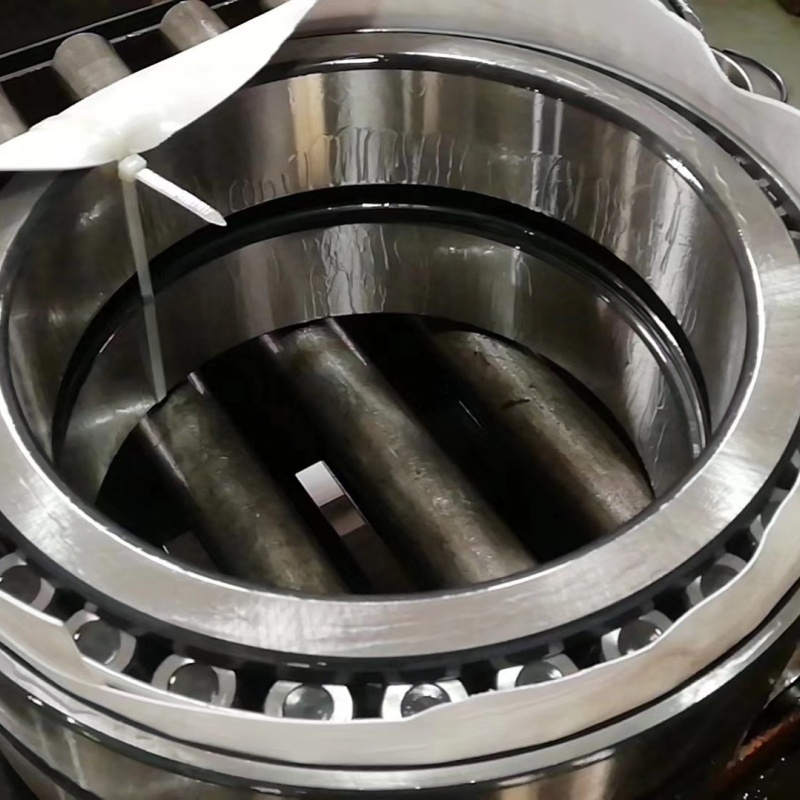
Let me show you the difference in numbers
Here is a table of tolerance differences. Smaller numbers mean better precision.
| Measurement | Standard (P0) | P6 | P5 | What it affects |
|---|---|---|---|---|
| Inner diameter variation | 12 μm | 8 μm | 5 μm | Fit on shaft |
| Outer diameter variation | 15 μm | 9 μm | 6 μm | Fit in housing |
| Width variation | 150 μm | 100 μm | 50 μm | Preload consistency |
| Running accuracy (radial) | 15 μm | 8 μm | 5 μm | Vibration and noise |
| Running accuracy (axial) | 20 μm | 10 μm | 6 μm | Thrust alignment |
When to use P6 precision
P6 is my most common recommendation. It costs only 10-20% more than standard. But it gives you much better running accuracy.
Use P6 for:
- Gearboxes
- Industrial motors
- Pumps and compressors
- Conveyor rollers
- Agricultural machinery
I sold 5,000 pieces of P6 tapered rollers to a customer in Brazil last year. He makes gearboxes for trucks. He told me his gearbox noise dropped by 30% after switching to P6. His customers noticed the difference.
When to use P5 precision
P5 is for serious precision work. It costs 50-100% more than standard. But for the right application, it is worth every cent.
Use P5 for:
- Machine tool spindles
- High-speed motors (over 8,000 RPM)
- Printing presses
- Textile machinery
- Precision robots
A customer in Germany makes CNC spindles. His spindles run at 15,000 RPM. Standard bearings vibrated too much. The surface finish on his parts was bad.
He tried our P5 tapered rollers. The vibration dropped by 70%. His surface finish went from rough to mirror-smooth. He now buys only P5 from me.
The noise and vibration difference
High precision means low noise. Low noise means smoother running. Smoother running means longer life.
I test every premium bearing for vibration. We use a German-made vibration tester. The machine measures how much the bearing shakes.
Standard bearings often score V3 or V4 (more vibration). My P6 bearings score V2 or better. My P5 bearings score V1 or V2.
For a quiet machine, use P5 or P6. Your workers will appreciate less noise. Your products will have better quality.
A story from a doubter who became a believer
Rajesh called me two years ago. He said, “My customers do not ask for precision grades. They just want cheap bearings.”
I told him, “Give them a choice. Offer standard for low-end machines. Offer P6 for better machines. Show them the difference.”
He tried it. He bought 1,000 P6 bearings from me. He sold them to a textile mill. The mill owner loved the smooth, quiet running. He ordered more.
Now Rajesh buys P6 and P5 bearings from me every month. His business grew because he offered better quality.
Do you need precision?
Ask yourself these questions:
- Does your machine run over 5,000 RPM?
- Does your product need a smooth surface finish?
- Is noise a problem in your factory?
- Do you want your bearings to last longer?
If you answered yes to any of these, you need P6 or P5. If you answered no to all of them, standard P0 may be fine for you.
But remember. Even standard FYTZ bearings are better than most cheap brands. We do not cut corners.
Why Premium Bearings Cost Less in the Long Run for Wholesale Buyers?
I hear this every week. “Your bearings cost more than the other supplier.” Yes, they do. But let me show you why you actually save money with me.
Premium bearings cost less in the long run because you buy fewer of them. You also pay less for labor, less for downtime, and less for emergency shipping. A premium bearing that lasts 3 times longer saves you 50-70% on total cost even if it costs twice as much upfront.
Let me show you the real math
Here is a comparison for a wholesale buyer who orders 500 bearings per year.
Good bearings start with good steel. That sounds simple. But many factories buy cheap steel to save money. Cheap steel has impurities. Impurities create weak spots.
My factory buys vacuum-degassed steel only. This process removes gases and inclusions from the metal. The result is cleaner, stronger steel. It costs more. But it gives you a bearing that lasts.
I learned this lesson early. In my first year of business, I tried cheaper steel to compete on price. The bearings failed. My customers got angry. I lost money on returns.
You save $2,150 per machine per year with premium bearings. That is real money.
The hidden costs you forget
When you buy cheap bearings, you forget about these costs:
Labor – Your mechanic costs $30 to $80 per hour. Changing a bearing takes 1 to 3 hours. Multiply that by 4 changes per year. That adds up fast.
Downtime – Your machine makes money when it runs. Every hour it stops, you lose that money. A $500 per hour machine loses $2,000 during a 4-hour bearing change.
Rush shipping – When a bearing fails, you need a new one fast. Rush shipping costs $50 to $200 per order. Do that 4 times per year, and you pay $200 to $800 extra.
Damage to other parts – A failed bearing can damage the shaft or housing. Fixing that costs $500 to $5,000. Premium bearings fail less often. So you fix less damage.
A real story from Rajesh
Rajesh used to buy cheap bearings from local traders. He paid $2.50 per bearing. He thought he was smart.
Then his customers started complaining. The bearings failed fast. His customers wanted refunds. They stopped buying from him.
Rajesh came to me. He started buying my premium bearings at $5 each. His cost doubled. But his customers stopped complaining. They started buying more. They told other shops about him.
Now Rajesh sells 5 containers per year from me. He makes more profit than ever. His customers trust him.
He told me last week, “I was blind before. Cheap bearings almost killed my business. Premium bearings saved it.”
The wholesale buyer advantage
As a wholesale buyer, you have a special advantage. When you stock premium bearings, you build trust with your customers. They know you sell quality. They come back to you again and again.
Cheap bearings destroy trust. A customer buys a cheap bearing from you. It fails in one month. The customer blames you. They never come back.
One lost customer costs you their lifetime value. That could be $10,000 or more. All to save $2 on a bearing.
That is not smart business.
My honest advice
If you are a wholesale buyer, here is my advice. Stock three levels:
- Economy bearings – For price-sensitive customers who do not care about quality
- Premium FYTZ bearings – For most customers who want good value
- Ultra-precision bearings – For demanding applications
Most of your sales will be in the premium range. Your customers will be happy. You will make good profit. And you will sleep better at night.
I offer volume discounts for wholesale buyers. The more you buy, the lower the price per bearing. Email me at sales@fytzbearing.com for a quote.
The bottom line
Premium bearings cost more today. But they cost less tomorrow. Do the math for your own machines. I am confident you will save money with FYTZ.
Conclusion
Premium tapered rollers use better steel, heat treatment, and precision. They cost more upfront but save you money over time. Choose FYTZ for real quality.