
A machine breaks down at 3 PM on a Friday. Your customer needs a bearing today, not next week. What do you do?
Repair shops and aftermarket suppliers need deep groove ball bearings that are available fast, fit right, and last long enough. Machine builders plan weeks ahead. Repair shops work in hours. That changes everything about how you buy and stock bearings. You need common sizes, trusted quality, and smart inventory management.
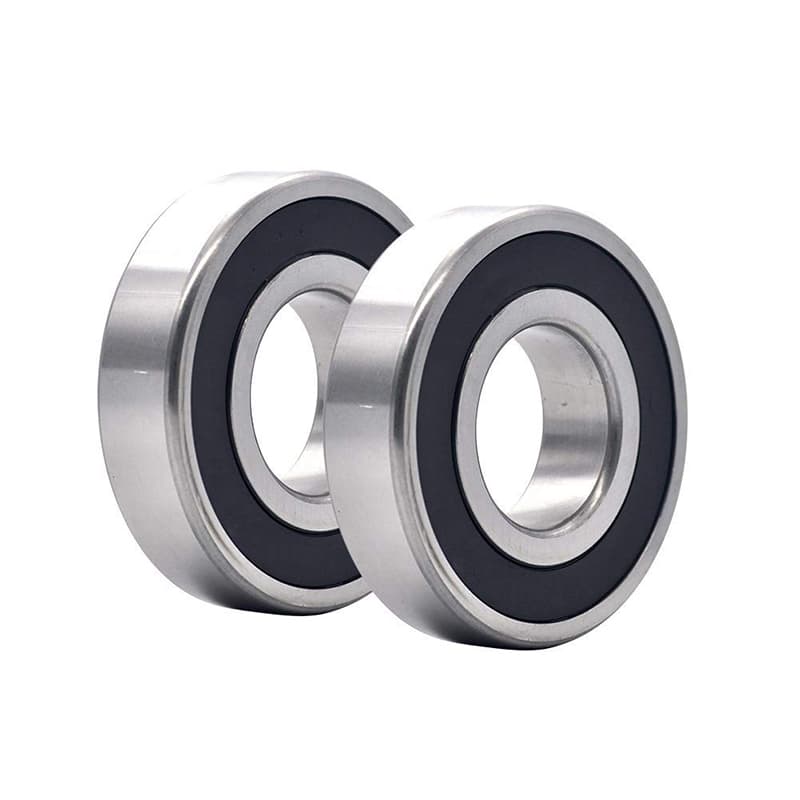
I run a bearing factory in China. I talk to repair shops and aftermarket distributors every day. The good ones know something that machine builders often miss. Speed matters more than price. A bearing that costs 20% more but arrives tomorrow is better than a cheap bearing that comes next week.
Let me show you how to think about bearings for repair work. This is different from OEM supply. You will see why.
Why Repair Shops Need a Different Bearing Strategy Than Machine Builders?
A machine builder orders bearings three months before they need them. A repair shop needs bearings three hours after the phone rings. Why are these two businesses so different?
Machine builders control their schedule. They can wait for the lowest price. Repair shops cannot. A broken machine costs money every minute it sits still. Repair shops need bearings that are in stock, easy to get, and reliable. They cannot afford to experiment with unknown brands. They also cannot afford to keep every size. That means they need a smart stocking strategy based on local demand.
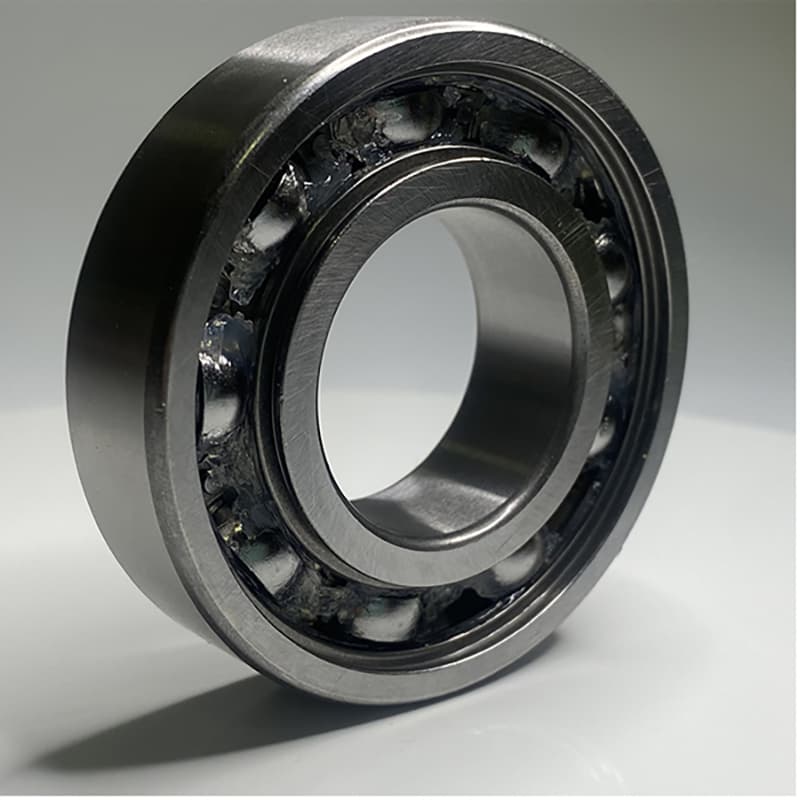
How the repair business changes your bearing decisions?
Let me break down the differences. I have seen many repair shops lose money because they think like machine builders. Here is what I mean.
Time is the real cost. When a factory machine stops, the owner loses production. A broken conveyor belt might cost $1,000 per hour. A broken packaging machine might cost $5,000 per hour. The bearing itself is cheap compared to that downtime. If a $10 bearing saves two days of waiting, it is worth $100 or more. Do not focus only on the bearing price. Focus on the total cost of downtime.
Fit is more important than brand. A machine builder specifies a brand and a model number. They buy exactly that. A repair shop walks into a broken machine. They measure the old bearing. They look at the markings. They need a bearing that fits. The brand matters less than the dimensions and tolerance. If a bearing has the right size and the right clearance, it will work. The customer does not care about the brand name on the box. They care that the machine runs again.
Returns are not your friend. Machine builders can return bearings if they order too many. Repair shops cannot. If you buy a bearing for a specific repair job and the customer cancels, you are stuck with that bearing. It might sit on your shelf for a year. That is why repair shops buy what they need for each job. They do not stock deep. They stock wide. They keep one or two of many sizes, not 100 of one size.
Supplier relationships matter more than price. A repair shop needs a supplier who answers the phone. They need someone who can ship same day. They need someone who will tell them honestly if a bearing is out of stock. A cheap supplier who takes two weeks to respond is useless for repair work. I have customers who pay me a little more because they know I pick up the phone on Saturdays. That trust is worth money.
Here is a comparison table:
| Factor | Machine Builder (OEM) | Repair Shop (Aftermarket) |
|---|---|---|
| Lead time needed | Weeks or months | Hours or days |
| Price sensitivity | Very high | Medium (downtime costs more) |
| Order size | Large (hundreds or thousands) | Small (1 to 50 pieces) |
| Brand preference | Fixed by design | Flexible (fit is priority) |
| Inventory risk | Low (planned purchases) | High (emergency buys) |
| Supplier need | Low price + consistent quality | Fast delivery + reliable stock |
I have a customer in India who runs a repair shop for textile machines. He used to buy bearings from the cheapest online supplier. He saved maybe 10% on each bearing. But twice a year, the supplier was out of stock on a size he needed. His customer waited two weeks for the bearing. The factory lost production. The customer blamed my client, not the bearing supplier.
He lost one major customer because of that delay. Now he buys from me. My prices are not the lowest. But I keep common sizes in stock. I ship within 24 hours. He pays a little more but he never loses a customer again. That is the repair shop strategy.
Another example from Turkey. A customer runs a bearing distribution business. He supplies repair shops across the country. He told me his rule. Never stock less than two pieces of any size he sells. If he sells one, he orders a replacement immediately. That way, he always has at least one for the next emergency. Simple rule. Very effective.
So here is my advice for repair shops. Stop thinking like a machine builder. You are in the emergency response business. Your value is speed and reliability. Pay for good stock management. Pay for fast shipping. Do not chase the lowest price. Chase the best availability.
The Most Common Sizes You Must Keep in Stock for Emergency Repairs?
Your warehouse has limited space. You cannot stock every bearing size. But you also cannot tell a customer "sorry, I don’t have that size." How do you choose what to keep?
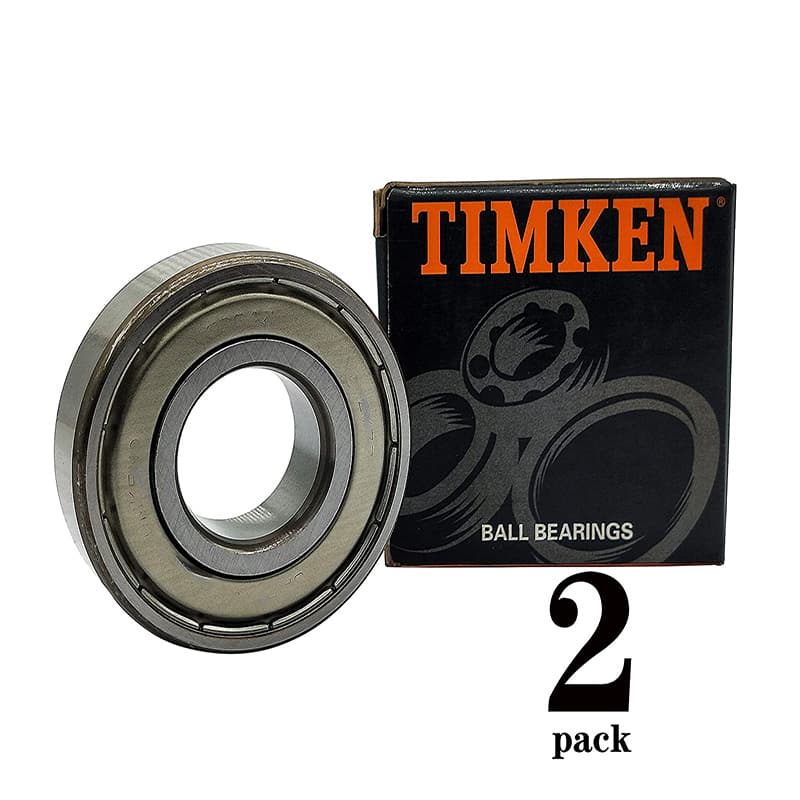
Start with electric motor sizes. Electric motors are everywhere. They use a small set of common bearing sizes. Then add conveyor and pump sizes. The most common deep groove ball bearings for repair work are 6204, 6205, 6206, 6304, 6305, 6306, 6004, 6005, and 6006. Keep these in ZZ (metal shield) and 2RS (rubber seal) versions. These nine sizes cover 70% of your emergency calls.
How to build a lean but effective repair inventory?
Let me teach you a system. Do not guess what to stock. Look at the machines in your area. Every region has different popular equipment. But some patterns are universal.
Electric motors are your best friend. Small to medium electric motors use 62xx and 63xx series bearings. A 6204 fits many 1 HP motors. A 6206 fits many 3 HP motors. A 6306 fits many 5 HP motors. If you stock these three sizes in both ZZ and 2RS, you can fix half the motor problems in your area. Add 6205 and 6305, and you cover 70%.
Conveyor rollers use 62xx series too. Conveyor systems are everywhere. Warehouses, factories, airports. Most conveyor rollers use 6204, 6205, or 6206. Some use 6304. These bearings take radial loads. They run at low speed. The rubber seal version (2RS) is best for conveyor work because it keeps dust out.
Pumps and fans use 60xx series. Water pumps, cooling fans, and ventilation systems often use 6004, 6005, and 6006. These are thinner bearings. They fit in tight spaces. Keep these in stock because pump failures happen often. A broken water pump in a factory can shut down a whole production line.
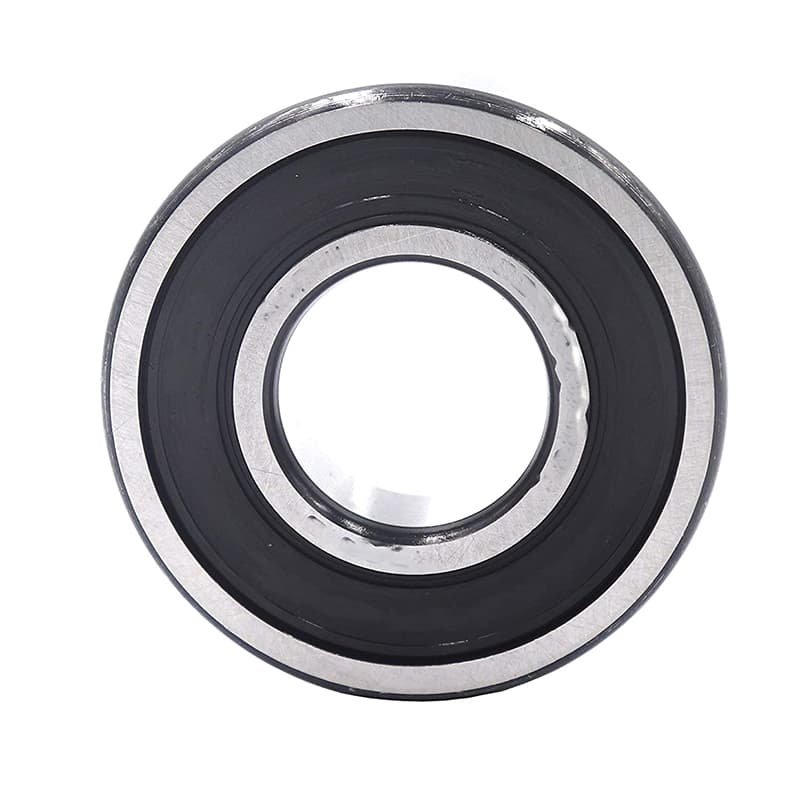
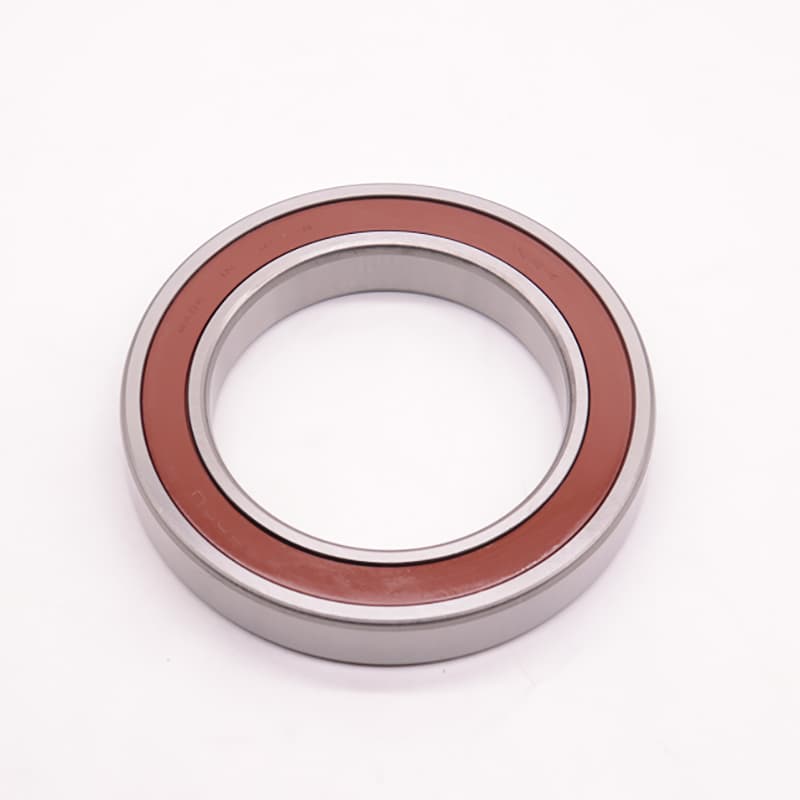
The ZZ vs 2RS question. ZZ bearings have metal shields. They are good for clean, dry places like electric motor interiors. 2RS bearings have rubber seals. They are better for dusty or wet places like conveyor rollers outdoors. Stock both. Do not guess which one your customer needs. Ask them. If they are not sure, sell them 2RS. Rubber seals work in more conditions.
Here is a recommended stocking table:
| Bearing Size | Common Applications | ZZ (Metal Shield) | 2RS (Rubber Seal) | Priority Level |
|---|---|---|---|---|
| 6204 | 1 HP motors, small conveyors | Yes | Yes | Must have |
| 6205 | 2 HP motors, medium conveyors | Yes | Yes | Must have |
| 6206 | 3-5 HP motors, pumps | Yes | Yes | Must have |
| 6304 | Small fans, light duty pumps | Yes | Yes | Should have |
| 6305 | 5 HP motors, industrial fans | Yes | Yes | Should have |
| 6306 | 7.5-10 HP motors, large pumps | Yes | Yes | Should have |
| 6004 | Compact motors, small pumps | No | Yes | Nice to have |
| 6005 | Thin section applications | No | Yes | Nice to have |
| 6006 | HVAC fans, water circulators | No | Yes | Nice to have |
I have a customer in Brazil. He runs a bearing supply shop for industrial repair. He told me that 80% of his emergency sales are from the six sizes in the "must have" and "should have" lists. He stocks deeper on those sizes. He stocks one or two pieces on the others. This system works.
He also tracks what he sells. Every month, he looks at his sales data. If a size sells out three months in a row, he increases his stock level. If a size sits on the shelf for a year, he drops it. Simple data-driven decisions.
Another story from Egypt. A repair shop owner told me he kept 100 pieces of 6204 in stock. I asked him why so many. He said, "Because I sell them." He sells 100 pieces every two months. That is a fast mover. He keeps 100 pieces because he knows he will sell them. That is smart inventory management. Do not stock deep on slow movers. Stock deep on fast movers.
So here is my stocking advice. Start with the nine sizes I listed. Add the ZZ and 2RS versions for the top six. Track what you sell for three months. Adjust your stock levels based on real data. Do not guess. Do not stock what you hope to sell. Stock what you actually sell.
OEM vs. Aftermarket Bearings: What Your Customers Really Care About?
Your customer asks for an "OEM bearing." You have an aftermarket bearing that fits perfectly. Can you offer it? Or will the customer say no?
Most repair customers do not need OEM bearings. They need bearings that fit and last a reasonable time. OEM bearings come in fancy boxes with high prices. Aftermarket bearings from a good factory work just as well for 90% of repair jobs. The exceptions are very high speed machines, medical equipment, and aerospace. For general factory machinery, a quality aftermarket bearing is fine. Your customer cares about three things. Does it fit? Does it arrive fast? Does it last at least as long as the old one?
When to offer aftermarket and when to insist on OEM?
Let me clear up the confusion. I hear this question every week. Here is my honest answer as a factory owner.
What OEM really means. OEM stands for Original Equipment Manufacturer. It means the bearing came from the same brand that the machine builder used. But here is the secret. Many machine builders do not make their own bearings. They buy bearings from bearing factories. They put them in their machines. The bearing brand is often a brand you never heard of. Or it is a major brand like SKF, NSK, or FAG. Either way, the bearing came from a bearing factory.
Aftermarket does not mean bad. Aftermarket bearings come from independent bearing factories. Some of these factories are excellent. Some are terrible. The difference is quality control. A good aftermarket factory uses the same steel, same machines, and same inspection as the big brands. They just do not spend money on marketing. FYTZ Bearing is an aftermarket brand. We make bearings that fit the same dimensions as any major brand. We use good steel. We test every batch. We just do not charge the big brand price.
The fit test is everything. Take the old bearing. Measure the inner diameter, outer diameter, and width. Compare with the new bearing. If the numbers match, the bearing will fit. That is the most important test. Brand name does not change the fit.
The life expectation is different for repairs. A machine builder wants a bearing to last for years. A repair shop wants a bearing to last until the next scheduled maintenance. That might be six months or one year. A good aftermarket bearing can do that easily. In fact, many aftermarket bearings last just as long as OEM bearings. The difference is often just the name on the box.
Here is a decision table for repair shops:
| Machine Type | OEM Required? | Aftermarket OK? | Why |
|---|---|---|---|
| General conveyor | No | Yes | Low speed, low precision needed |
| Industrial fan | No | Yes | Simple application |
| Water pump | No | Yes | Common sizes, easy to replace |
| Electric motor under 10 HP | No | Yes | Very common application |
| Packaging machine | Maybe | Usually yes | Moderate speed, check clearance |
| Printing press | Possibly | Check first | Higher precision needed |
| CNC spindle over 10,000 RPM | Yes | No | High speed, high precision |
| Medical imaging equipment | Yes | No | Safety and liability |
| Aerospace or military | Yes | No | Strict regulations |
I have a story from Indonesia. A repair shop owner called me. He needed a bearing for a food packaging machine. The customer wanted an OEM bearing from a famous European brand. The price was $120. I quoted him our aftermarket bearing for $35. Same dimensions. Same internal clearance. Same seal type.
He was nervous. He thought his customer would refuse. I told him to show the customer both bearings side by side. Let the customer feel the smoothness. Let them check the markings. The customer agreed to try the aftermarket bearing. That was three years ago. The machine is still running. Now that repair shop buys all his bearings from me.
Another story from Russia. A customer runs a bearing distribution business. He sells both OEM and aftermarket bearings. He tells his repair customers a simple rule. For machines that cost less than $10,000, use aftermarket. For machines over $50,000, use OEM if the customer insists. For everything in between, ask the customer about their downtime cost. If downtime is expensive, get the bearing that arrives fastest. That is often aftermarket because he stocks it locally.
So here is my advice. Do not assume OEM is always better. Do not assume aftermarket is worse. Check the application. Check the customer’s budget. Check the delivery time. Then make the decision. And if you are not sure, buy one of each and test them. The test will tell you the truth.
Packaging and Storage Tips for Bearings That May Sit on Your Shelf for Months?
You buy bearings for stock. Some sell fast. Some sit on the shelf for six months. When you finally sell them, will they still be good?
Bearings that sit on a shelf can still fail before use. Dust settles on them. Humidity rusts them. Stacking pressure dents them. Even in a box, bearings need protection. Keep them in original sealed packaging. Store them in a dry, clean area below 30°C. Do not stack heavy boxes on top of each other. Rotate your stock like a grocery store. Oldest bearings go out first.
How to keep your inventory ready for the next emergency?
Let me share what I have learned from warehouses around the world. Bad storage habits destroy good bearings. Here is how to avoid that.
Keep bearings in original packaging until sold. The factory packaging is designed to protect the bearing. It has rust-proof oil inside. It has sealed plastic bags. It has cardboard boxes that block dust. Do not open the box to "check" the bearing. Do not repack bearings into different boxes. Do not put loose bearings on a shelf. Every time you open a box, you let in dust and humidity.
Control the storage environment. Keep bearings in a clean, dry room. Ideal temperature is 10°C to 30°C. Ideal humidity is below 60%. Do not store bearings near open windows. Do not store them near water pipes. Do not store them next to machines that create dust or vibration. A clean office is better than a dirty warehouse.
Watch the stacking height. I see this mistake everywhere. People stack bearing boxes ten or fifteen high. The bottom boxes get crushed. The bearings inside get pressure marks. Stack no more than five boxes high for small bearings. For large bearings (over 100mm outer diameter), stack no more than three boxes high. Or better, store them on shelves where nothing sits on top of them.
Rotate your stock like a grocery store. Use the FIFO rule. First In, First Out. Put new bearings at the back of the shelf. Move older bearings to the front. This way, bearings do not sit for years. Every time you sell a bearing, you sell the oldest one first. This is simple. But many people forget to do it.
Check your stock every three months. Open one box from each batch. Look for rust. Spin the bearing by hand. Does it feel smooth? Does it make noise? If you see problems, inspect the whole batch. Move affected bearings to a "use first" section. Do not sell damaged bearings to customers. Your reputation is worth more than one bearing.
Here is a storage checklist:
| Storage Factor | Good Practice | What to Avoid | Why It Matters |
|---|---|---|---|
| Packaging | Keep factory sealed | Opening boxes early | Prevents dust and moisture |
| Temperature | 10°C to 30°C | Above 40°C or below 0°C | Grease stays stable |
| Humidity | Below 60% | Above 70% | Prevents rust |
| Stacking height | 5 boxes max | 10+ boxes | Prevents brinelling damage |
| Stock rotation | FIFO system | Selling newest first | Balances shelf life |
| Inspection frequency | Every 3 months | Never or once a year | Catches problems early |
I have a story from Pakistan. A distributor kept his bearing stock in a metal shipping container. The container sat in the sun all day. Inside temperatures reached 50°C. After one summer, the grease in his bearings had turned to liquid. Some had leaked out of the seals. The bearings were dry inside. He sold them anyway. His customers complained about noisy bearings. He lost his reputation.
Now he stores bearings in an air-conditioned room. It costs him electricity. But his bearing quality is consistent. His customers trust him.
Another story from South Africa. A repair shop owner told me he found rust on some bearings that had been on his shelf for eight months. The box was sealed. How did rust get inside? I asked him about his storage room. He stored bearings next to a wall that had a slow water leak. The humidity from the leak was enough to cause rust over eight months. He moved his bearings to a dry area. The problem stopped.
So here is my final storage advice. Treat your bearing inventory like food. Keep it cool. Keep it dry. Keep it sealed. Use the oldest first. Check it regularly. A bearing that fails on the shelf is money wasted. A bearing that fails in a customer’s machine is worse. That is lost trust. Do not let bad storage damage your reputation.
Conclusion
Repair shops need fast availability, common sizes, smart stocking, and proper storage. Aftermarket bearings work for most jobs.