
You bought brand new bearings. But they failed before you even used them.
Improper storage ruins deep groove ball bearings through moisture, temperature changes, dirt, and pressure. These four factors cause rust, lubricant breakdown, particle damage, and raceway deformation. Most bearing failures start in the warehouse, not on the machine.
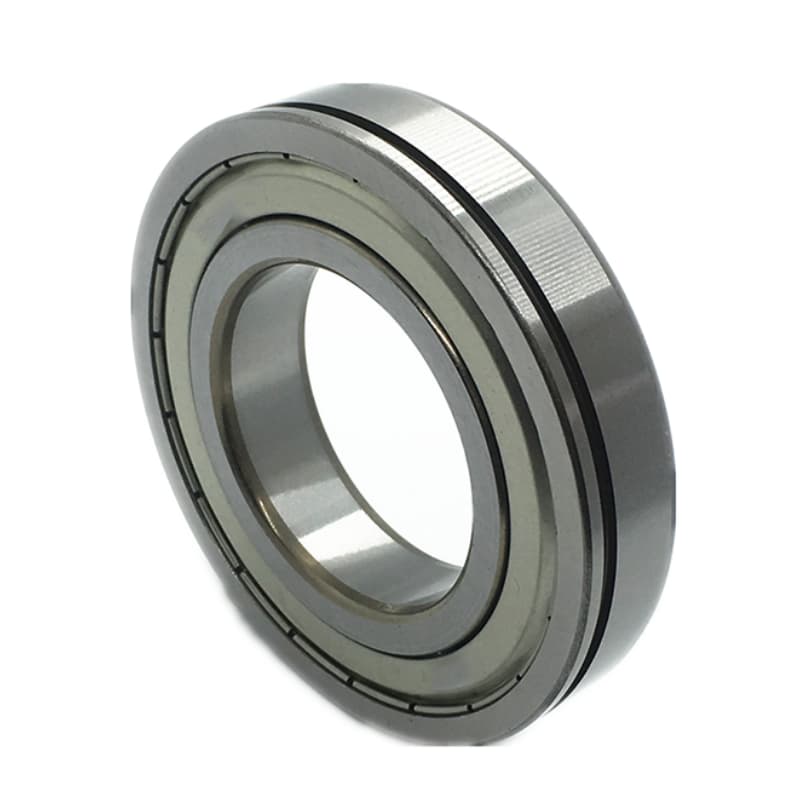
Let me be honest with you. I run a [bearing factory](https://en.wikipedia.org/wiki/Bearing_(mechanical)) in China. For over ten years, I have seen customers throw away perfectly good bearings. Why? [Bad storage](https://www.b2k.co.za/protect-your-investment-essential-tips-for-handling-and-storing-bearings/). They call me angry. They think I sent bad products. But the truth is different. Their warehouse killed the bearings.

So in this post, I will show you exactly how bad storage hurts your bearings. And more importantly, you will learn how to stop it.
Moisture and Humidity: The Fast Track to Corrosion and Pitting?
You store [bearings](https://en.wikipedia.org/wiki/Bearing_(mechanical)) in a damp basement. Three months later, you see orange spots. What happened?

**High [humidity](https://en.wikipedia.org/wiki/Humidity) causes condensation on metal surfaces. This water reacts with steel to form [rust](https://en.wikipedia.org/wiki/Rust). Rust creates pits on raceways and balls. Once pitting starts, the bearing will never run smooth again. You lose precision and noise control forever.**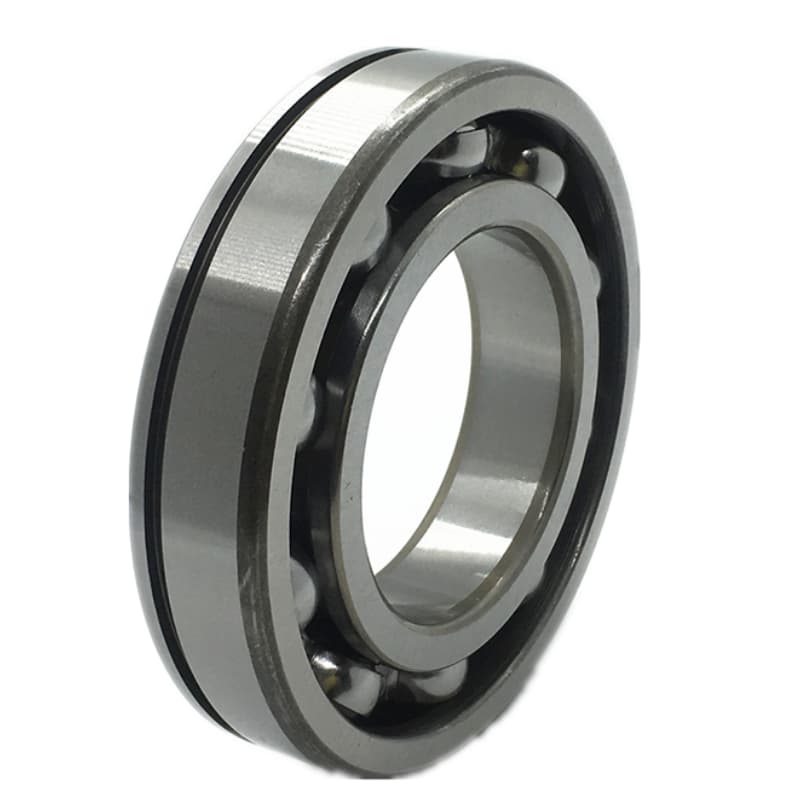
How moisture actually attacks your bearings?
Let me break this down in simple terms. Most people think water directly rusts steel. That is not the full story.
First, your bearings come with a protective grease or oil layer. This layer blocks air and moisture. But when humidity stays above 60% for weeks, water vapor slowly pushes through this protection. The vapor turns into liquid water on cold surfaces. This happens a lot at night when temperatures drop.
Second, this water mixes with acids in the air. Industrial areas have sulfur and carbon compounds. These make the water slightly acidic. Acidic water eats steel much faster than pure water does.
Third, rust is not smooth. It looks like tiny mountains and valleys. These rough surfaces create stress points. When the bearing rotates, these points grind against each other. The grinding creates more heat. More heat thins out your lubricant. Thin lubricant leads to metal-on-metal contact. Then the bearing fails completely.
Here is a quick table to help you spot moisture damage early:
| Storage Condition | What You Will See | When It Happens |
|---|---|---|
| Humidity above 60% for 1 month | Light surface rust on raceways | Visible after 30-45 days |
| Humidity above 80% for 2 weeks | Dark spots and small pits | Visible after 14-21 days |
| Direct water contact (leaky roof) | Heavy rust and deep pitting | Visible in 3-7 days |
| Temperature changes daily (15°C swing) | Condensation inside packaging | Can happen overnight |
I remember one client from Vietnam. He stored 500 deep groove ball bearings next to an open window. The rainy season came. Two months later, every single bearing had rust pits. He lost $8,000. His only mistake? He did not close the window.
The worst part is this. You cannot fix pitted bearings. Once the steel surface is damaged, no cleaning or re-greasing will save it. The bearing will always run rough. It will always make noise. And it will fail much faster than a new one.
So what can you do? Keep your storage area dry. Use a dehumidifier if needed. Keep bearings in their original packaging until you need them. And check your stock every month. If you see early rust signs, use those bearings first.
Temperature Extremes: How Heat and Cold Degrade Lubrication and Materials?
You store bearings next to a hot machine. Six months later, the grease looks like water. What went wrong?
Extreme heat makes bearing grease separate and leak out. Extreme cold makes grease hard and thick. Both conditions damage the lubricant permanently. Without proper lubrication, metal parts touch directly. Then wear happens fast and noise gets loud.
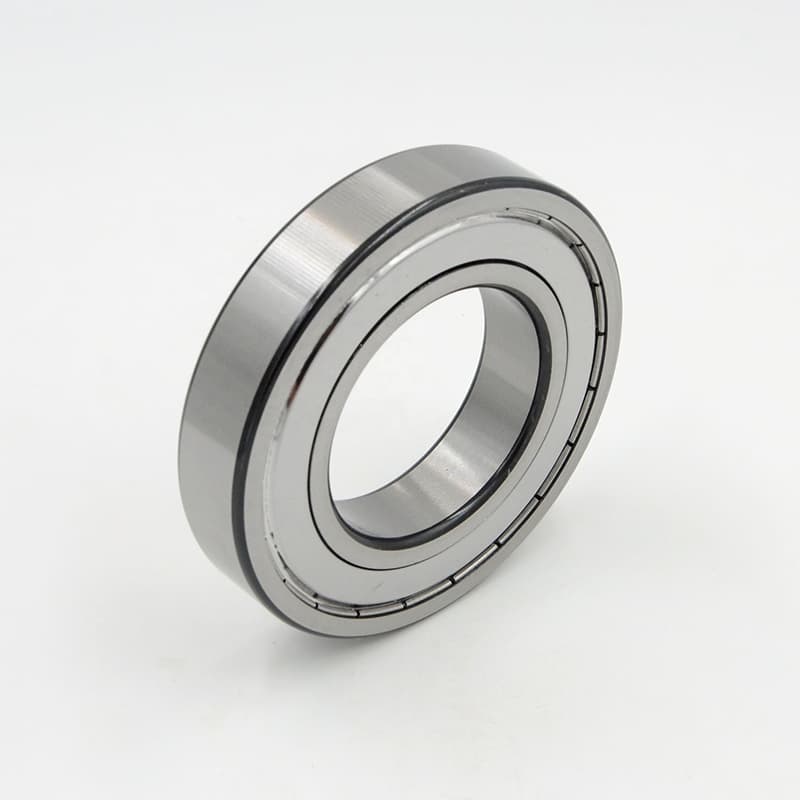
What really happens inside your bearings at wrong temperatures?
Let me explain this step by step. Bearings look simple. They are not. The lubricant inside is a complex mix of oil, thickener, and additives. Temperature changes break this mix apart.
When temperatures go above 50°C (122°F), the oil part gets thin. It flows away from the thickener. The thickener stays behind as hard soap-like chunks. These chunks cannot lubricate anymore. They actually block movement. I have seen bearings where the grease turned into wax. That wax does nothing except take up space.
When temperatures drop below 0°C (32°F), the opposite happens. The oil gets thick like honey. It stops flowing into tiny gaps between balls and raceways. When you finally run the bearing, there is no oil film. Metal grinds on metal from the first second.
Here is something most people do not know. Temperature changes also affect the steel itself. Steel expands when hot and shrinks when cold. Over many cycles, this creates tiny cracks inside the bearing rings. These cracks grow over time. One day, the bearing just breaks apart.
Check this table to understand temperature damage better:
| Storage Temperature | Lubricant Change | Steel Change | Result After 6 Months |
|---|---|---|---|
| 0°C to 40°C (safe zone) | Stays normal | No change | Bearings work perfectly |
| 40°C to 60°C | Oil starts separating | Minor expansion | Grease becomes semi-solid |
| Above 60°C | Oil completely leaks out | Expansion creates stress | Dry bearing, high failure risk |
| Below 0°C for weeks | Grease hardens | No change | Thick lubricant, poor startup |
| Daily cycles (hot to cold) | Oil moves in and out | Tiny cracks form | Both lubricant and steel fail |
I will give you a real example. A buyer from Turkey called me once. His bearings were noisy right out of the box. I asked about his storage. He told me he kept them in a metal container under direct summer sun. Inside temperature? Over 65°C every afternoon for three months.
The grease had turned into brown powder. The bearings were dry. We replaced them, but he lost two weeks of production. That is time he will never get back.
So here is my advice. Store bearings between 10°C and 30°C. Keep them away from heaters, furnaces, or sunny windows. Do not put them near outside walls in winter. If your warehouse gets cold, warm up bearings slowly before installing them. Sudden temperature changes cause condensation. And you already know what condensation does.
Dust and Contaminants: Invisible Particles That Cause Premature Wear?
You open a bearing box. Everything looks clean. But after installation, the bearing sounds like sand inside. What is happening?
Tiny dust particles land on bearing surfaces before installation. These particles act like sandpaper between balls and raceways. You cannot see most contaminants with your eyes. But the damage shows up fast once the bearing starts moving.
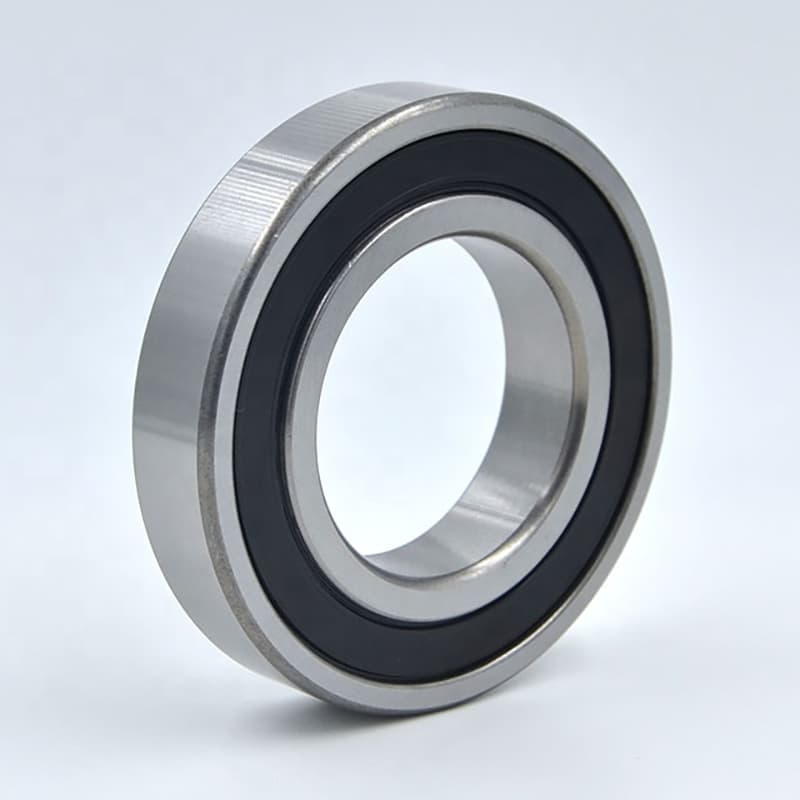
How invisible dirt kills your bearings from the inside?
Let me walk you through this problem. A human hair is about 75 microns thick. A bearing’s oil film is only 0.1 to 1 micron thick. Do you see the problem? A dust particle that is too small to see is still 10 times thicker than the oil film.
When that particle gets between the ball and the raceway, the ball presses it into the steel. The particle scratches a tiny line. That line becomes a groove. The groove catches more particles. Soon you have many grooves. The bearing surface looks like a scratched CD.
But here is the tricky part. Most contamination happens when you open the box. People store bearings in dirty workshops. They take the bearing out for inspection. They put it back without cleaning. Each time, more dust lands on the grease.
The grease itself acts like flypaper. It catches everything. Once dust sticks to the grease, you cannot remove it without washing the whole bearing. And washing removes the original factory grease too. You have to re-grease carefully. Most people do not do this right.
Let me show you common contamination sources:
| Contaminant Type | Particle Size | Where It Comes From | Damage Speed |
|---|---|---|---|
| Dust from concrete floor | 10 to 50 microns | Walking, sweeping, air movement | Fast – visible in days |
| Metal shavings | 20 to 200 microns | Nearby grinding or cutting | Very fast – hours of running |
| Textile fibers | 50 to 500 microns | Clothes, rags, cardboard boxes | Medium – weeks of running |
| [Sand (silica)](https://www.bm.com.sa/water-treatment-filtration-media/silica-sand/silica-sand-size-chart-understanding-particle-sizes-and-their …) | 100 to 1000 microns | Outside air, shoes, pallets | Very fast – immediate scratching |
| Smoke particles | 0.1 to 1 micron | Welding, engines, heaters | Slow – months of running |
I have a story from a customer in Pakistan. He stored his taper roller bearings next to a cement mixing area. The air was full of fine gray dust. He kept the boxes open "for easy access." After three months, every bearing made grinding noises. The cement dust had embedded into the grease. Nothing could save those bearings.
Another customer in Egypt stored bearings under a tarp in a sandstorm area. The tarp did not seal tight. Fine sand got inside every box. He lost an entire container of pillow block bearings.
So what is the solution? First, keep storage areas clean. No grinding, cutting, or welding near bearing storage. Second, never open bearing boxes until you are ready to install. Third, if you must inspect bearings, do it in a clean room or at least a closed office. Not on the shop floor. Fourth, keep bearings in sealed plastic bags inside their boxes. This adds an extra layer of protection.
Remember this rule. If you can see dust in your storage area, your bearings are already collecting it. Clean the area first. Then store bearings second.
Improper Stacking and Pressure: Permanent Deformation of Raceways?
You stack heavy boxes on top of bearing cartons. Months later, the bearings feel rough when you turn them. What caused this?
Heavy weight pressing on bearings for weeks or months creates dents on raceways. This is called Brinelling. The dents are permanent. No amount of cleaning or lubrication will fix them. The bearing will always vibrate and make noise.
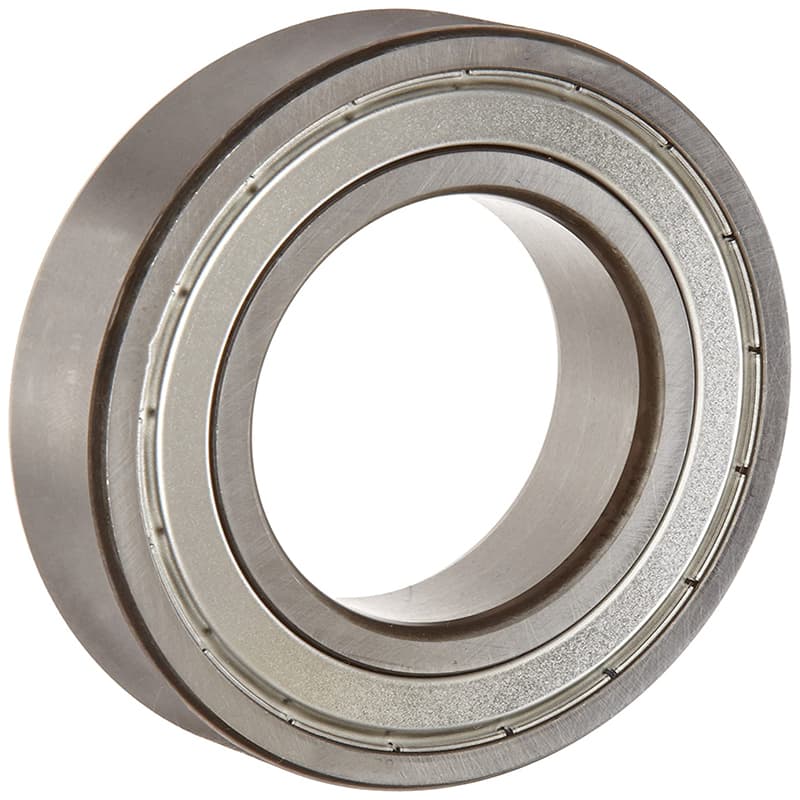
Why static pressure destroys bearings more than dynamic load?
Let me explain something important. Bearings are designed to handle heavy rolling loads. That is their job. But they are not designed to handle the same weight sitting still in one spot.
When a bearing rotates, the balls constantly change position. The load spreads over many different points. But when a bearing sits still with weight on it, the same few balls press against the same few raceway spots for weeks. The steel slowly deforms. It creates tiny flat spots. These spots are called Brinell marks.
Here is the real problem. These marks are only a few microns deep. You cannot see them without a microscope. But when the bearing starts moving, each ball hits these flat spots. That creates vibration. The vibration creates noise. And the vibration also creates extra heat. Extra heat breaks down lubricant faster.
Many people think they can just rotate the bearings once a month to fix this. That does not work. The damage happens slowly but permanently. Once the steel is dented, it stays dented.
Look at this table to understand stacking damage:
| Stacking Condition | Pressure on Bottom Bearings | Damage Type | Time to Cause Damage |
|---|---|---|---|
| 5 boxes high (light) | Low pressure | No damage | Safe for years |
| 10 boxes high (medium) | Medium pressure | Minor Brinelling starts | Visible after 3-6 months |
| 15 boxes high (heavy) | High pressure | Clear Brinelling marks | Visible after 1-2 months |
| Pallets stacked 2 high | Very high pressure | Deep dents | Visible after 2-4 weeks |
| Bearings stored vertically | Pressure on lower balls | Oval-shaped dents | Visible after 1-3 months |
I remember a customer in Brazil. He stored three pallets of large deep groove ball bearings. He stacked the pallets on top of each other to save floor space. The bottom pallet had bearings for six months. When he finally used them, every machine had vibration problems. We checked the bearings under a microscope. The raceways looked like golf balls. All from stacking weight.
Another customer in Russia stored bearings on their outer rings vertically. The bottom bearings carried the weight of the whole stack on just two or three balls. Those balls made deep oval dents. The bearings were useless.
So here is my storage advice. Keep stacks low. Five cartons high is usually safe. Do not stack pallets if you can help it. Store bearings flat on their original position. If you must store for months, rotate the bearings manually to change the contact points. But the best solution is simple. Buy bearings when you need them. Do not keep years of stock. Bearings are not bricks. They need care.
Conclusion
Bad storage ruins new bearings before first use. Keep them dry, cool, clean, and never stack heavy loads.