
I see it all the time. A production line stops. Not because of a broken motor. Just because a pillow block bearing got too hot and failed.
To select grease for pillow block bearings running non-stop, you must focus on three things: the thickener type, the base oil viscosity, and the temperature limit. Get these right, and your bearings can run for years without trouble.
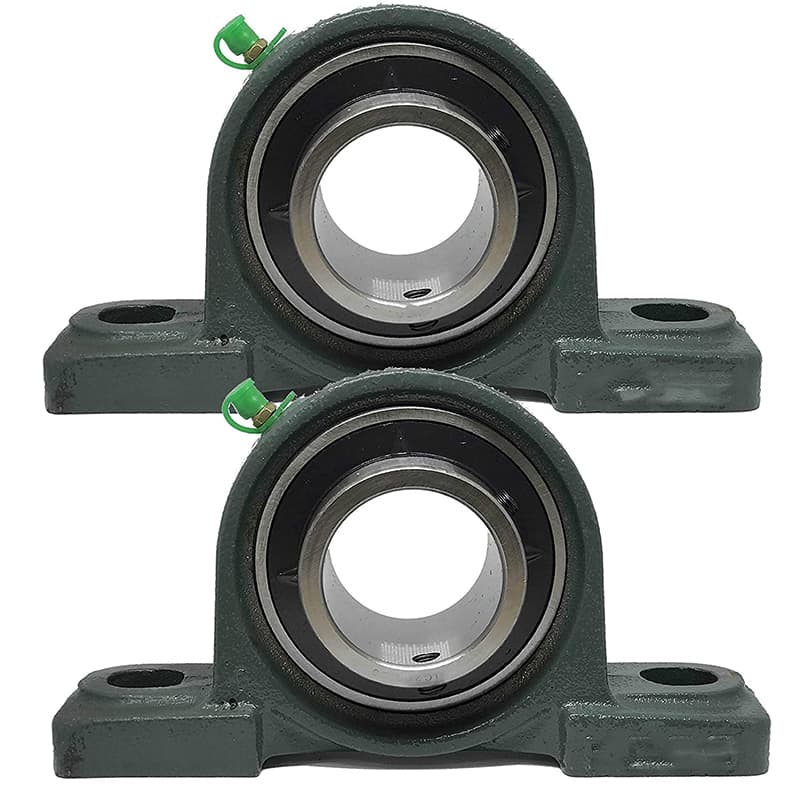
Choosing the right grease is not hard. But most people pick the wrong one. They grab the cheapest tub or use the same grease for everything. That works for a fan that runs once a week. It fails for a conveyor that runs 24/7. Let me break this down step by step. I will show you exactly what to look for. Then you can keep your machines running.
Why Continuous Operation Demands More from Your Bearing Grease?
A machine that stops is a problem. A machine that stops every week is a nightmare. I learned this from a customer in India. His name is Rajesh. He runs a distribution company in Mumbai. He called me one day. His words were simple. “My customers are angry. Their bearings keep failing.” I asked him what grease he used. He said, “The standard one.” That was the problem.
Continuous operation means your grease never gets a break. It stays in the bearing. It gets squeezed, heated, and sheared over and over. Normal grease breaks down fast under these conditions. That leads to metal touching metal. Then the bearing dies.
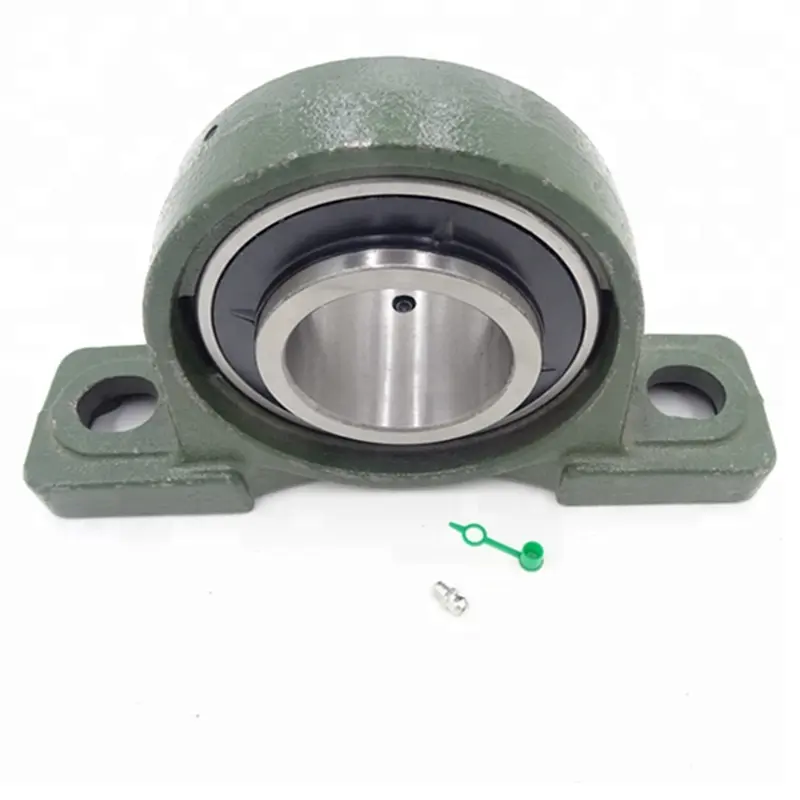
The Three Ways Continuous Running Kills Your Grease
Let me break this down. Think of grease like a sponge. That sponge holds oil. Under heat and pressure, the sponge releases oil. That oil does the real lubrication. When the machine stops, the sponge pulls the oil back in. That is how grease works.
But in continuous operation, the machine never stops. So the grease never gets a chance to pull the oil back. This is a big problem. Here is what happens step by step:
| Problem | What Happens | The Result |
|---|---|---|
| Oil Starvation | The grease releases oil. But without stops, it cannot reabsorb the oil. | The bearing runs dry. Metal touches metal. |
| Mechanical Shearing | Rolling elements and the cage cut through the grease. They break its structure. | The grease becomes liquid. It leaks out of the bearing. |
| Heat Buildup | More running time means more heat. No stop means no cooling period. | The grease cooks. It becomes hard like wax. Then it cracks. |
I see this most often in pillow block bearings on conveyors. These bearings run for days or weeks. The grease looks fine from the outside. But inside, it is already dead. The base oil has separated. The thickener has turned into a hard lump. The bearing keeps spinning. But there is no real lubrication anymore.
So what do you do? You stop guessing. You pick a grease that is made for this job. And that starts with the thickener.
Grease Thickener Types – Which One Lasts Under 24/7 Running?
I made a mistake early in my career. I sold bearings to a factory in Turkey. They made ceramic tiles. The drying oven conveyor ran non-stop. I gave them a bearing with standard lithium grease. Three weeks later, they called me. “Your bearings are bad.” But the bearings were fine. The grease was the problem.
For 24/7 running, you want a polyurea or complex lithium thickener. Stay away from simple lithium or calcium soaps. They break down too fast and cannot handle the constant shear stress.
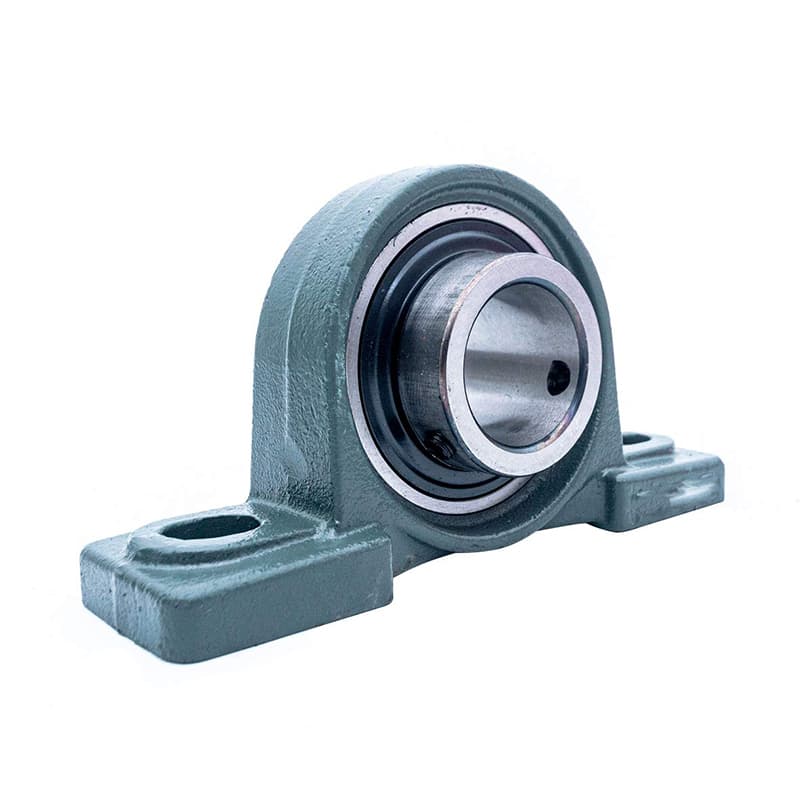
Why Thickener Choice Matters So Much
The thickener is the backbone of your grease. It holds the oil in place. It also creates the consistency. When the bearing spins, it puts a lot of force on the thickener. That force is called shear. Shear breaks the thickener structure.
Here is the simple truth. Simple lithium soap thickeners are like a house made of cards. It looks fine. But a strong wind blows it down. One day of running is fine. Two weeks of running? The cards fall.
Polyurea thickeners are different. They are like a house made of bricks. They do not collapse under shear. That is why almost all "long life" or "extended service" greases use polyurea.
But let me give you a practical guide. I use this with my customers all the time.
| Thickener Type | Continuous Operation Life | Best For |
|---|---|---|
| Simple Lithium | Short (weeks) | Intermittent use, fans, light duty |
| Lithium Complex | Medium to Long | Most industrial conveyors, good all-rounder |
| Polyurea | Very Long | 24/7 operations, electric motors, sealed bearings |
| Calcium Sulfonate | Long | Heavy loads, wet or humid environments |
| Aluminum Complex | Medium | High heat, but not great for high speed |
For most pillow block bearings running non-stop, I suggest two options. If your speed is low to medium, use lithium complex. It is affordable and works well. If your speed is high or you cannot relubricate often, use polyurea. It costs more but lasts much longer.
One warning from my own experience. Do not mix different thickeners. Polyurea and lithium do not work together. They react. The grease turns into a hard paste. Then your bearing locks up. I have seen this happen. A customer in Brazil mixed two greases. They saved $50 on grease. They lost $5,000 on production downtime. That is a bad trade.
Base Oil Viscosity and Speed – Getting the Match Right
I remember a customer from Egypt. He runs a steel recycling plant. His machines work hard. He bought pillow block bearings from me. He used a high viscosity grease. He thought thicker is better. Six months later, his bearings ran hot. Not because of the bearing. Because of the grease.
The base oil viscosity must match your bearing’s speed. Too thick, and the grease churns and overheats. Too thin, and the oil film breaks. Then metal touches metal. The formula is simple: slower speed needs thicker oil. Higher speed needs thinner oil.
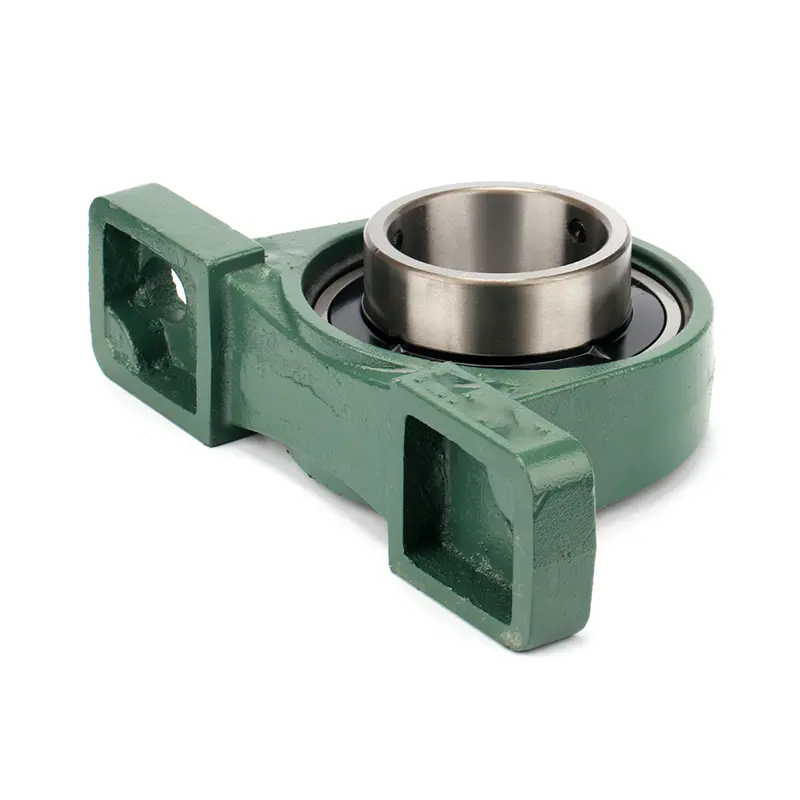
How to Pick the Right Viscosity Number
Let me simplify this. Viscosity is just a number. It tells you how thick the oil is. Think of water (low viscosity) and honey (high viscosity). For bearings, you want something in the middle.
But here is the tricky part. The speed of your bearing changes what you need. A slow moving bearing pushes the oil out slowly. That means you need a thicker oil. It stays between the rolling elements and the raceway. A fast bearing moves too fast for thick oil. The thick oil creates resistance. That resistance turns into heat.
Here is a simple table I give to my customers. Use the speed factor (n x dm) to decide.
| Bearing Speed | Speed Factor (n x dm) | Recommended ISO Viscosity Grade |
|---|---|---|
| Very Slow | Below 50,000 | ISO 460 to 1000 |
| Slow | 50,000 to 150,000 | ISO 220 to 460 |
| Medium | 150,000 to 350,000 | ISO 100 to 220 |
| Fast | 350,000 to 500,000 | ISO 68 to 100 |
| Very Fast | Above 500,000 | ISO 32 to 68 |
What is n x dm? n is your speed in RPM. dm is the average diameter of the bearing in millimeters. You can find this number from your bearing supplier.
Let me give you a real example. A pillow block bearing for a conveyor. Speed is 1,000 RPM. The dm is 100 mm. That gives you 100,000. That is the “Slow” range. You want ISO 220 to 460.
But here is a secret from my factory. Most people pick oil that is too thick. They think “heavy duty” means thick oil. That is not true. Heavy duty means the grease can handle heavy loads. That is about the additives, not just the base oil. If you pick a grease that is too thick for your speed, the bearing temperature will go up. Every 10 degrees Celsius higher cuts your bearing life in half. I have seen this happen too many times.
So start with the speed. Then pick the viscosity. And if you are between two grades, go with the lower one for speed. Go with the higher one for heavy load.
Temperature Limits – What Happens When Your Bearing Runs Too Hot?
A customer in Vietnam runs a fish feed factory. His machines run all day. He called me last year. His pillow block bearings were failing every two months. I flew to see him. I touched the bearing housing. I pulled my hand back fast. It was burning hot.
When a bearing runs too hot, the grease bleeds its oil too fast. The oil evaporates or runs away. Only the thickener remains. That thickener hardens and blocks the bearing. Then the bearing seizes. The maximum safe temperature for most industrial greases is 120°C (250°F). Above that, you need special high-temperature grease.
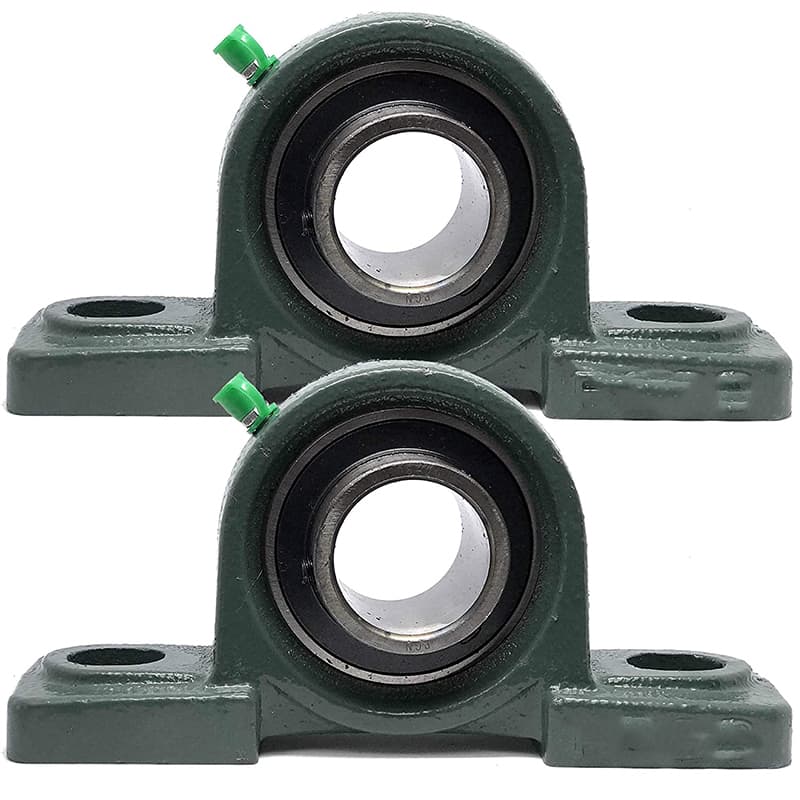
Heat is the Silent Killer of Continuous Operation
Heat changes everything. It speeds up chemical reactions. That includes the breakdown of your grease. Every 10 degrees Celsius above 70°C cuts your grease life in half. That is not an estimate. That is a proven fact from lubrication science.
Let me break down what happens at different temperatures.
Below 70°C (158°F)
This is normal. Your grease will last its full life. The oil stays in place. The thickener stays stable. You are safe.
70°C to 100°C (158°F to 212°F)
The grease starts to oxidize faster. Oxidation creates acids. Those acids attack the bearing surfaces. The grease also starts bleeding oil faster. You need to relubricate more often. At this range, standard lithium complex greases still work. But check them regularly.
100°C to 120°C (212°F to 250°F)
This is the danger zone. Most greases start to fail here. The base oil evaporates. The thickener separates. You will see hard chunks in the grease. Those chunks damage the bearing. You need high-temperature polyurea or specialized synthetic greases.
Above 120°C (250°F)
Stop. Do not use standard grease. Your normal grease will turn into carbon. That carbon is hard. It will score the bearing raceways. You need a grease made with synthetic base oil (PAO or ester) and a high-temperature thickener like PTFE or certain clay thickeners.
Here is what I tell my customers. Measure your bearing temperature. Do not guess. Use a simple infrared thermometer. Point it at the bearing housing. Write down the number. Do this once a week.
If your bearing runs at 80°C, you are okay. Use a good lithium complex grease. Relubricate every 1,000 hours of running.
If your bearing runs at 110°C, you have a problem. Check the alignment and load first. Then switch to a polyurea grease with a synthetic base oil. Relubricate every 500 hours.
If your bearing runs at 140°C, stop the machine. Find the root cause. It might be an overload, misalignment, or bad installation. Do not just add more grease. More grease at high temperature makes the problem worse. It fills the housing and leaves no room for expansion. The pressure pushes grease past the seals. Then you have a mess and a failed bearing.
I saw this in Russia. A customer had a bearing running at 130°C. He added grease every day. The bearing failed in one month. After we fixed the alignment, the temperature dropped to 85°C. The same grease lasted six months. The heat was the real problem. Not the grease.
Conclusion
Pick the right thickener. Match the oil viscosity to your speed. Watch your temperature. Do these three things, and your pillow block bearings will run non-stop for a long time.