
You spend hours cleaning your chicken house. But one broken bearing can shut down your whole feed line in minutes.
Pillow block bearings for poultry farms need special protection against water, dust, ammonia, and temperature changes. Standard bearings fail fast in these conditions. You need sealed, corrosion-resistant units made for wet and dirty environments.

I talk to farm owners and equipment makers every week. They tell me the same story. Their bearings die too fast. They replace them every few months. That costs money and stops production. So I wrote this guide to help you pick the right bearing the first time. Let me show you what works and what does not.
Why Poultry and Livestock Equipment Needs Special Bearing Protection?
You see a bearing. It looks strong. But put it inside a chicken house. Then watch it fail in eight weeks.
Poultry and livestock equipment needs special bearing protection because farms have constant moisture, chemical gases like ammonia, dust from feed, and high-pressure washdowns. Regular bearings rust, lose lubrication, and seize up in these conditions.
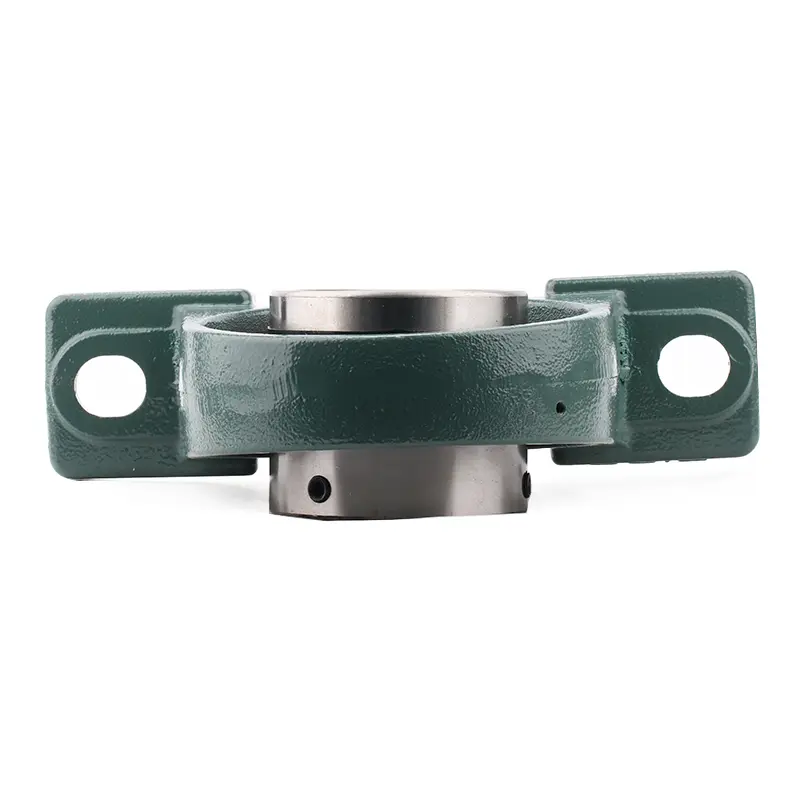
Let me explain the real problems. I sell bearings to buyers in India, Vietnam, and Brazil. Many of them supply parts to chicken farms. And they learn the hard way that farm conditions are not like a factory floor.
What makes a farm so hard on bearings?
I will break this down into four main killers. Each one destroys bearings differently.
| Farm Condition | What It Does to a Bearing | How Fast Damage Happens |
|---|---|---|
| High humidity | Rust forms on inner and outer rings | 2 to 4 weeks |
| Ammonia gas | Corrodes the metal and breaks down grease | 3 to 6 weeks |
| Feed dust | Gets inside the seal and acts like sandpaper | 4 to 8 weeks |
| Pressure washing | Pushes water past weak seals | One bad washdown |
I remember one customer from Egypt. He called me very frustrated. He bought cheap bearings from another supplier. The bearings failed after one month on his feed auger system. He sent me photos. The bearings looked like they had been sitting in salt water for a year. That was just normal chicken house air.
Why can’t you use regular industrial bearings?
Regular bearings are made for clean places. Think about a factory conveyor inside a dry building. No water. No dust. No gas. Those bearings have simple seals and standard steel.
Farm bearings need to fight different enemies.
First enemy is water. Chicken houses are wet. Birds drink and spill water. Humidity stays high all the time. Pressure washing happens weekly or daily. Water gets into every gap.
Second enemy is ammonia. Bird waste creates this gas. Ammonia attacks metal. It makes the bearing surface rough. Then the rough surface eats up the seal. Then more ammonia gets inside. It is a cycle of destruction.
Third enemy is dust. Feed dust looks soft. But under a microscope, it has sharp edges. That dust gets into the bearing grease. Then it grinds the balls and the raceways. The bearing fails from the inside out.
I talked to a farm equipment repairman in Indonesia. He told me his customers switch bearings every two months. That is normal for them. But I told him it does not have to be that way. The right bearing can last two years or more.
What should you look for in a farm bearing?
You need three things.
One, stainless steel or coated rings. Standard chrome steel rusts too fast. Stainless steel costs more but lasts much longer. Or you can get a special coating that blocks corrosion.
Two, triple lip seals. A single rubber seal is not enough. You need a seal with three contact points. That keeps water and dust out. Some farm bearings also have a metal shield on the outside for extra protection.
Three, special grease. Not all grease is the same. Farm bearings need grease that stands up to water washout. And the grease must resist ammonia. Standard lithium grease breaks down fast in a chicken house.
I supply bearings to a distributor in Bangladesh. He sells to egg production farms. He used to lose customers because bearings failed so fast. Then he switched to my farm-grade pillow block bearings with stainless inserts and triple seals. His customers now get eight months to a year of service. That is a huge improvement for them.
Choosing Corrosion-Resistant Pillow Block Bearings for Wet Farm Environments?
You walk into a wet chicken house. Your metal tools start to rust in one day. Your bearings will do the same.
Choosing corrosion-resistant pillow block bearings means you look for stainless steel housings or special zinc-coated cast iron. You also need stainless steel insert bearings with rubber seals rated for high-moisture areas. Do not use standard painted housings in wet farms.
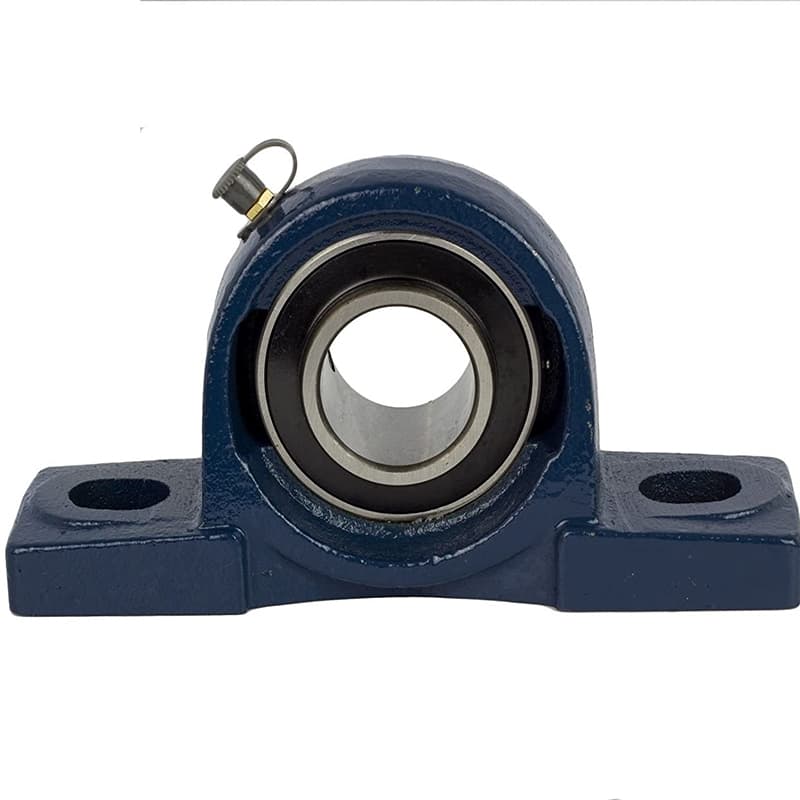
Let me help you make the right choice. I see farm owners and equipment makers pick the wrong bearings all the time. They focus on price. Then they pay more in the long run. I want you to avoid that mistake.
What are the different corrosion resistance levels?
Not all corrosion protection is the same. I put them into three levels.
| Level | Material | Best For | Expected Life |
|---|---|---|---|
| Basic | Painted cast iron with standard chrome steel | Dry storage areas | 3 to 6 months |
| Better | Zinc-plated housing with coated bearing rings | Humid areas with some washdown | 6 to 12 months |
| Best | Stainless steel housing and stainless bearing | Wet areas with daily washdown and ammonia | 2 to 5 years |
I had a buyer from Russia. He needed bearings for a pig farm. The farm used pressure washing every single day. He tried painted bearings. They lasted two weeks. Then he tried zinc-plated ones. They lasted one month. Finally, he bought stainless steel from me. Those bearings have been running for fourteen months now. He sends me photos every few months just to show me they still look new.
Does stainless steel really make that much difference?
Yes. And I can prove it with a simple test.
Take two bearings. One with standard chrome steel. One with stainless steel. Put them both in a bucket of water with a little bit of chicken manure. Leave them for one week. The standard bearing will show rust spots on day three. The stainless bearing will look the same on day thirty.
Stainless steel costs more. I am not hiding that. A stainless bearing might cost two or three times more than a standard one. But here is the math that matters.
Standard bearing: $15. Lasts 2 months. You buy 6 bearings per year. Total cost $90 per year per location.
Stainless bearing: $40. Lasts 24 months. You buy 0.5 bearings per year. Total cost $20 per year per location.
You save $70 per year for every bearing position. A chicken house might have fifty bearings on fans, conveyors, and augers. That is $3,500 saved every single year.
I told this to a customer in Pakistan. He did not believe me at first. So he tested ten bearings on one feed line. Five standard and five stainless. After six months, all five standard bearings had failed. All five stainless bearings were still running. He switched his whole farm over after that test.
What about the housing material?
The housing matters just as much as the bearing inside.
Cast iron housings with paint work fine in dry areas. But in a wet farm, the paint peels off. Then the cast iron rusts. The rust pushes against the bearing. That makes the bearing misalign. Then the shaft binds up.
Stainless steel housings do not rust at all. They stay smooth and true. The bearing sits exactly where it should sit.
There is also a middle option. Some makers offer cast iron housings with a special zinc or nickel coating. No paint. Just a thin metal coating that blocks rust. These cost less than full stainless steel. And they work well in moderately wet areas.
I sell all three types at FYTZ Bearing. For a customer in Turkey who runs a turkey farm with medium humidity, I recommended zinc-coated housings with stainless inserts. That combination gives him good protection without paying for full stainless housings. For a customer in Brazil with open-sided chicken houses that get rained on, I only recommend full stainless steel. The rain never stops there.
Sealed vs. Open Bearings – What Works Better Inside a Chicken House?
You see an open bearing. It looks simple. You think it might be fine. But inside a chicken house, that open bearing is dead on arrival.
Sealed bearings work much better inside a chicken house than open bearings. Closed bearings keep dust, water, and ammonia out. Open bearings let everything inside within hours. You need sealed bearings with multiple lip contacts for farm use.
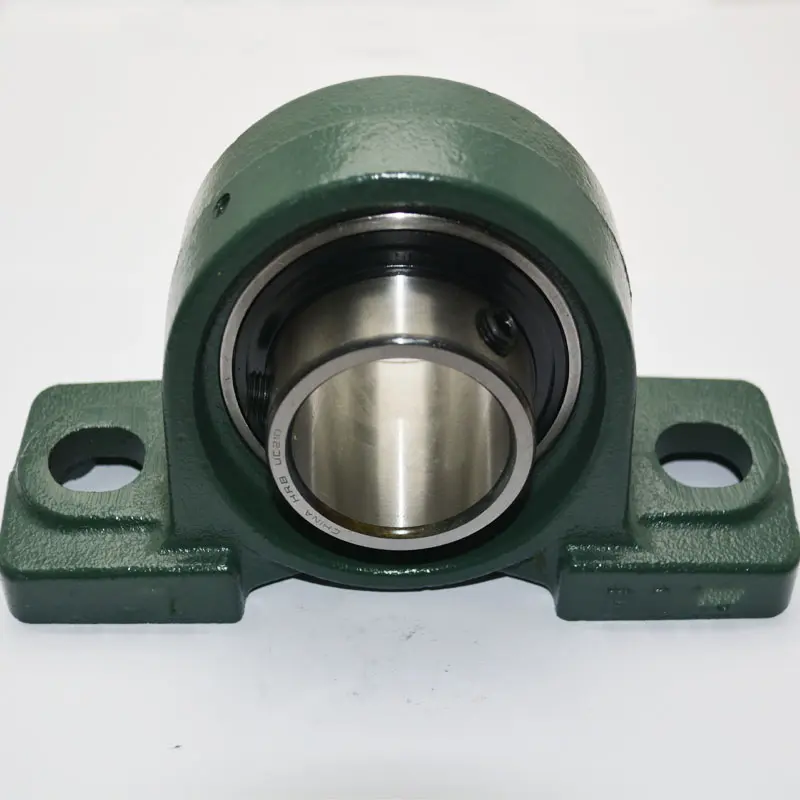
Let me explain why this choice matters so much. I talk to farm equipment repair shops in South Africa and Egypt. They show me bearings that failed after two weeks. Almost every time, the failed bearing is an open type or a bearing with a weak single seal.
What is the real difference between sealed and open?
Open bearings have no rubber seals. You can see the balls and the cage inside. Grease goes in easily. But dirt goes in even easier.
Sealed bearings have rubber lips that touch the inner ring. The grease stays inside. The dirt stays outside.
But not all seals are the same. Here is a quick breakdown.
| Seal Type | How It Works | Farm Suitability |
|---|---|---|
| Open (no seal) | No protection at all | Not suitable |
| Single lip rubber | One contact point | Poor. Dust gets in fast |
| Double lip rubber | Two contact points | Good for dry farms |
| Triple lip rubber | Three contact points | Best for wet and dusty farms |
| Triple lip plus metal shield | Rubber lips plus outer metal cover | Best for high-pressure washdown |
I had a customer in Vietnam who ran a duck farm. Ducks make more water mess than chickens. He used double lip sealed bearings. They lasted three months. He asked me for a better option. I sent him triple lip bearings with stainless inserts. Those lasted over a year. The extra lip made all the difference.
Can you add seals to an open bearing?
No. You can not turn an open bearing into a sealed bearing. The bearing design is different. The grooves that hold the seals are machined into the bearing rings. Open bearings do not have those grooves.
So do not try to improvise. Do not wrap tape around an open bearing. Do not pack extra grease on the sides. That does not work. The dust and water will find a way inside.
You need to buy the right bearing from the start. That means buying a sealed bearing. And for a chicken house, you need a bearing that says "contact seal" or "triple lip seal" on the datasheet.
I tell all my customers the same thing. If you are putting a bearing anywhere near animal waste, never use open bearings. Never use single shield bearings. The extra cost for a triple lip seal pays for itself in the first month of operation.
How do you know if your seal is working?
You can check three signs.
First sign is grease condition. Take a small sample of grease from near the seal. If it looks clean and smooth, the seal is working. If it looks dark or gritty, dust is getting inside.
Second sign is heat. A sealed bearing runs slightly warm. But if it gets very hot, the seal might be too tight or failing. Or dirt inside is causing friction.
Third sign is noise. A good seal makes no sound. If you hear a rubbing or squeaking noise, the seal might be damaged. Or the rubber lip has dried out and started to drag.
I learned this from a maintenance manager at a large egg farm in India. He checks his bearings every two weeks. He touches each one. He listens to each one. He catches problems early. His bearing replacement cost dropped by half after he started this simple check.
How to Prevent Bearing Failure from Dust, Feed Residue, and Ammonia?
You clean the house every day. But the damage already started. The dust and gas attack your bearings nonstop.
To prevent bearing failure from dust, feed residue, and ammonia, you need to use fully sealed bearings with food-grade or ammonia-resistant grease. You also need to mount bearings away from direct waste contact and set up a monthly inspection routine. Prevention costs less than replacement.
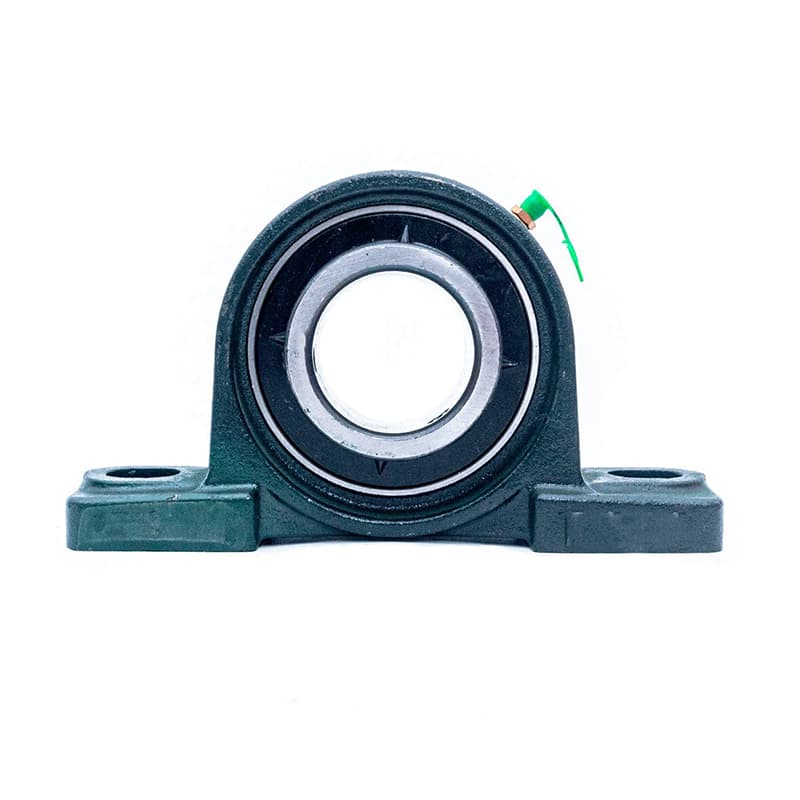
Let me give you a real prevention plan. I have helped farm equipment distributors in twenty countries reduce their bearing failures. These steps work. I use them myself when I advise customers.
What is the best grease for farm bearings?
Grease is the blood of the bearing. Bad grease kills the bearing even if the seal is good.
For poultry and livestock farms, you need two special things in your grease.
One, water resistance. Regular grease turns into soap when water hits it. That soap does not lubricate. Your bearing runs dry and heats up. Then the seal melts. Then everything fails.
Two, ammonia resistance. Ammonia breaks down the thickener in standard grease. The grease becomes thin and runs out of the bearing. No grease means metal on metal contact.
I recommend these grease types for farm use.
| Grease Type | Water Resistance | Ammonia Resistance | Best For |
|---|---|---|---|
| Lithium complex | Medium | Poor | Dry farms only |
| Aluminum complex | Good | Medium | Most chicken houses |
| Polyurea | Excellent | Good | Wet farms with washdown |
| Calcium sulfonate | Excellent | Excellent | High ammonia areas |
I had a customer in Egypt with a very large chicken farm. His bearings failed every six weeks. He used lithium grease. I asked him to switch to calcium sulfonate grease. His bearing life went from six weeks to eight months. Same bearing. Same seals. Just different grease.
How often should you inspect farm bearings?
You need more inspections than a normal factory. I suggest this schedule.
| Inspection Type | Frequency | What You Check |
|---|---|---|
| Quick visual | Every 3 days | Look for water buildup around the seal |
| Touch test | Weekly | Feel for heat and vibration |
| Sound check | Weekly | Listen for grinding or squeaking |
| Full inspection | Monthly | Remove belt or chain. Spin shaft by hand. Feel for roughness. |
| Grease refresh | Every 3 months | Add small amount of fresh grease. Push out old grease. |
I know this sounds like a lot of work. But each inspection takes less than one minute per bearing. A farm with fifty bearings takes less than one hour per week. That one hour can save you from a full day of production loss when a bearing fails.
Can you add extra protection on top of the bearing?
Yes. And I recommend this for very dirty areas.
You can buy bearing covers or bearing boots. These are plastic or rubber shields that go over the whole pillow block bearing. They block falling dust and direct spray from washdown hoses.
Another option is to mount the bearing outside the dirty area. Use a long shaft with the bearing in a clean room. Connect to the fan or auger inside the farm with a belt or a chain. This keeps the bearing completely away from ammonia and dust.
I saw this solution at a pig farm in Brazil. The owner put all his bearings in a service corridor behind the pig pens. The corridor stayed dry and clean. His bearings lasted three years. Most farmers think bearings have to be right next to the equipment. That is not true. A longer shaft or a belt drive can separate the bearing from the bad environment.
What do you do when a bearing starts to fail?
Do not wait. Replace it immediately.
A failing bearing makes noise or gets hot. If you keep running it, the bearing will seize. A seized bearing stops your whole line. It can also break the shaft or damage the housing.
Keep spare bearings on your shelf. For a poultry farm, I suggest you keep two spare bearings for every ten that you run. Store them in a dry room. Not inside the chicken house. The spare bearings must stay clean and dry until you need them.
I have a distributor in Russia who follows this rule. He keeps farm-grade bearings in stock for his customers. When a bearing starts to fail, his customers call him. He ships a replacement same day. The farm changes the bearing during the next cleaning cycle. No emergency shutdowns. No lost production. That is how professionals do it.
Conclusion
Pick sealed, corrosion-resistant bearings with the right grease. Inspect them weekly. You will cut downtime and save money.