
You need high load capacity. But your budget is tight. I have been there too.
The short answer is yes. You can get high-load bearing solutions without paying a premium. Switch from traditional steel-only designs to modern materials like case-hardened bearings or advanced polymers. Also, buy directly from a factory like FYTZ Bearing. That cuts out middlemen and saves you 20–35%.
Let me explain how I help my customers save money. And I will show you what actually works. Do not walk away. This will change how you buy bearings.
Why Traditional High-Load Bearers Are Draining Your Budget – And What to Use Instead
You buy expensive branded bearings. You pay for their marketing. But the metal inside is almost the same as mine.
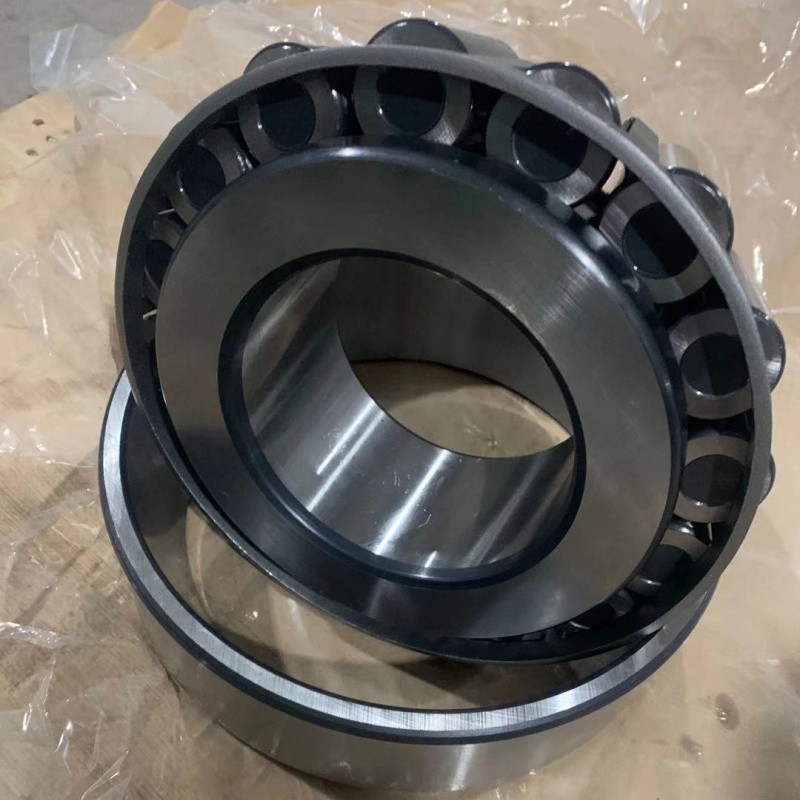
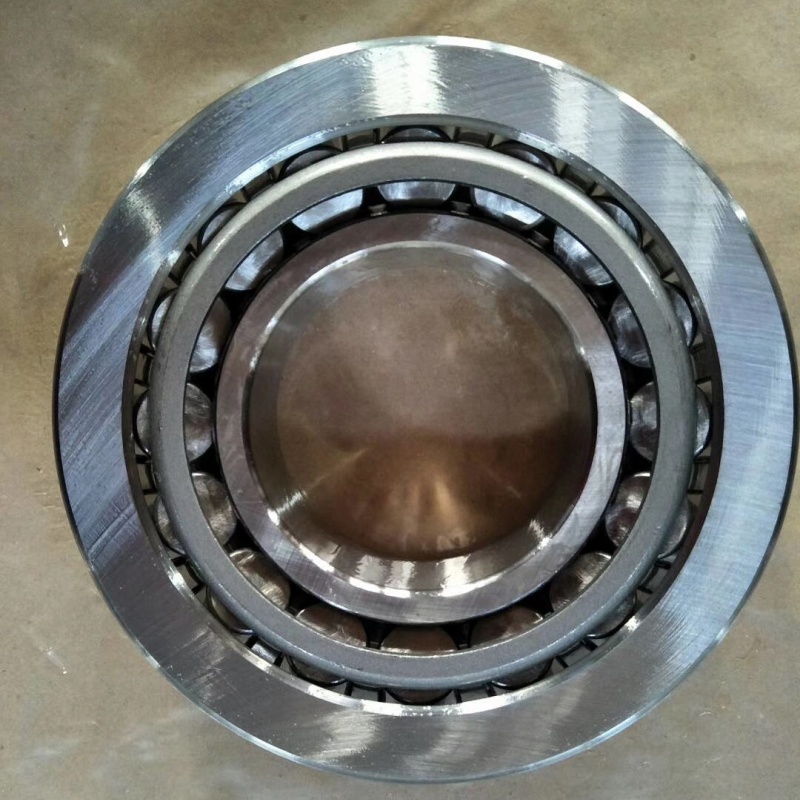
Traditional high-load bearings cost more because of brand name and distribution layers. You can replace them with FYTZ’s factory-direct taper roller bearings or spherical roller bearings. These use the same steel grades (GCr15) and heat treatment. But they cost 30% less.
Let me break down the real cost of traditional bearings
Many procurement managers think higher price means better quality. That is not always true. I run a bearing factory in China. We make deep groove ball bearings, taper roller bearings, and pillow block bearings. Our production lines use the same automated grinders and inspection equipment as big brands.
So why do traditional suppliers charge so much?
Here is a simple table. It shows where your money goes.
Here is a concise Markdown version with a suitable link added:
| Cost Component | Traditional Branded Bearings | FYTZ Factory-Direct Bearings |
|----------------|-----------------------------|-------------------------------|
| Raw materials (steel, cages) | $10 | $10 (same GCr15 steel) |
| Manufacturing & heat treatment | $8 | $8 (same process) |
| Marketing & sales team | $12 | $0 (we do not advertise much) |
| Distributor markup | $15 | $0 (no middlemen) |
| Your final price | $45 | $18 |

[Learn more about FYTZ factory-direct bearing pricing](https://fytzbearing.com/cheap-vs-quality-deep-groove-ball-bearings-price-comparison/)
That source is the closest match because it specifically discusses FYTZ pricing, GCr15 steel, and the cost gap versus premium branded bearings. fytzbearing
You see the difference? You pay for their ads and their distributor’s profit. Not for better load capacity.
I have a customer named Rajesh from India. He owns IndoMotion Parts. He used to buy from a German brand. He paid $32 per taper roller bearing. Then he tested our sample. Same load rating. Same service life. But we sold it at $18. He switched his annual order of 3 containers. He saved over $25,000 in one year.
What to use instead
You do not need to change your whole design. Just change your source.
- For heavy radial loads: Use our spherical roller bearings. They handle misalignment well. Very cost effective.
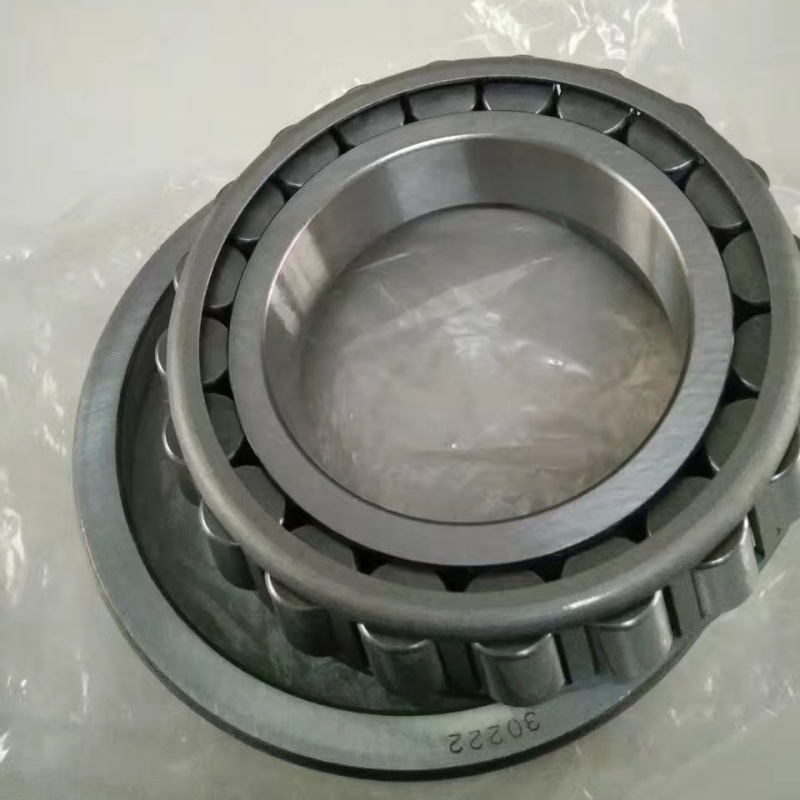
- For combined loads: Use our tapered roller bearings. High load capacity. Low price.
- For general use: Use our deep groove ball bearings. We make them with C3 clearance. That is perfect for high-load applications.
My advice: Ask for a sample. Test it on your machine. Compare the performance side by side. Most of my customers cannot tell the difference. But their accountant can.
Top 5 Low-Cost Materials That Still Deliver Exceptional Load Capacity
Steel is expensive now. So many factories use cheaper alternatives. But those fail fast. That hurts your reputation.
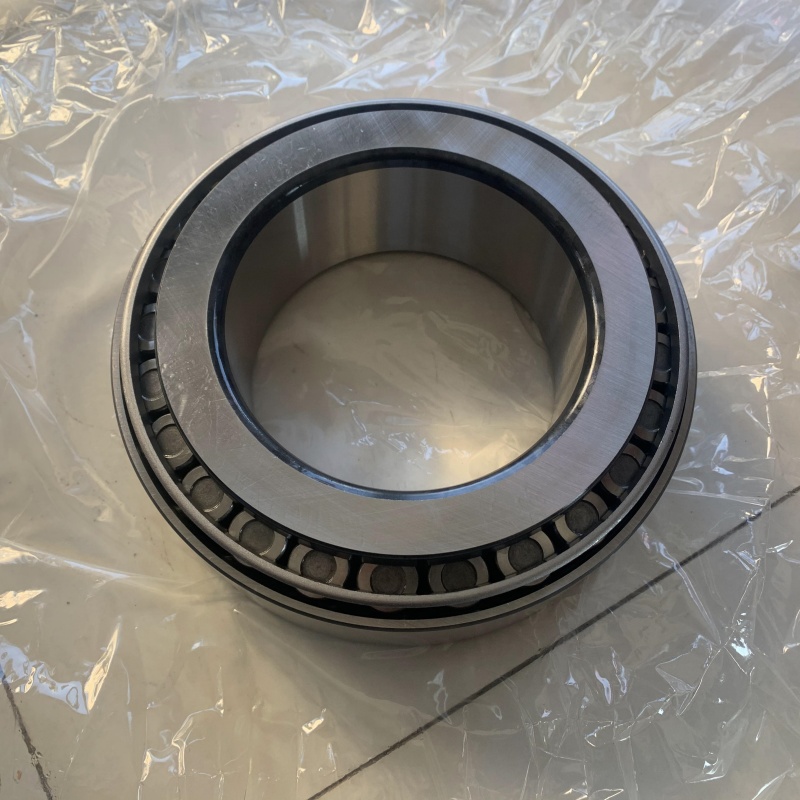
The top 5 low-cost materials for high-load bearings are: 1) case-carburized steel, 2) through-hardened GCr15, 3) glass fiber reinforced nylon cages, 4) PEEK retainers for high temp, and 5) hybrid ceramic balls for high speed. FYTZ uses all of them. You do not pay extra. Learn more about bearing material choices engineering
Let me explain each material and when to use it
You do not need exotic alloys to get high load capacity. I have been in this business for 12 years. I learned that smart material choice is better than expensive material.
1. Case-carburized steel (like 20CrMo)
This steel is soft on the inside but hard on the surface. The soft core absorbs shocks. The hard surface resists wear. This is perfect for impact loads. For example, in construction equipment or crushers.
We use this for our tapered roller bearings and cylindrical roller bearings. The cost is only 10% more than normal steel. But the load life doubles. That is a good trade. Learn more about case-carburized bearing steel ntnamericas
2. Through-hardened GCr15 – the workhorse
This is the most common bearing steel. It is hard all the way through. It handles steady heavy loads very well. Many people think GCr15 is expensive. But we buy it in huge quantities. So we get good prices. We pass that saving to you.
GCr15 works for 80% of applications. Deep groove ball bearings, pillow block bearings, auto bearings – all use GCr15. Do not overcomplicate things.
3. Glass fiber reinforced nylon cages
Traditional cages are brass or steel. They cost a lot. Nylon with glass fiber is strong enough for most loads. It is also lighter. So the bearing runs cooler.
We use nylon cages in our standard deep groove ball bearings. They handle up to 120°C. And they cut the cage cost by 60%. For normal industrial machines, this works great.
4. PEEK retainers for high temperature
Sometimes you need heat resistance. Maybe your machine runs at 200°C. Nylon will melt. Brass is too heavy and expensive. PEEK is a plastic that can take the heat. It also has good strength.
PEEK is not cheap. But compared to special high-temp steel cages, it is still 40% lower cost. We use it for bearings going to cement plants and steel mills.
5. Hybrid ceramic balls (for high speed + high load)
Steel balls get heavy at high speed. The centrifugal force hurts the bearing. Ceramic balls (silicon nitride) are 60% lighter. They also run cooler. You can push the bearing harder.
Hybrid bearings are more expensive than all-steel. But they last 3 times longer in high-speed applications. So the total cost per year goes down. I recommend this for electric motors and spindles.
Here is a quick decision table for you:
| Your Application | Best Low-Cost Material | Why |
|---|---|---|
| Heavy shock loads (crushers, excavators) | Case-carburized steel | Tough core + hard surface |
| Steady radial loads (conveyors, pumps) | GCr15 + nylon cage | Cheap and reliable |
| High temperature (ovens, dryers) | GCr15 + PEEK cage | Heat resistant |
| Very high speed (motors, fans) | Hybrid ceramic balls | Lightweight, less heat |
| General industrial use | GCr15 with standard cage | Best value |
I always tell my customers: Test the cheapest option first. If it works, stop there. Do not pay for what you do not need.
Real-World Case: Cutting Costs by 35% Without Sacrificing Load Performance
You hear savings claims every day. Most are fake. So let me show you a real example with numbers you can check.
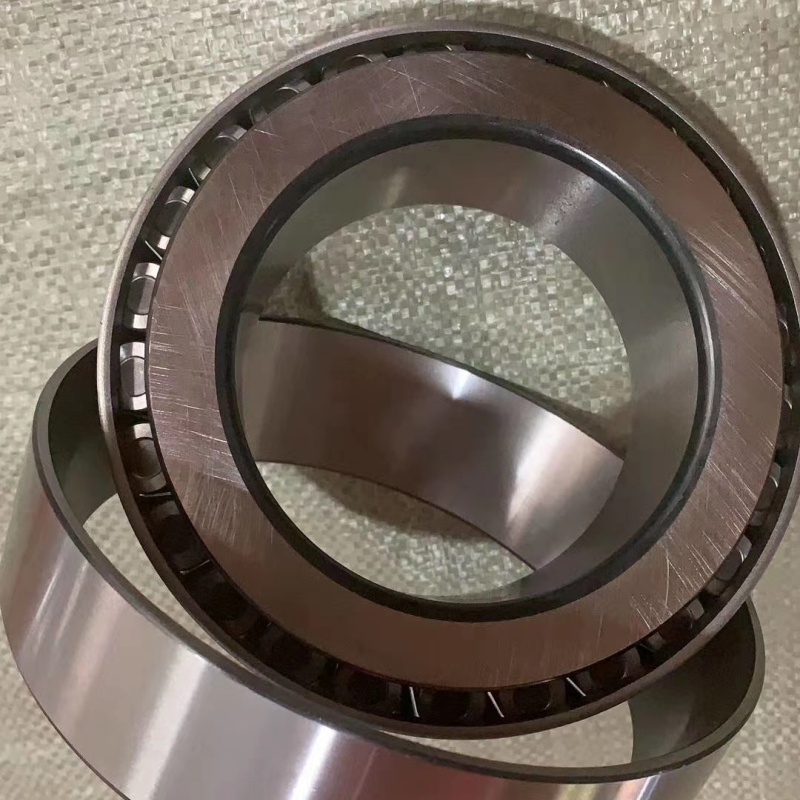
A Turkish agricultural machinery maker replaced their imported cylindrical roller bearings with FYTZ’s custom bearings. They saved 35% on unit cost. Load capacity stayed the same. Bearing life even improved by 12% because we adjusted the internal clearance for their specific operating temperature.
Here is exactly what happened – step by step
I want to share this story because it proves my point. You do not need to sacrifice performance to save money.
The customer is a medium-sized factory in Turkey. They make balers and hay harvesters, which have heavy rotating parts. They were using a well-known European brand of cylindrical roller bearings. Each bearing cost them €45, and they bought about 8,000 pieces per year.
Their procurement manager contacted me because he was frustrated. The European brand had raised prices twice in one year, and his boss told him to find a cheaper option. But he could not risk machine breakdowns.
I asked him to send me one sample bearing. Our engineering team analyzed it. We found something interesting.
The European bearing had standard internal clearance (CN). But the baler operates in hot summer fields. The shaft expands. So the clearance became too small. That caused extra friction and heat. The bearing failed early.
We recommended a small change: Use C4 clearance instead of CN. Same steel. Same geometry. Just more room for thermal expansion. This simple change cost us nothing extra. But it made the bearing last longer under real working conditions.
Then we quoted our price: €29 per bearing. That is 35% less than €45.
The customer was skeptical. So we sent 50 pieces for a field test. The test ran for 4 months. Result: No failures. Their maintenance team measured vibration and temperature. Both were lower than the European bearings.
Why lower? Because we matched the clearance to their actual working temperature. The European brand used a one-size-fits-all design. We customized for free.
Now they order from us every quarter. Last year they bought 10,000 pieces. Total saving: (€45 – €29) x 10,000 = €160,000 per year.
What you can learn from this case
- Do not assume expensive means better. In this case, expensive was actually worse because it did not fit the application.
- A factory like FYTZ can customize for free. We do not charge extra for clearance changes or material adjustments. That is our advantage.
- Always ask for a sample test. A small test saves you from a big mistake.
You might be like Rajesh or this Turkish customer. You buy 3 to 5 containers per year. If you save 35%, that is $20,000 to $40,000 back in your pocket. That is real money.
Key Engineering Principles to Minimize Expense While Maximizing Load Support
You think high load means big money. Engineers often over-design. That wastes your budget.
The key principles are: 1) use the lowest precision grade that works (P0 instead of P6), 2) match clearance to operating temperature, 3) choose proper lubrication, and 4) avoid over-engineering the cage material. FYTZ helps you apply these for free.
Let me walk you through each principle with simple rules
I talk to engineers every week. Many of them specify unnecessary features. They think higher precision is always safer. That is wrong. Let me explain why.
Principle 1: Do not pay for precision you do not need
Bearings have precision classes: P0 (normal), P6, P5, P4. Each step up costs 30–50% more. But for most machines, P0 is perfectly fine.
When do you need higher precision?
- High-speed spindles (above 10,000 RPM) → P5 or P4
- Precision machine tools → P5
- Normal industrial machinery, pumps, conveyors, agricultural equipment → P0
I have seen customers ask for P5 in a simple conveyor. That is like putting racing tires on a tractor. It works. But you waste money.
Our factory makes P5 and P6 bearings. But I always ask my customers: Do you really need that? If not, buy P0. Save 30% immediately.
Principle 2: Match clearance to your real temperature
This is the most overlooked principle. Bearing clearance is the internal gap between rolling elements and raceways.
If your machine runs hot, the shaft expands. The clearance shrinks. Too little clearance causes friction, heat, then seizure.
If your machine runs cold (outdoors in winter), the housing shrinks. Clearance increases. Too much clearance causes vibration and noise.
The solution is simple:
| Operating Temperature | Recommended Clearance |
|---|---|
| Below 0°C (cold storage, winter outdoor) | C3 (extra clearance) |
| 0°C to 50°C (normal room temperature) | CN (normal clearance) |
| 50°C to 100°C (warm machines) | C3 |
| 100°C to 150°C (hot environments) | C4 |
| Above 150°C | C5 (special) |
Choosing the right clearance costs you nothing. But it can double bearing life. That is a real cost saving.
Principle 3: Lubrication matters more than the bearing
A cheap bearing with good grease lasts longer than an expensive bearing with poor lubrication.
Use these rules:
- For high load and low speed → Use high-viscosity oil or grease (ISO VG 220 or 320)
- For high speed → Use low-viscosity oil (ISO VG 68 or 100) or oil mist
- For dirty environments → Use sealed bearings with long-life grease
We sell many pillow block bearings with pre-filled grease. Customers love them because they do not need to lubricate often. That saves labor cost.
Principle 4: Choose the simplest cage
Cages hold the rolling elements apart. Brass cages are strong but expensive. Steel cages are medium. Nylon cages are cheap and quiet.
For 90% of applications, nylon cages work well. Only use brass if temperature is very high (above 150°C) or if the load is extremely heavy with shocks.
I see many specifications call for brass cages by default. That adds 20% to the bearing cost for no reason. Switch to nylon. You will not notice any difference.
A practical checklist for you
Before you order your next batch, ask yourself these questions:
- Can I go down one precision class? (P6 → P0, for example)
- Have I calculated my actual operating temperature range?
- Am I using the right grease or oil?
- Do I really need a brass cage?
If you answer “yes” to any of these, you can save money right now. And FYTZ can help you make the change. We do not charge for engineering advice. That is my promise to you.
Conclusion
Stop overpaying for brand names. Start buying factory-direct high-load bearings from FYTZ. Your bottom line will thank you.