
Picking the wrong bearing supplier can shut down your project. I have seen it happen too many times.
To evaluate spherical roller bearing suppliers, check their quality certifications, request technical support proof, review their stock and lead times, and inspect samples for material and dimensional accuracy. Always ask for reference orders.
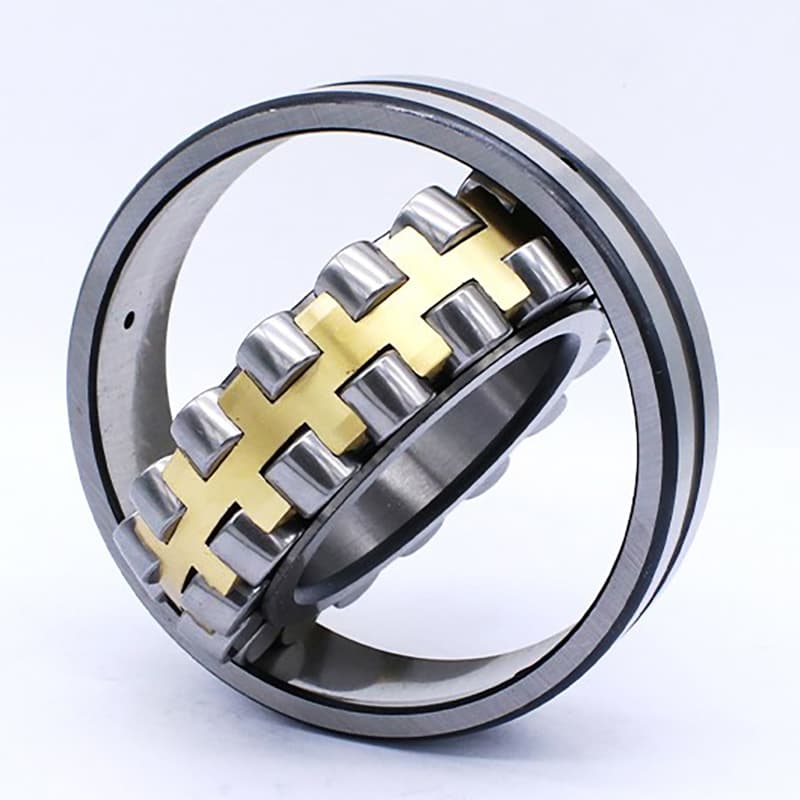
Over the past ten years, I have helped procurement managers from India to Brazil find reliable bearing partners. Let me walk you through the four most important checks. You will avoid costly mistakes.
What Certifications and Quality Standards Should a Reliable Bearing Supplier Have?
You see a supplier website. They say “high quality.” But what proof do they really have?
A reliable bearing supplier must hold ISO 9001 for quality management. For industrial projects, also look for ISO 14001 (environmental) and specific bearing standards like ANSI/ABMA or JIS. Ask for material certificates and dimensional reports.
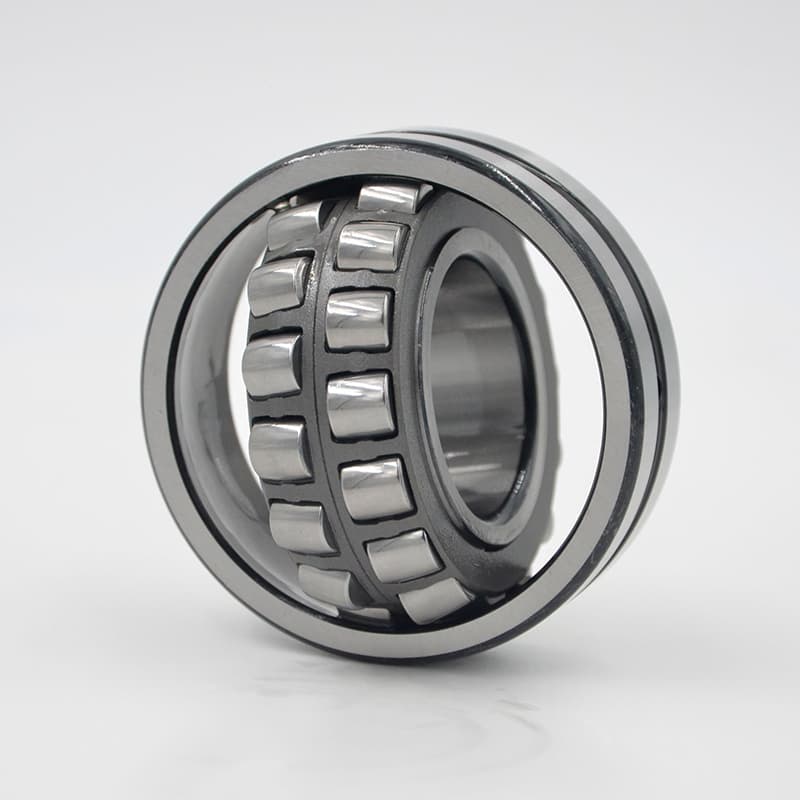
Let me be direct with you. Certification is not just a piece of paper. It tells you how seriously a factory takes quality. In my own factory, we run integrated production and inspection lines. We test every batch. But not every supplier does that. resources.hartfordtechnologies
So what should you look for? rockhillasia
1. ISO 9001:2015 (must have)
This is the basic standard. It means the supplier has a documented quality system. They track their processes. They fix problems. Without this, walk away.
2. ISO 14001 (strongly recommended)
This one covers environmental management. It shows the factory is organized and responsible. A messy factory usually makes messy bearings. resources.hartfordtechnologies
3. Specific bearing standards
Different countries follow different standards. But you want to see that the supplier knows these. iso
- ABMA (American Bearing Manufacturers Association) – Common for North American projects.
- JIS (Japanese Industrial Standard) – Often used in Asia and for precision applications.
- DIN (German standard) – Common in Europe and heavy industry.
4. Material and heat treatment certificates
A good supplier gives you a mill certificate for the bearing steel. This shows the chemical composition. They also should provide heat treatment records. Hardness should be 58 to 64 HRC for raceways. fushunspecialsteel
5. Dimensional inspection reports
Before shipping, the supplier should measure each bearing. They give you a report with inner diameter, outer diameter, width, radial runout, and internal clearance. medias.schaeffler
Here is a quick checklist table for you:
I remember a buyer from Pakistan. He bought bearings from a supplier with no ISO certificate. The bearings came with wrong internal clearance. They seized within two weeks. He lost 10,000 USD in downtime. After that, he asked for my ISO certificate first. Now he is a regular customer.
So do not skip this step. Ask for the documents. If the supplier hesitates or makes excuses, move on.
How to Assess a Supplier’s Technical Support and Customization Capabilities?
You buy bearings. Then you have a problem. The shaft size is slightly different. Or you need a special cage. Does your supplier help you or just say “sorry, no”?
To assess technical support, ask the supplier to solve a real past problem. For customization, check if they offer non-standard bore sizes, special clearances, seals, or cages. A real factory can do OEM/ODM work.
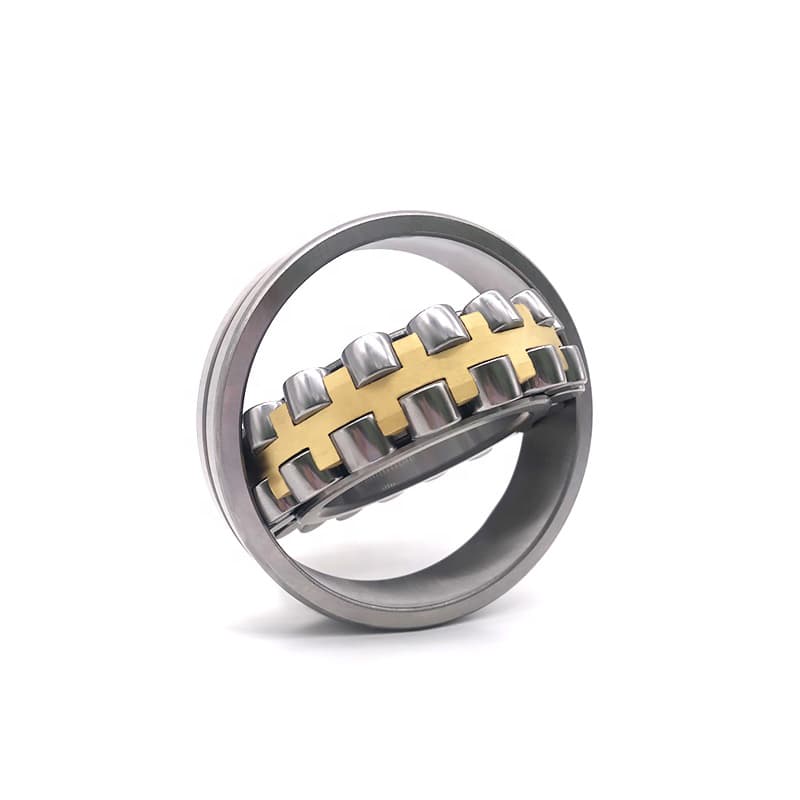
Many distributors sell bearings. But only factories with engineering teams can really help you. I run a factory with integrated production and inspection. We take custom orders every week. Here is how you separate the real suppliers from the traders.
Step 1: Ask a technical question
Email the supplier with a real question. For example: “My spherical roller bearing runs at 120°C outer ring temperature. What internal clearance do you recommend?” A good supplier will ask for your shaft speed, load, and housing fit. Then they give you a specific answer like C4 or special C5. A bad supplier will say “C3 is standard” without asking anything.
Step 2: Request a non-standard modification
Try this: “I need a 22320 bearing with a P5 precision and a one-piece brass cage. Can you do that?” If they say yes immediately but cannot show a drawing, be careful. A real factory asks for your drawing or sends you their design for approval.
What customizations can a real factory do?
- Bore size – Metric or inch. Even non-standard diameters.
- Clearance – From C2 to C5, or special in-between values.
- Cage material – Brass, steel, polyamide, or PEEK.
- Seals – Add 2RS, 2LS, or special contact seals.
- Precision class – P0, P6, P5, or even P4 for high-speed applications.
- Coating – Black oxide, trivalent chrome, or DLC.
Step 3: Ask for a CAD drawing or 3D model
A real supplier can send you a dimensional drawing in hours. They have a technical department. A trader will take days and maybe send the wrong file.
Here is a simple test table:
| Your Request | Good Supplier Response | Bad Supplier Response |
|---|---|---|
| “I need a C4 clearance 22218 bearing” | “Sure. We have it in stock or can make it in 15 days. Here is the clearance spec sheet.” | “C4 is too loose. Use C3.” (without asking your conditions) |
| “Can you laser mark my logo on the bearing?” | “Yes. Send me your logo. Minimum order is 500 pieces. Here is the price.” | “No, we only sell plain bearings.” |
| “My application has high vibration. What cage is best?” | “Use a machined brass cage. It handles shock better. Send me your speed and load.”[web:1711] | “Our standard cage is fine for all.” |
I have a customer in Egypt. He needed a spherical roller bearing with a special bore size for an old crusher. The original OEM bearing cost too much. He came to me. I asked my engineering team. We adjusted our production line. In 20 days, we shipped 50 pieces with his own part number. He saved 40% compared to the OEM. That is real customization.
So do not just look at a catalog. Test the supplier’s brain. See if they understand your problem.
Why Delivery Lead Times and Inventory Transparency Matter for Your Project Timeline?
Your project is on a schedule. The supplier says “4 weeks.” Six weeks later, nothing arrives. Then your whole plant waits.
Delivery lead times matter because a delay of one week can cost you thousands in lost production. Inventory transparency means the supplier tells you honestly what they have in stock and what needs production. Always ask for a written delivery commitment.
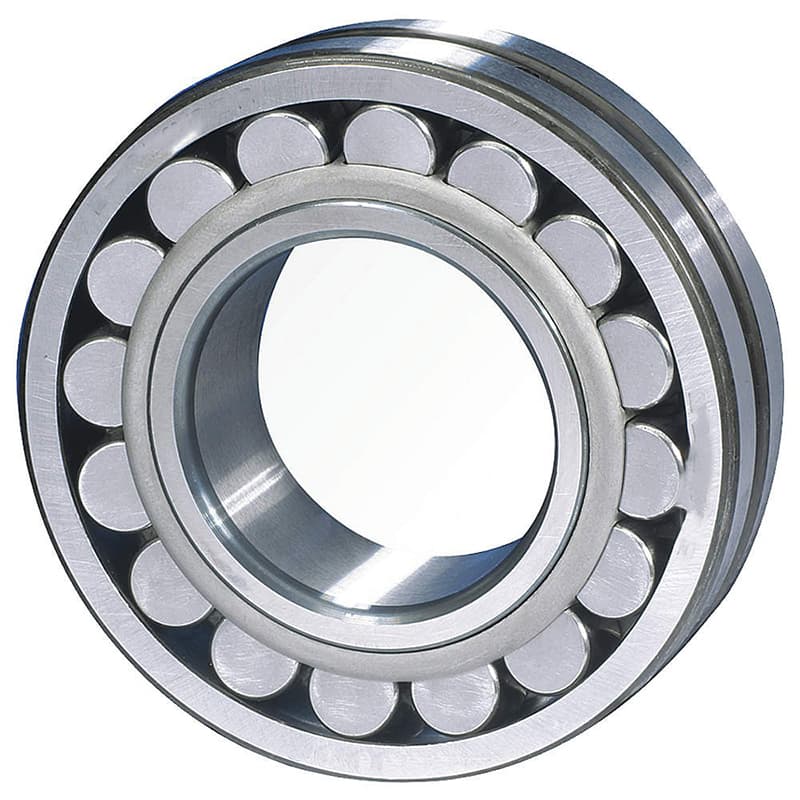
I have shipped bearings to Russia, Vietnam, and South Africa. I know that a promise without proof is useless. Here is how you protect your timeline.
Why lead times are critical for industrial projects
- Planned shutdowns – You schedule maintenance for a specific week. If bearings arrive late, you miss the window.
- Production line expansion – New equipment needs bearings on site before assembly.
- Emergency breakdowns – You need bearings in 2 days, not 2 months.
What to ask every supplier:
Question 1: “What is your exact lead time for my quantity, including production and shipping?”
A good supplier gives you a breakdown:
- Stock check – 1 day
- Production (if not in stock) – 15 to 25 days for standard spherical roller bearings
- Quality inspection – 2 days
- Packing and export documents – 3 days
- Ocean freight – 20 to 35 days depending on your country
Question 2: “Do you have a live inventory system? Can I see your stock list?”
Some suppliers hide their stock levels. A transparent supplier can share a simple spreadsheet or a login to their system. They tell you “We have 22315 C3 in stock, but 22316 C4 needs production.”
Question 3: “What happens if you miss the delivery date?”
A professional supplier will offer penalties or discounts for late delivery. At FYTZ Bearing, we put delivery dates in our contract. If we are late, we reduce the price. That is fair.
Here is a delivery timeline table for a typical order to India:
| Stage | Time Needed | Who is Responsible |
|---|---|---|
| Order confirmation and deposit | 1 day | You and supplier |
| Stock check or production start | 2 days | Supplier |
| Production (if not stocked) | 20 days | Supplier factory |
| Final inspection | 2 days | Supplier QC |
| Export packing | 2 days | Supplier logistics |
| Customs clearance in China | 3 days | Supplier’s forwarder |
| Ocean freight to Mumbai | 25 days | Shipping from China to India typically takes about 15–25 days by sea, depending on the port and service |
| Local delivery to your warehouse | 3 days | Your forwarder |
| Total | About 58 days | – |
I remember a customer in Indonesia. He ordered bearings from a cheap supplier. The supplier promised 30 days. After 60 days, nothing arrived. The supplier kept saying “next week.” Finally, the customer called me. I checked my stock. I had 80% of his order ready. The rest we made in 15 days. We air-shipped the urgent ones. He paid a little more for air freight. But his plant did not stop.
So ask for the real timeline. Get it in writing. And check if the supplier has a backup plan when things go wrong.
What Red Flags to Look for When Reviewing Bearing Samples and Past Orders?
You get a sample bearing. It looks fine. But how do you know it will last? Many problems only show up after a few months.
When reviewing bearing samples, look for inconsistent markings, rough surface finish, incorrect chamfer dimensions, and missing heat treatment codes. Also ask for three past order references from similar industries. Contact those customers directly.
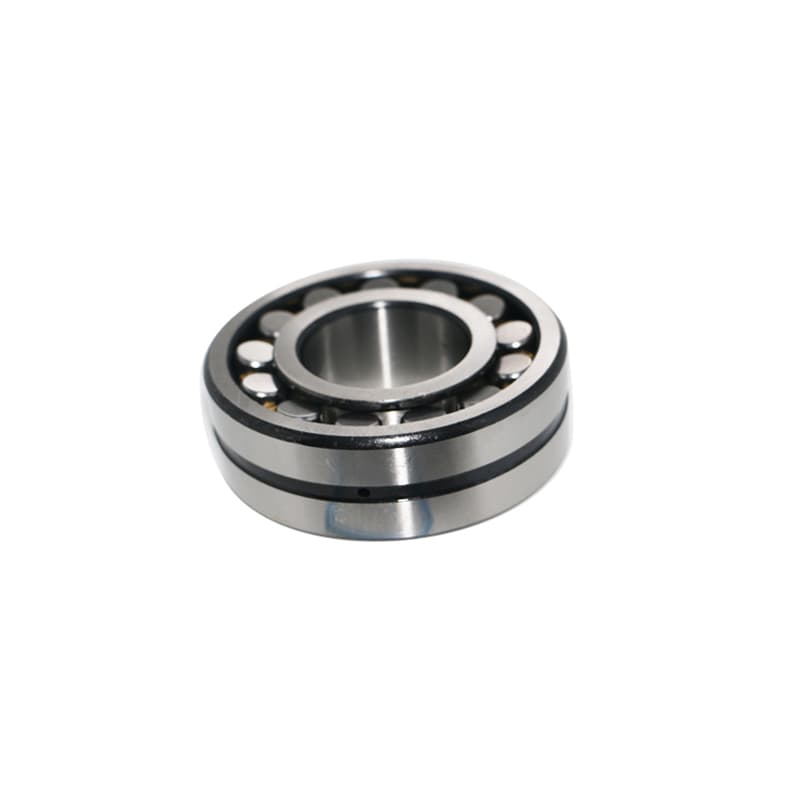
I have inspected thousands of bearings in my factory. I can spot a bad bearing in 30 seconds. But you may not have that skill. So let me give you simple checks.
Red flag 1: Wrong or messy markings
A genuine bearing has clear, deep laser or etching marks. Look at the brand name, part number, and country of origin. If the letters are crooked, shallow, or misspelled, walk away. Some fake bearings copy the look. But they use cheap printers.
Red flag 2: Rough surface on raceways
Run your finger over the inner ring raceway. It should feel smooth like glass, with no bumps or lines. Use a fingernail. If you feel any scratch, the raceway machining is poor quality and the bearing may suffer premature wear or spalling. schaeffler
Red flag 3: Incorrect chamfer size
The corners of the bearing rings (chamfers) should be uniform. Measure them with a simple caliper. If one side is bigger, the machining is inconsistent and the bearing will not seat properly on the shaft or in the housing. thelocomachinist
Red flag 4: No heat treatment color
Properly heat‑treated bearings have a uniform matte finish. Some cheap bearings skip or rush heat treatment. They look too shiny or have dark spots from uneven tempering. Heat and surface treatments directly affect the bearing’s performance, durability, and resistance to wear and fatigue. metalzenith
Now that you’ve learned about quality inspection red flags for bearings, can you describe what specific checks you would perform if a supplier sent you a sample spherical roller bearing before placing a large order? Think about the steps you’d take with a visual inspection, a caliper, and just your hands.
Red flag 5: Supplier refuses to give past customer references
A good supplier is proud of their customers. They give you names and contact numbers. Call those customers. Ask:
- “Did the bearings arrive on time?”
- “Did you have any early failures?”
- “How did the supplier handle problems?”
Here is a sample inspection checklist table:
| Inspection Item | What to Look For | Pass | Fail |
|-----------------|------------------|------|------|
| [Brand and part number marking](https://www.nsk.com/tools-resources/mantenance/bearing-inspection/)| [Clear, permanent, no spelling errors](https://www.scribd.com/doc/240465473/Steps-to-Check-SKF-Bearings)| ☐ | ☐ |
| [Outer ring surface](https://www.nsk.com/tools-resources/mantenance/bearing-inspection/) | [No rust, no dents, smooth](https://oxmaint.com/industries/manufacturing-plant/bearing-inspection-checklist-for-manufacturing-and-plant-operations)[web:1741] | ☐ | ☐ |
| [Inner ring raceway](https://www.nsk.com/tools-resources/mantenance/bearing-inspection/)| [Glass-smooth, no scratches](https://www.nsk.com/tools-resources/mantenance/bearing-inspection/)| ☐ | ☐ |
| [Rollers](https://www.nsk.com/tools-resources/mantenance/bearing-inspection/) | [No pits, no flat spots, uniform color](https://koyo.jtekt.co.jp/en/support/bearing-knowledge/15-6000.html)[web:1752] | ☐ | ☐ |
| [Cage](https://www.nsk.com/tools-resources/mantenance/bearing-inspection/) | [No cracks, no burrs, rivets tight](https://oxmaint.com/industries/manufacturing-plant/bearing-inspection-checklist-for-manufacturing-and-plant-operations)[web:1741] | ☐ | ☐ |
| [Chamfer size](https://www.skf.com/uk/products/rolling-bearings/principles-of-rolling-bearing-selection/general-bearing-knowledge/tolerances/chamfer-dimensions)[web:1729] | Within 0.2 mm of specification | ☐ | ☐ |
| [Internal clearance (feel)](https://www.nsk.com/tools-resources/mantenance/bearing-inspection/) | [Slight movement but no excessive play](https://www.nsk.com/tools-resources/mantenance/bearing-inspection/)| ☐ | ☐ |
| [Rotating torque](https://www.nsk.com/tools-resources/mantenance/bearing-inspection/)[web:1725] | [Turns smooth without grinding](https://www.nsk.com/tools-resources/mantenance/bearing-inspection/) | ☐ | ☐ |
I have a story from Vietnam. A bearing distributor received a sample from a new supplier. The sample looked great. So he ordered a full container. When the container arrived, the bearings were different. The markings were wrong. The raceways were rough. The supplier had sent a perfect sample but shipped cheap goods. He lost 30,000 USD.
So do not trust only one sample. Ask for three random pieces from different production batches. Or visit the factory if possible. At FYTZ Bearing, we welcome customers to audit our line. We show them our hardness testers, our roundness testers, and our inspection reports. That is transparency.
Conclusion
Check certifications, test technical support, verify delivery honesty, and inspect samples carefully. A good supplier saves you money and headaches.