
Your cooling tower fan stops in the middle of summer. Your whole factory overheats. I have seen this happen too many times.
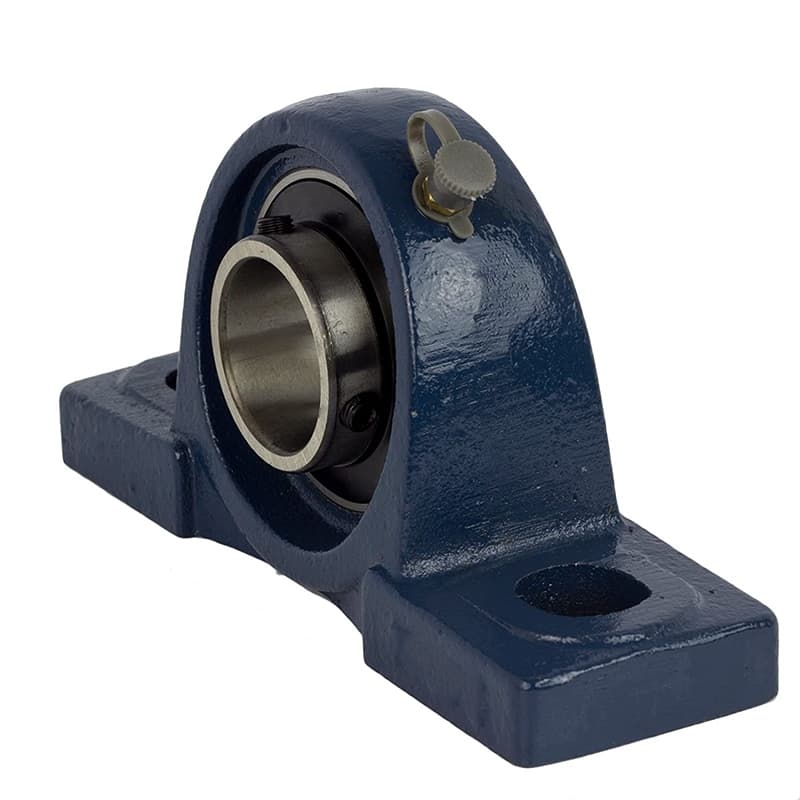
Yes, cooling towers and ventilation systems need special pillow block bearings. Standard bearings fail fast in wet, humid, or corrosive air. Special bearings use stainless steel housings, rubber seals, and waterproof grease to last longer.
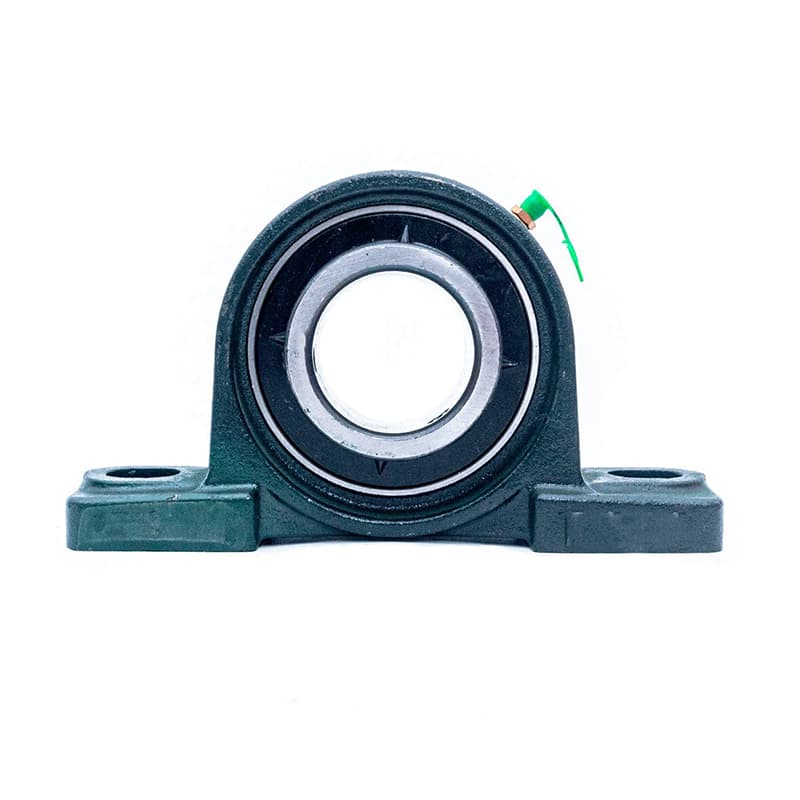
You might think a bearing is just a bearing. But I have learned something different in my years at FYTZ Bearing. The environment around a cooling tower is tough. Water drips. Air is humid. Chemicals float around. A regular bearing from a hardware store dies in weeks. So let me walk you through why you need special bearings, what problems they face, how to pick the right one, and how to stop failures before they happen.
Why Do Cooling Towers and Ventilation Systems Need Special Pillow Block Bearings?
You put a standard bearing on a cooling tower fan. Six months later, it makes noise. A year later, it seizes. You wonder what went wrong.
Cooling towers and ventilation systems create wet, humid, and corrosive conditions. The fan shaft runs for long hours. Water vapor condenses on the bearing. Chemicals in the water can rust the metal. Standard bearings are not built for this. Special pillow block bearings have stainless steel, better seals, and anti‑rust coatings.
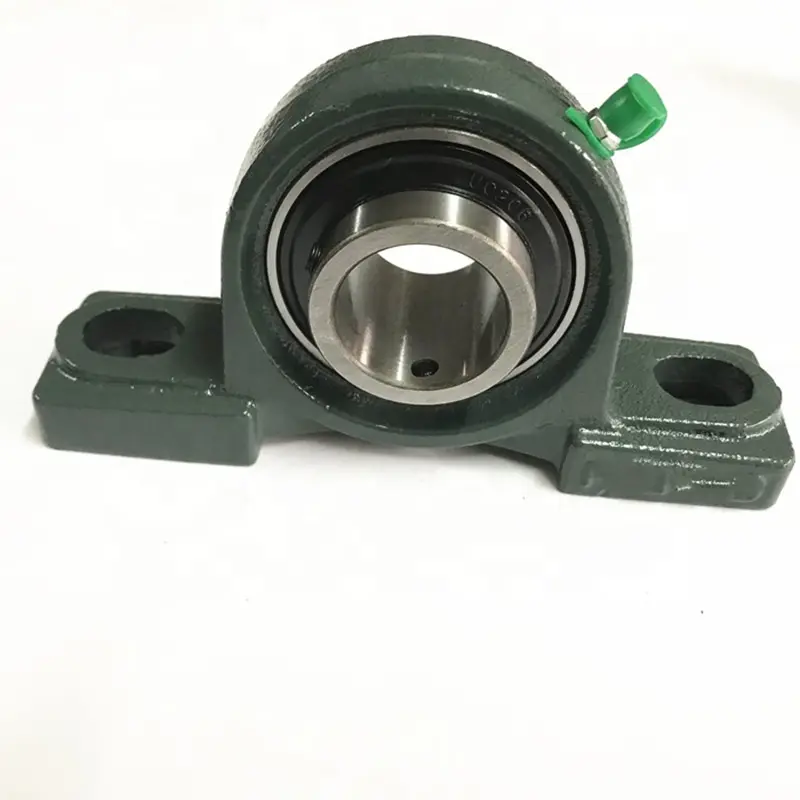
Three Reasons Standard Bearings Fail Fast
I have seen hundreds of failed bearings from cooling towers in India, Brazil, and Indonesia. Let me give you the three main reasons.
Reason 1 – Water Ingress
Water is the enemy of any bearing. In a cooling tower, water splashes everywhere. It also condenses from humid air. Water gets past a standard seal. Once inside, it washes away the grease. Then the metal parts rust. Rust particles act like sand. They grind the balls and races. I have opened bearings that looked like they had been sitting in a pond.
A standard pillow block with a rubber seal (2RS) can handle some moisture. But a cooling tower needs more. You need a bearing with a heavy‑duty rubber seal and a stainless steel housing. The stainless steel does not rust. The seal keeps water out longer.
Reason 2 – Corrosive Chemicals
Many cooling towers use treated water. That water has chemicals like chlorine or bromine. These chemicals are great for stopping algae. But they are terrible for bearings. The chemical vapors float in the air. They attack the bearing housing. [Cast iron rusts quickly](https://www.covac.co.uk/blog/understanding-cooling-tower-corros Trollion). Even chrome steel balls can corrode [web:1132][web:1134].
I remember a customer in Egypt. His cooling tower used chlorinated water. His standard pillow block bearings lasted only four months. The housings were orange with rust. The balls had pitting. Chlorinated‑water cooling towers accelerate corrosion of carbon‑steel components and bearings, especially when chlorination levels exceed 2 ppm[web:1130]. We switched him to a stainless steel housing with 440C stainless steel balls. 440C stainless‑steel bearings resist corrosion at least twice as well as 52100 carbon‑steel balls in wet, chlorinated environments[web:1140]. Those bearings lasted three years. The extra cost paid for itself many times over.
Reason 3 – Continuous Operation
Cooling towers and ventilation systems often run 24 hours a day, 7 days a week. That is 8,760 hours a year. A standard bearing has a rated life of maybe 10,000 hours. That sounds good. But the rating is for ideal conditions. In real life, with water and rust, the life drops fast. So you need a bearing that is over‑designed. That means a larger size, better material, and heavier grease.
A Quick Comparison Table
| Feature | Standard Pillow Block | Cooling Tower Special |
|---|---|---|
| Housing material | Cast iron or pressed steel | Stainless steel (304 or 316) |
| Bearing steel | Chrome steel (GCr15) | Chrome steel with black oxide, or 440C stainless |
| Seal type | Single lip rubber (2RS) | Triple lip or labyrinth with rubber slinger |
| Grease | Standard lithium | Water‑resistant, high‑viscosity |
| Typical life in cooling tower | 4‑8 months | 24‑48 months |
So the answer is clear. You need special bearings. Do not try to save money with standard ones. You will pay more in downtime and replacements.
What Are the Main Environmental Challenges for Bearings in Cooling Towers?
You look at a cooling tower. It looks simple. But inside the bearing housing, a war is happening.
The four main challenges are water, humidity, chemicals, and temperature changes. Water splashes directly on the bearing. Humid air condenses inside. Chemicals like chlorine corrode the metal. Temperature changes from hot to cold create condensation and thermal expansion.
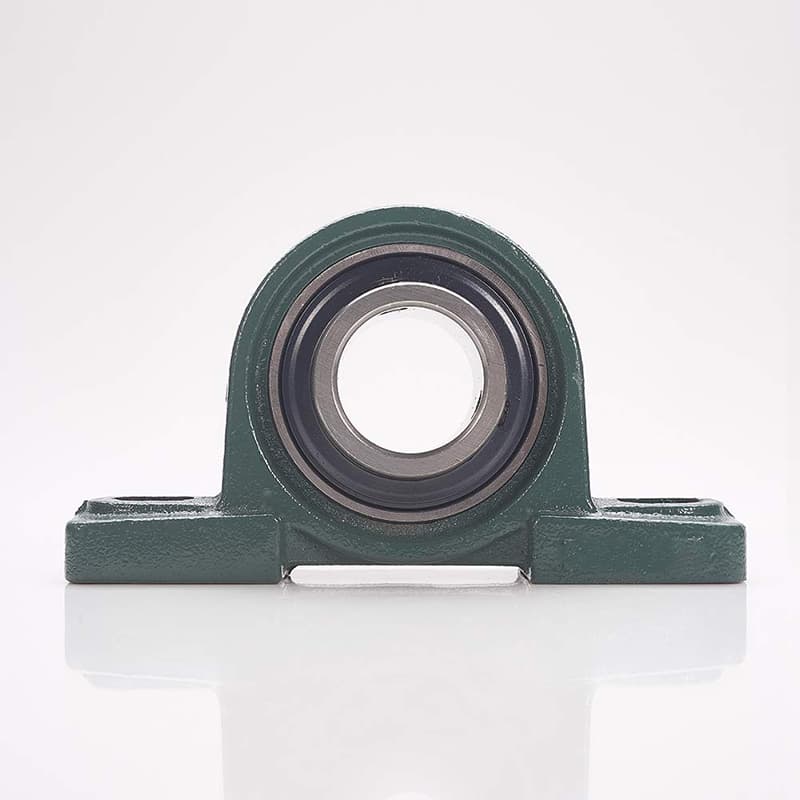
Breaking Down Each Challenge
Let me go through each problem one by one. I will also tell you how to fight it.
Challenge 1 – Direct Water Splash
The fan shaft on a cooling tower is right above the water basin. Water splashes up. Some cooling towers use spray nozzles. Those sprays can hit the bearing area directly. Water gets into the seal. Once inside, it mixes with grease. The grease turns into a white, milky emulsion. That emulsion has zero lubrication. The bearing runs dry. Then it overheats and seizes.
What to do: Use a bearing with a stainless steel flinger. A flinger is a metal disc that spins with the shaft. It throws water away from the seal. Our FYTZ SS series has this flinger. Also, add a rubber boot over the bearing housing. That stops splashes completely.
Challenge 2 – High Humidity
Even without direct splashes, the air in a cooling tower is almost 100% humid. Humidities above 60% allow rapid condensation and rust on metal surfaces. That means water vapor is everywhere. When the fan stops for maintenance, the bearing cools down. Large temperature swings in humid environments readily form condensation on metal components. Then water condenses on the cold metal. That condensation sits inside the bearing. It does not evaporate fast. Over time, it builds up. Rust starts in tiny pits. Those pits grow.
I saw this in a textile mill in Vietnam. Their ventilation fans ran all week. Then they shut down every Sunday. Cases where fans stop weekly show clear noise and rust after weekend condensation inside the bearings. Every Monday morning, the bearings were noisy. The condensation over the weekend caused rust. Condensation‑related rust on raceways and balls is a well‑known cause of early‑noise and pitting in ventilation‑fan bearings. We switched to a bearing with a special anti‑rust coating on the balls and races. Proper anti‑rust coatings or platings on bearing surfaces can block moisture contact and significantly reduce rust‑pitting. That coating kept the rust away. The noise stopped.
What to do: Use bearings with black oxide coated steel. Black oxide is a thin, rust‑resistant layer. It is not as good as stainless steel. But it costs less. For high humidity without direct water, it works very well.
Challenge 3 – Chemical Corrosion
I already mentioned chlorine. But there are other chemicals too. Some cooling towers use anti‑scaling agents. Others use biocides. These chemicals are often acidic or alkaline. They attack the housing, the bearing rings, and even the seals. Acidic or alkaline cooling‑water chemicals can accelerate corrosion of metal parts and damage rubber seals[web:1162]. Rubber seals can swell or shrink when they touch certain chemicals[web:1166].
Let me give you a real example. A customer in Russia had a cooling tower for a chemical plant. The water had a low pH of 5.5 (acidic). Low pH water (acidic range) dissolves protective oxide films and causes rapid corrosion of cast iron and carbon‑steel components[web:1162]. pH 5‑6 is clearly corrosive for cooling‑tower carbon‑steel parts such as housings[web:1164]. He used standard cast iron housings. They rusted through in six months. The rust flakes got into the bearing. He lost two fan shafts because of scoring. Iron corrosion debris from low‑pH cooling water can enter bearings and cause scoring and pitting. We recommended a 316 stainless steel housing and FKM rubber seals. [316 stainless steel contains molybdenum and offers far better resistance to chlorinated
What to do: Know your water chemistry. Test the pH. Test for chlorine levels. Then pick the right material. For pH 6‑8, 304 stainless steel is fine. For pH below 6 or above 9, use 316 stainless steel with FKM seals.
Challenge 4 – Temperature Swings
Cooling towers run hot and cold. The water might be 30°C. But the air above could be 40°C. At night, it drops to 20°C. These changes make the shaft expand and contract. The bearing housing does the same. But at different rates. This creates small gaps. Gaps let water and dust in.
Also, when hot, the grease becomes thinner. It can leak out past the seals. When cold, the grease thickens. It does not flow well. So the bearing runs dry at startup.
What to do: Use a grease with a wide temperature range. A lithium complex grease works from -20°C to 150°C. Also, use a bearing with a caged retainer. The cage keeps the balls apart. Even if the grease is thick, the balls still roll.
Summary Table of Challenges and Solutions
| Challenge | What Happens | Best Solution |
|---|---|---|
| Direct water splash | Grease turns milky, bearing runs dry | Stainless steel flinger + rubber boot |
| High humidity | Condensation causes rust | Black oxide coating or stainless steel |
| Chemical corrosion | Housing and rings corrode | 316 stainless steel + FKM seals |
| Temperature swings | Gaps open, grease leaks | Wide‑temp grease + caged retainer |
How to Select the Right Pillow Block Bearing for Wet and Corrosive Conditions?
You walk into a bearing store. You see so many options. Plated, stainless, plastic, cast iron. Which one do you take for your cooling tower?
Start with two things: housing material and seal type. For wet areas, pick a stainless steel housing (304 or 316). For the seal, pick a rubber contact seal with a flinger. Then choose a water‑resistant grease. Finally, add a stainless steel shaft if your budget allows.
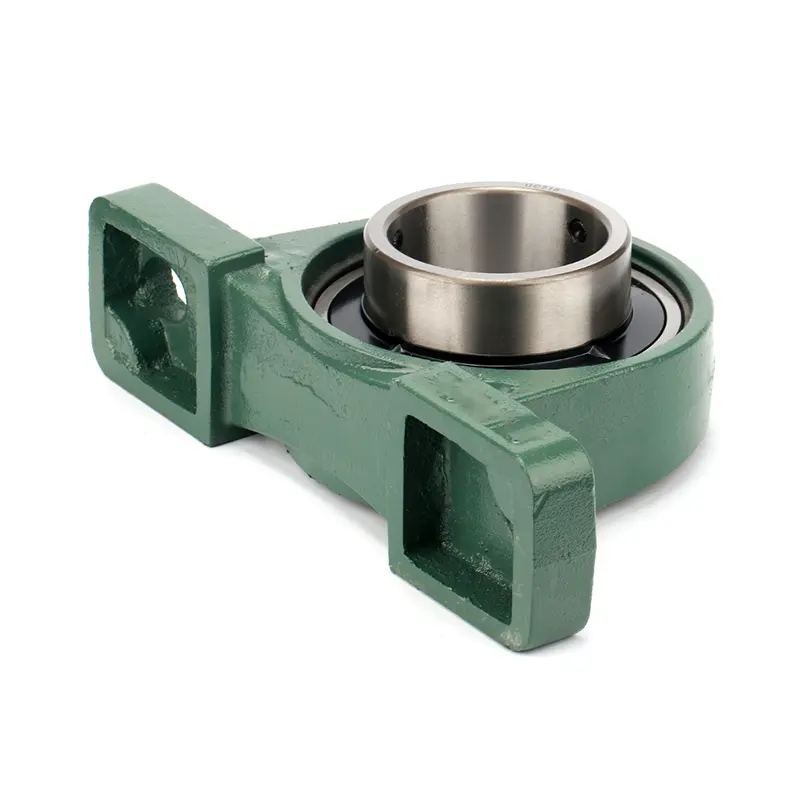
A Step‑by‑Step Selection Process
I use this process with my customers in Pakistan, Turkey, and Brazil. It works every time.
Step 1 – Housing Material
This is the most important choice. The housing is the outer shell. If it rusts, the bearing loses support.
- Pressed steel: No. Do not use for cooling towers. It rusts fast.
- Cast iron: Maybe for very dry ventilation systems. But not for cooling towers.
- 304 stainless steel: Good for most cooling towers. Resists rust and mild chemicals.
- 316 stainless steel: Best for chemical plants or coastal areas with salt air.
- Plastic (thermoplastic): Some people use this. I do not recommend it for heavy loads. Plastic cracks and creeps.
My advice: For 90% of cooling towers, 304 stainless steel is enough. For the other 10%, use 316.
Step 2 – Seal Type
I have a simple rule. Use a triple lip rubber seal with a stainless steel flinger. The triple lip pushes water out. The flinger throws water away. Do not use a metal shield (ZZ). Water goes right through.
Also, check the seal material. Standard NBR rubber is fine for clean water. If your water has chemicals, ask for FKM rubber. FKM costs more but lasts longer.
Step 3 – Bearing Internal Design
The balls and races need protection too. Even with a stainless housing, the bearing steel can rust. So look for these features:
- Black oxide coating: A thin layer that resists rust. Good for humidity.
- 440C stainless steel balls and rings: Fully rustproof. Use for chemical or saltwater.
- Caged retainer (not full complement): The cage keeps balls separate. It allows better grease flow.
For most cooling towers, chrome steel with black oxide is enough. For very wet or salty, go with 440C stainless.
Step 4 – Grease Selection
People forget the grease. But the grease is the bearing’s blood. For cooling towers, use a grease that:
- Resists water washout (tested by ASTM D1264)
- Has high viscosity (ISO VG 150 or higher)
- Works from -20°C to 120°C
I recommend a lithium complex grease with rust inhibitors. Our FYTZ uses a special water‑resistant grease for cooling tower bearings. It does not turn milky even after water splashes.
A Real Selection Example
A customer from Indonesia called me. He ran a large hotel. The cooling tower fan bearings failed every six months. He wanted a solution. I asked for his water chemistry. pH 7.2, no strong chemicals. But the tower was near the ocean. Salt air was a problem. I recommended a 304 stainless steel housing, 440C stainless balls, triple lip FKM seals, and our water‑resistant grease. He tested one set for 18 months. No failure. Then he ordered 50 sets for all his cooling towers.
Selection Table for Different Conditions
| Condition | Housing | Seal | Bearing Steel | Grease |
|---|---|---|---|---|
| Indoor ventilation, dry | Cast iron | 2RS rubber | Chrome steel | Standard |
| Outdoor humid, no splash | 304 SS | 2RS + flinger | Chrome steel + black oxide | Water‑resistant |
| Direct water splash | 304 or 316 SS | Triple lip + flinger | 440C stainless | Water‑resistant |
| Chemical vapors | 316 SS | FKM rubber + flinger | 440C stainless | Synthetic water‑resistant |
| Saltwater spray | 316 SS | FKM + flinger + boot | 440C stainless | Synthetic high‑viscosity |
Common Failure Modes in Fan Shaft Bearings and How to Prevent Them?
Your fan starts making a grinding noise. You take the bearing out. It is full of rust and water. How did this happen?
The three most common failure modes are corrosion, water washout of grease, and false brinelling from vibration. Corrosion happens when metal rusts. Water washout happens when water dilutes the grease. False brinelling happens when the fan shakes while stopped, creating tiny dents in the races.
Failure Mode 1 – Corrosion
This is the number one killer in cooling towers. You see red rust on the housing and the bearing rings. The balls are pitted. The races have grooves.
Why it happens: Water or humid air reaches the metal. The protective coating fails. Or there is no coating at all.
Prevention:
- Use stainless steel housing and bearings.
- If your budget is tight, use chrome steel with black oxide and regrease often.
- Add a rubber boot over the bearing to block splashes.
I have seen bearings fail from corrosion in just three months. The customer saved $10 per bearing by buying cast iron. He then spent $1,000 on downtime. That is not smart. Spend the extra money upfront.
Failure Mode 2 – Water Washout of Grease
You take the bearing apart. The grease looks like white soup. There is no oil left. Only water and soap.
Why it happens: Water gets into the bearing. It mixes with the grease. The water separates the oil from the thickener. The oil floats away. The thickener becomes a gooey mess. Without oil, the metal rubs on metal.
Prevention:
- Use a grease that passes the water washout test. Look for ASTM D1264. A score below 10% washout is good. Water‑resistant greases meeting ASTM D1264 help coatings stay on metal and reduce rust in wet environments[web:1191].
- Use a better seal. A flinger and triple lip seal keep water out[web:1199].
- Regrease more often. Once a month is good. Pump fresh grease until you see the old white grease come out.
A customer in Brazil had this problem. His seals were old. Water got in every day. The grease washout happened in two weeks. He changed to our FYTZ water‑resistant grease and new triple lip seals. The bearings lasted 14 months.
Failure Mode 3 – False Brinelling
This one is tricky. The fan stops for the weekend. The wind blows. The fan blades shake. The shaft vibrates a tiny bit. That vibration pushes the balls against the races. The balls make tiny dents. Then when the fan starts again, those dents make a loud noise. The bearing sounds like it has sand inside. But there is no contamination. Only dents.
Why it happens: Vibration when the shaft is not moving. The grease gets pushed away from the contact points. Then metal touches metal. The vibration creates small wear marks.
Prevention:
- Use a bearing with a caged retainer. The cage keeps balls apart even during vibration.
- Use a grease with good anti‑wear additives (EP additives).
- If the fan stops for a long time, rotate the shaft by hand once a week. This moves the balls to new positions.
- For very sensitive systems, use a bearing with a sinusoidal raceway. That is expensive. But it solves the problem.
I saw false brinelling in a ventilation fan at a hospital in Egypt. The fan ran 12 hours a day. At night, the wind made the blades vibrate. The bearings failed every four months. We switched to a bearing with a heavy‑duty cage and an EP grease[web:1208]. The bearings then lasted two years.
Prevention Summary Table
| Failure Mode | Main Cause | Best Prevention |
|---|---|---|
| Corrosion | Water and rust | Stainless steel + good seal |
| Water washout | Water mixing with grease | Water‑resistant grease + triple lip seal |
| False brinelling | Vibration when stopped | Caged retainer + EP grease + rotate shaft |
My Personal Advice
I get many calls from customers with cooling tower failures. Ninety percent of the time, the problem is one of these three. And ninety percent of the time, the customer tried to save money by buying cheap bearings. Do not do that. Buy the right bearing once. Use stainless steel, good seals, and water‑resistant grease. That bearing will last for years. I promise you that. We have sold thousands of cooling tower bearings at FYTZ. The customers who follow this advice rarely call back for replacements.
Conclusion
Cooling towers need special pillow block bearings. Use stainless steel, strong seals, and water‑resistant grease.