
I see this problem every week. A sawmill owner calls me and says his conveyor line keeps stopping because a bearing just gave up. The dust, the heat, and the heavy loads eat through standard bearings in no time.
The short answer is yes – most pillow block bearings fail too fast in these harsh conditions. But the right bearing with proper seals, lubrication, and housing material can last three to five times longer in a sawmill or wood processing line.
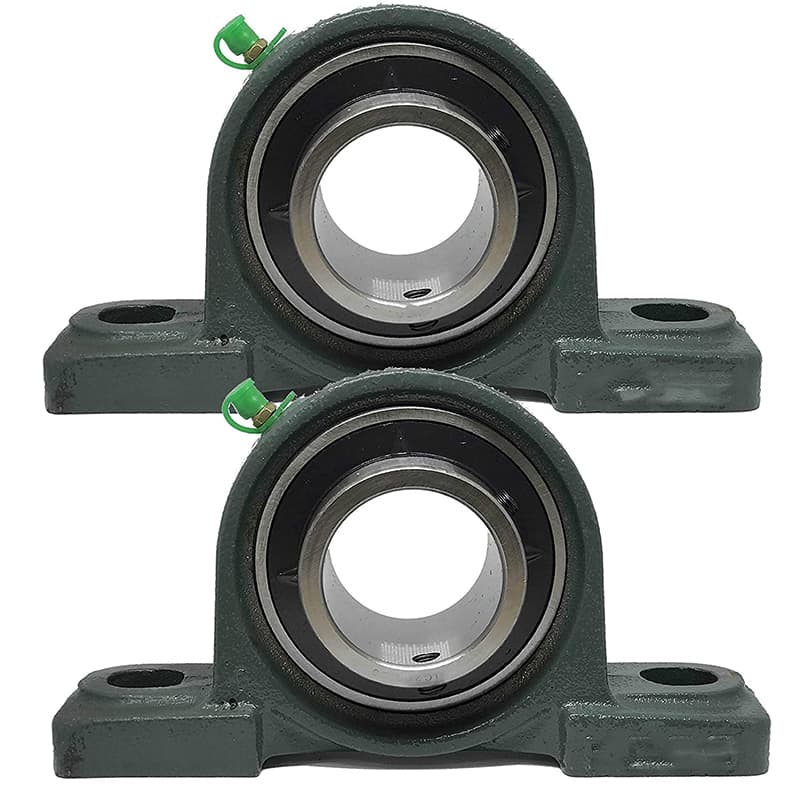
Let me walk you through what I have learned from supplying bearings to over twenty sawmills and wood processing plants across India, Brazil, and Turkey. I am Raj from FYTZ Bearing. My factory makes pillow block bearings specifically for tough jobs like this. And I will show you exactly what to look for, what to avoid, and how to keep your conveyor lines running.
1. What Are the Key Selection Criteria for High-Performance Pillow Block Bearings?
I often see buyers pick the cheapest bearing on the shelf. That mistake costs them more in downtime than they ever save. Let me ask you this. Do you know what really makes a pillow block bearing last in a wood processing line?
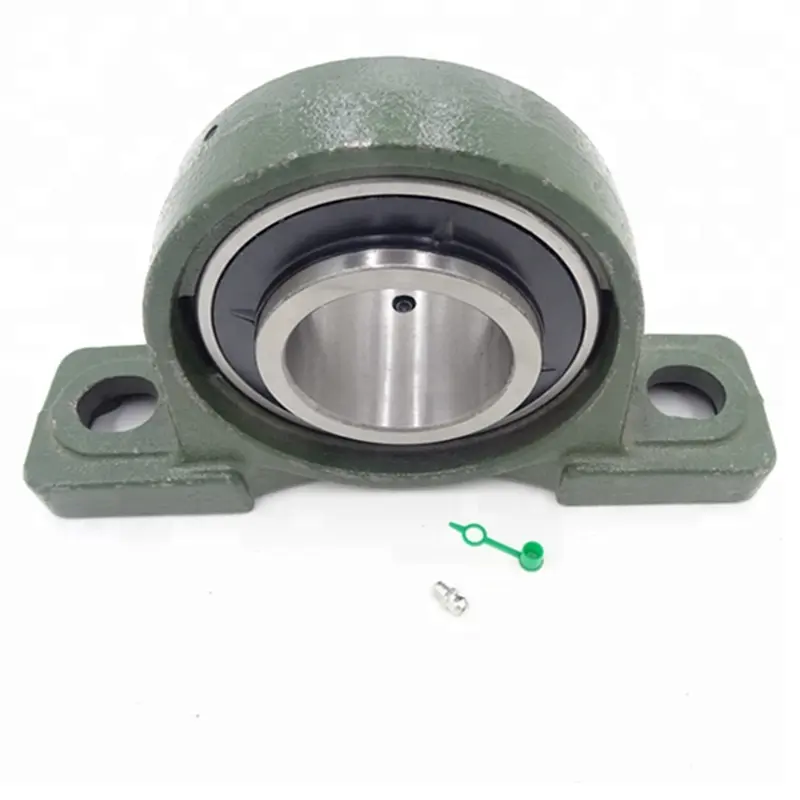
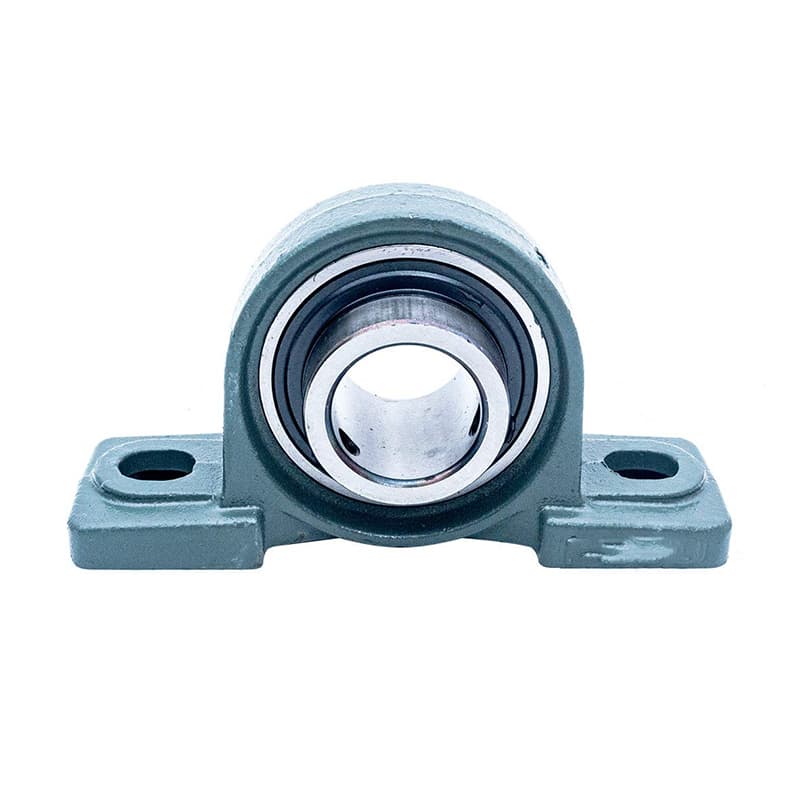
You need to check four things. The housing material, the bearing insert, the locking method, and the internal clearance. For sawmills, go with cast iron housings, set screw locking, and C3 clearance. Never use pressed steel or standard clearance.
Why these four factors matter so much
Let me break down each one. I have seen too many failures because people ignore just one of these.
Housing material. Wood processing lines create a lot of vibration and shock loads. Pressed steel housings flex and crack. Cast iron housings absorb the shock. My factory uses high-grade gray cast iron for all our sawmill bearings. I once had a customer in Indonesia replace pressed steel housings every two months. After he switched to our cast iron units, he got over a year of trouble-free work.
Bearing insert. The insert is the actual ball bearing inside the housing. For wood conveyors, you want a wide inner ring with two set screws. That gives you a strong grip on the shaft. Some cheap bearings use only one set screw. That is a disaster waiting to happen.
Locking method. There are two common ways to lock a bearing to a shaft. Set screws and eccentric locking collars. For sawmills, I always recommend set screws. They hold tighter under vibration. But you must use the right torque. Do not over-tighten. That deforms the inner ring.
Internal clearance. This is the one most people miss. Standard radial clearance (CN) is too tight for sawmills. The shaft heats up and expands. The bearing gets even tighter and then it seizes. You need C3 clearance. That gives you extra space for thermal expansion. Some heavy-duty applications even need C4.
Here is a quick table I give to my customers:
| Selection Factor | Good Choice for Sawmills | Bad Choice | Why It Matters |
|---|---|---|---|
| Housing Material | Cast iron (GG20 or higher) | Pressed steel | Vibration resistance and impact strength |
| Bearing Insert | Wide inner ring with two set screws | Narrow ring with one screw | Shaft holding power |
| Locking Method | Set screws (M6 or M8) | Eccentric collar | Vibration resistance |
| Internal Clearance | C3 or C4 | CN (normal) | Thermal expansion from heat and friction |
| Seal Type | Triple lip with steel shield | Single rubber lip | Sawdust and moisture exclusion |
I also want to add one more thing. Do not buy bearings without a brand or a datasheet. I see fake bearings in the market all the time. They look the same on the outside. But inside, the steel is soft. The balls are not round. And the seals fall off in a week. Always buy from a trusted factory like FYTZ or ask for test reports.
2. Which Sealing Solutions Really Resist Sawdust, Debris and Moisture?
You know what kills more bearings than anything else in a sawmill? It is not the load. It is the fine wood dust. That dust gets inside the bearing and mixes with the grease. Then it turns into a grinding paste. I have opened bearings that looked like they were filled with mud.
The best sealing solution for sawmill conveyors is a triple-lip seal combined with a steel labyrinth shield. This type of seal blocks over 95% of fine wood dust and moisture. A single rubber lip seal will fail in less than 200 hours of operation in a typical wood processing line.
How to tell a good seal from a bad one
| Selection Factor | Good Choice for Sawmills | Bad Choice | Why It Matters |
|---|---|---|---|
| Housing Material | Cast iron (GG20 or higher) | Pressed steel | Vibration resistance and impact strength |
| Bearing Insert | Wide inner ring with two set screws | Narrow ring with one screw | Shaft holding power |
| Locking Method | Set screws (M6 or M8) | Eccentric collar | Vibration resistance |
| Internal Clearance | C3 or C4 | CN (normal) | Thermal expansion from heat and friction |
| Seal Type | Triple lip with steel shield | Single rubber lip | Sawdust and moisture exclusion |
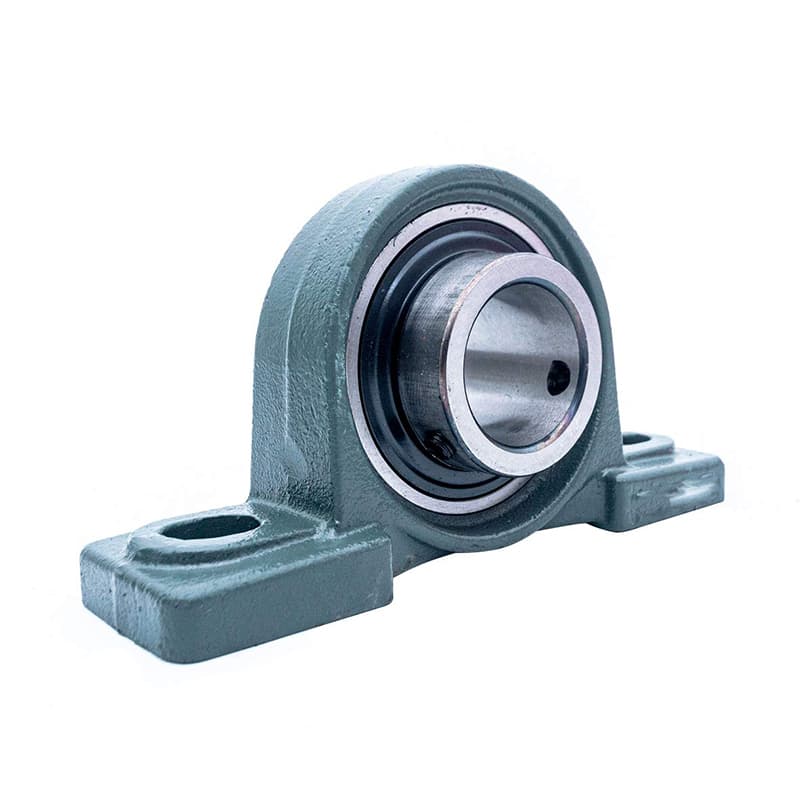
Triple lip with labyrinth. This is the gold standard. You have three rubber lips. But there is also a steel shield that creates a maze-like path. Dust has to turn corners to get inside. Most of it never makes it. The last lip pushes the dust back out. My factory uses this design on all our sawmill-grade bearings.
Contact vs non-contact seals. Contact seals rub on the inner ring. They keep dust out better but create a little heat. Non-contact seals have a small gap. They run cooler but let in more dust. For sawmills, I always pick contact seals.
Let me give you a real story. A customer in Egypt runs a date processing line. Date syrup and dust were getting into his bearings every two weeks. He tried everything. Then he bought our bearings with triple-lip seals. He called me after six months and said the bearings were still clean inside.
Here is a simple test you can do. Take the bearing in your hand. Try to push the seal with your finger. If the seal moves easily or feels loose, it is not good. A quality seal sits tight and does not bend. Also look for a metal shield behind the rubber. That shield keeps the rubber in place under pressure.
Remember this. No seal is 100% perfect. You still need to clean your conveyor line regularly. But a good seal gives you weeks or months of extra life.
3. What Are the Common Failure Modes in Wood Processing Conveyors and How Can You Prevent Them?
I have looked at hundreds of failed bearings. And I see the same four problems over and over again. Let me tell you what they are. You can spot them early if you know what to look for.
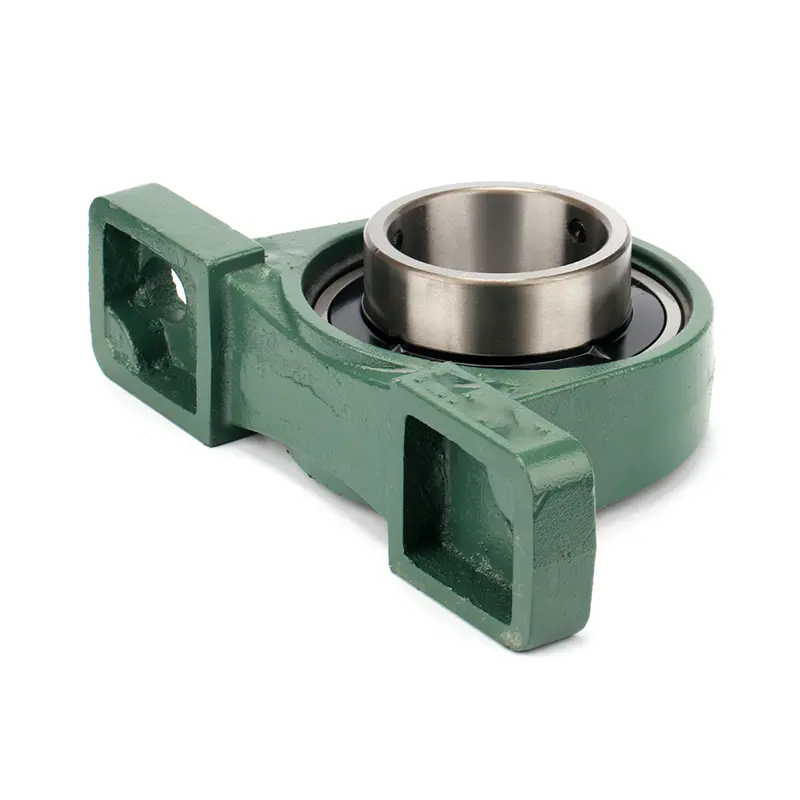
The four most common failures are contamination (sawdust and moisture), overheating from wrong clearance, false brinelling from vibration, and lubrication starvation. Each failure leaves a clear sign. You can prevent all of them with proper bearing selection and a simple weekly inspection routine.
Let me walk you through each failure mode
Contamination failure. This is the number one killer. You open the bearing and see black or brown grease. The rolling elements have small pits. The raceway feels rough. Sometimes you even see actual wood chips inside the bearing.
How to prevent it. Use triple-lip seals like I talked about earlier. Also add a bearing cover or shield if your conveyor design allows it. I have seen customers weld a simple metal cap over the bearing. That keeps falling dust away.
Overheating failure. The bearing gets too hot to touch. The grease turns black and smells burnt. The inner ring might show blue or brown discoloration from heat. This happens when the bearing has too little internal clearance (CN instead of C3) or when you over-grease.
How to prevent it. Always use C3 clearance for sawmill conveyors. For high-speed lines or hot environments (like a kiln dryer area), use C4. Also follow the right greasing schedule. Too much grease causes churning and heat. Too little causes starvation.
False brinelling failure. This one tricks many people. The bearing looks like it has dents on the raceway. But those dents are not from impact. They come from vibration when the machine is not running. The conveyor line vibrates from nearby equipment. The bearing balls bounce in one spot and wear small dents.
How to prevent it. When the conveyor is not running for a long time (like over a weekend or a holiday), rotate the shaft by hand. Just a quarter turn every day. This moves the balls to a new position. You can also use a bearing with a special vibration-resistant grease.
Lubrication starvation failure. This is simple. No grease means no film between the balls and the raceway. Metal touches metal. Then you get heat, noise, and finally seizure. The bearing looks dry inside. Sometimes you see silver metal flakes.
How to prevent it. Set a regular greasing schedule. For a typical sawmill conveyor, grease every 300 hours of operation. Use a lithium-based grease with EP (extreme pressure) additives. And do not mix different greases. That creates a chemical reaction and the grease turns into a hard paste.
Here is a quick checklist I give to my maintenance customers:
| Failure Mode | Visual Sign | Root Cause | Prevention Action |
|---|---|---|---|
| Contamination | Black/brown grease, rough raceway | Poor seals or high dust | Triple-lip seals + metal shield |
| Overheating | Blue inner ring, burnt grease | Wrong clearance (CN) | Use C3 or C4 clearance |
| False brinelling | Dents on raceway at ball spacing | Standstill vibration | Rotate shaft when idle |
| Lubrication starvation | Dry bearing, metal flakes | No greasing | Grease every 300 hours |
| Corrosion | Orange/brown rust on raceway | Moisture ingress | Water-resistant grease + sealed housing |
I also want to add one more tip. Listen to your bearings. A healthy bearing makes a smooth, low sound. A failing bearing makes a grinding or squeaking noise. Train your operators to notice the sound change. That early warning can save you a full line breakdown. [web:222][web:223][web:225][web:230]
4. What Are the Best Lubrication Practices for Extended Bearing Life in Sawmills?
I have seen the same mistake in so many sawmills. The maintenance guy puts too much grease into the bearing. Or he uses the wrong grease. Or he never greases at all. All three are bad. But let me give you the right way.
The best lubrication practice for sawmill bearings is to use a lithium complex EP grease with NLGI grade 2, and apply it every 300 hours or once a week. Use a manual grease gun with a measured shot. For a 208-size bearing, give 5 to 8 grams of grease. Too much is worse than too little.
The right grease and the right amount
Let me break this down so you can give it to your team.
Which grease to use. Not all greases work in a sawmill. You need a grease that handles dust, moisture, and heat. I recommend a lithium complex grease with EP (extreme pressure) additives. The NLGI grade should be 2. That is the standard thickness. It is like soft butter. Grade 1 is too runny. Grade 3 is too hard.
Look for these on the grease label:
- Operating temperature range: -20°C to +140°C
- EP additives (look for the letters EP or a code like "GC-LB")
- Good water resistance (does not wash off easily)
A brand example is Mobilux EP 2 or Shell Gadus S2 V220. But any reputable lithium complex EP 2 works.
How much grease to add. This is where people mess up. They pump grease until it pushes out of the seal. That is wrong. For a typical pillow block bearing (say a UCP208), you only need 5 to 8 grams of grease. That is about two or three pumps from a standard manual grease gun.
Why? Too much grease causes the bearing to churn. The rolling elements have to push through the grease. That creates heat. Heat kills the grease and the bearing. So use less grease but more often.
How often to grease. For a sawmill conveyor that runs 8 hours a day, 5 days a week, grease every 300 hours. That is about once a week. For a line that runs 24/7, grease every 150 hours. For a line in a very dusty area (like a chip conveyor), grease every 100 hours.
What about automatic grease systems? I like them. They are clean and consistent. But they need careful setup. Set the pump to deliver a small shot every 2 to 4 hours. Do not set it to deliver a large shot once a day. Small, frequent shots work better.
Let me share a mistake I made early in my career. I told a customer in Turkey to grease his bearings every month. He had a very dusty line. His bearings failed fast. He called me angry. I learned my lesson. Now I always ask about the dust level and running hours before I recommend a schedule.
Here is a simple grease schedule table you can print and hang in your maintenance room:
| Operating Hours Per Day | Dust Level | Grease Interval | Amount Per Bearing (UCP208) |
|---|---|---|---|
| 8 hours (single shift) | Normal | Every 2 weeks | 5 grams (2 pumps) |
| 8 hours (single shift) | Heavy dust | Every week | 5 grams |
| 16 hours (two shifts) | Normal | Every week | 7 grams (3 pumps) |
| 16 hours (two shifts) | Heavy dust | Every 3 days | 7 grams |
| 24 hours (continuous) | Normal | Every 4 days | 8 grams (4 pumps) |
| 24 hours (continuous) | Heavy dust | Every 2 days | 8 grams |
One last thing. Do not mix greases. If you change to a new brand, clean out the old grease first. Mixing different thickeners, like lithium with calcium, can turn the grease into a hard soap. That will lock up your bearing. I have seen it happen. [web:234][web:236][web:242]
Conclusion
Pick the right housing, triple-lip seals, C3 clearance, and a weekly grease schedule. That is how you make pillow block bearings last in sawmills and wood processing lines.
