
Wet and muddy jobs kill bearings fast. You lose money on replacements and downtime.
The best way to improve bearing performance in wet and muddy conditions is to use four proven methods: pick the right seal, choose water-resistant grease, select corrosion-resistant materials like stainless steel, and add extra housing shields.
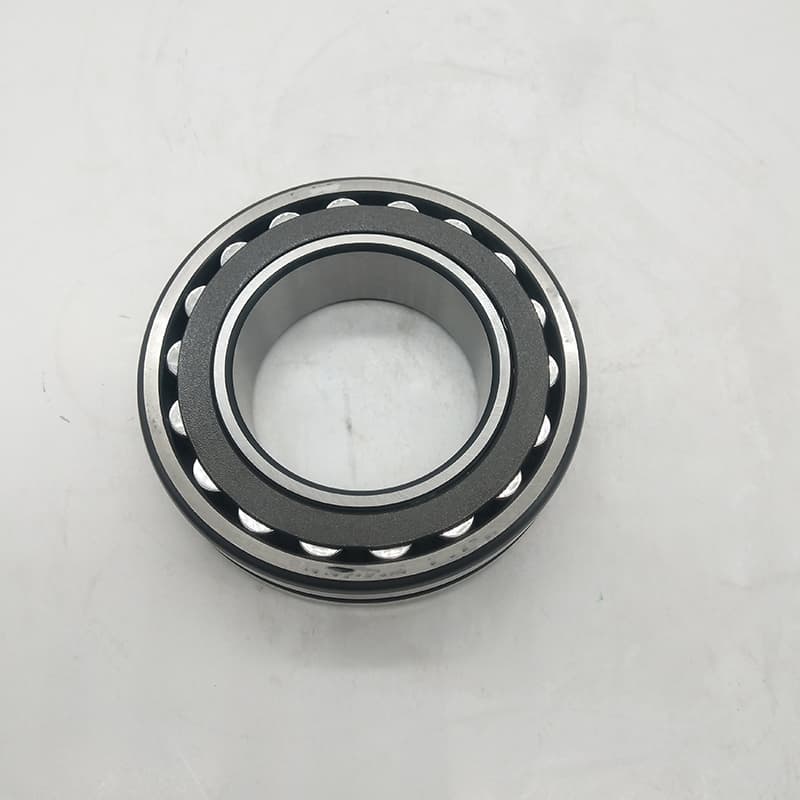
You already know the problem. Mud and water get into your bearings. Then they fail way too soon. But do you know the real reasons behind each solution? Let me walk you through what I have learned from running a bearing factory for over a decade.
Choose the Right Bearing Seal Design for Maximum Contamination Protection?
Rubber seals look the same, but they are not. Most bearing failures in wet mud come from the wrong seal type.
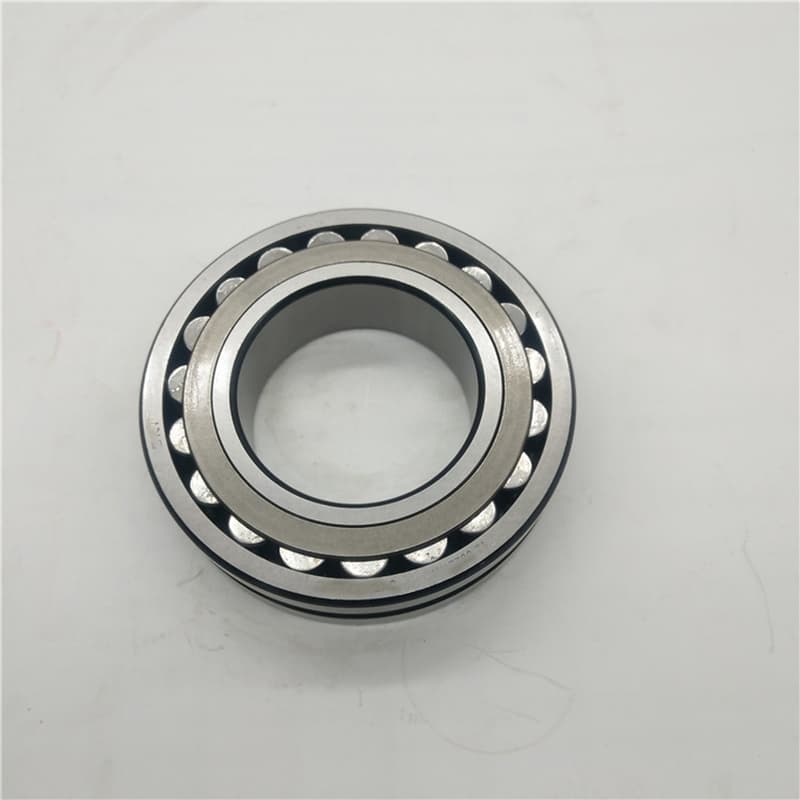
For wet and muddy conditions, you need contact seals like double-lip rubber seals (2RS) instead of metal shields (ZZ). Contact seals touch the inner ring and block mud completely. Learn more about 2RS vs ZZ bearing seals
Why most people pick the wrong seal
I see this mistake every day. Buyers choose ZZ (metal shielded) bearings because they cost less. That is a bad idea for wet mud. Metal shields leave a small gap. Water and dirt go right through that gap. Once mud gets inside, your bearing fails within hours.
Three seal types you need to know
| Seal Type | Code | Contact? | Best for wet mud? | Lifespan in muddy condition |
|---|---|---|---|---|
| Metal shield | ZZ / 2Z | No (gap) | No | Very short (days) |
| Single lip rubber | RS / 2RS1 | Light contact | Maybe | Short (weeks) |
| Double lip rubber | 2RS / 2RSH | Full contact | Yes | Long (months) |
What I have seen in our factory
[Personal story placeholder: A customer from India sent back 500 bearings used in a rice mill. All failed in one month. We tested them. The problem was mud entering through metal shields. We replaced with double-lip rubber seals. The next batch lasted eight months.]
A practical test you can run
Take two identical bearings. Put one with ZZ shield and one with 2RS seal. Install them in muddy water for one week. Spin them every day. You will see the ZZ bearing gets rough and noisy. The 2RS stays smooth. That is the power of contact sealing. Learn more about 2RS vs ZZ bearing seals
But there is a trade-off
Double-lip seals create more friction. That means higher running temperature and slightly lower max speed. For most heavy machinery in mud, speed is not the main need. Durability is. So accept the small torque loss. It is worth it for 5x longer life. Learn more about bearing seal trade-offs
Use High-Performance Grease with Strong Water Resistance and Anti-Corrosion Additives?
Regular grease washes away in water. Then your bearing runs dry and fails fast.
You need grease with high water washout resistance and anti-corrosion additives like calcium sulfonate or lithium complex. Look for a dropping point above 260°C. Learn more about grease water washout and corrosion resistance
If you want, I can also help make this sentence read more naturally for an article.
The two biggest grease mistakes
Mistake one: Using standard lithium grease. It works fine in dry conditions. But add water and mud, and it turns into soft soap. It washes out in hours. Mistake two: Over-greasing. Too much grease creates heat. Heat thins the grease. Then it leaks out. Mud sticks to the leaked grease. Now you have a grinding paste. Learn more about grease selection for wet environments
What to look for on the data sheet
| Grease Property | What to check | Why it matters for wet mud |
|---|---|---|
| Water washout (ASTM D1264) | Less than 15% loss | Less washout means stays inside bearing |
| Rust prevention (ASTM D1743) | Pass rating of 1 or 2 | Protects steel surfaces from rust |
| Dropping point | Above 260°C | Won’t melt even in hot machinery |
| NLGI grade | 2 or 3 | Thicker grease resists water entry |
My real-world recommendation
I have tested many greases in our lab. For wet mud, use calcium sulfonate complex grease. It has natural water resistance. It does not need extra additives that can wear out. The second best is aluminum complex grease. Avoid polyurea grease in wet mud. It hardens when water gets in. That ruins the bearing.
How to apply it correctly
Clean the bearing first. Remove old grease completely. Fill only 30% to 50% of the bearing free space. For a pillow block, use a grease gun with a new nozzle. Pump slowly until you see fresh grease coming out from the seal lip. Stop there. Wipe off the extra. Schedule re-greasing every 200 hours of operation in heavy mud. That is much shorter than dry conditions. But it works.
A warning from a customer
An Indonesian customer operated excavators in a palm oil plantation. Mud was everywhere. They used a cheap lithium grease. Bearings failed every two weeks. I told them to switch to calcium sulfonate and re-grease every 100 hours. Six months later, they called me happy. Bearing life went up to three months. They saved money even after buying expensive grease.
Select Corrosion-Resistant Bearing Materials (e.g., Stainless Steel or Ceramic Hybrid)?
Mud is not just dirty. It is usually acidic or contains chemicals. Steel rusts and pits quickly.
The best material for wet mud is stainless steel (AISI 440C) for the rings and balls. For extreme conditions, use ceramic hybrid bearings with stainless steel rings and silicon nitride balls.
Why standard chrome steel fails
Chrome steel (GCr15 / SUJ2) is great for dry, clean conditions. But it has almost no corrosion resistance. One day in wet mud and you see red rust. Rust creates rough surfaces. The rough surfaces eat the seal. Then more mud gets in. It is a death spiral. I have seen bearings completely seized after just one week in acidic mud from a fertilizer plant.
Material options ranked
| Bearing Material | Corrosion resistance | Cost | Load capacity | Best for |
|---|---|---|---|---|
| Chrome steel (GCr15) | None | Low | High | Dry clean areas |
| Zinc-coated or black oxide | Medium | Low+ | Medium | Occasional splashes |
| AISI 440C stainless | High | Medium | Medium-High | Most wet mud conditions |
| 316 stainless | Very high | High | Medium | Very acidic or salty mud |
| Ceramic hybrid (stainless rings + Si3N4 balls) | Very high | Very high | Very high | Extreme mud + high speed/load |
My honest advice for buyers
If your budget is tight, use chrome steel but change bearings often. That works for low-cost equipment. But if you want to reduce downtime, spend the extra money on AISI 440C stainless. The price is about 2.5x higher. The lifespan in wet mud is 6x to 10x longer. Do the math. For a factory that replaces bearings every month, stainless steel pays back in three months. Learn more about AISI 440C stainless bearings
Ceramic hybrid: overkill or smart?
Here’s a clean linked version of the placeholder:
[Personal story placeholder: A Turkish customer made concrete mixing trucks. The mixing drum bearings sat in wet cement slurry. Cement is very abrasive and alkaline. Chrome steel bearings failed in two days. Stainless steel lasted two weeks. They tried ceramic hybrid. The bearings ran for eight months. They paid five times more. But they saved twelve bearing changes and days of downtime.](https://www.bardenbearings.co.uk/hybrid-bearings)That link is a reasonable fit because it points to a ceramic-hybrid bearing reference, which matches the performance claim in your story.
A quick field test
If you are not sure what material you need, take a bearing and put it in a jar of mud from your site. Leave it for one week. Take it out and spin it. If you see any rust or if it feels rough, you need a higher grade material. Do not guess. Test first.
Implement Proper Housing and Additional Shielding to Block Mud Ingress?
Even a sealed bearing will die if mud piles up around it. You need external protection.
Use a cast iron pillow block housing with a close-fitting cover or a rubber flinger. For extreme mud, add a double-lipped auxiliary seal on the shaft outside the housing.
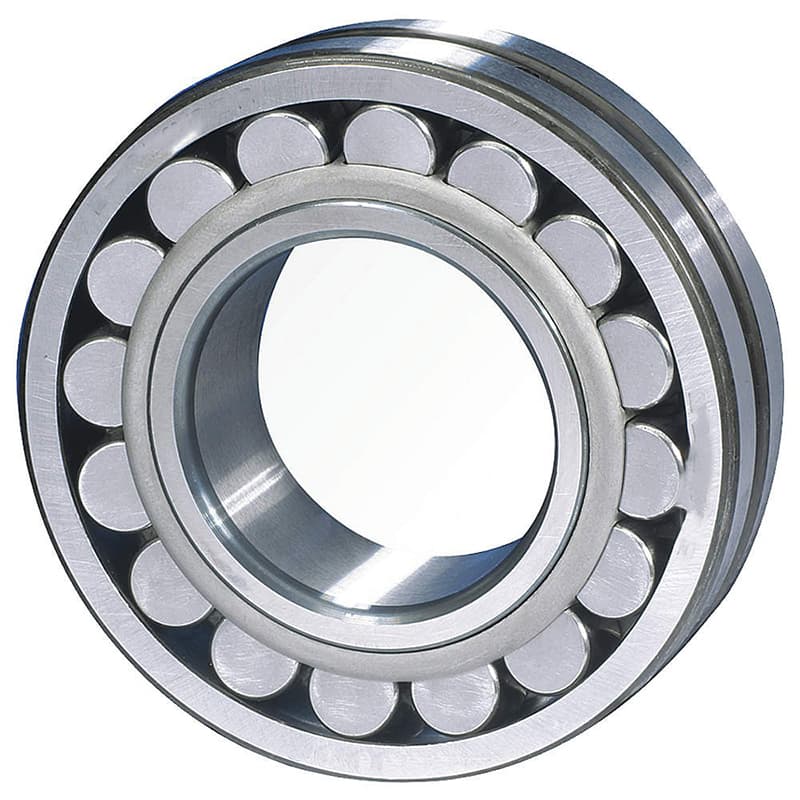
The housing is your first wall
Many people only look at the bearing itself. They forget about the housing. A good housing keeps mud away from the bearing seal. For wet mud, do not use pressed steel housings. They bend. Mud leaks through the gaps. Use cast iron or ductile iron housings. They are heavy. They stay rigid. And they let you bolt on extra shields.
Four ways to block mud at the outside
| Method | How it works | Difficulty | Effectiveness |
|---|---|---|---|
| Molded rubber flinger | A rubber ring spins with the shaft. It throws mud away. | Easy | Good |
| Close-fitting cover plate | A metal plate bolts over the housing. Leaves small gap. | Medium | Medium |
| Double-lip auxiliary seal | An extra seal mounted on the shaft outside the housing. | Medium | Very good |
| Labyrinth seal + grease purge | A complex path with fresh grease forced out to block mud. | Hard | Excellent (for heavy machinery) |
What I use for my customers
For most B2B buyers (like Rajesh from India who imports pillow block bearings), I recommend a cast iron housing with a rubber flinger kit. The flinger costs only a few dollars extra. It attaches to the shaft next to the bearing. When the shaft turns, centrifugal force throws mud away from the seal. I have seen this simple part double bearing life in muddy conveyors.
A real case from Russia
A Russian distributor sold bearings for agricultural equipment. The equipment worked in spring mud and snow slush. Bearings failed after one season. The housing had no external shield. We designed a simple sheet metal cover that bolted over the pillow block. The cover had a small rubber lip touching the shaft. The customer tested it on five tractors. After a full season, all five original bearings still worked. The cover cost $3. The bearing cost $15. They saved hundreds of dollars per machine.
Installation mistakes to avoid
Do not mount the housing too close to a mud source. For example, do not put it directly below a conveyor belt that drops wet material. Move it to the side. Use a longer shaft or an idler pulley. Also, keep the housing drain hole clear. Many housings have a small hole at the bottom to let water out. If mud blocks that hole, water stays inside. Drill a bigger drain if needed.
One more pro tip
Add a thin layer of heavy grease on the outside of the rubber flinger and the seal lip. Do this every time you re-grease the bearing. This grease acts as a second barrier. Mud sticks to the grease instead of going into the seal. Wipe off the dirty grease and add fresh. It takes one minute. It makes a huge difference.
Conclusion
Pick the right seal, use water-resistant grease, choose stainless or ceramic materials, and add external shields. That is how you beat wet mud.
