
You hear a grinding noise from a truck wheel. Your driver is stuck on the highway.
Trusted tapered roller bearings are the backbone of automotive safety and performance. They handle heavy wheel loads and cornering forces. They also last for thousands of miles. A cheap bearing puts lives at risk. That is why you only buy from a factory you trust.
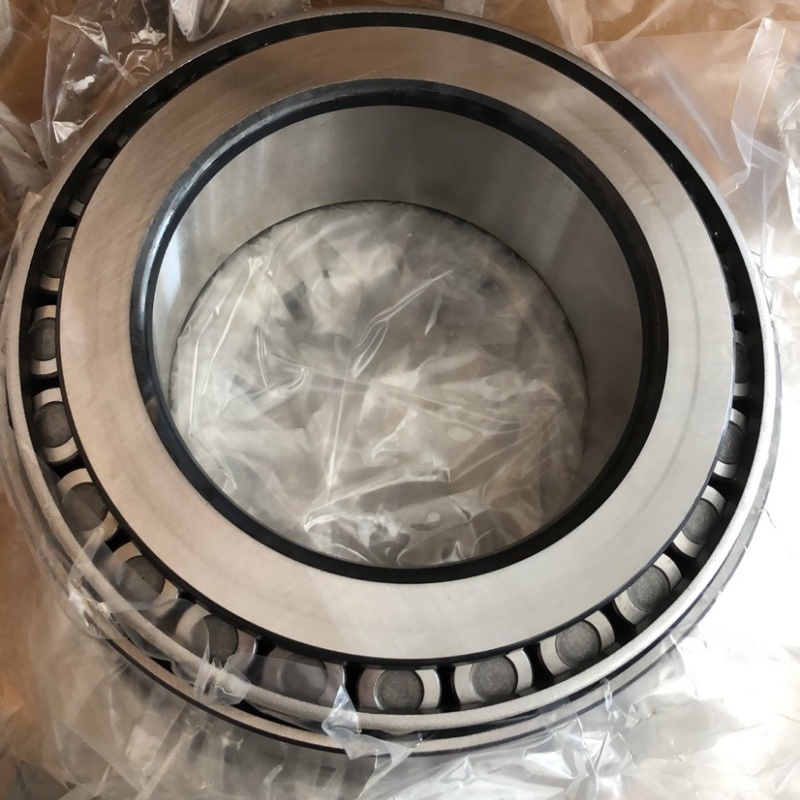
I run a bearing factory in China. I sell to importers like Rajesh in India. He stocks bearings for local repair shops. He knows that a failed wheel bearing can destroy a customer’s whole day. So he only buys trusted brands. Let me show you why automotive applications need real quality.
Why Automotive Wheel Hubs Depend on Trusted Tapered Roller Bearings?
A wheel hub takes a beating every single mile.
A wheel hub sees the full weight of the vehicle plus the sideways force from every turn. Tapered roller bearings1 are made for these two forces. They keep the wheel spinning true. They also stop the wheel from wobbling. A trusted bearing does this for 100,000 miles or more.

What Actually Happens Inside a Wheel Hub
I have been inside many workshops. I have seen worn out bearings that look like they were chewed by a dog. Let me explain the real job of a wheel hub bearing. Then you will understand why trust is so important.
Three Loads That Attack a Wheel Hub
A wheel hub does not just spin. It fights three enemies every second. Here they are in simple terms:
| Load Type | Where It Comes From | Effect on Bearing |
|---|---|---|
| Radial load2 | Vehicle weight | Pushes down on the rollers |
| Axial load3 | Cornering | Pushes sideways on the bearing |
| Moment load | Potholes and bumps | Tilts the inner ring |
A cheap bearing tries to handle these three loads with poor steel and loose tolerances. It fails fast. A trusted bearing uses high-cleanliness steel and precision grinding. It survives.
Why Tapered Over Ball Bearings for Heavy Vehicles?
Some small cars use ball bearings in the front wheels. That works for light cars. But for trucks, SUVs, and commercial vans, ball bearings fail. The point contact of a ball bearing dents under heavy loads. Then the bearing makes a growling noise. Then it locks up. I remember a customer from Russia. He imported ball bearings for delivery vans. The vans carry 1 ton of cargo. The bearings failed at 20,000 km. He switched to our FYTZ tapered bearings. Now he gets 100,000 km.
The Pairing Rule for Wheel Hubs
A single tapered bearing can only take axial load in one direction. But a wheel hub sees side forces from both left and right turns. So you need two bearings. One handles the left push. The other handles the right push. We call this a "back to back" set. Many cheap suppliers sell single bearings for wheel hubs. That is wrong and dangerous. Always buy a matched pair4.
I ship many matched pairs to Indonesia and Egypt. The local distributors know they need two per wheel. They also know that a trusted bearing comes with a matched height code. That code tells them the exact distance between the two bearings. Without that code, the wheel might be too loose or too tight.
What Other Critical Automotive Systems Use Tapered Bearings Every Day?
Wheel hubs get all the attention. But other parts need tapered bearings too.
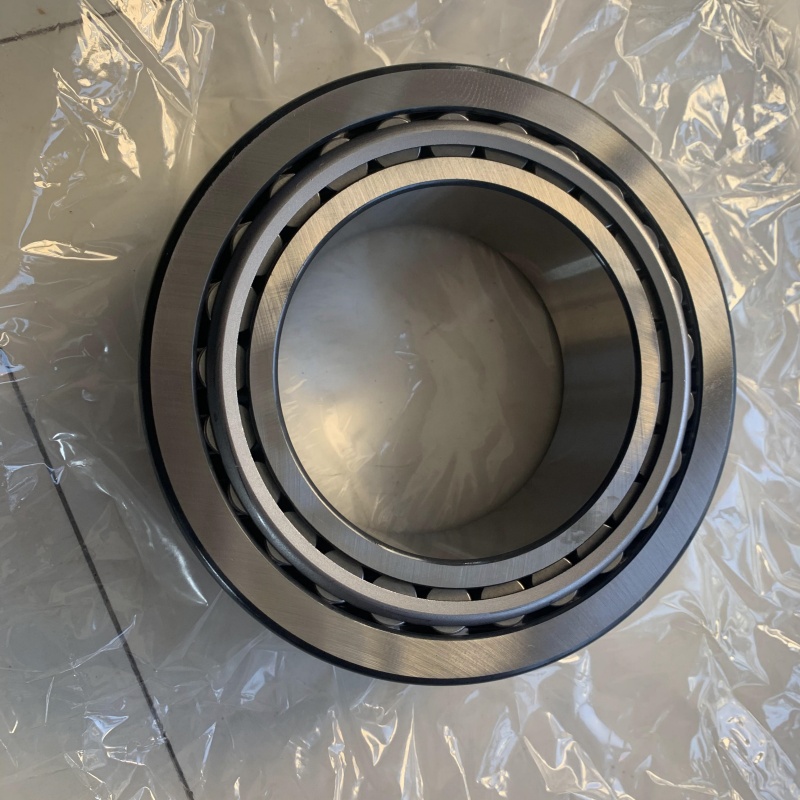
Tapered bearings1 also live inside the transmission, the differential, the pinion shaft, and the steering column. These parts face high speeds and sudden shocks. A failure there can destroy the whole gearbox or leave you without steering. Trusted bearings keep everything moving smoothly.
Hidden Places Where Tapered Bearings Work Hard
I have sold bearings to auto parts dealers in Brazil and Turkey. They always ask for wheel bearings. But then they forget about the other spots. That is a mistake. Let me walk you through the hidden locations.
1. The Transmission2 (Gearbox)
Inside a manual or automatic transmission, shafts spin at engine speed. Gears slide and push against each other. The bearings on the main shaft and countershaft take both radial and axial loads. If a transmission bearing fails, the gears misalign. Then you hear a whining noise. Then the gearbox locks. A trusted tapered bearing has tight internal clearance. That keeps the gears meshing correctly. We make P5 precision bearings for transmission applications. That means less than 5 microns of runout.
2. The Differential3
The differential is the box between your rear wheels. It sends power to both wheels while letting them spin at different speeds. Inside, the pinion shaft has two tapered bearings. The carrier also has tapered bearings on each side. These bearings take huge shock loads when you accelerate or go over bumps. I remember a customer from South Africa. He bought cheap differential bearings for a fleet of delivery trucks. The pinion bearings failed after 6 months. He lost four gearboxes. The repair cost was ten times the bearing price. He now buys from me.
3. The Steering Column4
This one surprises many people. The steering column has bearings at the top and bottom. They let the steering wheel spin while holding the column straight. These bearings do not see heavy loads. But they must be very smooth and quiet. A rough bearing makes the steering feel notchy. That is annoying and unsafe. We use low-noise grease and superfinished raceways for steering bearings.
4. The Wheel Hub5 on Trailers
Trailers have wheels too. But many buyers ignore trailer bearings. A trailer might sit for months. Then it goes on a long trip. The bearings get hot. The grease dries out. A trusted bearing has proper seals and high-temperature grease. My customers in Vietnam ship bearings for truck trailers. They know that a trailer bearing failure on a highway is a disaster.
Here is a quick table of automotive systems and their bearing requirements:
| System | Typical Load | Speed | Precision Needed |
|---|---|---|---|
| Wheel hub | Heavy combined | Low-medium | P6 |
| Transmission | Medium combined | High | P5 |
| Differential pinion | Heavy shock | Medium | P6 |
| Differential carrier | Heavy radial | Low | P6 |
| Steering column | Light | Low | P0 or P6 |
So when you buy trusted tapered bearings, think about all five spots. Do not stop at the wheels.
What Separates a Trusted Tapered Bearing from a Cheap Knockoff?
You see two bearings that look the same. The price is very different.
The difference is in the steel quality, the heat treatment, the grinding finish, and the inspection process. A cheap knockoff1 uses recycled steel. It skips the final superfinishing step2. It also does no real testing. A trusted bearing3 from a factory like FYTZ has a clean microstructure4, smooth surfaces, and a full inspection report.
Four Things You Can Check Without Expensive Tools
I talk to procurement managers like Rajesh. He does not have a lab. But he still needs to spot fakes. Let me give you four simple checks. Anyone can do these.
1. Look at the Markings
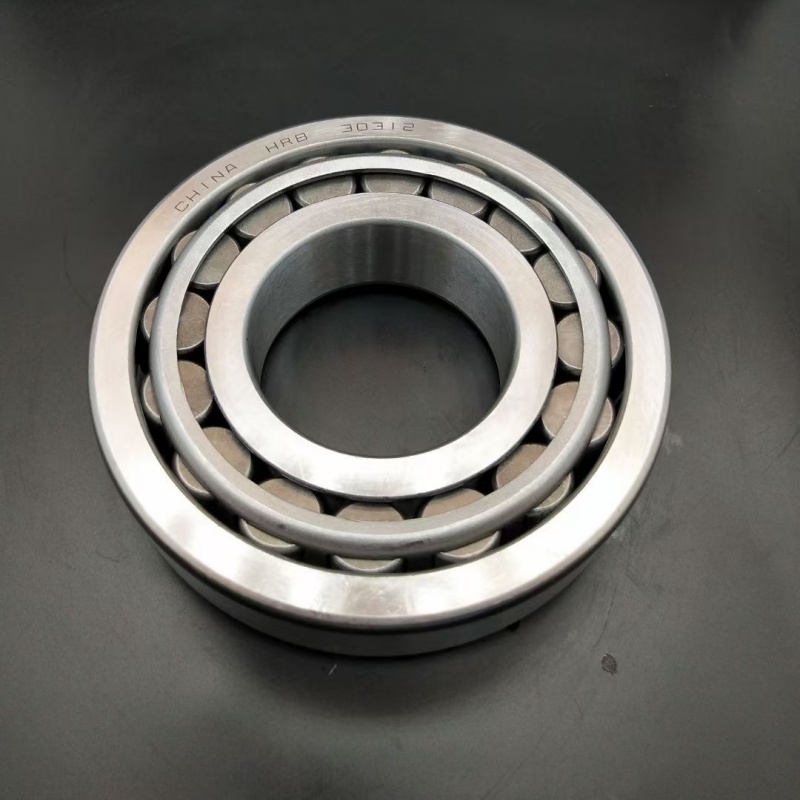
A trusted bearing has deep, clear laser engraving. The brand name, part number, and country are easy to read. A cheap knockoff often has shallow or blurry marks. Sometimes they even grind off an old marking and print a new one. Look for uneven surfaces around the marking. That is a bad sign.
2. Feel the Raceway
Take the bearing out of the box. Run your fingernail across the inner ring raceway. A quality bearing feels glass-smooth. There is no waviness. A cheap bearing feels rough or shows tiny lines. Those lines come from a worn grinding wheel. They will cause noise and early wear. At FYTZ, we use a superfinishing step. That gives a mirror finish.
3. Check the Rollers
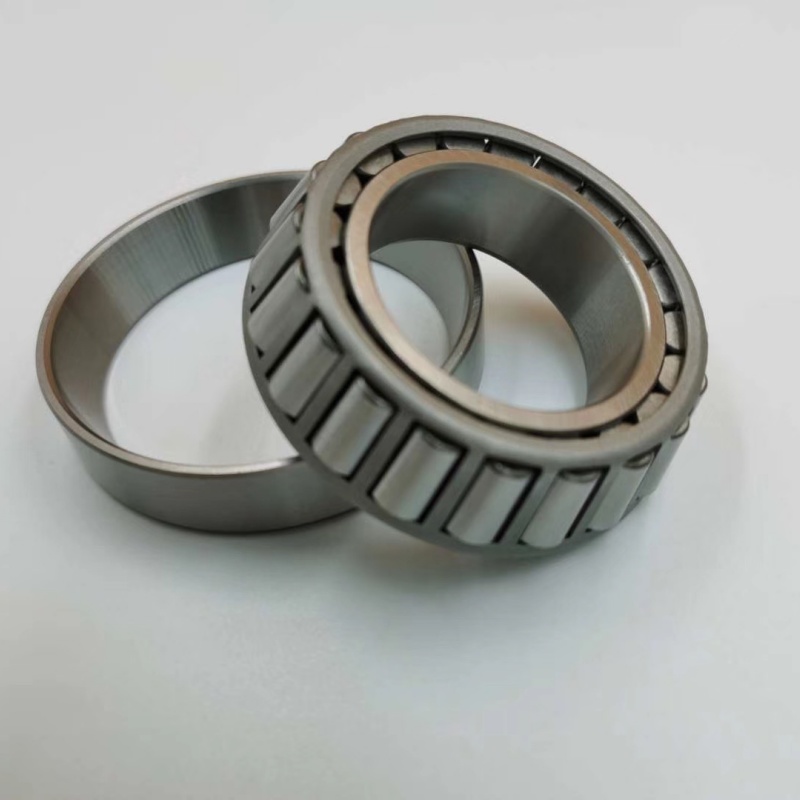
Roll each roller with your finger. They should spin freely but without wobble. Look at the large end of the roller. The end that touches the rib should be smooth and slightly rounded. Cheap bearings often have flat or rough ends. That creates high friction and heat.
4. Listen to the Bearing
Hold the bearing in one hand. Spin the inner ring with your other hand. Listen carefully. A quality bearing makes a quiet, smooth sound. A cheap bearing might click or grind. Also, spin it slowly. Feel for any catching. That catching means a dent or a bad roller.
5. Ask for a Certificate of Analysis5
This is the most important step. A real factory can send you a test report. The report shows the actual bore size, outer diameter, width, and running accuracy6. It also shows the material certificate. If a supplier says "no" or "we don’t have that", walk away. I send a free inspection report with every sample order. My customers trust me because I show them the numbers.
Here is a table of what a cheap bearing skips versus what a trusted bearing includes:
| Feature | Cheap Knockoff | Trusted Bearing (FYTZ) |
|---|---|---|
| Steel source | Recycled scrap | Virgin bearing steel (GCr15) |
| Heat treatment | Unknown cycle | Controlled atmosphere furnace |
| Grinding | One pass | Multiple passes + superfinish |
| Inspection | Visual only | 100% gauging + random lab tests |
| Certificate | None or fake | Real numbers from each batch |
I had a customer from Egypt. He showed me two bearings that looked identical. One was from a famous global brand. The other was a fake. The fake had the same box and same markings. But when I weighed them, the fake was 8 grams lighter. The fake also had a rough raceway. His truck wheel failed after 3,000 km. The real one still runs. You get what you pay for.
How to Spot Early Warning Signs of Failing Automotive Tapered Bearings?
Catching a bad bearing early saves a wheel hub or a gearbox.
The early signs are simple: a growling noise that changes with speed, a loose wheel that wobbles when you shake it, uneven tire wear, or a ABS light that comes on for no reason. Any of these signs means check the bearing now. Do not wait until the wheel falls off.
Five Warning Signs You Can Hear and Feel
I have driven many cars and trucks. I have also talked to hundreds of repair shop owners. They all agree on these five signs. Let me share them with you.
1. The Growling or Rumbling Noise1
This is the most common sign. You hear a low-pitched growl that gets louder as you go faster. The noise changes when you turn the steering wheel. Turn left, the noise gets louder on the right side. That means the right bearing is bad. Turn right, the noise gets louder on the left. That means the left bearing is bad. A trusted bearing should never make this noise for at least 100,000 km.
2. Loose Wheel When You Shake It2
Jack up the wheel. Grab the tire at the top and bottom. Push and pull. If you feel any clunk or movement, the bearing is loose. Also grab at left and right and push. Movement there also means bearing wear. A new tapered bearing has almost no play. A bad bearing has 2-3 mm of movement.
3. Uneven or Cupped Tire Wear3
Look at your tires. If the inside edge is worn more than the outside, or if the tire surface looks scalloped, the bearing might be bad. A loose bearing lets the wheel tilt. That tilting makes the tire drag on the road. It eats the tire unevenly. I see this a lot on delivery vans in India. The driver thinks he needs new tires. But the real problem is a bad bearing.
4. The ABS Warning Light4
Many modern cars have the ABS sensor built into the wheel hub. A worn bearing creates extra space. That space moves the sensor ring. The computer sees a bad signal and turns on the ABS light. Sometimes the light comes and goes. Do not ignore it. Check the bearing first.
5. Steering Wheel Vibration5
A bad bearing in the front wheel makes the steering wheel shake. The vibration often starts at a certain speed, like 70 km/h. Then it goes away at higher speeds. This vibration is different from a wheel balance problem. Wheel balance shakes at all speeds. Bearing vibration comes and goes with speed.
Here is a quick reference table for troubleshooting:
| Symptom | Most Likely Cause | Urgency |
|---|---|---|
| Growling noise, changes with turn | Worn wheel bearing | High – replace soon |
| Clunk when shaking wheel | Loose bearing or nut | Very high – replace now |
| Cupped tire wear | Bad bearing or alignment | Medium – check bearing |
| Intermittent ABS light | Worn hub bearing | Medium – inspect |
| Vibration at specific speed | Bearing or wheel balance | Low – check both |
I always tell my customers: do a bearing check every oil change6. Just lift each wheel and shake it. That takes two minutes. It can save you a broken axle or a crash.
Conclusion
Trusted tapered roller bearings keep your vehicles safe on the road. Always buy from a verified factory and watch for early warning signs.
-
Understanding the causes of this noise can help you diagnose bearing issues early and prevent costly repairs. ↩ ↩ ↩ ↩
-
Learn the proper techniques to check for wheel bearing looseness, ensuring your vehicle’s safety. ↩ ↩ ↩ ↩
-
Discover how tire wear patterns can signal bearing problems, helping you maintain your vehicle’s performance. ↩ ↩ ↩ ↩
-
Explore the significance of the ABS light and its connection to wheel bearings to avoid potential safety issues. ↩ ↩ ↩ ↩
-
Find out how to identify the source of steering wheel vibrations, which could be linked to bearing issues. ↩ ↩ ↩
-
Learn why regular bearing checks can save you from major repairs and enhance vehicle longevity. ↩ ↩