
Your machines keep breaking down in dust, heat, or heavy shocks. I hear this every week from frustrated buyers.
Ultra-durable tapered roller bearings use special steel, advanced seals, high-temp resistance, and heavy-duty cages. These four features let them survive in mines, kilns, and deserts where normal bearings fail fast.

I run a bearing factory in China. My team makes these tough bearings every day. I have seen them work in Russian steel mills, Indian quarries, and Egyptian desert trucks. Let me walk you through the four key features. You will learn why extreme jobs need extreme bearings.
Special Steel and Heat Treatment: The Foundation of Ultra Durability?
Do you know why most bearings crack after a few months in a crusher or a mill? It is because the steel is too soft on the surface. Hardness alone does not save you.
Ultra-durable bearings start with premium bearing steel1 (like GCr15 or SUJ2). Then we use a special heat treatment called case hardening2. This makes the outer layer very hard (60-64 HRC) while the core stays tough (30-40 HRC). The hard surface resists wear. The tough core stops cracks from spreading.
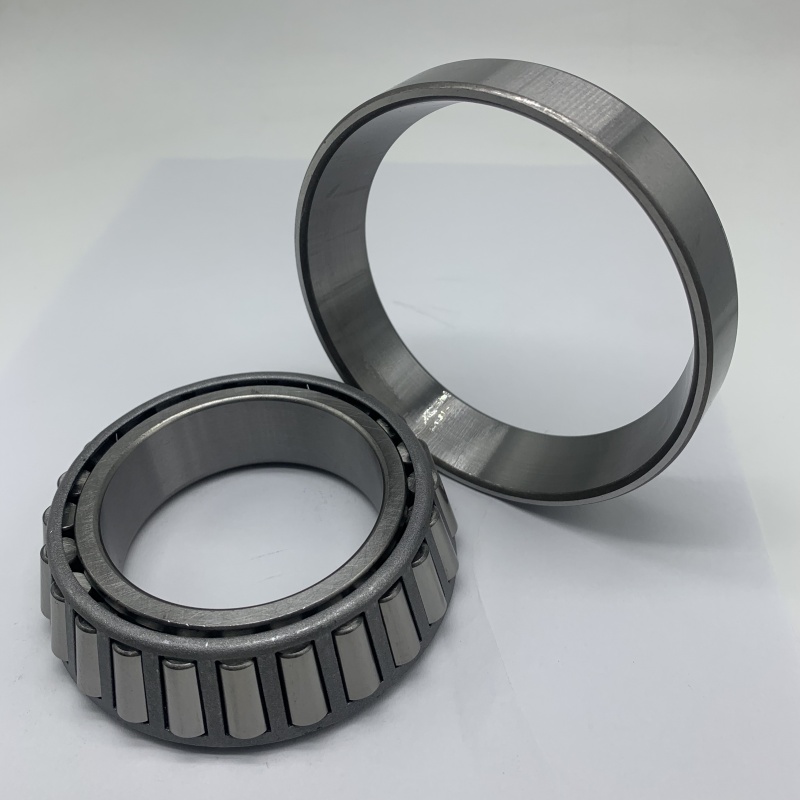
What is case hardening and why does it beat through hardening3?
Let me explain with a simple comparison. Through hardening makes the whole bearing hard from surface to center. That sounds good, but it has a problem. A hard material is also brittle. When a shock hits, a through-hardened bearing can crack all the way through.
Case hardening only hardens the top 1 to 2 mm. The inside stays softer and more flexible. So when a shock comes, the tough core absorbs the energy. The hard surface stops any indentation. This is the same idea behind a samurai sword: hard edge, soft spine.
| Property | Through Hardened | Case Hardened |
|---|---|---|
| Surface hardness | 60-62 HRC | 60-64 HRC |
| Core hardness | Same as surface | 30-40 HRC |
| Shock resistance | Low | High |
| Risk of cracking | High | Low |
| Best for | Clean, steady loads | Shocks, dirt, impacts |
What heat treatment steps create ultra durability?
I will tell you what we do at my factory. First, we carburize the steel. That means we add carbon to the surface at 900°C for many hours. The carbon soaks in. Then we quench the bearing in oil. This locks the carbon in place. Finally, we temper the bearing at a lower temperature. This removes internal stress.
The result is a bearing that can handle three things at once: heavy loads, sudden shocks, and abrasive dust. I remember a customer from South Africa. He runs a chrome mine. His old bearings (through hardened) lasted two weeks. He switched to our case hardened tapered rollers. They now last six months. He buys from me every quarter.
Does every supplier use the same steel?
No. That is a big difference. Cheap bearings use low-grade steel with more impurities. The impurities become weak points. Under extreme conditions, cracks start at those points. At FYTZ, we only use certified bearing steel from top mills. We also test every batch for hardness depth and uniformity.
So if you need bearings for extreme jobs, ask your supplier about case hardening. If they do not know what that means, find another supplier.
Advanced Sealing Systems That Keep Contaminants Out?
Have you ever opened a bearing and found black grease mixed with sand or water? That bearing is already dead. It just does not know it yet.
Advanced sealing systems stop dirt, water, and dust before they enter the bearing. Ultra-durable tapered roller bearings use multi-lip seals1, labyrinth seal2s, or even cassette seals. These seals keep the grease clean and the bearing safe.
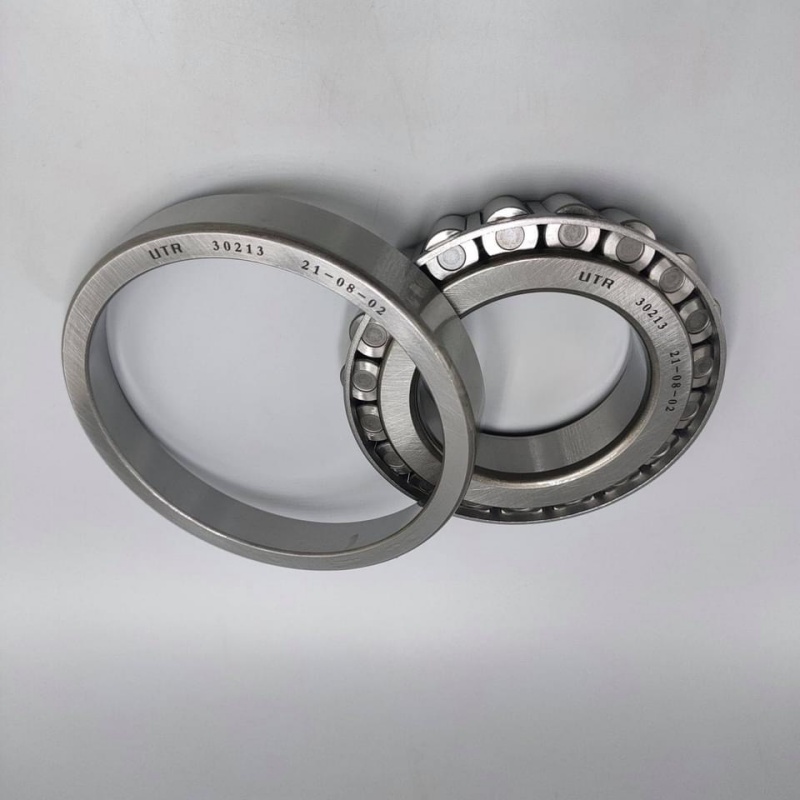
What types of seals work best for extreme conditions?
Let me list the three main seal designs we use at my factory. Each one fits a different job.
First is the single lip seal. This is a rubber ring that touches the inner ring. It works fine for clean, dry places. But it fails fast in dust or water.
Second is the multi-lip seal. This has two or three rubber lips stacked together. Each lip scrapes off dirt. Between the lips, we put grease. That grease acts like a second barrier. Multi-lip seals are good for most mining and construction jobs.
Third is the labyrinth seal2. This seal does not touch the inner ring. Instead, it has a maze-like path. Dirt and water have to go through several turns to get inside. Most of them get stuck in the turns. Labyrinth seals are best for very dirty places like cement plants or sand quarries.
| Seal Type | Contact? | Protection Level | Best Application |
|---|---|---|---|
| Single lip | Yes | Basic | Clean indoor machines |
| Multi-lip | Yes | High | Mining, farming, trucks |
| Labyrinth | No | Very high | Cement, sand, stone crushers |
| Cassette (sealed unit) | Mixed | Maximum | Automotive hubs, wet areas |
How do seals fail in extreme heat or cold3?
Seals are made of rubber. Rubber changes with temperature. In extreme heat (over 100°C), normal rubber gets soft and melts. In extreme cold (below -30°C), rubber gets hard and cracks. So you need special materials.
For high heat, we use Viton or silicone rubber4. These can handle up to 200°C. For low cold, we use nitrile rubber with special plasticizers. It stays flexible down to -40°C. I always ask my customers about their operating temperature. Then I recommend the right seal material.
Can you add seals to any tapered roller bearing?
Not exactly. Open bearings have no seals. You can add external seals in your machine housing. But the best solution is a sealed bearing unit. At my factory, we make sealed tapered roller bearings5 for automotive and agricultural use. The seals are built into the bearing itself. You just install the bearing. No extra work.
I had a customer from Vietnam. He makes conveyor rollers for fish farms. The rollers work in wet, salty conditions. Open bearings failed in one month. Sealed bearings from us lasted over a year. The seals kept the salt water out. That simple change saved him a lot of money.
So if your extreme application has dirt or water, do not skip the seals. They are cheap insurance.
High-Temperature Resistance for Kilns, Ovens, and Desert Operations?
Does your bearing grease turn into black smoke when things get hot? That is a clear sign of failure. But the grease is not the only problem.
High-temperature resistance means three things: the steel stays hard, the seals stay flexible, and the grease stays thick. Ultra-durable tapered roller bearings use special heat-stabilized steel1, high-temp seals (Viton), and synthetic grease2 that works up to 200°C.
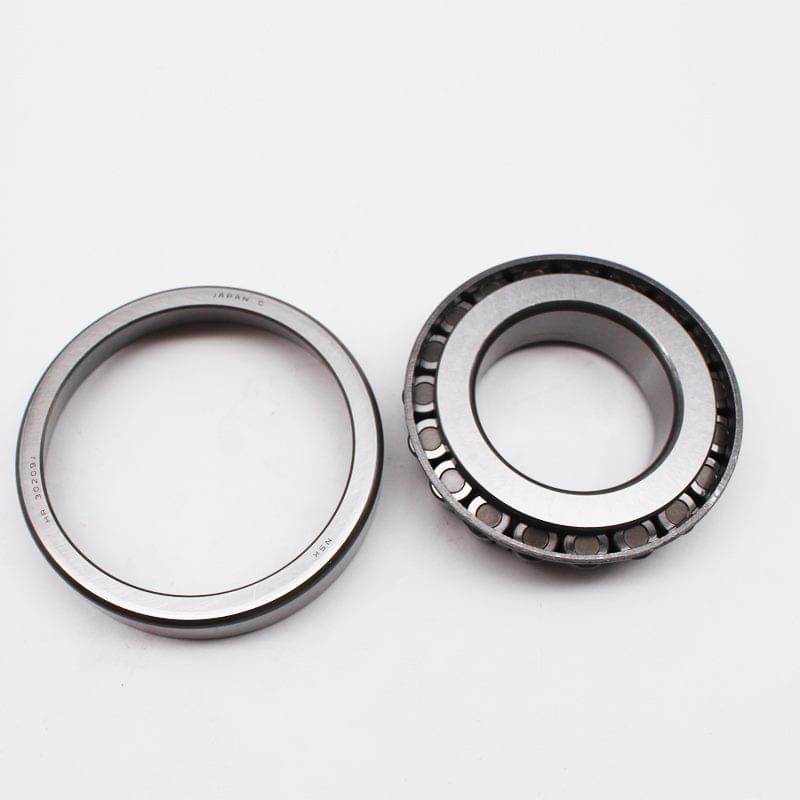
What happens to normal bearings above 120°C?
I will give you the short answer. They die. Here is the long answer. Normal bearing steel starts to lose hardness above 120°C. The hardness drops from 60 HRC to 55 HRC. That makes the surface softer. Soft surfaces wear fast. Then the clearance changes. Steel expands when it gets hot. If the bearing had normal clearance, it becomes too tight at high temperature. The rolling elements get squeezed. Friction goes up. Heat goes up more. Then the grease breaks down. It turns into carbon dust. That dust acts like sandpaper. The bearing fails in hours.
How do ultra-durable bearings survive the heat?
We change three things. First, we use heat-stabilized steel. This steel goes through a special tempering process at 180°C or even 220°C. The hardness stays stable up to those temperatures. For very hot jobs (like kiln cars), we use high-temperature tool steel.
Second, we increase the internal clearance3. Normal bearings have CN (normal) clearance. For heat, we use C3 or C4 clearance. That means more empty space inside. When the steel expands, the bearing still has room to move. No squeezing.
Third, we use synthetic grease with a high dropping point. Normal grease melts at 120°C. Good synthetic grease stays solid up to 200°C or more. We also add solid lubricants like molybdenum disulfide. That helps if the grease dries out.
| Temperature Range | Steel Type | Clearance Grade | Grease Type |
|---|---|---|---|
| Up to 120°C | Standard bearing steel | CN | Lithium grease |
| 120-160°C | Heat stabilized (180°C temper) | C3 | Synthetic (PAO) |
| 160-200°C | Heat stabilized (220°C temper) | C4 | High-temp synthetic |
| Above 200°C | Special tool steel | C4 + special design | Solid lubricant only |
What about desert heat and cold nights?
Deserts have a different problem. Daytime heat can hit 50°C. Nighttime can drop to 0°C. That is a 50-degree swing. The bearing expands and contracts every day. Normal seals lose their fit. Normal grease gets too thick at night and too thin in the day.
For desert operations, we recommend a multi-lip seal4 with a steel reinforcement. The steel keeps the seal shape. We also use a wide-temperature grease (like -40°C to 180°C). And we set the clearance to C3. That covers both the hot expansion and the cold contraction.
I have a client in Egypt. He runs a fleet of trucks in the Sahara. He used to replace wheel bearings every three months. Now he uses our high-temp tapered rollers5 with C4 clearance and Viton seals. The bearings last over a year. He sends me a photo of every happy driver.
So if your machines work near ovens, kilns, or deserts, do not use standard bearings. They will let you down fast.
Heavy-Duty Cage Designs That Prevent Roller Skidding Under Shock?
Have you seen a bearing where the rollers are no longer evenly spaced? That is called skidding. It happens when a sudden shock makes the rollers slide instead of roll.
Heavy-duty cages keep the rollers in their correct positions. Even under violent shocks, the cage holds each roller. Ultra-durable tapered roller bearings use machined brass cages1, pin-type cages2, or one-piece steel cages. These cages are much stronger than pressed steel.
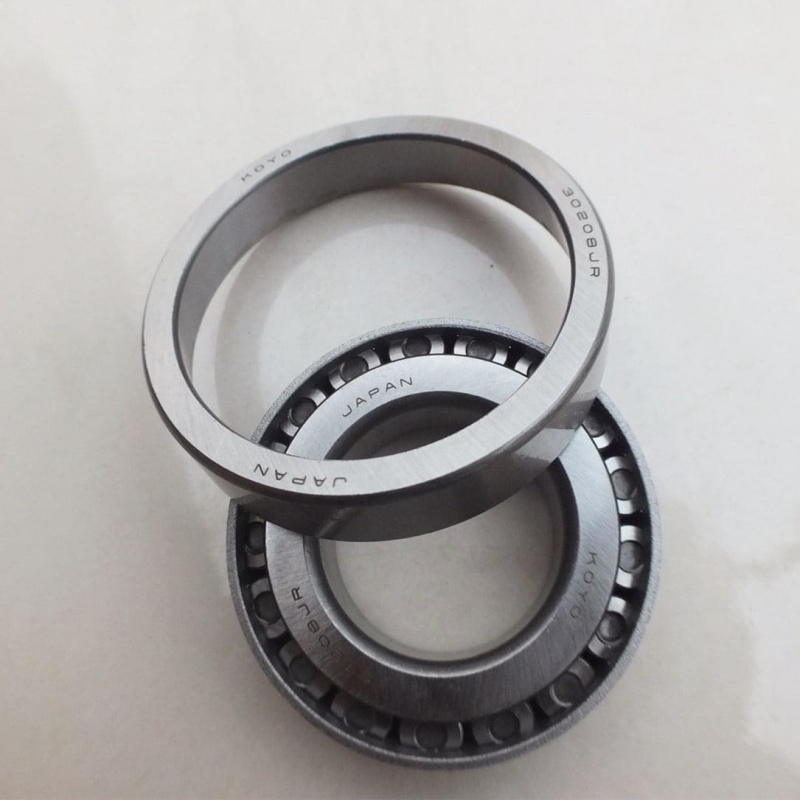
What is skidding and why does it destroy bearings?
Let me explain with a simple picture. In a normal bearing, the rollers roll between the inner and outer rings. Rolling has very low friction. But when a sudden shock or a very fast acceleration happens, the rollers can lose contact with the raceway for a split second. Then they slide. Sliding has high friction. That friction creates heat and wear. The sliding roller scratches the raceway. Once the scratch starts, it grows. Soon the whole bearing fails.
Skidding is most common in three situations: sudden starts and stops, high vibration environments (like a rock crusher), and very light loads with high speed. All of these happen in extreme applications.
What makes a cage "heavy-duty"?
The cage is the part that holds the rollers. It looks like a window frame. Each roller sits in its own window. The cage keeps the rollers evenly spaced. It stops them from touching each other. It also guides the rollers into the correct angle.
A cheap cage is made from pressed steel. It is thin and flexible. Under shock loads, it bends. Then the rollers escape from their windows. They pile up together. The bearing jams and breaks.
A heavy-duty cage is made from machined brass or one-piece steel. Brass is soft enough to absorb shocks without cracking. It also has natural lubricity. Machined brass cages are the gold standard for extreme applications. One-piece steel cages (sometimes called pin-type cages2) are even stronger. They use steel pins that go through holes in each roller. The rollers cannot escape no matter how hard the shock.
| Cage Type | Material | Strength | Cost | Best for |
|---|---|---|---|---|
| Pressed steel | Thin sheet metal | Low | Cheap | Light duty, clean |
| Machined brass | Solid brass | High | Medium | Shocks, vibrations |
| Pin-type | Steel pins + rings | Very high | High | Very heavy shocks |
| Polyamide (plastic) | Engineering plastic | Medium | Low | Low to medium loads |
Have you seen skidding failures3 in real life?
Yes. Many times. One example stays in my mind. A customer from Pakistan runs a textile mill. His machines have frequent start-stop cycles. He used standard tapered bearings with pressed steel cages4. The bearings failed every two months. When I opened a failed bearing, I saw deep scratches on the raceway. The rollers had deep flat spots. That was skidding.
I sent him samples with machined brass cages. The brass is heavier. It has more inertia. That inertia keeps the rollers in place during sudden stops. The new bearings lasted over a year. He now only buys brass-cage bearings from me.
Another example comes from a Russian mining customer. His rock crusher shakes so hard that you can feel the ground move. Pressed steel cages bent like paper. We switched to pin-type cages. The pins go through each roller. The rollers cannot move out of place. No more skidding. The bearings now last six months in a job where others lasted two weeks.
So if your machine has shocks, vibrations, or frequent starts, pay attention to the cage. It is a small part, but it makes a huge difference.
Conclusion
Ultra-durable tapered roller bearings survive extreme conditions through special steel, advanced seals, high-temp design, and heavy-duty cages. Choose these four features for your toughest jobs.
-
Learn why machined brass cages are considered the gold standard for extreme applications. ↩ ↩ ↩ ↩
-
Discover how pin-type cages provide superior strength and stability in high-shock environments. ↩ ↩ ↩ ↩ ↩ ↩
-
Understand the causes of skidding failures to prevent costly bearing damage in machinery. ↩ ↩ ↩ ↩
-
Find out the limitations of pressed steel cages and why they fail under shock loads. ↩ ↩ ↩
-
Understand the applications and benefits of high-temp tapered rollers for extreme environments. ↩ ↩