
Dust, moisture, and heat can kill your bearings fast. I have seen too many factory owners lose money because they picked the wrong pillow block.
You need to check the seal type, housing material, and lubrication method first. For dirty or wet places, choose cast iron housings with triple lip seals. Also, use solid lubricants or food-grade grease when safety is a must.
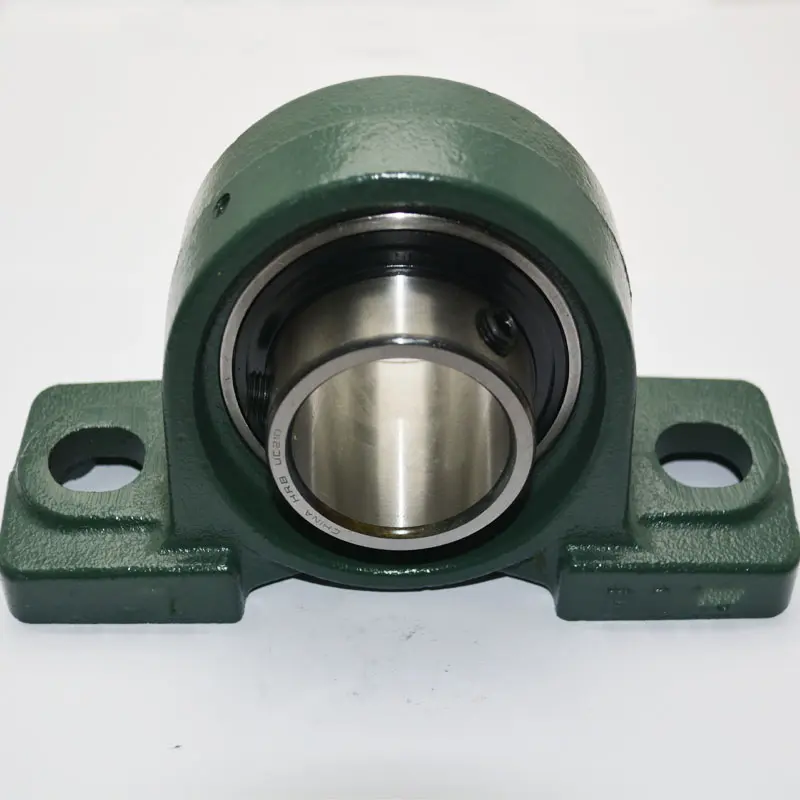
I run a bearing factory in China. Every week, I talk to buyers like Rajesh from India. They ask me the same questions about safety and environment. So let me break down the real answers for you. No fluff. Just what works on the shop floor.
How to select a pillow block bearing?
Wrong selection means broken machines and angry customers. I learned this the hard way with a batch of bearings that failed after two months.
First, measure your shaft size and check the load type. Then, look at the working temperature and dirt level. Finally, match the housing material to your environment. That is the basic three-step method.
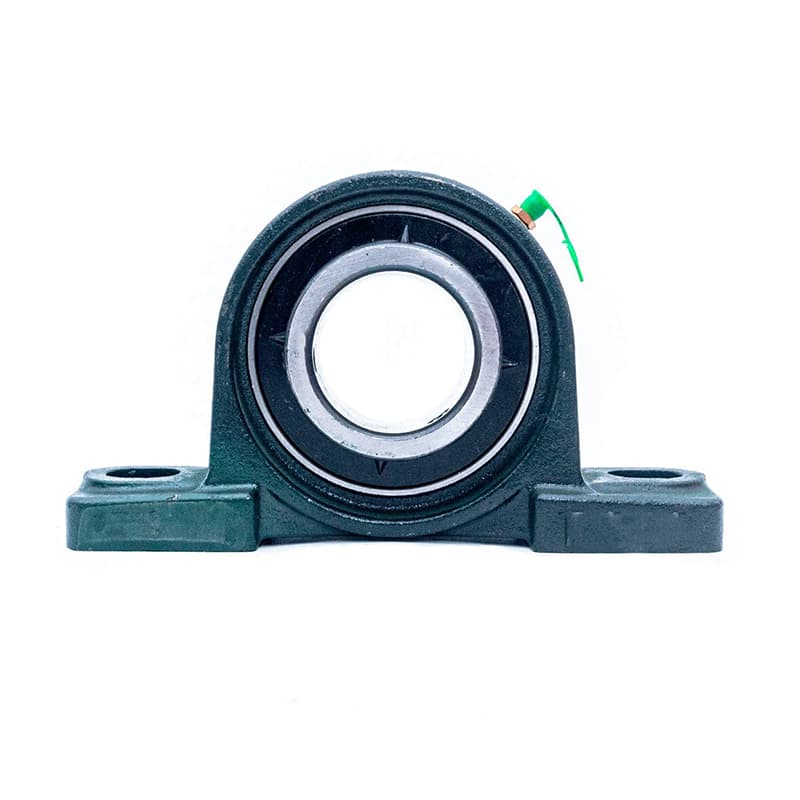
Let me tell you a quick story. A buyer from Pakistan called me last year. He bought cheap pillow block bearings1 from another supplier. Three months later, the bearings seized. His whole conveyor line stopped. He lost $10,000 per day. Why? He only looked at the price. He forgot to check the environment.
So how do you really select a pillow block bearing? I use a simple system. I ask three questions:
What is the shaft diameter and speed2?
This gives you the bearing size and internal clearance. For high speed, you need P5 or P6 precision. For low speed, ordinary class is fine.
What is the load direction and weight3?
Radial loads go straight down. Axial loads go along the shaft. Pillow block bearings handle mostly radial loads. If you have heavy axial load, you need a different type or a double row design.
What is the environment like?
This is the big one. Water, dust, chemicals, heat, cold – each one changes your choice. For example, standard bearings use steel housings with paint. But in a wet area, the paint chips off. Then rust starts. So you need a stainless steel or cast iron housing with a good coating.
I always tell my customers: do not skip the environment check4. It saves you money in the long run. Also, think about safety. A broken bearing can send metal pieces flying. That hurts people. So select carefully.
Here is a quick table I use in my factory training:
| Environment | Housing Material | Seal Type | Lubrication |
|---|---|---|---|
| Clean, dry | Stamped steel | Single lip | Standard grease |
| Dusty | Cast iron | Triple lip | Heavy grease |
| Wet | Stainless steel | Contact seal | Water-resistant grease |
| High heat | Cast iron with cooling ribs | High temp seal | Solid lubricant |
| Food area | Polymer or stainless | Food-grade seal | Food-grade grease |
This table is not perfect. But it gives you a starting point. For a dirty environment, you will see triple lip seals work best. I will talk more about that later.
What are seven important factors to consider when selecting a bearing?
Most buyers only check the price and size. That is a mistake. I have seven factors that I use every day in my factory.
The seven factors are: load1, speed2, temperature3, contamination4, lubrication5, alignment6, and noise. Miss one of them and your bearing will fail early. I see this all the time with new importers.
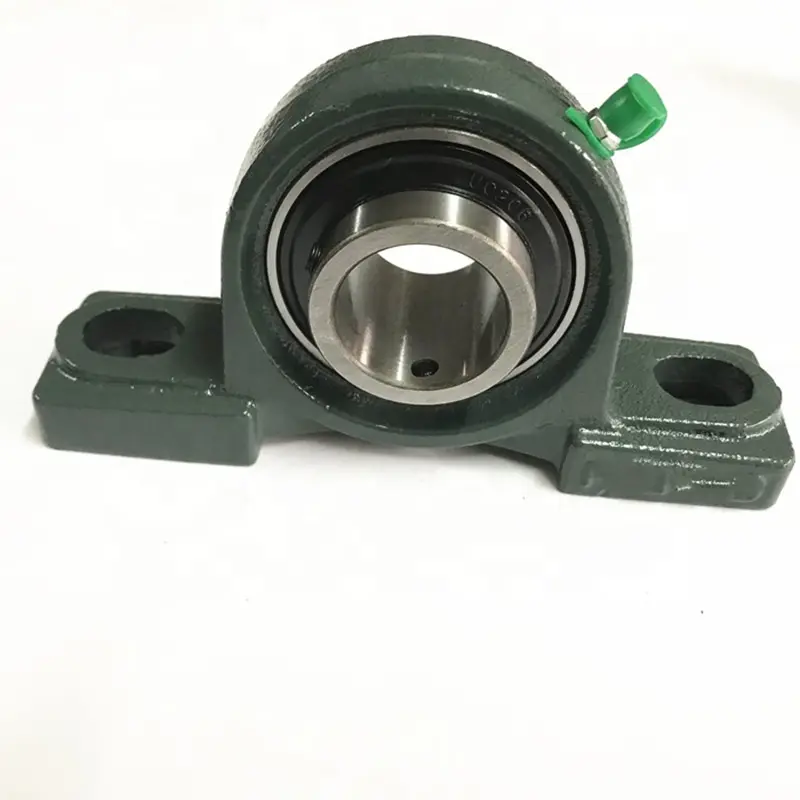
When I train new staff at my factory, I make them memorize these seven points. Why? Because each factor can kill a bearing by itself. Let me explain each one like I do to my team.
1. Load
How much weight is on the bearing? And what direction? Pillow block bearings love radial loads (straight down). They do not like heavy axial loads (sideways). You need to calculate the dynamic load rating (C) and static load rating (C0). For a typical conveyor, the load is mostly radial. But for a fan, you might have some axial push. Check your machine manual. If you guess, you will oversize or undersize. Both are bad.
2. Speed
Speed is measured in RPM (revolutions per minute). High speed needs better precision and less friction. Low speed can use cheaper bearings. For example, a pillow block on a slow mixer (50 RPM) can use a standard P0 grade. But a fast blower (3000 RPM) needs P5 or P6. Also, high speed creates heat. So you need good grease or oil.
3. Temperature
Bearings get hot when they run. Normal range is -20°C to 100°C. Above that, standard grease melts. The steel can also change shape. For high heat (up to 250°C), I recommend special heat-stabilized bearings. For low cold (below -20°C), standard grease gets hard. Then the bearing cannot turn. I had a customer in Russia who forgot this. His bearings froze solid at -35°C. He had to replace all 200 pieces. That was expensive.
4. Contamination
This means dirt, dust, water, or chemicals. Contamination is the number one killer of bearings. I am not joking. Over 50% of bearing failures come from dirt getting inside. That is why seals matter so much. A good seal keeps the bad stuff out and the grease in. In a dirty environment, you need the best seals. I will show you which type later.
5. Lubrication
Grease or oil? Most pillow block bearings come pre-greased. But you still need to check the type. Standard grease works for most places. But if you have water, use water-resistant grease. If you have high heat, use synthetic grease. If you have food, use food-grade grease. Also, how often do you regrease? Many factories forget this. Then the bearing runs dry and fails.
6. Alignment
Shafts are never perfect. They bend a little. They shift. A pillow block bearing with self-alignment features can handle this. Look for spherical outside diameters or rubber inserts. Without self-alignment, the bearing gets stressed on one side. That creates heat and noise. Then it breaks.
7. Noise
Noise is a sign of trouble. If the bearing is noisy, something is wrong. But some applications need quiet bearings. Like in hospitals or office buildings. For those, you need low-noise bearings with special cages and high precision. Standard bearings are okay for factories. But if your customer complains about noise, you lose the order.
I tell my buyers to write these seven factors on a checklist. Use it for every bearing you select. It takes five minutes but saves months of trouble.
What are the three rules for bearings?
Rules keep you safe. I have three rules that I force every customer to follow. Break one and you pay the price.
Rule one: always match the bearing to the environment1. Rule two: never skip lubrication checks2. Rule three: replace seals on schedule3. These three rules prevent 80% of bearing failures4.
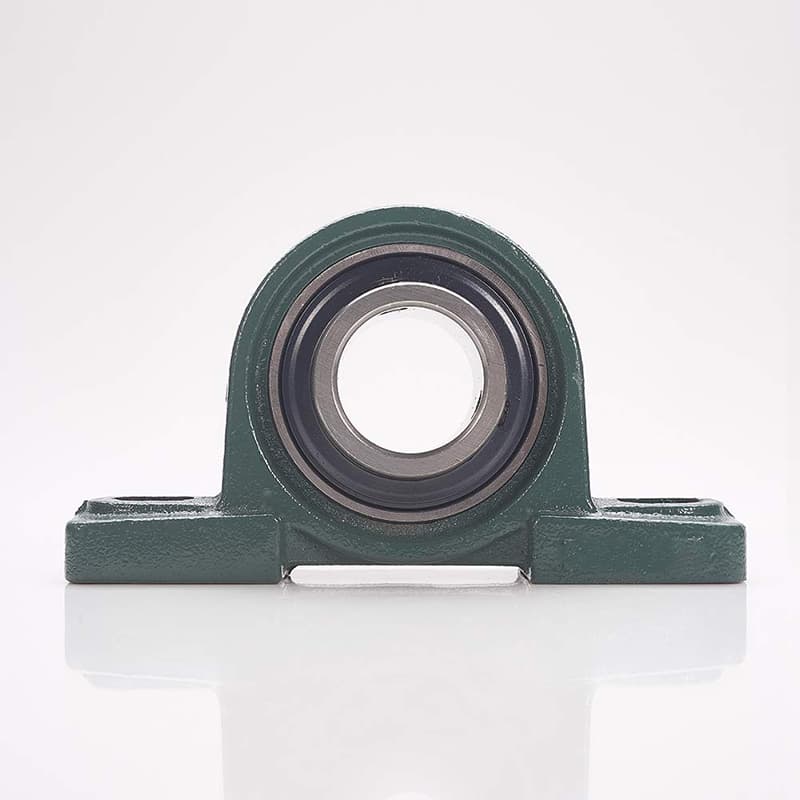
I learned these rules from my own mistakes. When I started my factory ten years ago, I thought bearings were simple. Just put them on the shaft and add grease. Then I got a big complaint from a buyer in Turkey. His pillow block bearings failed after one week. I flew to Turkey to see the problem. The factory was making cement. Dust was everywhere. My bearings had standard seals. The dust got inside in one day. That was my fault.
So I made three rules. Now I teach them to every new customer.
Rule one: always match the bearing to the environment
Do not assume one bearing works everywhere. A bearing that runs great in a clean lab will die in a cement factory. So ask yourself: what is around the bearing? Is it wet? Dry? Hot? Cold? Dusty? Chemical? Each answer changes your choice. For example, in a wet place, use stainless steel or cast iron with zinc plating. In a dusty place, use triple lip seals5. In a hot place, use high-temperature grease6 and a steel cage. I have a simple test: put a sample bearing in your real environment for one week. Then check it. That test tells you more than any catalog.
Rule two: never skip lubrication checks
Lubrication is the blood of the bearing. Without it, metal rubs on metal. Then heat builds up. Then the bearing welds itself to the shaft. I have seen this happen in less than two hours. Most bearings come with initial grease. But that grease does not last forever. You need a schedule. For normal use, regrease every 3-6 months. For heavy use, every month. For high speed, every week. Also, use the right amount. Too much grease is also bad. It creates drag and heat. So follow the bearing manual. If you lost the manual, ask me. I will send you a simple guide.
Rule three: replace seals on schedule
Seals are the first line of defense. They keep dirt out and grease in. But seals wear out. They get hard from heat. They crack from cold. They break from vibration. When a seal fails, dirt gets inside. Then the bearing fails soon after. So check your seals every time you regrease. Look for cracks or hard spots. If the seal looks bad, replace it. Do not wait. A new seal costs a few dollars. A new bearing costs much more. And downtime costs even more.
These three rules are simple. But I am surprised how many factories ignore them. Last month, a customer from Brazil called me. His bearings kept failing every two months. I asked him about his lubrication schedule. He said, "What schedule?" He never regreased. I sent him a simple calendar. Now his bearings last two years. That is the power of following rules.
What type of bearings should be used in a dirty environment?
Dirt is the enemy. I see bearings die from dust every single week. So what type works best in a dirty place?
For dirty environments, use pillow block bearings with triple lip seals1](https://www.nsk.com/eu-en/company/news/2021/nsk-triple-lip-seal-provides-ultimate-bearing-protection/)[^2]s or contact seal3s. Also, choose cast iron housings4 and heavy-duty grease5. Avoid standard rubber seals because they let fine dust pass through.
[^2] for dirty environment](https://sdycbearing.com/wp-content/uploads/2025/12/Pillow-Block-Bearing-2.webp)
Let me give you a real example. One of my customers in Egypt runs a stone crushing plant. The dust is so thick you can taste it. He used to buy cheap bearings with single lip seals. The bearings lasted two weeks. Then he called me. I recommended our pillow block bearings with triple lip seals and cast iron housings4. Now his bearings last eight months. That is a huge difference.
So why do triple lip seals work so well? A triple lip seal has three rubber lips that touch the shaft. Each lip blocks more dirt. The first lip catches big particles. The second lip catches medium ones. The third lip stops the fine dust. Also, the space between lips holds grease. That grease acts like a trap. Dirt sticks to it instead of going inside.
But there are other options too. Let me break down the types:
Standard rubber seal (single lip)
Good for clean or slightly dusty areas. Not for heavy dust. Cheap but fails fast in dirty places.
Triple lip seal
Best for heavy dust and dirt. More expensive but lasts much longer. I recommend this for mining, cement, and agriculture.
Contact seal
This seal touches the shaft with pressure. It blocks dust and water very well. But it creates more friction. So not for high speed. Good for slow, dirty machines like conveyors.
Labyrinth seal
This seal uses a maze of grooves. No contact with the shaft. So no friction. But it only works for coarse dust. Fine dust can still get through. Good for high speed in moderately dirty places.
V-ring seal
A rubber ring that spins with the shaft. It pushes dirt away. Works well as a second line of defense. Often used with other seals.
Now, what about the housing? In a dirty environment, plastic housings are too soft. They crack. Stamped steel housings are thin. They dent. Cast iron housings are strong and heavy. They take hits. They also have better heat transfer. So I always say: cast iron for dirty work.
And lubrication? Standard grease turns into a paste when mixed with dust. That paste acts like sandpaper. It grinds the bearing from inside. So use heavy-duty grease with high viscosity. Also, regrease more often. In a dirty place, regrease every month. The new grease pushes out the old dirty grease. That flushes the dirt out.
One more tip: add a dust cover or shield around the bearing. It is not part of the bearing. But it helps a lot. A simple metal cover stops 70% of dust before it even reaches the seal. I have seen factories make their own covers from old sheet metal. Cheap and effective.
So to summarize: for a dirty environment, pick cast iron housing + triple lip seal + heavy grease + monthly regrease. That combination works. I have sold thousands of these to customers in India, Egypt, and Indonesia. They all come back for more.
Conclusion
Pick the right pillow block bearing for your environment. Check seals, housing, and grease. Follow the three rules. Your machines will run longer and safer.
-
Explore how these bearings can significantly extend the lifespan of machinery in dusty conditions. ↩ ↩ ↩ ↩
-
Discover the mechanics behind triple lip seals and why they are essential for longevity in dusty settings. ↩ ↩ ↩
-
Find out how contact seals can effectively block dust and water, despite their friction drawbacks. ↩ ↩ ↩ ↩
-
Learn about the durability and heat transfer benefits of cast iron housings in harsh conditions. ↩ ↩ ↩ ↩ ↩
-
Understand the advantages of using heavy-duty grease to protect bearings from dust and wear. ↩ ↩ ↩
-
Using the right grease is essential for performance; find out when high-temperature grease is necessary. ↩ ↩