
A blower stops in the middle of a shift. The ventilation fails. Production slows down. I have seen this happen in factories across the world. The cause is often a simple bearing failure.
To choose the right deep groove ball bearing for blower and exhaust fan systems, focus on speed rating, temperature range, seal type, and load capacity. These bearings must handle high RPMs, potential heat, and sometimes contamination from dust or moisture.

Blowers and exhaust fans run for long hours. They spin fast. They face challenging environments. I have supplied bearings for these applications to many countries. Let me share what I have learned about picking the right bearing for the job.
How to pick the right bearings?
A client in Brazil asked me this. He was building exhaust fans for industrial kitchens. He had bearing failures1 every few months. He wanted to know what he was doing wrong.
To pick the right bearings for blowers and fans, you need to consider speed, temperature, environment, and mounting arrangement. Start with the shaft size. Then match the bearing to the operating conditions. Choose sealed bearings for dirty environments. Use high-temperature grease2 for hot applications.
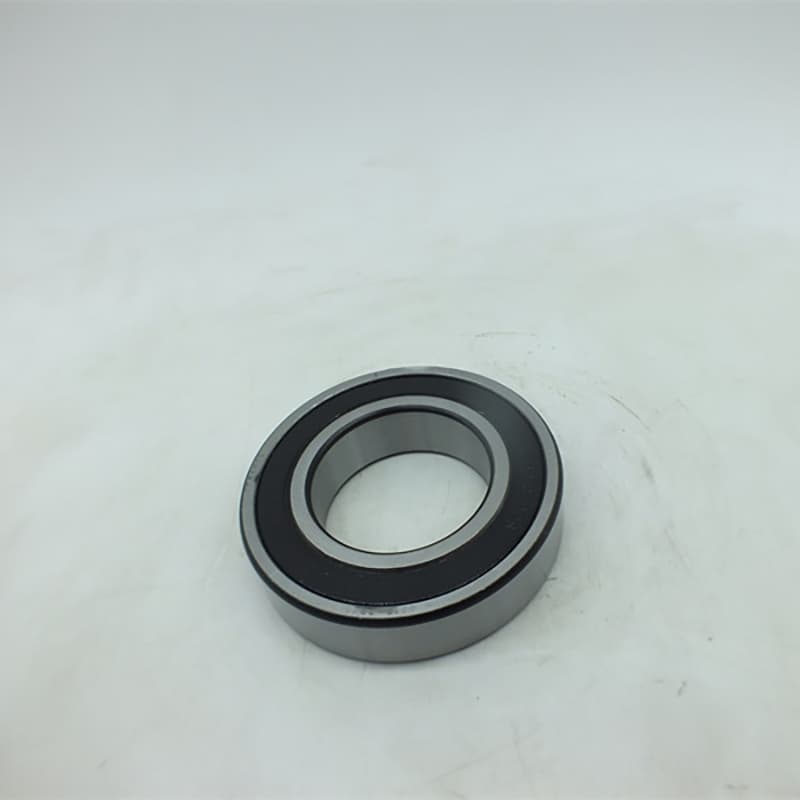
Let me give you a step-by-step process. This is what I use when helping clients choose bearings.
Step 1: Determine the Shaft Size
This is your starting point. The bearing bore must match your shaft.
- Measure the shaft diameter precisely.
- Standard fan shafts often use metric sizes like 20mm, 25mm, 30mm, 35mm, 40mm.
- Common bearing numbers for these shafts are 6204, 6205, 6206, 6207, 6208.
Step 2: Check the Speed Requirement
Blowers and fans run at high speeds. Some run at 3,000 RPM or more.
- Deep groove ball bearings handle high speeds well.
- Check the bearing’s speed rating. Look for the grease limit speed.
- For very high speeds, consider C3 internal clearance3. This allows for thermal expansion.
Step 3: Evaluate the Temperature
Temperature affects grease life and bearing fit.
- Normal Temperature (under 70°C): Standard grease works fine.
- High Temperature (70°C to 100°C): Use high-temperature grease2. Consider C3 clearance.
- Very High Temperature (above 100°C): Use special grease and heat-stabilized bearings.
Step 4: Assess the Environment
The environment determines your seal choice.
- Clean Environment: Open bearings or metal shields (ZZ) may work.
- Dusty Environment: Rubber seals (2RS) are better. They keep dust out.
- Moist Environment: Rubber seals with good grease. Consider stainless steel if moisture is constant.
- Chemical Environment: Viton seals and stainless steel.
Step 5: Choose the Mounting Arrangement
Blowers often use one of two mounting methods.
- Shaft Mounting: The bearing is pressed onto the shaft. The housing holds the outer ring.
- Housing Mounting: The bearing sits in a pillow block or flanged housing.
For most blowers, standard deep groove bearings with rubber seals4 work well. The mounting is straightforward.
Step 6: Select the Internal Clearance
This is often overlooked. It matters for fans.
- CN (Normal): For most applications with moderate temperature.
- C3 (Increased): For higher speeds or higher temperatures. Allows the bearing to expand without binding.
- C4 (Extra): Rare. For extreme conditions.
Quick Selection Guide
| Condition | Recommended Bearing |
|---|---|
| Standard fan, clean air | 6200 series, 2RS, CN |
| High-speed fan | 6200 series, 2RS, C3 |
| Hot air fan | 6200 series, 2RS, C3, high-temp grease |
| Dusty environment | 6200 series, 2RS, CN |
| Outdoor fan (moisture) | Stainless steel, 2RS, CN |
My Advice on Selection
The most common mistake I see is using open bearings in dusty environments. The dust gets inside. It mixes with the grease. The bearing fails quickly.
For most blower and exhaust fan applications, I recommend a 6200 series bearing with rubber seals (2RS) and C3 internal clearance. This combination handles speed, heat, and contamination well.
At FYTZ Bearing, we stock these bearings in all common sizes. We can also provide high-temperature grease and stainless steel options for demanding applications.
What is the problem with deep groove ball bearings1?
A customer in India called me frustrated. His blower bearings kept failing. He thought deep groove bearings were supposed to be reliable. He wanted to know what the problem was.
The main problem with deep groove ball bearings in blower systems is that they are often misapplied or poorly maintained. Common issues include improper fit2, wrong internal clearance3, inadequate sealing, and lack of re-greasing4. These problems lead to premature failure.
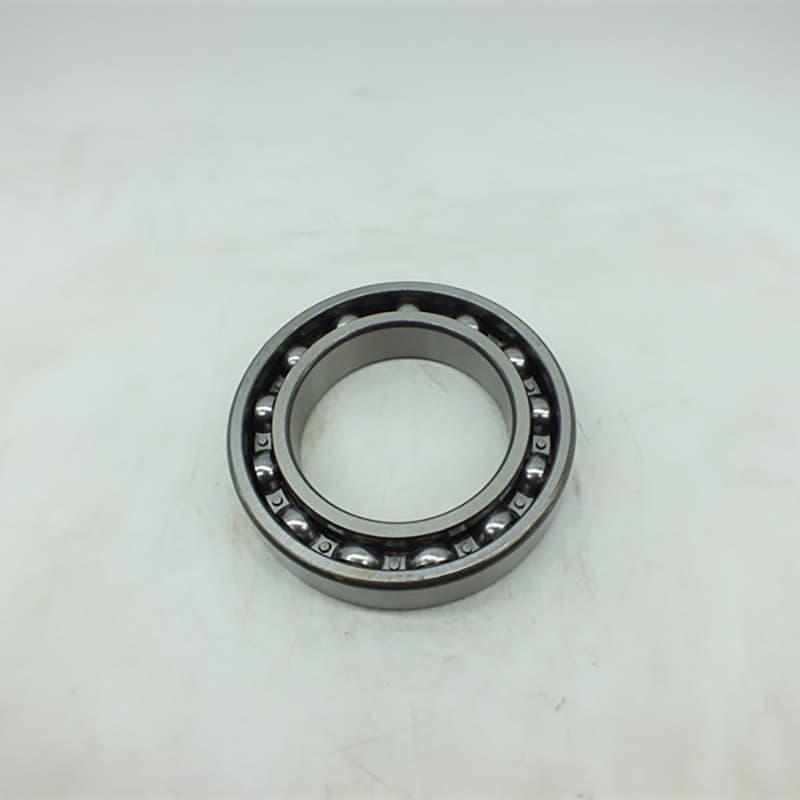
Let me explain the specific problems I see in blower and fan applications.
Problem 1: Incorrect Internal Clearance
This is the number one issue I encounter.
- The Mistake: Using normal clearance (CN) bearings in high-speed or high-temperature fans.
- What Happens: The shaft heats up. The inner ring expands. The bearing loses its internal clearance. The balls get squeezed. Friction increases. Heat builds. The bearing seizes.
- The Fix: Use C3 (increased clearance) bearings for fans. This gives room for thermal expansion.
Problem 2: Wrong Seal Type
Seals are critical in fan applications.
- The Mistake: Using open bearings or metal shields (ZZ) in dusty environments.
- What Happens: Dust and dirt enter the bearing. They mix with the grease. The grease becomes abrasive. The bearing wears out quickly.
- The Fix: Use rubber seals (2RS) for dusty environments. They keep contaminants out.
Problem 3: Improper Fit
Fit is about how tight the bearing sits on the shaft and in the housing.
- The Mistake: Using a loose fit on the shaft. The inner ring spins on the shaft. This wears the shaft and the bearing bore.
- What Happens: The bearing loses its grip. It starts to spin. The shaft gets damaged. The bearing fails.
- The Fix: Use the correct fit. For fan shafts, usually a tight fit on the shaft and a slightly looser fit in the housing.
Problem 4: Lack of Re-Greasing
Many people think sealed bearings never need attention.
- The Mistake: Never re-greasing sealed bearings. Assuming they are maintenance-free.
- What Happens: The grease ages. It dries out. It hardens. The bearing runs dry and fails.
- The Fix: Even sealed bearings have a grease life. Replace them on a schedule. For larger fans with grease fittings, re-grease regularly.
Problem 5: Vibration and Misalignment
Fans can create vibration. Installation can be imperfect.
- The Mistake: Ignoring vibration or misalignment.
- What Happens: The bearing experiences uneven loads. It wears unevenly. Noise and heat develop.
- The Fix: Check alignment during installation. Use flexible couplings if needed. Monitor vibration levels.
Summary of Problems and Fixes
| Problem | Cause | Fix |
|---|---|---|
| Seizure | Wrong clearance, heat expansion | Use C3 clearance |
| Contamination | Open bearings in dirty environment | Use 2RS seals |
| Spinning ring | Loose shaft fit | Correct interference fit |
| Dry bearing | No re-greasing | Schedule re-greasing or replacement |
| Uneven wear | Vibration or misalignment | Check alignment, monitor vibration |
My View on These Problems
These problems are avoidable. Most bearing failures in fans come from simple mistakes. The bearing itself is not the problem. The application is the problem.
At FYTZ Bearing, we help clients avoid these issues. We recommend the right clearance, the right seal, and the right fit for each application. If you tell us your operating conditions, we can guide you to the correct bearing.
What are the advantages of deep groove ball bearings?
A buyer in Vietnam asked me this. He was comparing different bearing types for his fan production line. He wanted to know why deep groove bearings are so common.
The advantages of deep groove ball bearings include high speed capability1, low noise, ability to handle both radial and axial loads, simple mounting2, and wide availability3. They are the most versatile bearing type for fan and blower applications.
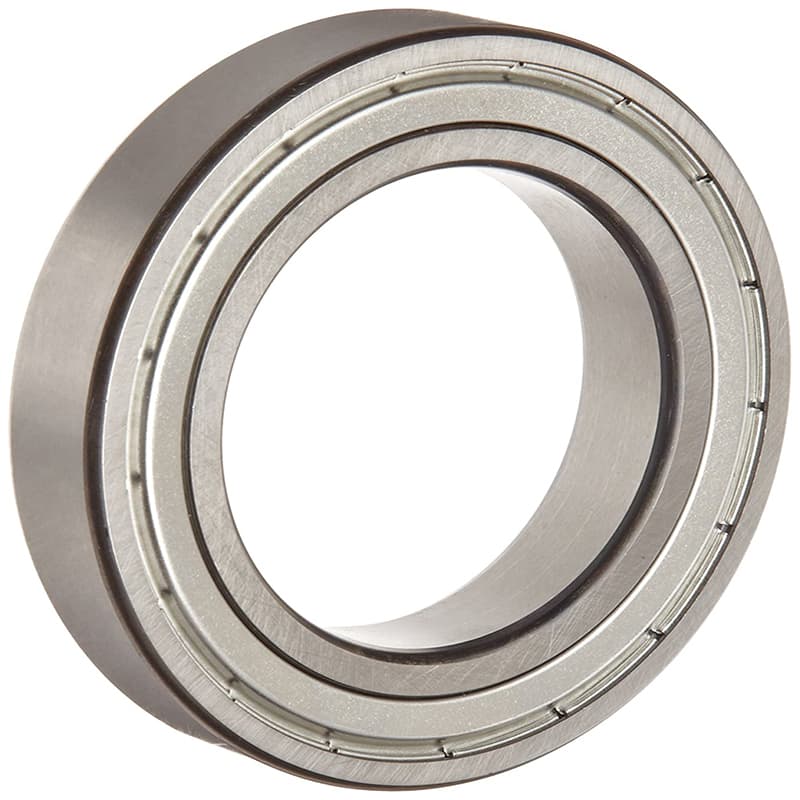
Let me list the specific advantages for blower and fan systems.
Advantage 1: High Speed Capability
Fans run fast. Deep groove bearings handle high speeds well.
- The design keeps friction low at high RPM.
- They can run at speeds that other bearing types cannot match.
- This makes them ideal for direct-drive fan motors.
Advantage 2: Low Noise and Vibration
In a fan system, noise matters.
- Deep groove bearings run smoothly.
- They produce minimal vibration.
- This translates to quieter fan operation. Good for offices, hospitals, and homes.
Advantage 3: Handles Combined Loads
Fans create both radial and axial loads.
- Radial Load: The weight of the fan wheel and the force from moving air.
- Axial Load: The thrust from the fan blades pushing air.
- Deep groove bearings handle both types well. You do not need separate bearings for each load direction.
Advantage 4: Simple Mounting
Installation is straightforward.
- You press the bearing onto the shaft.
- You press it into the housing.
- No complex adjustments are needed for most applications.
- This saves time during assembly and maintenance.
Advantage 5: Wide Availability
Deep groove bearings are the most common bearing type.
- You can find them anywhere.
- Sizes are standardized.
- Replacement is easy.
- This is important for maintenance teams. They do not need to hunt for rare bearings.
Advantage 6: Good Sealing Options
You can get deep groove bearings with various seals.
- ZZ (Metal Shields): For clean, dry environments.
- 2RS (Rubber Seals): For dusty or moist environments.
- Special Seals: Viton for chemicals, high-temperature seals for heat.
Advantage 7: Cost-Effective
Deep groove bearings offer good value.
- They are mass-produced.
- Costs are lower than specialized bearing types.
- You get reliable performance at a reasonable price.
Comparison of Bearing Types for Fans
| Feature | Deep Groove | Angular Contact | Spherical Roller |
|---|---|---|---|
| Speed Capability | High | High | Moderate |
| Noise Level | Low | Low | Moderate |
| Axial Load | Moderate | High | High |
| Mounting | Simple | Complex | Moderate |
| Cost | Low | High | High |
| Availability | Everywhere | Good | Moderate |
My View on These Advantages
Deep groove bearings are the standard for fans for good reason. They work. They are simple. They are available.
I have supplied deep groove bearings for fans in many countries. From Turkey to Brazil to India, the story is the same. When you pick the right version, these bearings deliver reliable, long-lasting performance.
What is the best bearing for a fan?
A maintenance manager in South Africa asked me this. He was tired of replacing fan bearings every few months. He wanted a recommendation for the best bearing that would last.
The best bearing for a fan is a deep groove ball bearing1 with rubber seals (2RS) and C3 internal clearance2. For most industrial fans, the 6200 series3 in the correct size is the ideal choice. For high-temperature applications, use bearings with high-temperature grease4.
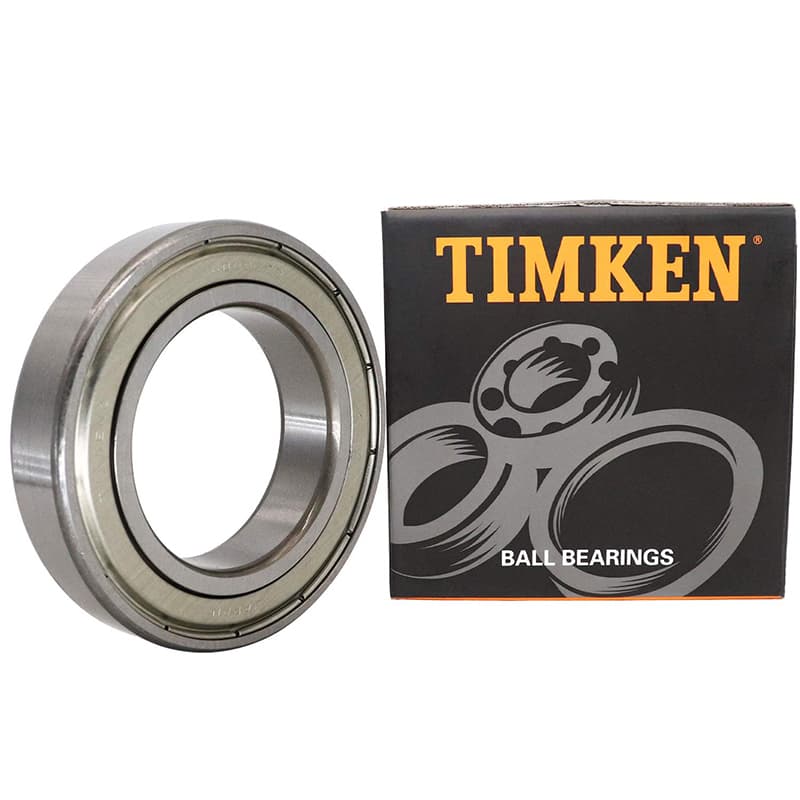
Let me give you specific recommendations for different fan types.
For Standard Industrial Fans
These are the most common fans. They move air in factories, warehouses, and commercial buildings.
- Bearing Type: 6200 series deep groove ball bearing
- Seal: 2RS (rubber seals on both sides)
- Clearance: C3
- Grease: Standard lithium-based grease
- Common Sizes: 6204, 6205, 6206, 6207, 6208
- Why This Works: The rubber seals keep dust out. The C3 clearance handles heat from high speeds.
For High-Temperature Fans
These fans move hot air. Examples include oven exhaust fans and drying system fans.
- Bearing Type: 6200 series deep groove ball bearing
- Seal: 2RS with high-temperature rubber (Viton if very hot)
- Clearance: C3 or C4
- Grease: High-temperature synthetic grease
- Material: Consider stainless steel for very high temperatures or corrosive conditions
- Why This Works: High-temperature grease does not break down. The increased clearance allows for thermal expansion.
For Outdoor or Moisture-Prone Fans
These fans face rain, humidity, and temperature swings.
- Bearing Type: 6200 series deep groove ball bearing
- Seal: 2RS with good water resistance
- Clearance: C3
- Material: Stainless steel recommended for long life
- Grease: Water-resistant grease
- Why This Works: Stainless steel resists corrosion. Rubber seals keep moisture out.
For High-Speed Fans
Some fans run at very high RPM, like small blowers or cooling fans.
- Bearing Type: 6200 series deep groove ball bearing
- Seal: 2RS or ZZ depending on environment
- Clearance: C3
- Precision: P5 or higher for very high speeds
- Why This Works: Higher precision reduces vibration at high speeds. C3 clearance prevents binding.
Quick Recommendation Table
| Fan Type | Recommended Bearing | Seal | Clearance | Special Notes |
|---|---|---|---|---|
| Standard industrial | 6200 series | 2RS | C3 | Most common |
| High temperature | 6200 series | 2RS high-temp | C3/C4 | High-temp grease |
| Outdoor/moist | Stainless steel 6200 | 2RS | C3 | Water-resistant grease |
| High speed | 6200 series P5 | 2RS or ZZ | C3 | Higher precision |
| Large fan (heavy) | 6300 series | 2RS | C3 | Larger cross section |
My Final Advice on the Best Fan Bearing
There is no single "best" bearing for every fan. But there is a best bearing for your fan.
You need to match the bearing to your specific conditions. Start with a 6200 series deep groove bearing with 2RS seals and C3 clearance. That is a safe starting point for most fans.
Then adjust based on your environment.
- Dusty? The 2RS seals handle it.
- Hot? Upgrade the grease and consider stainless steel.
- Fast? Consider higher precision.
- Wet? Use stainless steel.
At FYTZ Bearing, we can help you make this choice. We have supplied bearings for fans across many industries. We know what works.
Conclusion
Deep groove ball bearings are the right choice for blower and exhaust fan systems. Match the bearing to your speed, temperature, and environment. Use sealed versions with C3 clearance for most applications. Your fan will run longer.
-
Understanding deep groove ball bearings can help you choose the right one for your fan’s needs. ↩ ↩ ↩ ↩
-
Discover the significance of C3 internal clearance for optimal bearing performance. ↩ ↩ ↩ ↩ ↩
-
Get detailed specifications of the 6200 series to ensure you select the right bearing for your application. ↩ ↩ ↩ ↩
-
Learn about high-temperature grease to ensure your bearings perform well in extreme conditions. ↩ ↩ ↩