
You know the feeling. A pump stops in the middle of a production run. The cost of that downtime is huge. That is why I want to talk about your bearings.
Deep groove ball bearings are the right choice for chemical process pumps and mixers. They offer a strong balance of high speed, good load capacity, and reliability. But to make them last, you must pay close attention to the chemical environment.
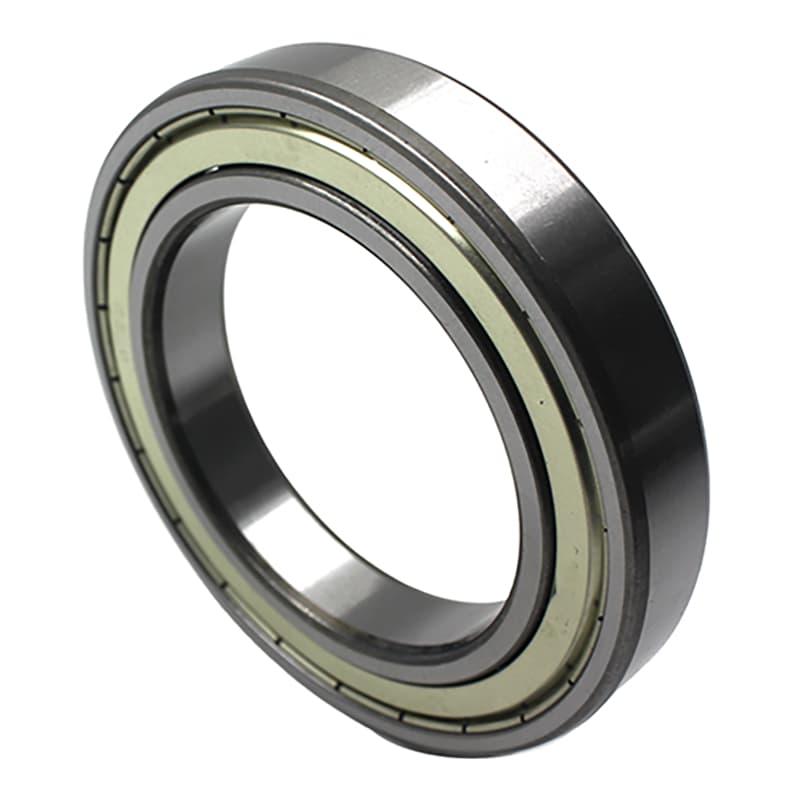
Choosing a bearing is not just about size and load. In this industry, the real challenge is keeping that bearing alive in a harsh world of chemicals, heat, and constant motion. Let me share what I have learned from helping factories around the world.
What Makes Material Selection Critical for Chemical Pump Bearings?
I once had a client in Turkey. His pumps were failing every three months. The problem? He was using standard steel bearings in a sulfuric acid application.
Material selection is critical because the wrong material will corrode. Corrosion leads to rust, pitting, and ultimately, bearing seizure. In chemical pumps, the bearing is in direct contact with the process fluid or its vapors.
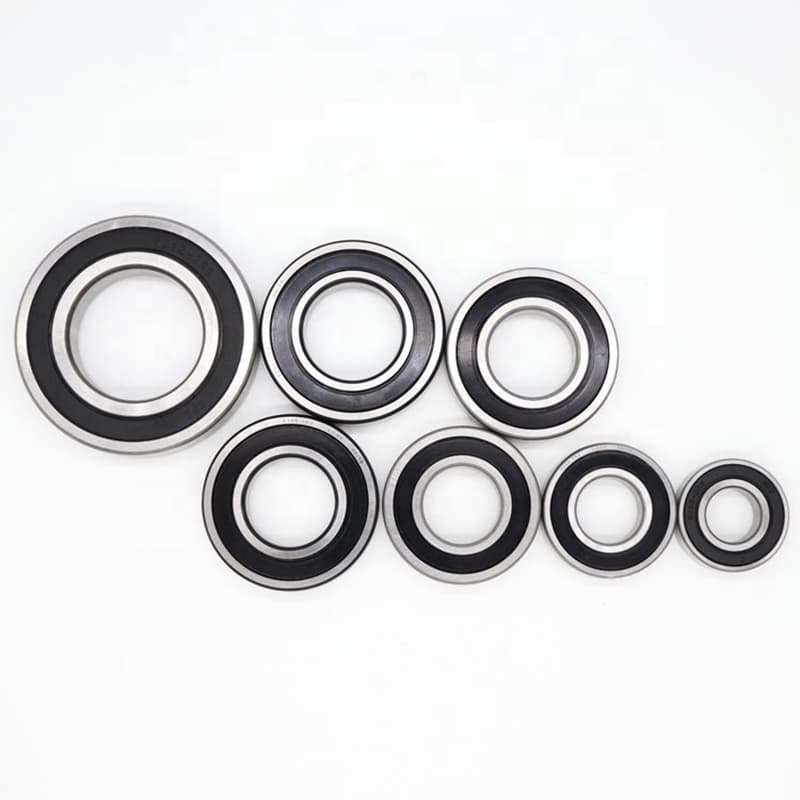
Let’s break this down. The first thing you need to look at is the bearing rings and balls.
Most people think "steel is steel." That is not true. In a chemical plant, the atmosphere is full of moisture and aggressive agents. Standard chrome steel (like GCr15) will start to rust very quickly. Rust is not just cosmetic. It creates small abrasive particles. These particles act like sandpaper inside your bearing. The result? Rapid wear and failure.
So, what are your options? I always tell my clients to think about three main material categories.
1. Stainless Steel (AISI 440C or SUS440C)
This is my first recommendation for many chemical applications.
- Pros: It has excellent corrosion resistance1 against water, steam, and mild chemicals. It is also strong and can handle decent loads.
- Cons: It is not as hard as chrome steel. So, under very heavy loads, it might wear a bit faster. It is also more expensive.
- Best For: Mixers and pumps handling water-based solutions or mild acids.
2. Ceramic Hybrid Bearings (Silicon Nitride Balls)
This is a premium solution.
- Pros: Ceramic balls are incredibly hard. They are also non-magnetic and non-conductive. Most importantly, they are immune to most chemicals. If the fluid is highly corrosive, the ceramic balls will not corrode.
- Cons: The rings are usually made of stainless steel2, which can still corrode if the seal fails. They are also much more expensive.
- Best For: High-speed pumps or mixers where reliability is the top priority.
3. Full Ceramic Bearings (Zirconia or Silicon Nitride)
This is for the toughest environments.
- Pros: Everything—the rings and the balls—is ceramic. They can handle almost any chemical, from strong acids to high-purity solvents.
- Cons: They have a lower load capacity than steel. They are also very brittle. A sudden shock can crack them.
- Best For: Extreme chemical environments where even stainless steel would fail.
A Quick Comparison Table
| Feature | Chrome Steel | Stainless Steel | Hybrid Ceramic | Full Ceramic |
|---|---|---|---|---|
| Corrosion Resistance | Poor | Good | Very Good | Excellent |
| Load Capacity | Very High | High | High | Medium |
| Max Speed | High | Medium | Very High | High |
| Cost | Low | Medium | High | Very High |
| Common Use | General Industry | Mild Chemicals | High Speed & Corrosion | Extreme Corrosion |
The choice is not always obvious. You need to know the exact chemical, the temperature, and the load. That is why at FYTZ Bearing, I always ask for your specific application details. We can then recommend the exact material you need.
How Do Sealing Systems Protect Bearings in Aggressive Media?
You can have the best steel in the world. But if the chemical gets inside, the bearing will still fail. The seal is the first line of defense.
Sealing systems1 protect bearings by keeping aggressive media out and keeping lubricant in. A failed seal allows chemicals to wash away the grease, leading to metal-on-metal contact and immediate wear.
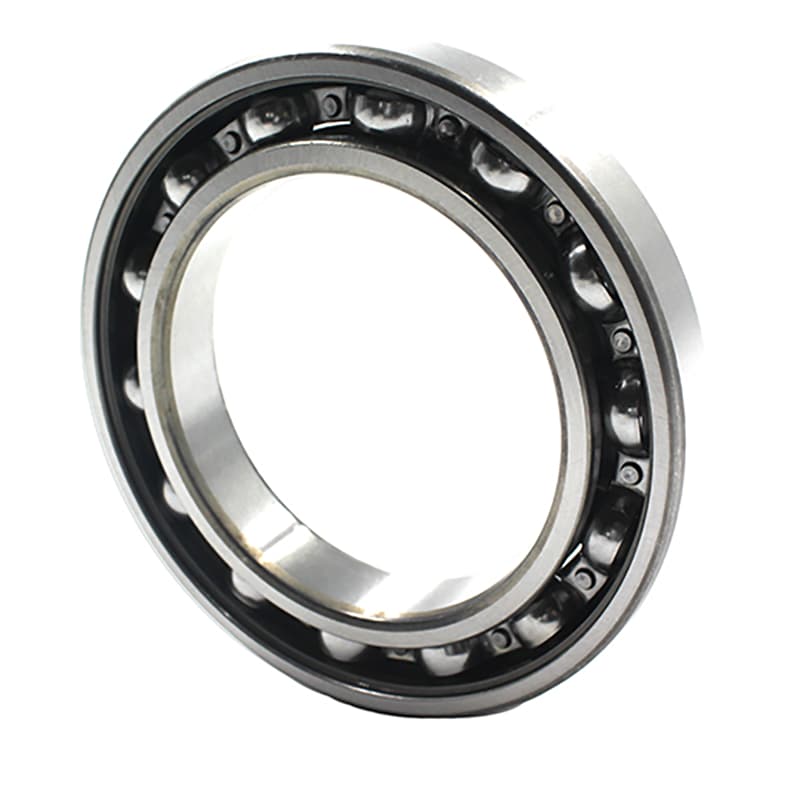
I see this problem all the time. A company buys a "chemical-resistant" bearing. They install it. It fails in a month. When I look at the failed bearing, the problem is not the material. It is the seal.
The seal is the part that touches the shaft. If the chemical is aggressive, it will attack the rubber or plastic of the seal first. Once the seal is damaged, the chemical flows into the bearing. It washes away the grease. Then, the metal parts start to corrode.
So, let’s talk about how to choose the right seal. It is not just one size fits all.
Understanding the Different Seal Types
1. Non-Contact Seals2 (ZZ or Metal Shields)
These are made of metal.
- How they work: They create a very small gap between the shield and the inner ring. This gap is small enough to keep out large dirt particles. But it does not stop liquids.
- The Problem: For chemical pumps, this is a bad idea. Chemicals can easily pass through the gap. I only recommend these for dry environments or high-speed applications where heat is a concern.
2. Contact Seals (2RS or Rubber Seals)
These are made of rubber (usually nitrile, Viton3, or PTFE).
- How they work: The rubber lip presses directly against the inner ring. This creates a tight seal. It keeps grease in and chemicals out.
- The Choice: This is where you must pay attention. The rubber material matters.
- Nitrile (NBR): This is the standard. It is good for oils and water. But it breaks down in strong acids, solvents, or high heat.
- Viton (FKM): This is what I recommend for most chemical applications. Viton resists a very wide range of chemicals. It also handles high temperatures up to 200°C.
- PTFE (Teflon)4: This is the best for extreme chemicals. PTFE is almost inert. Nothing sticks to it. But it is stiffer than rubber, so the sealing is not as perfect at very low speeds.
3. Specialized Sealing Systems
Sometimes, a standard rubber seal is not enough. For very demanding mixers, you might need an external sealing system. This could be a mechanical seal5 or a labyrinth seal6 built into the housing. These systems are more complex. But they offer a much higher level of protection.
My advice is simple. When you order a bearing for a chemical pump, do not just ask for a "sealed bearing." Ask for a Viton-sealed bearing. It costs a little more. But it will last many times longer. That is a small price to pay for keeping your plant running.
What Are the Key Load and Speed Considerations for Mixer Applications?
Mixers are not like pumps. They do not run at constant speeds. They often start and stop. They deal with changing loads as the product mixes. This is tough on bearings.
For mixer applications, the key considerations are axial load1 and shock load2. Mixers often create high axial loads from the weight of the shaft and the thrust from the mixing blades. Start-up torque can also create sudden shock loads.
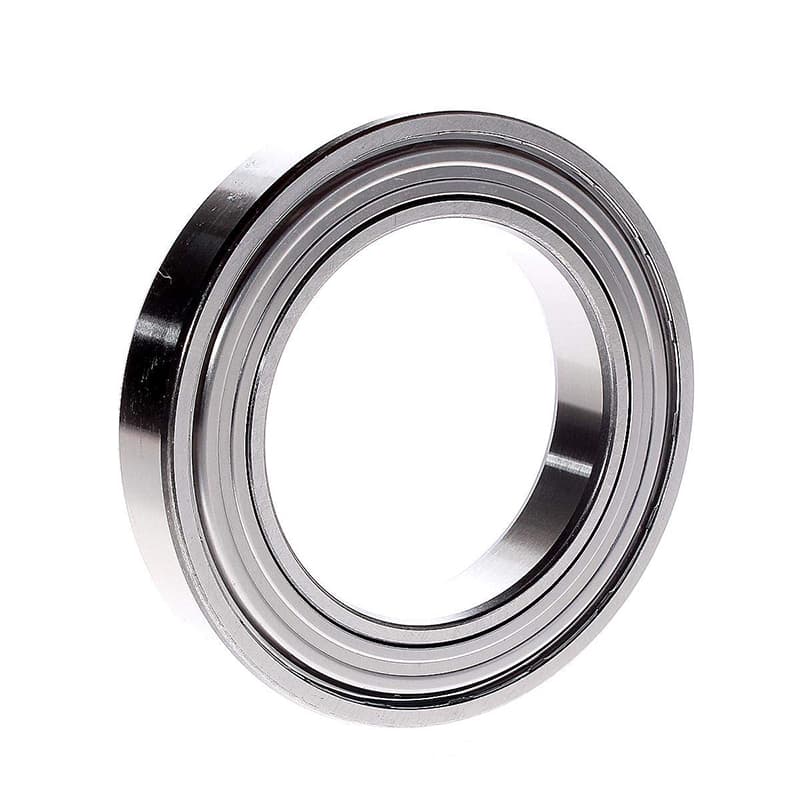
I remember working with a client in Brazil who made food products. Their mixers kept breaking down. They were using standard deep groove ball bearings3. The problem was not speed. The problem was the load.
In a mixer, the bearing has to do several jobs at once. It must support the weight of the entire shaft and the impeller. That is a radial load. But more importantly, it must handle the axial load. When the impeller pushes the product down, the product pushes back up. That upward force goes straight into the bearing.
Let me break down the specific challenges.
The Challenge of Axial Load
Deep groove ball bearings are actually good at handling some axial load. But there is a limit. In a vertical mixer, the axial load can be very high.
- The Problem: If the axial load is too high, the balls can be pressed too hard against the raceway grooves. This can cause the bearing to overheat and fail.
- The Solution: You have two choices.
- Use a larger deep groove ball bearing. A bigger bearing has larger balls and can handle more axial load.
- Use a different bearing arrangement. Sometimes, I recommend using two bearings together. One handles the radial load, and one (like an angular contact bearing) handles the axial load.
The Challenge of Shock Load
Mixers are not smooth. When you start a mixer, the motor has to overcome the inertia of the heavy fluid. This creates a shock load.
- The Problem: Standard deep groove ball bearings are made of hard steel. Hard steel is strong, but it can be brittle. A sudden shock can cause microscopic cracks in the raceways.
- The Solution: This is where heat treatment comes in. At FYTZ, we can adjust the heat treatment4 of the bearing steel. For mixers, we often use a bearing with a higher toughness. It is slightly less hard, but it can absorb shock much better without cracking.
The Challenge of Speed
Mixers often run at lower speeds than pumps. But low speed creates its own problem: lubrication.
- The Problem: At low speeds, it is harder to build an oil film between the balls and the raceways. If the grease is too thick, it can cause drag. If it is too thin, it will not protect.
- The Solution: The grease you choose is critical. For low-speed, high-load mixers, you need a grease with a high viscosity and extreme pressure (EP) additives5. These additives form a protective layer on the metal even when the speed is low.
Summary Table for Mixer Applications
| Application Factor | The Challenge | My Recommended Solution |
|---|---|---|
| Axial Load | High thrust from mixing action | Use larger bearings or a dual-bearing arrangement |
| Shock Load | Sudden torque at start-up | Choose bearings with optimized heat treatment for toughness |
| Low Speed | Inadequate lubrication film | Use high-viscosity grease with EP additives |
| High Speed | Heat generation | Ensure proper cooling and use low-friction seals |
Every application is a bit different. But understanding these three factors—axial load, shock, and speed—will help you avoid the most common failures in mixers.
What Are the Common Failure Modes and How Can You Prevent Them?
Seeing a failed bearing is like seeing a doctor with a patient. You look at the symptoms, and you find the root cause. I have seen thousands of failed bearings. Most failures fall into a few common patterns.
The most common failure modes are corrosion1, lubrication failure2, and fatigue. You can prevent them by selecting the right materials, using proper seals, and ensuring correct installation and lubrication schedules.
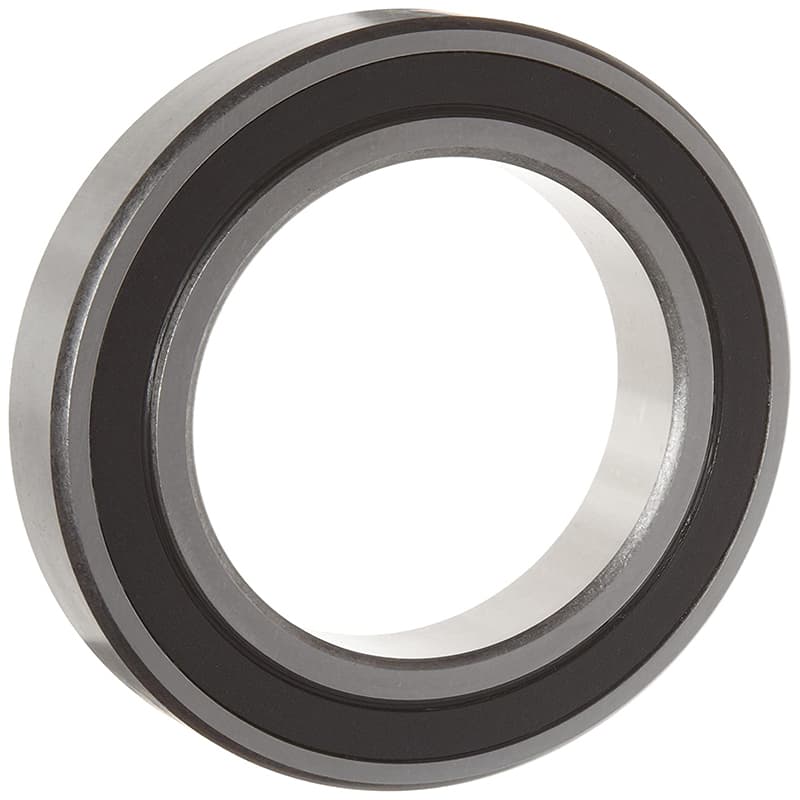
Let me walk you through the three most common failures I see in chemical applications. Each one has a different look. And each one has a different fix.
Failure Mode 1: Corrosion
This is the most common in your industry.
- What it looks like: The bearing surfaces are rough and rusty. There might be red or brown stains. If it is severe, the balls and raceways will have pits.
- Root Cause: The chemical has breached the seal. Or, the bearing material was not resistant to the process media. Even humidity in the plant can cause this if you are using standard steel.
- How to Prevent It:
- Upgrade your material. As I mentioned earlier, switch to stainless steel or ceramic. This is the most direct fix.
- Check the seal. Make sure you are using a Viton or PTFE seal3 that is rated for the chemical.
- Use a food-grade or chemical-resistant grease4. Even the grease needs to be able to withstand the environment without breaking down.
Failure Mode 2: Lubrication Failure
This is the second most common. I often call it "starvation."
- What it looks like: The bearing will look blue or brown from heat. The grease will be hard, black, and crusty. The balls and raceways will show signs of heavy wear or even galling (metal sticking to metal).
- Root Cause: The grease was washed out by chemicals. Or, the grease was not suitable for the temperature. Sometimes, the bearing was simply not re-greased for too long.
- How to Prevent It:
- Follow a schedule. For pumps and mixers, you need a regular re-greasing schedule5. Do not wait until you hear noise.
- Use the right grease. Check the grease’s compatibility with your chemicals and operating temperature.
- Don’t over-grease. This is a common mistake. Too much grease creates heat and friction. It can also blow out the seals.
Failure Mode 3: False Brinelling6
This one is tricky. It looks like vibration damage.
- What it looks like: You will see shiny, flat spots on the raceways that are spaced exactly at the distance between the balls. It looks like someone pressed the balls into the raceway.
- Root Cause: This happens when the machine is not running. The pump or mixer vibrates while it is off. This small vibration moves the balls back and forth, pushing the grease away and wearing tiny flat spots.
- How to Prevent It:
- Use a bearing with a better grease. Some greases have better "anti-vibration" properties.
- Turn the shaft during storage. If the machine is stored for a long time, rotate the shaft periodically to move the grease around.
- Use a bearing with a synthetic cage. Some materials handle this type of stress better than standard steel cages.
Understanding these failure modes is like having a roadmap. When you know what to look for, you can choose the right bearing from the start. At FYTZ Bearing, we help our clients diagnose these problems all the time. Sometimes, the fix is as simple as changing the grease. Other times, it requires a complete material upgrade.
Conclusion
Choosing the right deep groove ball bearing for chemical pumps and mixers is about matching the material, seal, and design to your specific environment. Do not cut corners here. A small investment in the right bearing saves you from huge downtime costs.
-
Explore this link to understand how to effectively prevent corrosion in bearings, ensuring longevity and reliability. ↩ ↩ ↩ ↩
-
Learn about the best practices for preventing lubrication failure, which is crucial for maintaining bearing performance. ↩ ↩ ↩ ↩
-
Understand the advantages of Viton and PTFE seals in enhancing bearing performance and durability. ↩ ↩ ↩
-
Find out why using chemical-resistant grease is vital for bearing longevity in harsh environments. ↩ ↩ ↩
-
Learn how to establish a re-greasing schedule that ensures optimal lubrication and prevents bearing failure. ↩ ↩ ↩
-
Discover the intricacies of False Brinelling and effective prevention strategies to protect your bearings. ↩ ↩