
A high-speed fan in a cooling tower fails, and your entire production line shuts down. The pressure to find a fix is immense.
Yes, deep groove ball bearings are the ideal choice for high-speed cooling tower fans. They handle high speeds, radial and axial loads, and deliver the quiet, reliable operation that critical cooling systems require.
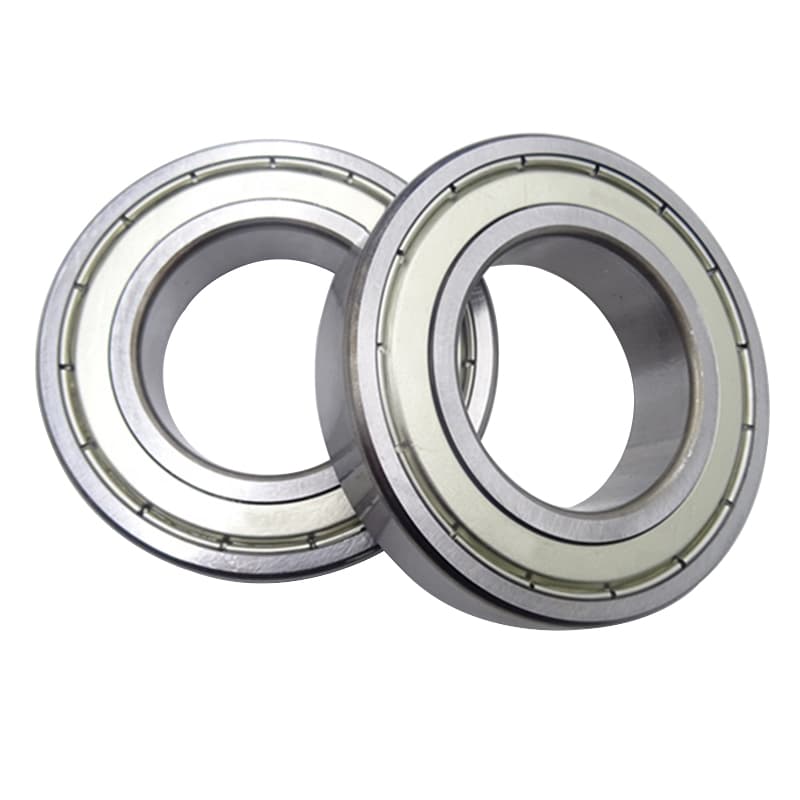
I know that feeling of urgency. A stopped cooling tower means a stopped plant. Over the years, I have spoken with countless procurement managers and maintenance heads who share this exact pain point. Their questions are always the same: “Which bearing is right for high speed?” and “Will it last?”. Let me walk you through what I have learned from my work at FYTZ Bearing, where we manufacture these critical components.
Which bearings are used for high speed?
The market offers many bearing types. Choosing the wrong one for a high-speed fan leads to noise, vibration, and early failure.
For high-speed applications like cooling tower fans, deep groove ball bearings1 are the standard choice. Their simple design and ability to manage both radial and light axial loads make them perfect for these conditions.
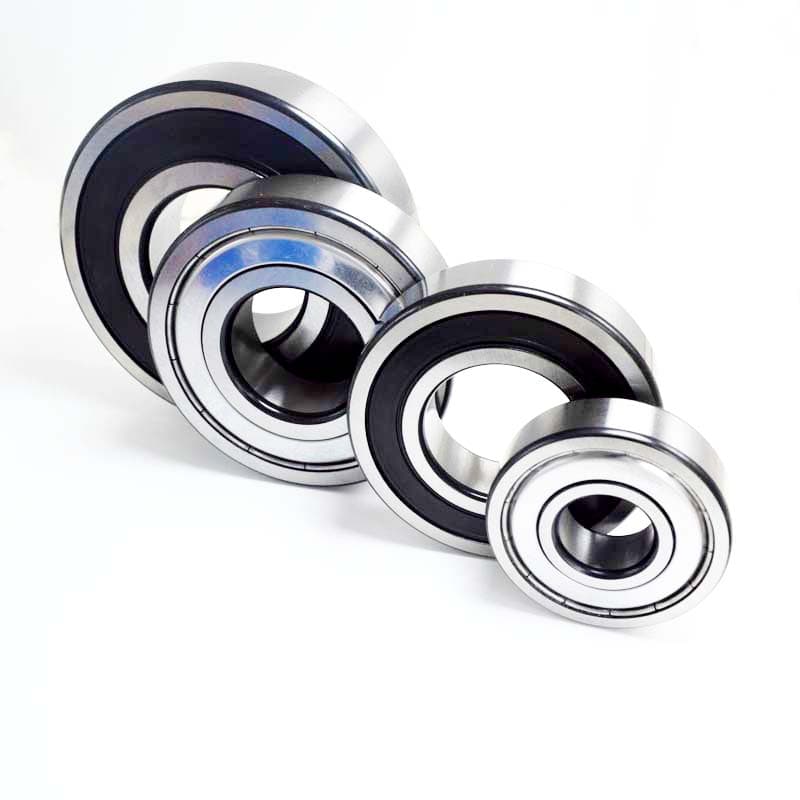
You might wonder why deep groove ball bearings are so popular for high-speed work. The answer is in their design.
The Simple Design
A deep groove ball bearing has a very simple structure. It uses a single row of balls running in deep raceways. This design gives it a few key benefits for high-speed fans.
- Low Friction: The balls roll smoothly between the inner and outer rings. This creates less friction than other bearing types, like roller bearings. Less friction means less heat, and heat is the enemy of high-speed operation.
- High Speed Capability: Because of the low friction2 design, these bearings can handle high rotational speeds. The deep grooves also help keep the balls stable at those speeds.
- Dual Load Handling: A cooling tower fan does not just spin. It has weight (radial load) from the fan itself. It also has some pressure (axial load) from the air being moved. Deep groove ball bearings can handle both at the same time.
A Real-World Comparison
To give you a better idea, let’s compare deep groove ball bearings to other options you might see. I have seen customers try to use different bearings in fans, and the results are rarely good.
| Bearing Type | Speed Capability | Load Handling | Suitability for Cooling Tower Fans |
|---|---|---|---|
| Deep Groove Ball Bearing | Excellent | Moderate radial and axial | Ideal. Best combination of speed and reliability. |
| Cylindrical Roller Bearing | Good | High radial load only | Not ideal. Poor for axial loads and high speeds in fans. |
| Spherical Roller Bearing | Moderate | Very high radial and axial | Not suitable. Too much friction for the high speeds needed. |
| Tapered Roller Bearing | Moderate | High radial and axial | Not suitable. Designed for heavy loads, not high speed. |
This table shows a clear point. A cooling tower fan needs a bearing that is fast, reliable, and balanced. The deep groove ball bearing is that part. It is the reason you see it as the first choice in most motor and fan applications. At FYTZ, we produce these bearings with precision to ensure they meet these exact demands.
What is a deep groove ball bearing used for?
A bearing is a simple part, but its job is critical. You might not see it, but its failure stops everything around it.
Deep groove ball bearings1 are the workhorses of the industrial world. They are used in electric motors, pumps, fans, gearboxes, and countless types of machinery where reliable, high-speed rotation is needed.
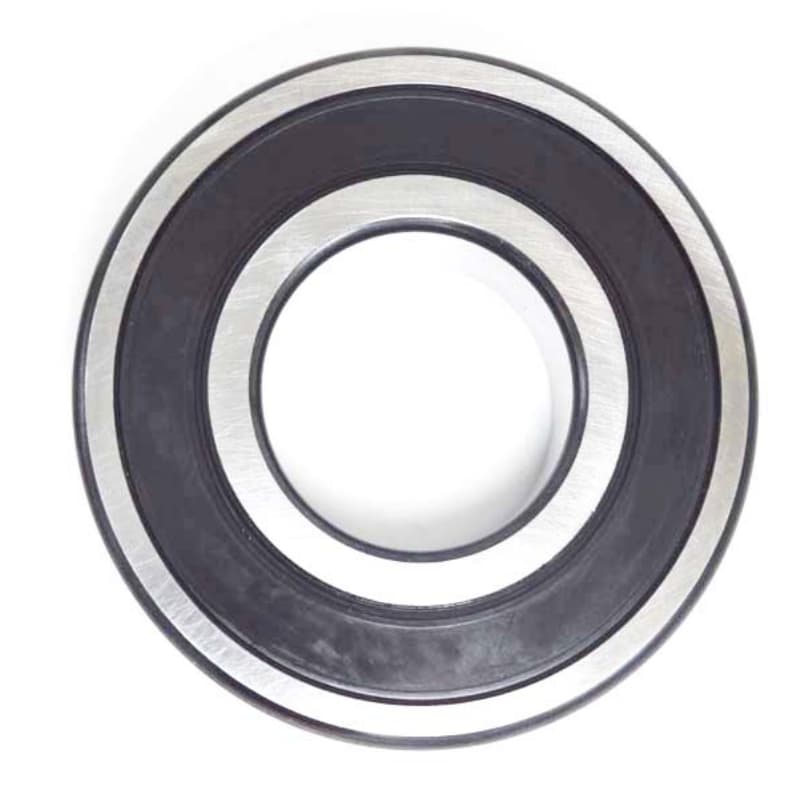
When I first started in this industry, a mentor told me something that stuck. He said, “If it spins, there is likely a deep groove ball bearing inside it.” He was right. These bearings are so common because they solve a universal problem: how to make something spin smoothly for a long time with minimal maintenance.
Common Applications Beyond Cooling Towers
While our focus is cooling tower fans, the use cases for these bearings are everywhere. This versatility is a big reason why they are so widely available and well-understood.
- Electric Motors2: This is the most common application. Every motor in a factory, from a small conveyor motor to a large industrial pump, relies on deep groove ball bearings. The motor is the engine, and the bearing is the part that lets the engine spin freely.
- Pumps3: A pump moves liquid. The impeller inside it spins at high speeds. Deep groove ball bearings support that shaft. They are chosen for their ability to handle the radial load from the impeller and run with the low vibration needed for a pump to work properly.
- Automotive Components: Think of alternators, water pumps, and air conditioning compressors in cars. All of these use deep groove ball bearings. They need to be compact, durable, and able to run at the high speeds of a car engine.
- Industrial Machinery4: This is a huge category. It covers everything from textile machinery to conveyors and packaging equipment. The common need is a bearing that can handle continuous operation with low noise and minimal heat.
Why This Matters for Your Business
For my customers, like Rajesh in India who runs an import and distribution business, this wide range of uses is a key point. When he buys deep groove ball bearings from us at FYTZ, he is not just buying a part for one specific machine. He is buying a part that his own customers will need for motors, pumps, fans, and more.
This means a single SKU can serve many different industries. It simplifies inventory for him. It means he can supply a car parts wholesaler one day and an industrial repair shop the next with the same reliable bearing. That is the power of a versatile, high-quality product. We design our bearings to meet the demands of all these applications, with precision grades like P5 and P6 to ensure they run smoothly and quietly, no matter the machine.
What is the best bearing for a fan?
You walk into a warehouse. You hear a loud screech from a fan. You know a bearing is failing, but which one should you replace it with?
For almost all industrial fans, including the high-speed ones in cooling towers, the best bearing is a single-row deep groove ball bearing1. It offers the best balance of speed capacity, load handling, and quiet operation.
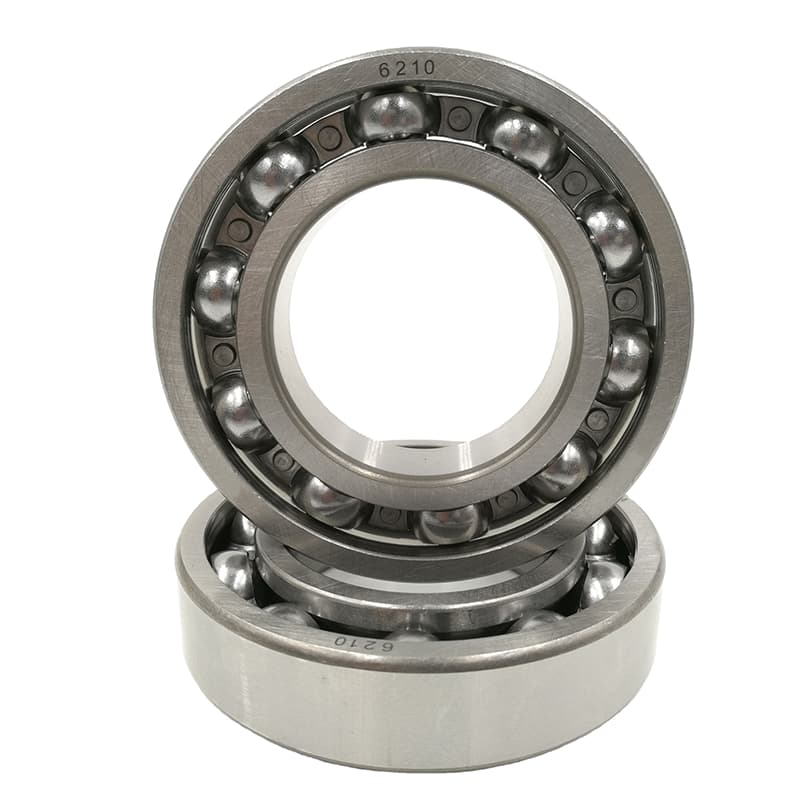
Calling a bearing the "best" is a bold statement. But in the world of fans, the deep groove ball bearing earns this title. I have seen the results of using other bearings in fans. The choice is usually not a debate among engineers. It is a standard for a reason.
Let’s break down why it is the best. We need to look at the specific demands a fan places on a bearing.
The Specific Demands of a Fan
A fan is a unique machine. It is not like a heavy rolling mill or a car wheel. It has its own set of challenges.
- High Speed: Most industrial fans run at high speeds. They need to move a lot of air quickly. A bearing for a fan must have a high speed rating2. Deep groove ball bearings are built for this.
- Moderate Loads: The load on a fan bearing comes from the weight of the fan rotor and the force of the air it moves. These are moderate loads. They are not the extreme, crushing loads you see in heavy machinery. The deep groove ball bearing handles this perfectly. It does not need the heavy-duty design of a roller bearing.
- Vibration and Noise: This is a big one. A loud, vibrating fan is a sign of a problem. It can be annoying to workers. It can also indicate that the bearing is failing. Deep groove ball bearings, especially those made with precision (like our P5 or P6 grades at FYTZ), run with very low noise and vibration. This makes them the best for environments where a smooth, quiet operation matters.
The Risks of the “Wrong” Best Bearing
I have had customers ask me about using a different bearing. They might think a spherical roller bearing3 is “stronger” and therefore “better”. But stronger does not always mean better.
If you put a spherical roller bearing in a high-speed fan, here is what happens:
- Heat Builds Up: Roller bearings have higher friction. At high speeds, this friction creates a lot of heat.
- Lubrication Fails: The extra heat can break down the grease inside the bearing.
- Seizing: Without proper lubrication, the bearing can seize. When that happens, the fan stops. Sometimes, the shaft can even break.
This is a failure scenario we want to avoid. The best bearing is not the one with the highest load rating. The best bearing is the one that is correctly matched to the machine’s needs. For a fan, the deep groove ball bearing is that perfect match.
Are deep groove ball bearings1 suitable for high speed applications2 and are commonly found in motors pumps3 and machinery?
You see a specification sheet. It says “high speed.” You need to know if a standard bearing can truly handle it.
Yes, deep groove ball bearings are not only suitable for high speed applications, they are the most common bearing type found in electric motors4, pumps, and general industrial machinery because of their versatility and reliability.
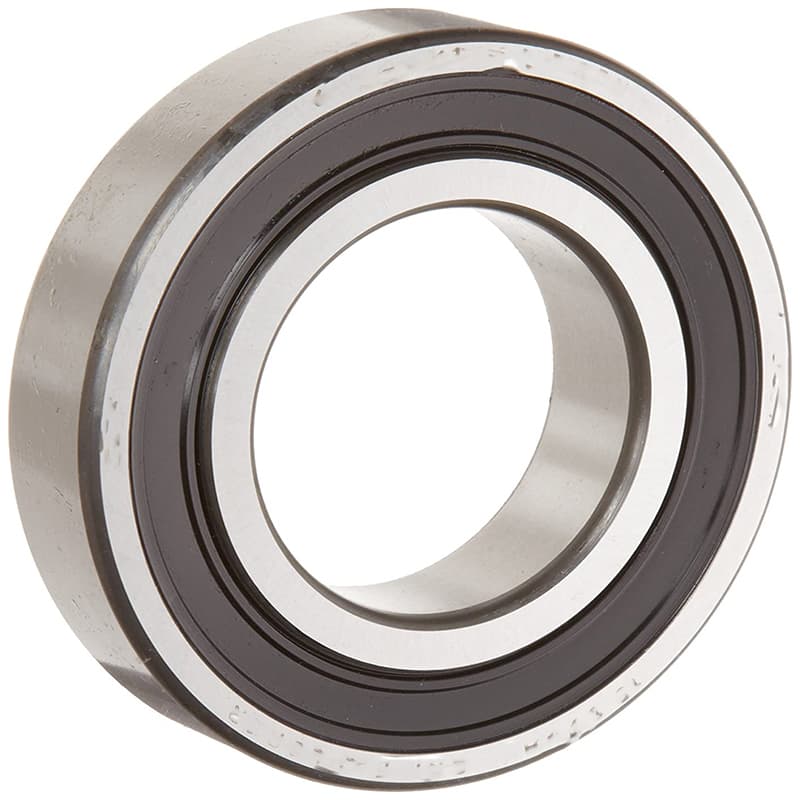
This question touches on the core of what we do at FYTZ Bearing. It combines the technical capability (suitability for high speed) with the market reality (being commonly found in motors and pumps). The two parts of this question are actually connected.
The Technical Side: Why They are Suitable for High Speed
From a purely engineering perspective, deep groove ball bearings are designed for high speed. The factors that make them high-speed capable include:
- Ball-to-Raceway Contact: The point of contact between the ball and the raceway is very small. This small contact area creates very little rolling resistance. This is the main reason they can spin so fast.
- Cage Design: The cage holds the balls in place. For high-speed applications, we often use a cage made of a strong, lightweight material like steel or polyamide. This keeps the balls spaced correctly even at high RPM.
- Internal Clearance: The amount of internal “play” in the bearing can be adjusted. For high-speed applications that may run hot, we recommend a specific clearance (like C3) that allows the bearing to expand without causing internal stress as it heats up.
The Market Reality: Why They are the Common Choice
Now, why are they so common in motors, pumps, and machinery? It comes down to economics and standardization.
Imagine a factory that makes pumps. They need one bearing that works in the motor that drives the pump and in the pump assembly itself. Standardizing on a deep groove ball bearing simplifies their purchasing, reduces their inventory costs, and makes assembly faster. It is the path of least resistance, but also the path of smart engineering.
For a distributor like Rajesh, this standardization is a huge benefit. It means the deep groove ball bearings he buys from us have a massive, ready-made market. Every pump manufacturer, every motor repair shop, and every industrial facility in his network in Mumbai is a potential customer. The product is not a niche item. It is a core, high-volume product that everyone needs.
My Factory’s Insight
At our factory, we see this demand first-hand. We have integrated production and inspection lines for a reason. We know that when a customer orders deep groove ball bearings for motors and pumps, they are not just buying a part. They are buying reliability.
They are buying a bearing that will not fail after a week of running at high speed. They are buying the confidence that their own customers will not call them with a complaint. This is why we focus so much on precision and quality control. We know that for high-speed applications, there is no room for error. A small defect in the raceway or a ball that is not perfectly round will cause noise, vibration, and a premature failure. We ensure our bearings are built to avoid these issues.
Conclusion
Choosing the right bearing is about matching the part to the job. For high-speed cooling tower fans, deep groove ball bearings offer the best performance, reliability, and value.
-
Explore this link to understand the versatility and reliability of deep groove ball bearings in various applications. ↩ ↩ ↩ ↩
-
Learn about the engineering aspects that make bearings suitable for high speed, ensuring optimal performance. ↩ ↩ ↩ ↩
-
Find out how these bearings enhance the performance and reliability of pumps in various industries. ↩ ↩ ↩
-
Discover the role of deep groove ball bearings in electric motors and their impact on efficiency. ↩ ↩