
Are you tired of assembly headaches and shaft misalignment ruining your machinery’s performance? I see this issue every day with my clients.
Combining a deep groove ball bearing with a pillow block housing creates a self-contained, pre-lubricated, and easily mountable unit. This setup simplifies assembly, protects the bearing from contamination, and provides reliable support for rotating shafts.
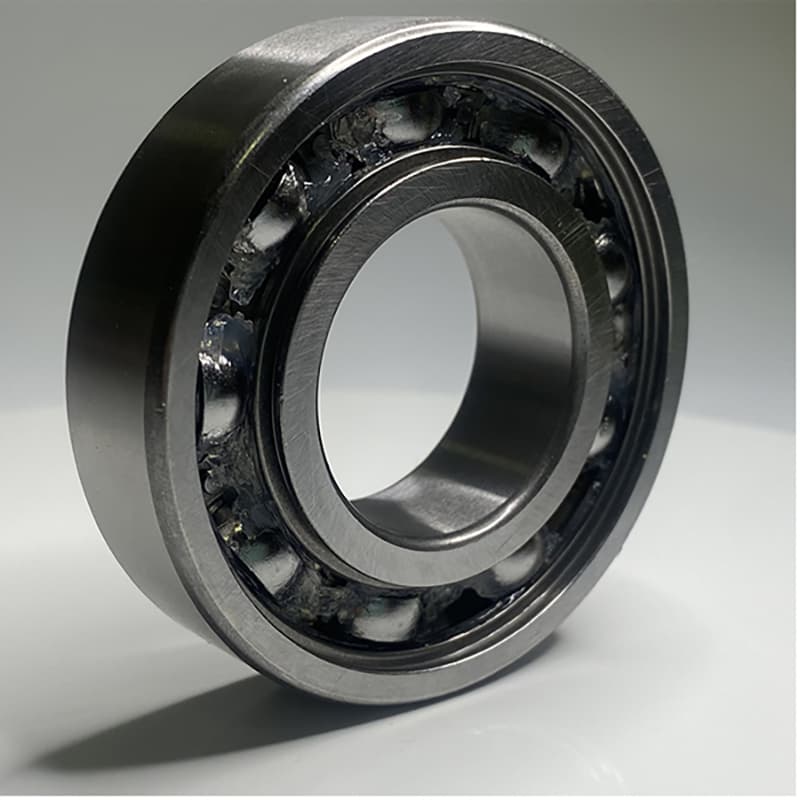
Many of my customers, like Rajesh in Mumbai, start by buying bearings and housings separately. They soon realize that getting the combination right is the secret to cutting downtime and maintenance costs. Let me walk you through why this specific combination is a game-changer for your applications.
Key Benefits of Combining Deep Groove Ball Bearings with Pillow Block Housings?
You might wonder if a separate bearing and housing are better. In my experience, the combined unit almost always wins for most standard applications.
The main benefits are simplicity and protection. A pillow block housing gives you a flat, pre-drilled mounting surface. The deep groove ball bearing inside handles both radial and some axial loads. Together, they make installation fast and create a sealed unit that keeps dirt out and lubricant in.
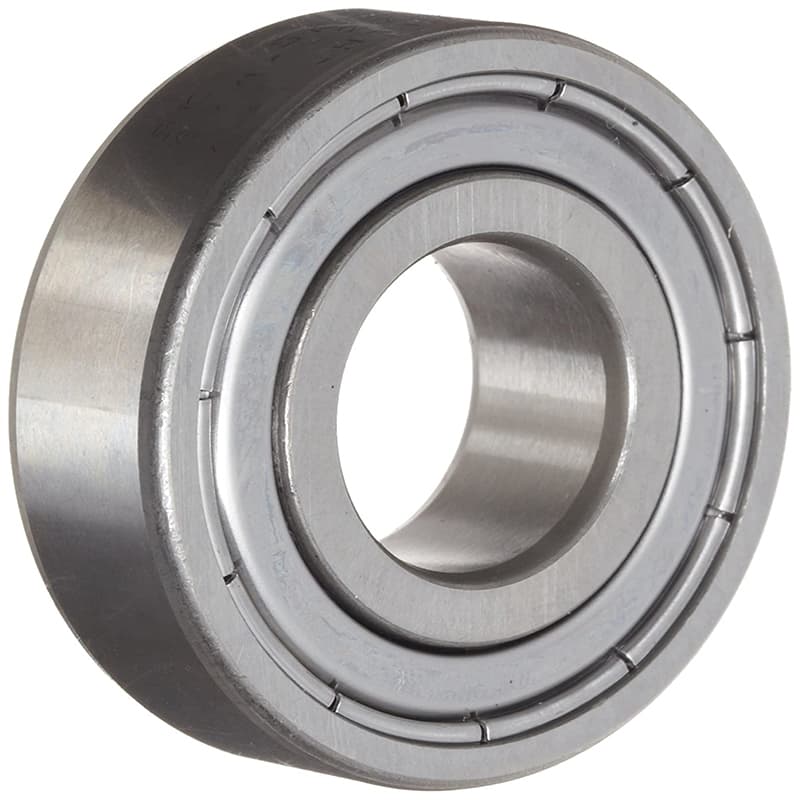
Let’s break down these benefits. I often explain this to my clients who run workshops or factories. They want to know why they should pay for a complete unit when they could just buy a bearing and weld a mount themselves.
1. Simplified Mounting and Replacement1
When you use a separate bearing, you need to machine a housing, which takes time and money. With a pillow block unit, the housing is ready to go. You just bolt it down. This saves hours of labor. If a bearing fails, you don’t need to press it out of a custom housing. You simply unbolt the whole unit and bolt a new one on. For a procurement manager like Rajesh, this means less downtime for his customers, which makes his spare parts more valuable.
2. Superior Contamination Control2
A deep groove ball bearing is a precision component. Dirt, water, and dust are its worst enemies. When you mount a bearing in a pillow block housing, it comes with seals. These seals are designed to keep contaminants out and keep the grease in. In my work with clients in dusty environments, like construction or agriculture, this is a non-negotiable feature. A sealed unit can last three to five times longer than an open bearing in the same dirty conditions.
3. Handling Combined Loads3
Deep groove ball bearings are versatile. They are excellent at handling radial loads, which are forces perpendicular to the shaft. But they also handle some axial loads, which are forces along the shaft. When you place this bearing inside a sturdy cast iron housing, you get a stable platform. The housing absorbs the mounting stress. This means the bearing can focus on its job of supporting the shaft smoothly.
4. Cost-Effectiveness4
From my perspective, the total cost is lower with a pre-assembled unit. You avoid the cost of designing and machining a custom housing. You also reduce the cost of spare parts inventory. Instead of stocking many different bearing sizes and many different housing sizes, you stock one integrated unit. This is a big point for my distributors. They can serve more customers with fewer SKUs.
Selection Criteria: Matching Bearing Type and Housing Material?
Choosing the wrong material can lead to premature failure. I have seen perfectly good bearings fail just because the housing was not suited for the environment.
You must match the bearing’s load rating1 to your machine’s demands and match the housing material2 to your environment. Use steel or cast iron for heavy loads and high strength. Use plastic or stainless steel housings for wet or corrosive environments.
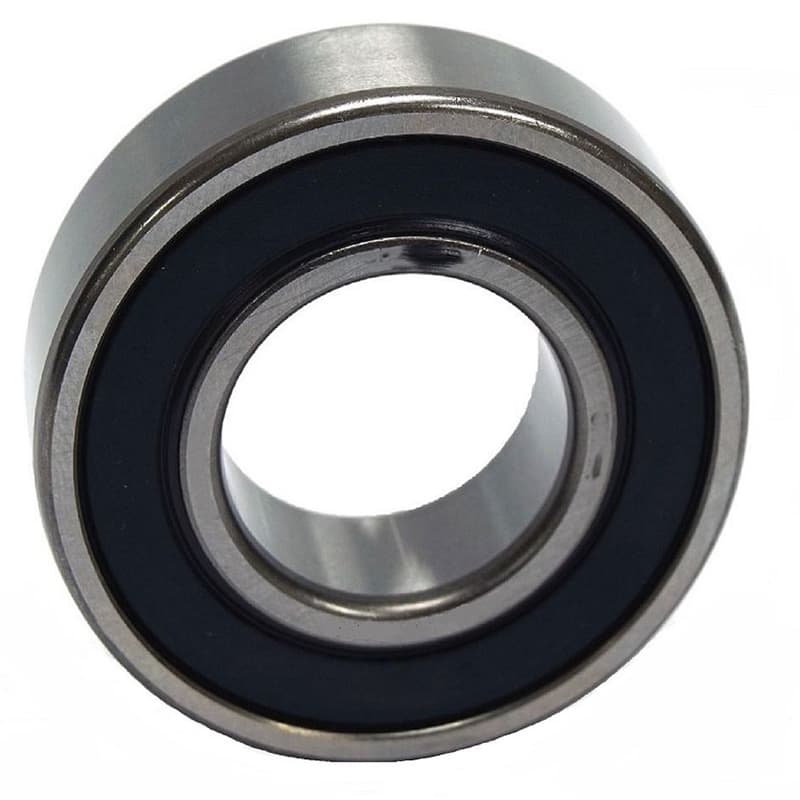
This is where I spend most of my time advising clients. It is not just about the bearing number. The housing material2 and the bearing type work together as a system. If you get this wrong, the whole unit fails.
To make this clear, I often use a simple table with my customers:
| Housing Material | Best For | Key Properties | Common Applications |
|---|---|---|---|
| Cast Iron | General industrial use | High strength, excellent vibration damping, cost-effective | Conveyors, agricultural machinery, textile machines |
| Pressed Steel | Light-duty, compact applications | Lightweight, lower cost, good for high-speed operations | Fans, small gearboxes, packaging equipment |
| Stainless Steel | Food processing, pharmaceutical, marine | Corrosion-resistant, high strength, easy to sanitize | Food and beverage lines, medical devices, outdoor equipment |
| Thermoplastic | Chemical plants, wet environments | Excellent chemical resistance, lighter than metal, corrosion-proof | Wastewater treatment, chemical mixing, marine docks |
When selecting the bearing itself, you need to look at the load. I always ask my clients about the load direction and magnitude. A standard deep groove ball bearing in a pillow block is great for moderate radial loads. If your application has a heavy axial load or shock loads, you might need to look at a different internal design or a larger bearing.
For example, if you are building a conveyor for heavy stone, I would recommend a cast iron housing3. Cast iron handles the vibration. I would pair it with a bearing that has a larger ball complement or a tighter internal clearance (C3). This ensures the bearing can handle the starting and stopping forces without overheating.
If you are in a food processing plant, the material choice is critical. You cannot use cast iron because it will rust. I would guide you to a stainless steel housing with a stainless steel bearing4. It costs more upfront, but it lasts for years in a wash-down environment. This is the kind of long-term thinking I encourage. It protects your reputation and your customer’s uptime.
Proper Installation and Alignment Techniques?
Even the best bearing unit will fail quickly if it is not installed correctly. I often say that misalignment is the silent killer of bearings.
Proper installation1 starts with a flat, clean mounting surface. Use a torque wrench to tighten the bolts in a star pattern. Then, ensure the shafts are aligned to within 0.05 mm to avoid putting uneven stress on the bearing.
Let me share a story. A client in Turkey called me, frustrated. His bearings were failing every two weeks. He thought the product was bad. I asked him about his installation process. He was using a hammer to seat the shaft. This is a common but costly mistake.
The Mounting Surface
The first step is the foundation. The pillow block has a base. This base must sit on a flat, rigid surface. If the surface is uneven, it will twist the housing. This twisting force is transferred to the outer ring of the bearing. The bearing then loses its internal clearance. It starts running tight. This creates heat, and heat is the beginning of the end.
Tightening Procedures
You cannot just tighten one bolt all the way down. This will distort the housing. I always tell my customers to use a star or crisscross pattern. Start all bolts by hand. Then, tighten them in stages. Use a torque wrench. The torque value is important. Too tight, and you strip the threads or distort the base. Too loose, and the unit vibrates loose. I can provide these torque specifications for any unit we sell.
Shaft Alignment
This is the most critical part. If you have two pillow blocks on one shaft, they must be perfectly aligned. I mean perfect. There are two types of misalignment: angular and parallel.
- Angular misalignment happens when the center lines of the bearings are at an angle.
- Parallel misalignment happens when the bearings are offset but parallel.
Both put a huge strain on the balls and the raceways. The bearing tries to correct the misalignment internally. It creates friction. That friction turns into heat. Eventually, the bearing seizes or the cage breaks.
Lubrication2
Even with sealed units, I recommend a maintenance schedule. Some units have a grease fitting. If yours does, use a high-quality lithium-based grease. Do not over-grease. Over-greasing is as bad as under-greasing. It causes the seals to bulge and the bearing to overheat. I usually tell my clients to add grease slowly while the shaft is running until you see a small bead of old grease exiting the seal. Then, stop.
Common Industrial Applications and Use Cases?
Where do you actually see this combination in the real world? The list is long, but I want to highlight the most common places.
You will find deep groove ball bearings1 in pillow block housings2 on conveyors, agricultural equipment, fans, and textile machinery. Any application that needs a rotating shaft with a simple, reliable mounting solution will use these units.
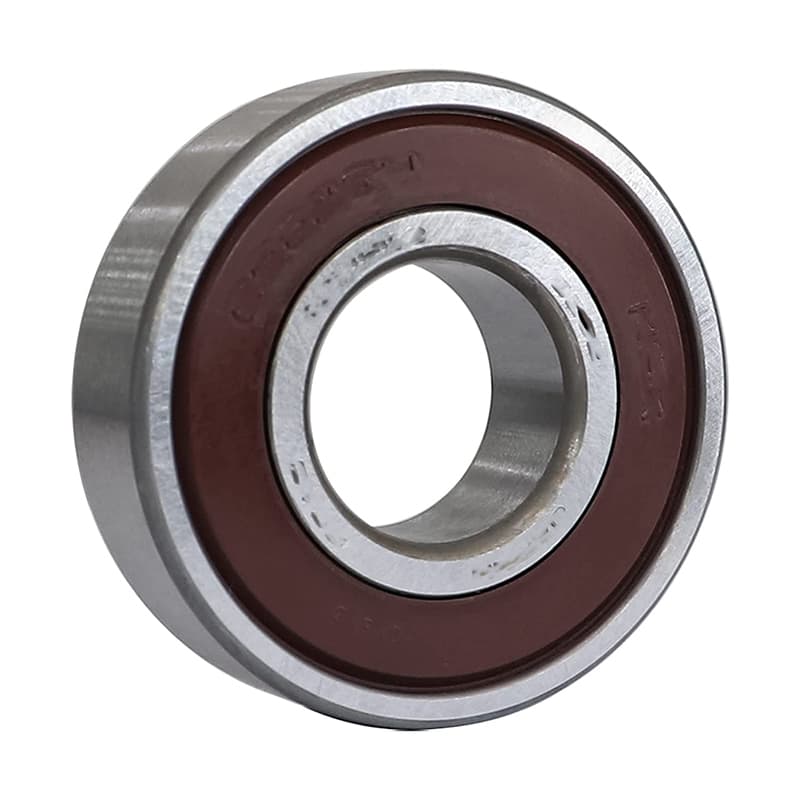
In my years of supplying bearings, I have seen these units in almost every industry. My factory ships them to places like Brazil, Egypt, and Indonesia. Each region has its own set of common uses.
Material Handling (Conveyors)3
This is the biggest market for these units. Think of a conveyor belt in a warehouse or a mine. The shaft that drives the belt needs to be supported every few meters. A pillow block unit is perfect for this. It is easy to mount on the conveyor frame. When a bearing fails on a busy line, maintenance crews can replace the whole unit in minutes. Speed is everything here. For a distributor like Rajesh in India, supplying reliable pillow block units for the e-commerce boom or for industrial manufacturing is a steady business.
Agricultural Machinery4
I work with many clients in agricultural regions. Equipment like harvesters, balers, and irrigation systems runs in harsh conditions. There is dust, mud, and vibration. A sealed pillow block unit is the go-to solution. Farmers do not have time to press bearings in and out. They want a unit they can bolt on and forget about. For these applications, I often recommend a cast iron housing with a triple-lip seal to keep the dust out.
HVAC Systems (Fans and Blowers)5
Large industrial fans and blowers rely on these bearing units. The fans run for long hours. They need a bearing that can handle high speeds. The deep groove ball bearing inside is designed for this. The pillow block housing provides a stable mount on the fan frame. The key here is noise. A poorly installed or low-quality bearing will create noise. My clients in this industry always ask for our P5 or P6 precision class bearings to ensure quiet, smooth operation.
Textile Machinery6
Textile machines run at incredibly high speeds. They also run 24 hours a day. The bearing units need to be precise and well-lubricated. I supply many of these to Vietnam and Pakistan. In this case, the housing itself is often smaller and more compact. The focus is on the internal precision of the deep groove ball bearing. A minor vibration in the bearing will show up as a flaw in the fabric. So, my clients in this industry are very particular about the quality and the internal clearance.
Automotive and Aftermarket
While a car doesn’t use pillow blocks on its wheels, the manufacturing equipment that makes cars does. Also, in the automotive aftermarket, repair shops use these for custom builds, repair shop equipment like lifts, and for heavy-duty vehicle systems. The key for my automotive clients is a wide range of sizes. They need to stock the common imperial and metric sizes to cover all the vehicles they service.
Conclusion
Combining deep groove ball bearings with pillow block housings simplifies your design, protects your equipment, and cuts maintenance time significantly.
-
Explore this link to understand the versatility and importance of deep groove ball bearings in various industries. ↩ ↩ ↩ ↩
-
Learn about the critical role of pillow block housings in supporting rotating shafts and enhancing machinery efficiency. ↩ ↩ ↩ ↩ ↩
-
Discover effective strategies for optimizing conveyor systems in material handling applications. ↩ ↩ ↩
-
Find out how pillow block bearings improve the reliability and efficiency of agricultural equipment. ↩ ↩ ↩
-
Understand the significance of pillow block bearings in ensuring the smooth operation of HVAC systems. ↩
-
Explore the unique requirements of textile machinery and how quality bearings can prevent production flaws. ↩
