
I once had a customer in Indonesia who ordered a full container of pillow block bearings. Six months later, he called me angry. The bearings were rusty. He thought I sent him bad products. But the problem was not my factory. The problem was his warehouse.
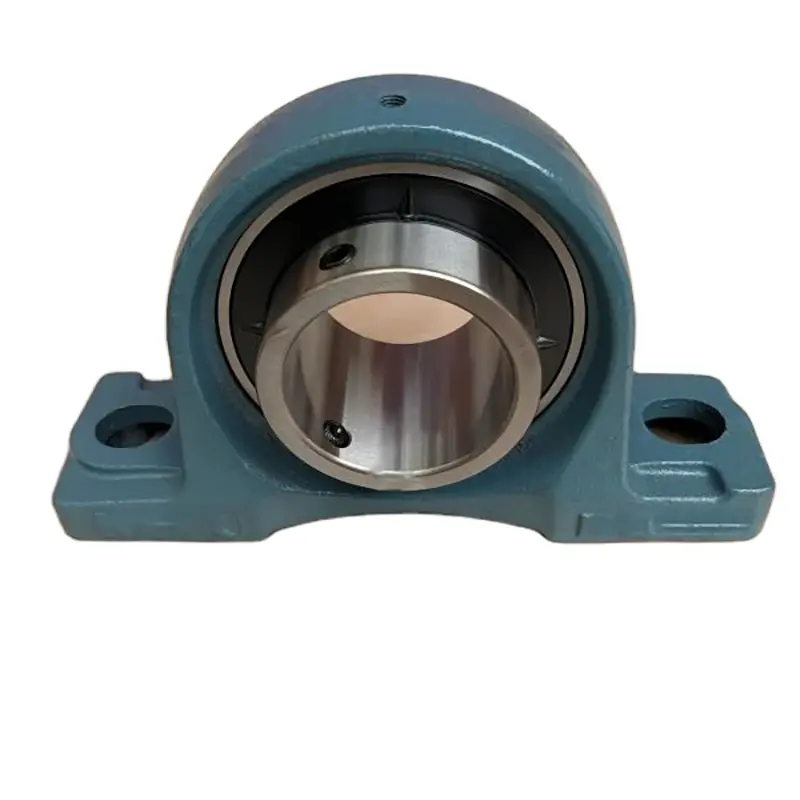
The best way to store pillow block bearings is to keep them in their original packaging in a clean, dry indoor space with stable temperature and low humidity. You should keep them off the floor and away from vibrations. This prevents rust and keeps the bearings ready for use.
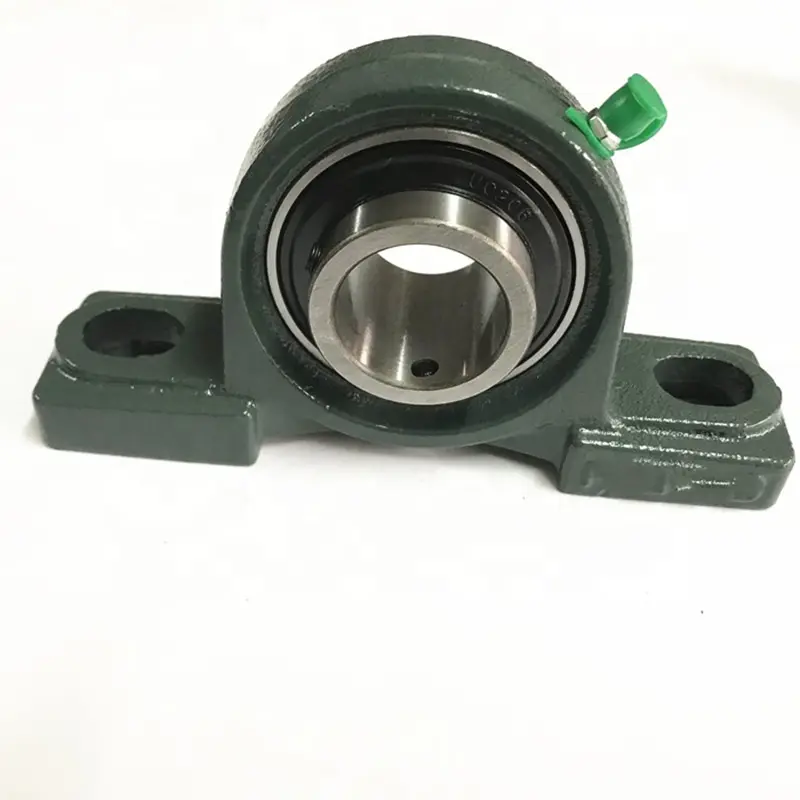
I learned this lesson early in my business. A bearing can be perfect when it leaves my factory. But how you store it matters just as much as how you use it. Let me share what I have learned about keeping bearings safe in storage.
What are the best practices for bearing storage1?
I get this question from distributors like Rajesh all the time. They buy large quantities. They need to keep them for months. They want to know the rules.
The best practices for bearing storage are to keep bearings in a clean, dry environment with stable temperature2, maintain the original packaging until use, store them horizontally, and rotate stock using a first-in-first-out system3. These practices protect the bearings from rust, contamination, and damage.
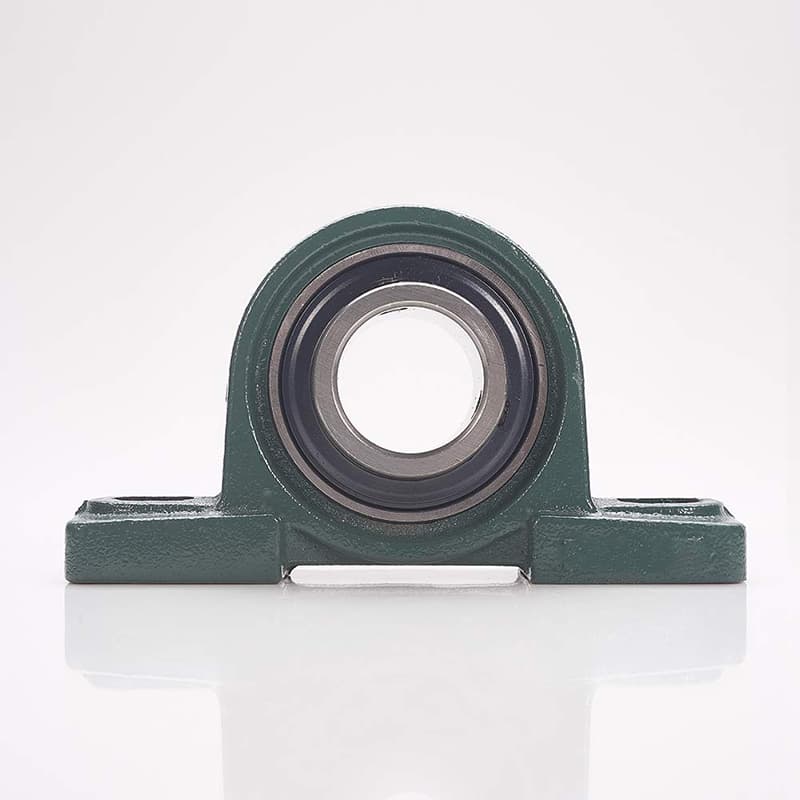
A Complete Guide to Proper Storage
I have visited many warehouses over the years. The good ones follow the same rules. The bad ones all make the same mistakes. Let me break down the key practices.
The Storage Environment
The place where you keep your bearings matters more than anything else.
- Temperature: You want a stable temperature. Big swings in temperature cause condensation. Condensation creates rust. The ideal range is between 10°C and 25°C (50°F to 77°F). Do not store bearings near heaters or air conditioning vents.
- Humidity: This is critical. High humidity causes rust. You want relative humidity4 below 60%. If your warehouse is humid, use a dehumidifier. I have seen warehouses near the coast lose thousands of dollars in bearings because of humidity.
- Cleanliness: Dust and dirt are the enemies. They can get into the bearing seals. They can scratch the surfaces. Keep the storage area clean. Do not store bearings near grinding operations or other dusty work.
- No vibration: Bearings are precision parts. Constant vibration can cause false brinelling. This is when the rolling elements make small dents in the raceway from vibration. Keep bearings away from heavy machinery that vibrates.
I tell my customers to think of bearings like eggs. You would not store eggs in a hot, damp, dusty room. Bearings are the same. They need care.
The Original Packaging
This is a simple rule that people break all the time.
- Leave the packaging on: Bearings come with a rust-preventive coating. The packaging keeps that coating intact. It also keeps dirt out. Do not open the box until you are ready to use the bearing.
- Check for damage: When you receive bearings, inspect the packaging. If the box is damaged, open it and inspect the bearing. A damaged box can let moisture in.
- Do not repackage: If you must open a bearing, repackage it properly. Use the same type of protective coating. Use a sealed plastic bag. Do not just put it back in the box without protection.
I have seen people open a box to show a customer a bearing. Then they put it back on the shelf. Six months later, that bearing is rusty. The oil from their fingers caused the rust. Keep the packaging on.
Storage Position
How you place the bearings on the shelf matters.
- Horizontal storage: Store pillow block bearings with the shaft hole horizontal. This keeps the weight off the seals. Storing them vertically can deform the seals over time.
- Off the floor: Do not store bearings directly on the floor. Floors can be damp. Use pallets or shelving. This allows air to circulate.
- No stacking: Do not stack heavy items on top of bearing boxes. This can deform the housings. It can also damage the seals.
Stock Rotation
Bearings do not last forever in storage. The grease has a shelf life.
- First in, first out: Use the oldest bearings first. This is a simple rule. But it is easy to forget when you have a busy warehouse.
- Check dates: If you receive bearings with a manufacture date, note it. Grease typically lasts three to five years in storage under good conditions. After that, it starts to separate or harden.
- Inspect old stock: If you have bearings that have been in storage for more than two years, inspect them before use. Check for rust. Check that the seals are still soft. Check that the bearing turns smoothly.
I had a customer in Brazil who found a box of bearings in the back of his warehouse. They had been there for four years. He installed them without checking. Every single bearing failed within a month. The grease had hardened. The bearings were dry. A simple inspection would have saved him a lot of trouble.
How do you prevent bearing rust1?
Rust is the enemy of bearings. I see it all the time. A bearing with rust on the raceway is garbage. You cannot fix it. The only solution is prevention.
You prevent bearing rust by controlling the storage environment, maintaining the original rust-preventive coating2, keeping bearings in sealed packaging, and avoiding direct handling with bare hands. Rust starts with moisture. Stop the moisture, stop the rust.
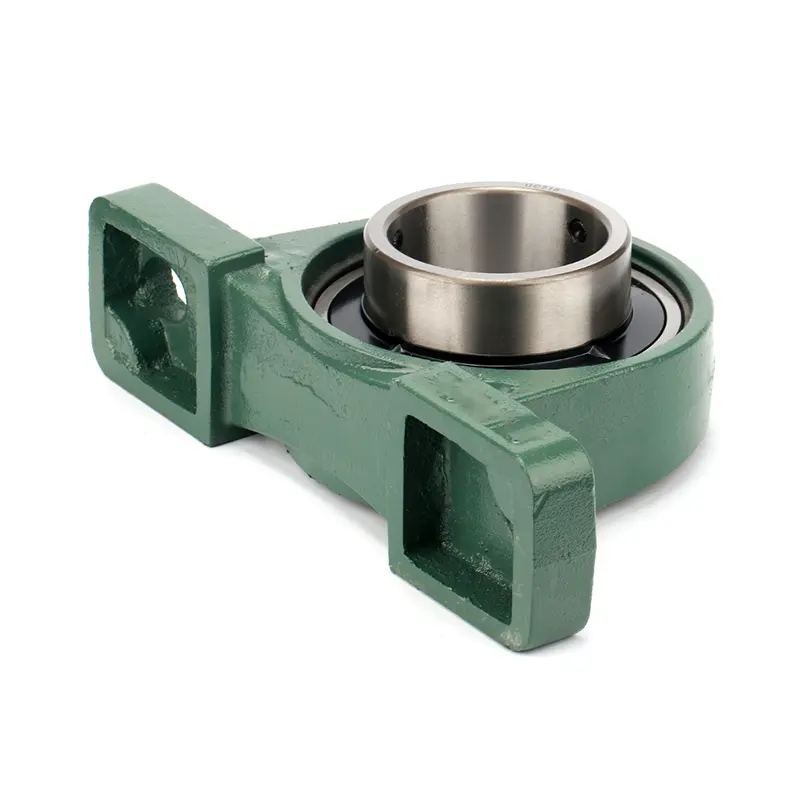
The Science of Rust and How to Beat It
Rust is iron oxide. It forms when iron meets oxygen and water. Bearings are made of steel. Steel has iron. So bearings can rust. Let me explain how to stop this process.
The Role of Humidity
Humidity is the biggest factor. Water vapor in the air is enough to start rust.
- At 60% relative humidity, rust forms slowly. At 80% humidity3, rust forms quickly.
- The problem gets worse when temperature changes. Warm air holds more moisture. When the air cools, that moisture condenses on cold surfaces. This is why bearings stored near a door that opens to the outside can get wet.
- The solution is to keep the storage area dry. Use a hygrometer to monitor humidity. Use a dehumidifier if needed. Seal the storage area from outside air.
I have seen warehouses in coastal areas struggle with this. The sea air is salty and humid. That is a deadly combination for bearings. In those cases, you need extra protection.
The Protective Coating
When bearings leave my factory, they have a rust-preventive coating. This is a thin layer of oil or grease that protects the metal.
- Do not wash this coating off until you are ready to install the bearing.
- If you must remove the coating for inspection, reapply it immediately. Use a light machine oil or a rust-preventive spray.
- For long-term storage, some bearings come with a thicker coating. This is called a "preservative." It is designed to last for years. Do not remove it.
I have seen people wash new bearings in solvent to remove the coating. They think it is dirty. But that coating is there for a reason. Without it, the bearing will rust.
Handling with Care
Your hands can cause rust. This sounds strange, but it is true.
- Your skin has oils and acids. When you touch a bearing, you leave these behind.
- The oil from your fingers can trap moisture against the metal.
- Over time, this creates fingerprints of rust.
The fix is simple. Wear clean cotton gloves4 when handling bearings. Or handle them through a clean cloth. This is especially important for precision bearings.
Packaging for Storage
The right packaging makes a big difference.
- VCI paper5 is a good option. VCI stands for vapor corrosion inhibitor. It releases a chemical that prevents rust. Wrap bearings in VCI paper before sealing them in plastic.
- Sealed plastic bags work well. But make sure the bearing is dry before sealing it. If you seal moisture inside, you create a rust chamber.
- Do not use regular cardboard for long-term storage. Cardboard absorbs moisture. It can hold moisture against the bearing.
I recommend keeping bearings in the original packaging. The factory knows how to package them for storage. Trust that.
Storage Environment Checklist
| Factor | Good Practice | What to Avoid |
|---|---|---|
| Humidity | Below 60%, use dehumidifier if needed | High humidity, condensation |
| Temperature | Stable, 10°C to 25°C (50°F to 77°F) | Big temperature swings, heat sources |
| Cleanliness | Clean, sealed storage area | Dust, dirt, chemical fumes |
| Handling | Cotton gloves, clean hands | Bare hands, oily fingers |
| Packaging | Original packaging, VCI paper | Open boxes, damaged packaging |
How should bearings be stored?
This is a question about the details. The environment is one thing. But the actual method of storage matters too. I want to give you the specific steps.
Bearings should be stored horizontally on shelves, in their original packaging, in a clean and dry room. They should be arranged so you can use the oldest ones first. Large bearings should be supported so they do not deform under their own weight.
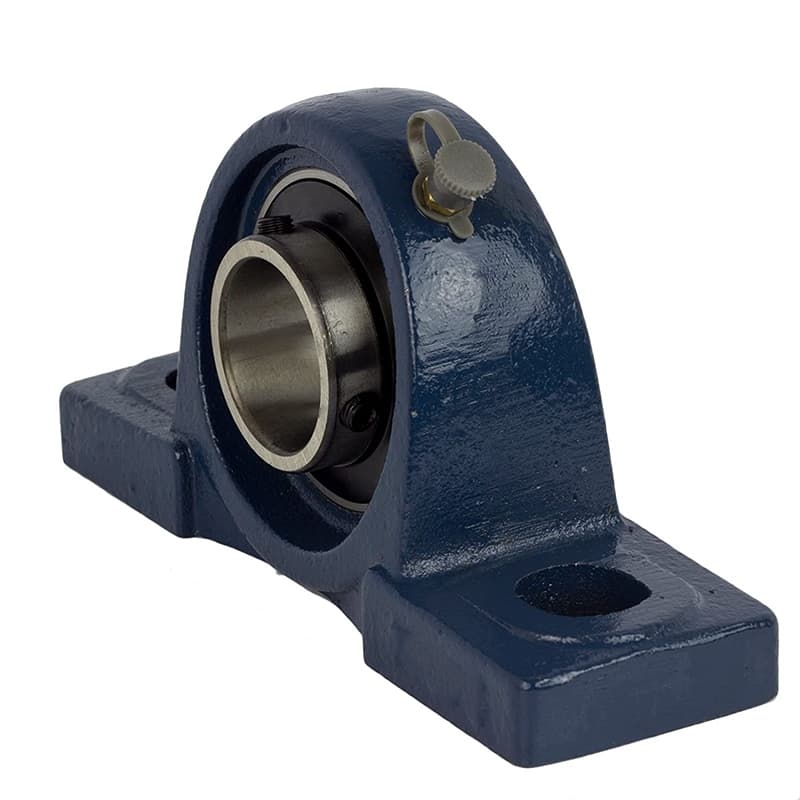
The Step-by-Step Storage Method
Let me walk you through how a good warehouse stores bearings.
Step One: Receive and Inspect
When bearings arrive, inspect them right away.
- Check the packaging for damage. Look for tears, dents, or water stains.
- If the packaging is damaged, open it. Inspect the bearing for rust or damage.
- If the bearing is fine, repackage it properly. Use VCI paper1 and a sealed plastic bag.
- Record the receipt date. This is important for rotation.
Step Two: Choose the Right Location
Pick a good spot for bearing storage.
- Find a room that is clean, dry, and temperature-controlled2.
- Keep bearings away from outside walls. Walls can be cold. They can cause condensation.
- Do not store bearings near chemicals. Chemical fumes can cause corrosion.
- Keep bearings away from windows. Sunlight creates heat. Heat is bad for grease.
Step Three: Store Properly
How you place the bearings matters.
- For small bearings, keep them in their boxes. Stack boxes neatly. But do not stack too high. Heavy stacks can damage the bottom boxes.
- For large pillow block bearings, store them with the shaft hole horizontal. This takes the weight off the seals.
- Keep bearings off the floor. Use pallets or shelving. This protects them from damp floors and from water if the floor gets wet.
- Do not store heavy items on top of bearing boxes.
Step Four: Label and Organize
A good system saves time and prevents mistakes.
- Label each shelf or box with the bearing size and type.
- Use a first-in-first-out system3. Put new stock at the back. Take old stock from the front.
- Keep a record of what you have. This helps you avoid over-ordering.
Step Five: Regular Inspection
Check your stored bearings from time to time.
- Look for signs of rust. If you see rust, separate those bearings. Check if they can be cleaned or if they need to be discarded.
- Check the packaging. If the plastic is torn, repackage the bearing.
- Check the temperature and humidity in the storage area. Make sure conditions are still good.
I have a customer in Vietnam who checks his bearing stock every three months. He has been doing this for years. He almost never has rust problems. It is a small effort that saves a lot of money.
Should you spray WD-401 on bearings?
I get this question often. People think WD-40 is a cure-all. It is not. Using it on bearings can cause more problems than it solves.
No, you should not spray WD-40 on bearings. WD-40 is a solvent and water displacer, not a lubricant. It can dissolve the factory grease in sealed bearings. It leaves a thin film that is not enough to protect the bearing during operation.
Understanding What WD-40 Does
WD-40 stands for Water Displacement, 40th formula. It was made to displace water and prevent rust. It is a light solvent with some oil in it.
Why WD-40 is Bad for Bearings
Let me explain the problems.
- It dissolves grease2: A sealed bearing has grease inside. That grease is carefully chosen for the bearing. WD-40 is a solvent. It will dissolve that grease. Once the grease is gone, the bearing has no lubrication.
- It is not a lubricant: After the solvent evaporates, WD-40 leaves a very light oil film. This film is not enough for a rolling bearing. A bearing needs grease. The grease stays in place. It creates a thick film. WD-40 does not do this.
- It attracts dust: The light oil film from WD-40 can attract dust and dirt. This creates a grinding paste inside the bearing.
- It is temporary: Even if you use WD-40 for rust prevention, it evaporates. After a few weeks, it is gone. Your bearing is unprotected.
I have seen people spray WD-40 on rusty bearings to "clean" them. Then they install the bearing. The bearing fails quickly. The WD-40 removed the remaining grease. Then the bearing ran dry.
What to Use Instead
If you need to protect bearings, use the right products.
- For storage: Use a proper rust-preventive oil3 or grease. These are made for long-term protection. They do not evaporate quickly.
- For cleaning: Use a bearing cleaner or a solvent. But only clean bearings that are open. Then relubricate them immediately with the correct grease.
- For lubrication: Use bearing grease4. Pick the right NLGI grade for your application. Do not use spray lubricants on sealed bearings.
If you have a bearing that is already installed and running, do not spray WD-40 on it. If it is making noise, the problem is not that it needs WD-40. The problem is that it needs maintenance or replacement.
A Simple Rule
Here is the rule I give all my customers. If a bearing is sealed, do not put anything into it. The grease inside is all it needs. If you think it needs more grease, it probably needs replacement. The only exception is a bearing with a grease fitting. For those, use a grease gun with the correct grease.
Conclusion
Store bearings in a clean, dry place. Keep them in their original packaging. Use them in order. And never use WD-40 on a bearing.
-
Explore the various uses of WD-40 to understand its properties and why it’s not suitable for bearings. ↩ ↩ ↩ ↩
-
Learn about the chemical properties of WD-40 and its effects on lubricants in bearings. ↩ ↩ ↩ ↩
-
Discover effective rust-preventive oils that can protect your bearings from corrosion. ↩ ↩ ↩ ↩
-
Find out which bearing greases are recommended for optimal performance and longevity. ↩ ↩ ↩
-
Discover the benefits of VCI paper for effective rust prevention in bearing storage. ↩