
I had a client in India send me a photo of a shaft last month. It had deep grooves worn into it right where the bearing sat. He thought the bearing was the problem. But the real problem was hiding in plain sight.
Shaft wear under a pillow block bearing is usually caused by relative movement between the shaft and the bearing inner ring. This movement comes from loose fit, vibration, or insufficient locking. The wear creates grooves that lead to more movement, more wear, and finally bearing failure.

I see this problem a lot. It costs companies money in shaft replacements and downtime. The good news is that shaft wear is easy to spot and even easier to prevent. Let me walk you through how to diagnose it and stop it from happening.
What causes pillow block bearing failure?
I look at failed bearings every week. The cause is almost always one of a few things. When a buyer like Rajesh asks me why a bearing failed, I walk them through the common reasons.
Pillow block bearings1 fail primarily due to improper mounting, misalignment between the shaft and housing, contamination entering through worn seals, and lubrication failure. Each failure type leaves a distinct pattern that helps you identify the root cause.
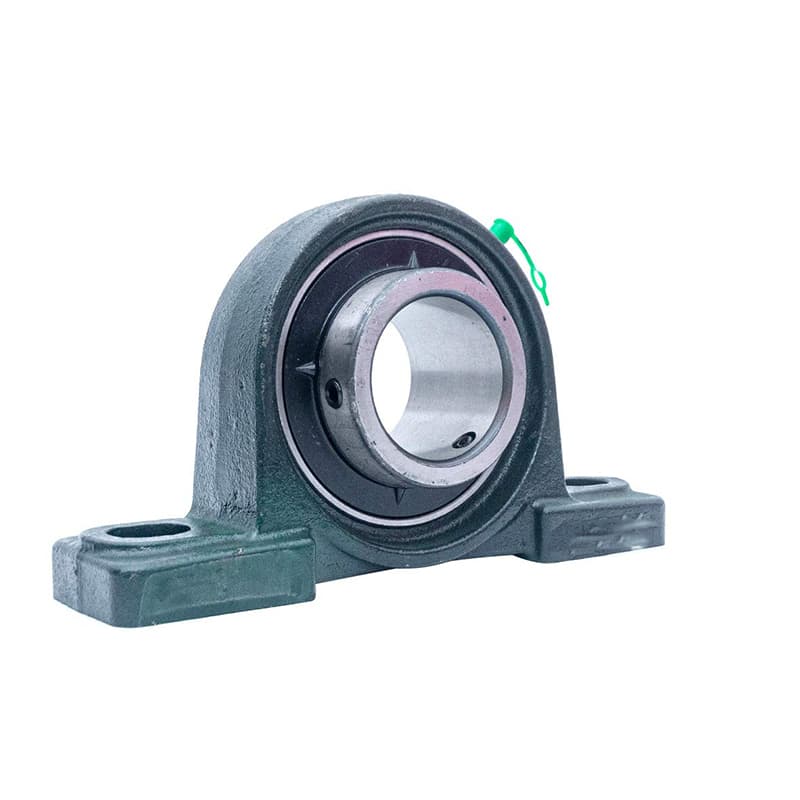
Breaking Down the Root Causes
When a bearing fails, the real cause is often deeper than the bearing itself. I have learned to look at the whole system. Here are the four main causes I see in my work.
Improper Mounting2
This is the most common cause. I see it in workshops all over the world. A mechanic takes a hammer and taps the bearing onto the shaft. That tapping creates dents inside the bearing.
- The force from the hammer goes through the balls and into the raceway. This creates small dents called brinelling.
- The dents cause vibration and noise from the start. The bearing life drops by half before it even runs.
- The other mounting mistake is uneven set screw tightening. One screw gets tightened all the way. Then the other screw is tightened. This pushes the inner ring off-center.
The fix is simple. Use the right tools. For set screw bearings, tighten each screw a little at a time. Go back and forth between the two screws. For eccentric locking collars, turn the collar in the direction the shaft will rotate.
Misalignment3
I see this in long conveyor systems. The mounting surfaces are not flat. The two bearings holding the same shaft are not lined up.
- When the shaft is not straight, the bearing gets forced to one side.
- The balls run in a crooked path. This creates uneven load.
- The bearing heats up. The grease breaks down. The bearing fails.
The solution is to use self-aligning pillow blocks4. The spherical outer surface of the bearing insert lets it tilt inside the housing. It can handle small mounting errors. For long shafts, this is the only way to go.
Contamination5
This is a big problem in food plants, farms, and mining operations. Dust, water, and chemicals get into the bearing.
- Water washes out the grease. Rust forms quickly.
- Dust acts like sandpaper. It grinds down the raceways and the balls.
- The bearing gets noisy first. Then it seizes.
The fix is matching the seal to the environment. For wet areas, use a bearing with a triple lip seal. For dusty areas, a sealed-for-life bearing works well. But you must check the seals are intact.
Lubrication Failure6
This is not just about running out of grease. It is about using the wrong grease or the wrong amount.
- Mixing different greases can cause them to harden like clay. The bearing locks up.
- Using a grease that cannot handle the temperature causes it to melt and run out.
- Too much grease causes churning and heat. Too little grease causes metal-to-metal contact.
The fix is to pick one grease type for your whole factory. Use a high-quality NLGI #2 grease with a lithium complex base. It works for most temperatures and speeds.
What are the common problems with pillow blocks?
I talk to buyers every day. They tell me about their problems. The problems are the same across industries. Let me share the ones I hear most often.
The most common problems with pillow blocks are premature bearing failure1 from incorrect fit2, noise and vibration3 from misalignment, overheating4 from excessive speed, and housing cracks5 from over-tightening mounting bolts6. These problems all have specific solutions that start with proper selection and installation.
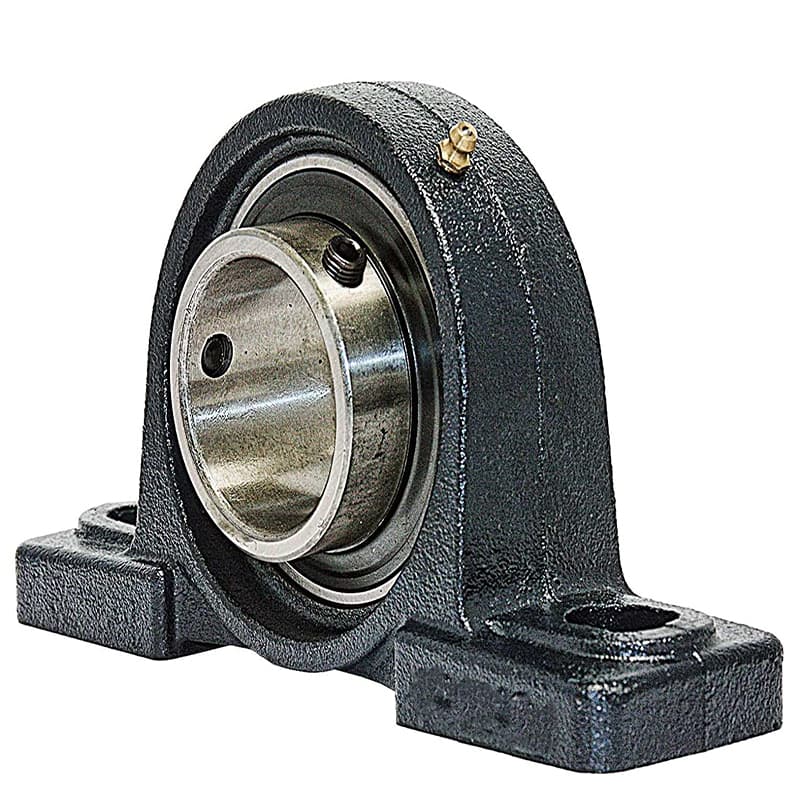
A Deeper Look at Everyday Issues
These problems come up again and again. I want to help you spot them early.
Incorrect Fit
The fit between the shaft and the bearing inner ring is critical. Too loose, and the inner ring spins on the shaft. This creates shaft wear. Too tight, and the inner ring expands. This reduces the internal clearance. The bearing runs tight and hot.
- I see this with set screw bearings. The set screws dig into the shaft. This creates a loose fit over time. The bearing starts to move. Then the shaft wears.
- I also see this with adapter sleeve bearings. People do not tighten the lock nut enough. The sleeve is loose. The bearing moves on the shaft.
The fix is to follow the fit recommendations in the bearing catalog. For set screw bearings, the shaft should have a machined surface. For adapter sleeves, use a spanner wrench to tighten the lock nut properly.
Noise and Vibration
Noise is the first sign of a problem. A bearing that runs quietly is a happy bearing. A bearing that makes noise is telling you something.
- A grinding noise usually means contamination. Dirt is inside the bearing.
- A squealing noise usually means the bearing is dry. There is not enough grease.
- A rattling noise usually means the bearing is loose on the shaft. The inner ring is moving.
- A humming noise usually means the bearing is misaligned. The balls are running in a crooked path.
Do not ignore noise. It is your early warning system.
Overheating
Heat kills bearings. A bearing that is too hot to touch is a bearing that is failing.
- Overheating can come from high speed. The bearing is running faster than its rating.
- Overheating can come from too much grease. The grease churns and creates heat.
- Overheating can come from the wrong grease. Some greases cannot handle high temperatures.
- Overheating can come from the bearing being too tight on the shaft.
The fix is to check the temperature regularly. Use an infrared thermometer. If a bearing is running hotter than the others, find out why.
Housing Cracks
I see this less often, but it happens. The housing gets over-tightened. Or the mounting surface is not flat. The housing cracks.
- A cracked housing does not support the bearing insert properly. The insert moves. The bearing fails.
- The fix is to use a torque wrench when tightening mounting bolts. Do not guess. Use the recommended torque.
What causes wear on bearings?
Wear on bearings is not one thing. It is a process. It happens over time. But sometimes it happens fast. I want to help you understand what makes a bearing wear out.
Wear on bearings is caused by metal-to-metal contact1 that removes material from the rolling elements or raceways. This contact happens when the lubricant film2 breaks down, when contaminants get inside, or when the bearing is overloaded to the point where the balls or rollers stop rolling and start sliding.
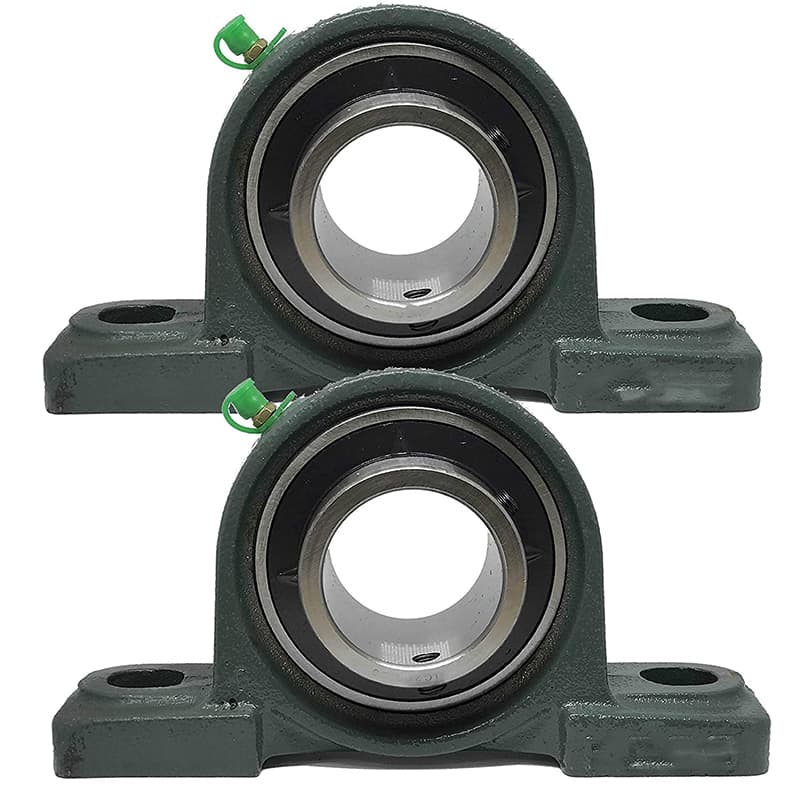
The Mechanisms of Wear
Wear is not simple. There are different types of wear. Each type has a different cause.
Abrasive Wear
This is the most common type of wear. It comes from contamination.
- Small hard particles get inside the bearing. These particles are harder than the bearing steel.
- They get between the rolling elements and the raceways.
- They act like sandpaper. They cut tiny grooves into the metal.
- The surface gets rough. The rough surface creates more friction. More friction creates more wear.
I see this in dusty environments. A cement plant is a good example. The dust gets past the seals. It grinds the bearing down from the inside.
The fix is better sealing. Use a bearing with multiple lips on the seal. Or use a sealed-for-life bearing that keeps contaminants out from the start.
Adhesive Wear
This is more serious. It happens when the lubricant film breaks down completely.
- Two metal surfaces touch each other. The bearing is not rolling. It is sliding.
- The friction creates heat. The heat makes the metal surfaces stick together.
- When the surfaces pull apart, tiny bits of metal get torn off.
- This creates a rough surface. The process repeats. The bearing gets worse fast.
I see this in high-speed applications where the lubrication fails. The bearing runs dry. The metal touches metal. The bearing seizes.
The fix is to ensure the bearing always has the right amount of the right lubricant.
Fatigue Wear
This is the normal way bearings wear out. It takes time.
- The rolling elements go around and around. Each time they pass, they put stress on the raceway.
- Over thousands of cycles, small cracks start to form under the surface.
- The cracks grow. Bits of metal flake off. This is called spalling.
- The bearing gets noisy. The vibration gets worse. Then the bearing fails.
This is normal. Every bearing has a calculated life. The fix is to calculate the life correctly and replace the bearing before it fails.
Fretting Wear
This is the wear that damages shafts. It happens when the bearing moves on the shaft.
- The bearing inner ring and the shaft are supposed to be a tight fit.
- If they are loose, they move against each other.
- The movement is small. It is like a vibration.
- But over time, it wears away the shaft. It also wears away the inner ring.
- The fit gets looser. The movement gets bigger. The wear gets faster.
This is the wear I see most often. It destroys shafts. It is expensive to fix.
The fix is to get the fit right from the start. Use a bearing with a good locking method. Use an adapter sleeve for heavy loads or high vibration.
What are the causes of unequal wear1 in the crankshaft main bearing2?
This question comes from the automotive side of my business. The principles apply to any shaft bearing system. Unequal wear tells a story about the forces acting on the shaft.
Unequal wear in a crankshaft main bearing is caused by uneven loading from engine firing forces, misalignment of the bearing bores in the engine block, or a bent crankshaft. The wear pattern3 on the bearing shell shows you exactly where the extra load is coming from.
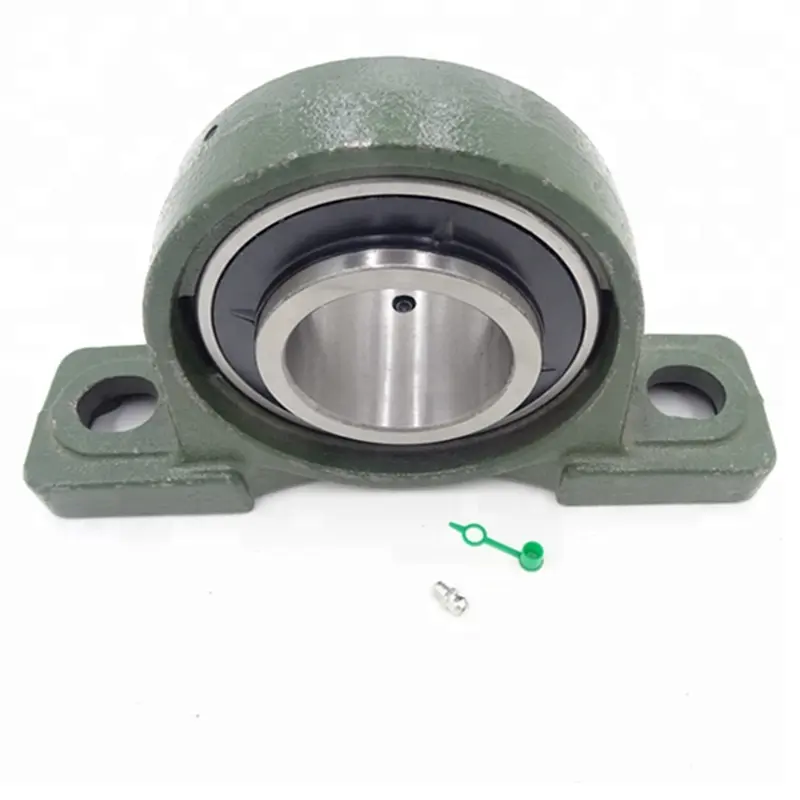
Understanding Uneven Wear Patterns
In engines, the main bearings hold the crankshaft. The crankshaft has heavy loads from the pistons. These loads are not even. They come in pulses.
The Cause of Uneven Wear
The crankshaft does not get loaded evenly along its length. Some cylinders fire at different times. The forces add up in different ways.
- The bearing near the flywheel sees more load. The flywheel has weight and inertia.
- The bearing at the front of the engine sees less load.
- If the crankshaft is bent, the wear pattern changes. The bearing gets loaded on one edge.
- If the engine block is not machined correctly, the bearing bores are not aligned. This creates uneven load across the bearing.
The wear pattern tells you what is wrong. If one side of the bearing is worn more than the other, the shaft is bent or the bore is misaligned. If the wear is in the middle of the bearing, the load is from the engine firing forces.
How This Relates to Pillow Blocks
The same idea applies to pillow blocks. The wear on the shaft under the bearing tells you about the forces on the system.
- If the wear is in one spot on the shaft, the load is coming from one direction.
- If the wear is even around the shaft, the load is rotating with the shaft.
- If the shaft has a groove worn into it, the bearing was moving on the shaft.
I look at the shaft when I diagnose a problem. The wear pattern tells me what happened. It helps me pick the right solution.
Preventing Unequal Wear
The solution is to balance the loads and ensure proper alignment.
- For engines, use precision-machined engine blocks. Make sure the crankshaft is straight.
- For pillow blocks, use self-aligning bearings. They handle small misalignments.
- Use the right locking method for the load. For heavy loads, use an adapter sleeve.
- Check the shaft for wear regularly. Replace worn shafts. A worn shaft will cause a new bearing to fail quickly.
Conclusion
Shaft wear comes from movement between the bearing and the shaft. Stop the movement with the right fit and lock. Check your seals. Use the right grease.
-
Understanding the causes of unequal wear can help in diagnosing engine issues and improving performance. ↩ ↩ ↩ ↩
-
Exploring the function of crankshaft main bearings can enhance your knowledge of engine mechanics and maintenance. ↩ ↩ ↩ ↩
-
Learning to interpret wear patterns can aid in effective troubleshooting and prolonging engine life. ↩ ↩ ↩
-
Identifying the causes of overheating can help you maintain optimal performance and prevent bearing failure. ↩ ↩
-
Understanding the reasons behind housing cracks can help you implement better installation practices and avoid future issues. ↩ ↩
-
Using the correct torque for mounting bolts is essential for preventing damage; explore guidelines to ensure proper installation. ↩ ↩
