
I had a customer in Turkey call me last year. He was replacing the same pillow block bearing every three months. He thought the bearing was bad. I asked him about the speed of his machine. It was running much faster than the bearing’s rating. That was the problem.
Operating speed and load work together to decide the life of your pillow block bearing. A bearing that is too small for the load will fail quickly. A bearing that is not rated for the speed will overheat. You must balance both factors to get the right selection.
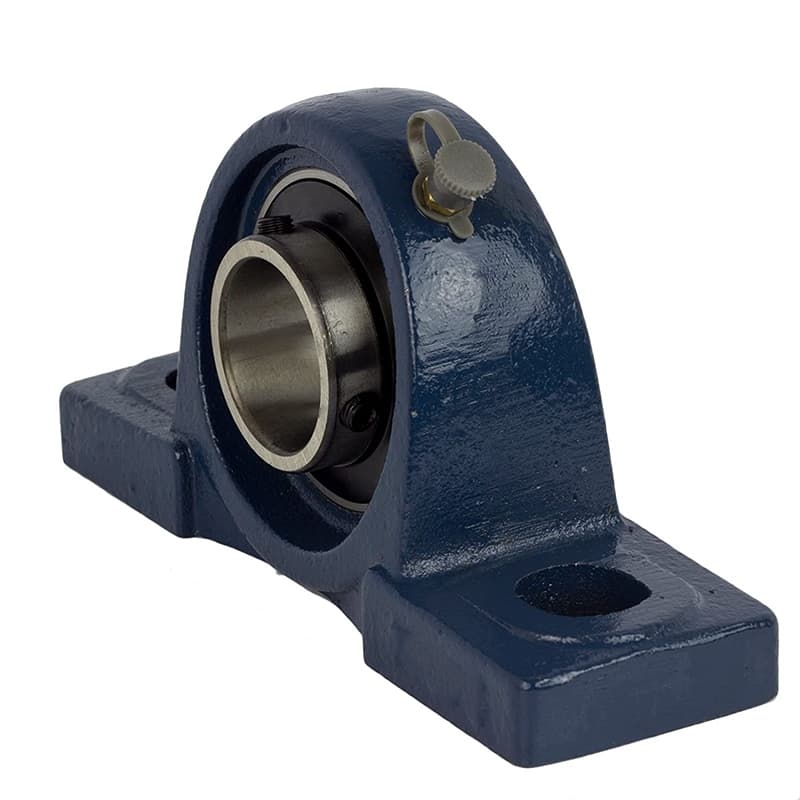
I talk to buyers like Rajesh every week. They want a bearing that lasts. The secret is not just picking a big bearing. It is matching the bearing to the specific speed and load of your machine. Let me walk you through how to do that.
How do bearings help with speed?
This is a question I get from mechanics and engineers alike. They see a bearing as a simple part. But the inside of a bearing is a carefully designed system. That system lets a shaft spin at high speeds without destroying itself.
Bearings help with speed by reducing friction between moving parts. They use rolling elements like balls or rollers instead of sliding contact. This change from sliding to rolling allows shafts to spin at high speeds with much less heat and wear.
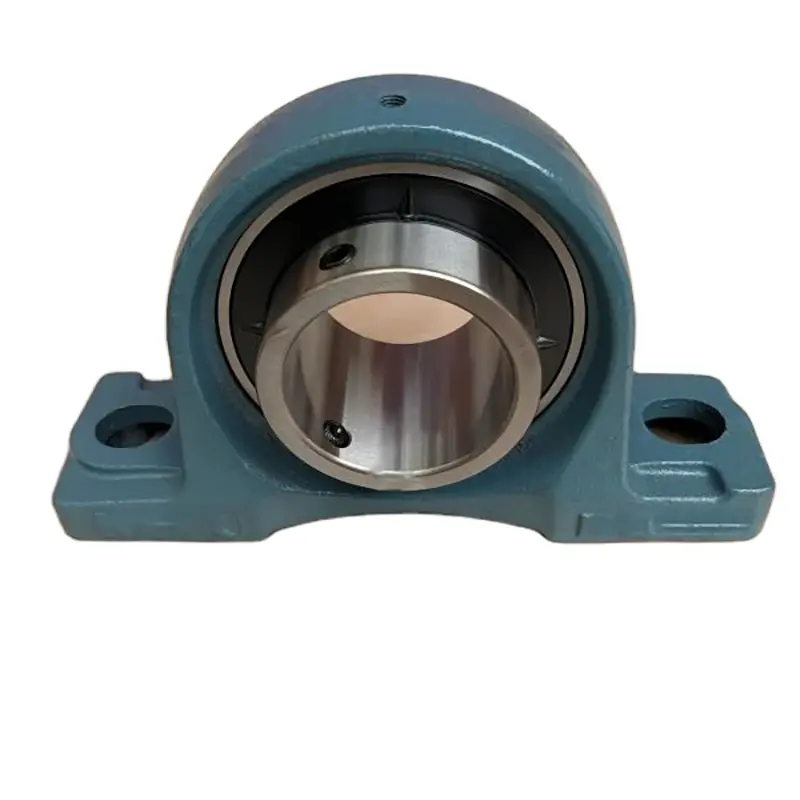
The Science Behind Speed Capability
When I visit a factory, I like to show people the inside of a bearing. It helps them understand why speed matters so much. A bearing at high speed is under a lot of stress.
Let me break down the three main parts that control a bearing’s speed.
1. The Rolling Elements
The balls or rollers do the work. But they do not just roll. They spin on themselves too. This is called "ball spin." At very high speeds, the centrifugal force on the rolling elements gets huge.
- Ball bearings: These are good for high speeds. The balls are small and light. They have less centrifugal force.
- Roller bearings: These are heavier. They have more contact area. They create more friction. So they are not as good for very high speeds.
If you try to run a roller bearing at a speed meant for a ball bearing, it will overheat. The rollers will skid instead of roll. That leads to damage fast.
2. The Cage
This is the part that holds the rolling elements apart. People forget about it. But it is critical for speed.
- Steel cages: These are strong. They handle heavy loads. But they are heavy. At high speed, the weight of the steel cage creates stress.
- Brass cages: These are better for speed. They are lighter. They also have better sliding properties.
- Polymer cages: These are the best for very high speeds. They are light. They have low friction. They also run cooler.
I always tell my clients to check the cage material when they need a high-speed bearing. It makes a big difference.
3. Lubrication1
Lubrication does more than reduce friction. It also takes heat away from the bearing.
- Grease: This is good for most speeds. But at very high speeds, the grease can churn. This creates heat. The bearing runs hot.
- Oil: This is better for high speeds. Oil flows. It carries heat away. It also has less resistance than grease.
A high-speed bearing needs the right lubricant. If you use grease in a bearing that needs oil, it will fail from overheating.
Speed Rating Table2
| Bearing Type | Speed Capability | Best Cage Material3 |
|---|---|---|
| Deep Groove Ball | Very High | Polymer or Brass |
| Angular Contact Ball | High | Brass or Steel |
| Spherical Roller | Medium | Steel or Brass |
| Taper Roller | Low to Medium | Steel |
What are the common problems with pillow blocks?
I see the same problems over and over. When a distributor in Brazil calls me about a failed bearing, I can usually guess what went wrong. The problems are not random. They come from how the bearing is used.
The most common problems with pillow blocks are premature wear from misalignment4, overheating from running at speeds1 beyond the rating, contamination from poor seals2, and bearing failure from improper mounting3. Each problem has a specific cause related to speed, load, or installation.
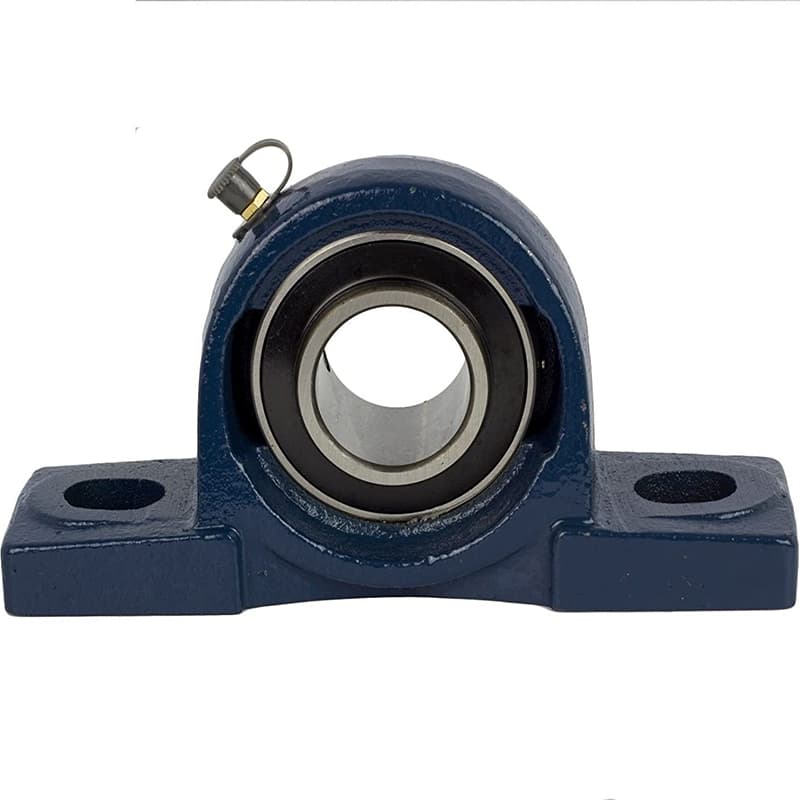
How Speed and Load Make Problems Worse
I want to help you connect the dots. A problem that is small at low speed can become a disaster at high speed. Let me show you how.
The Heat Problem
Heat is the enemy of bearings. Speed creates heat. Load creates heat. Put them together, and you have a big problem.
- At low speed: A bearing with misalignment might run warm. It might last a year.
- At high speed: The same misalignment causes the balls to skid. Friction goes up. The bearing runs very hot. The grease breaks down. The bearing fails in a week.
I saw this in a fan application. The customer had a small misalignment in the shaft. At low speed, it was fine. But when they increased the fan speed to get more airflow, the bearings started failing every two weeks.
The Load Problem
Load affects bearings differently at different speeds.
- Static load: This is when the bearing is not moving. The load just sits there. This can cause flat spots on the rolling elements.
- Dynamic load: This is when the bearing is moving. The load moves through the bearing.
- Speed effect: At high speed, the load cycles through the bearing many times per minute. A small load at high speed can cause more fatigue than a large load at low speed.
You have to think about the combination. A bearing can handle a certain load at a certain speed. If you change the speed, you change what the bearing can handle.
Contamination and Speed
This is a problem I see in food processing plants. They wash down the machines with high-pressure water.
- At low speed: A little water gets into the bearing. It mixes with the grease. The bearing might get noisy. But it might keep running for a while.
- At high speed: The water mixes with the grease fast. The lubrication breaks down. Rust forms quickly. The bearing seizes.
Speed makes contamination more dangerous. The faster the bearing spins, the faster contaminants can do damage.
Are pillow block bearing4s high speed?
This question comes up often. A buyer sees a pillow block bearing and thinks it is like a standard ball bearing. But a pillow block is different. The housing adds weight. The seals add friction. These things affect speed.
Most standard pillow block bearings are not designed for very high speeds. They work well for moderate speeds up to 3,000 to 5,000 RPM, depending on the size. For high-speed applications1 above that range, you need a special bearing insert with a lighter cage, better seals, and a higher precision class.
[^3] and upgraded seals](https://sdycbearing.com/wp-content/uploads/2025/12/Pillow-Block-Bearing-6.jpg)
When High Speed Means Something Different
Let me give you some perspective. "High speed" means different things in different industries.
The Limits of Standard Bearings
A standard pillow block bearing uses a simple set screw lock. It has a steel cage. It has rubber seals that touch the inner ring. This design works well up to a point.
For a bearing with a 20mm bore, the speed limit might be around 6,000 RPM. For a bearing with a 50mm bore, the limit might be 3,500 RPM. These are general numbers. The actual limit depends on the load, the lubrication, and the housing.
When you go above these speeds, the seals become a problem. The seal drag creates too much heat. The set screws can cause imbalance. The steel cage gets stressed.
How to Get Higher Speed
If you need a high-speed pillow block, you have options. But you need to ask for them.
- Use a precision bearing insert3: Standard bearings have a normal precision class. High-speed bearings need P5 or P6 precision. These bearings have tighter tolerances. They run smoother.
- Choose a polymer cage: This is a big upgrade. The polymer cage is light. It does not create as much centrifugal force. It also runs cooler.
- Use a better seal: Some bearings have non-contact seals5. These seals do not rub. They still keep dirt out, but they create less friction. They are better for high speed.
- Consider oil lubrication6: For speeds above 5,000 RPM, oil is often better than grease. But you need a bearing that is designed for oil. You also need a housing that can hold the oil.
Real-World Speeds
I have sold bearings for many different machines. Here are some examples of speed ranges.
| Application | Typical Speed | Bearing Type |
|---|---|---|
| Conveyor Roller | 200 – 500 RPM | Standard pillow block, set screw lock |
| Industrial Fan | 1,500 – 3,000 RPM | Standard pillow block, eccentric collar |
| Food Processing Mixer | 500 – 1,000 RPM | Standard pillow block, sealed-for-life |
| High-Speed Blower | 5,000 – 8,000 RPM | Precision insert, polymer cage, non-contact seals |
| Machine Tool Spindle | 10,000+ RPM | Special high-speed unit, oil lubrication |
The key is to know your speed. Do not guess. Check the motor nameplate. Check the pulley sizes. Get the actual RPM. Then match the bearing to that speed.
What causes pillow block failure4?
I have looked at hundreds of failed bearings. Each one tells a story. The failure pattern shows me what went wrong. When a customer sends me a photo of a failed bearing, I can usually tell them the cause just by looking at it.
Pillow block failure is caused by one of four things: fatigue from excessive load1, overheating from excessive speed2, contamination from poor sealing3, or installation damage from improper mounting5. Each failure type leaves specific marks on the bearing that tell you what went wrong.
[^6] (fatigue), a bearing with [blue discoloration](https://www.nsk.com/am-en/tools-resources/bearings/troubleshooting/damage-by-type/discoloration/)[^7] (heat), and a bearing with rust and debris (contamination)](https://sdycbearing.com/wp-content/uploads/2025/12/Pillow-Block-Bearing-5.webp)
Reading the Signs of Failure
When a bearing fails, do not just throw it away. Look at it. It will tell you why it failed. This helps you pick the right bearing for the replacement.
Fatigue Failure
This is when the bearing reaches the end of its life. The metal gets tired. Small cracks form. Bits of metal flake off. We call this "spalling."
- What it looks like: The raceway has small pits or flakes. The surface looks rough. There might be chunks missing from the balls or raceway.
- What caused it: The load was too high for the bearing size. Or the bearing was in use for a very long time. The calculated life was reached.
- How to fix it: Use a bigger bearing. Or use a bearing with a higher load rating. If the bearing lasted a long time, it might just be time to replace it.
I see this in heavy conveyor systems. The bearings run for years. Then they start to fail. Usually, the solution is to move to the next size up.
Heat Failure
This is a common problem. I see it in fans and blowers. The bearing runs too fast. Or the grease is wrong. The bearing gets hot and destroys itself.
- What it looks like: The bearing has blue or purple discoloration. This is from the heat. The grease is black and hard. The seals are brittle.
- What caused it: The speed was too high for the bearing. Or the bearing was not getting enough grease. Or the wrong grease was used.
- How to fix it: Check the speed. Make sure the bearing is rated for that RPM. Use a high-temperature grease. If the speed is very high, consider a bearing with a polymer cage and oil lubrication.
I had a customer in Egypt with a fan that kept failing. The bearings were turning blue. We found out the fan was running at 4,500 RPM. The bearings were only rated for 3,000 RPM. We switched to a higher-speed bearing. The problem went away.
Contamination Failure
This is the most common failure I see in harsh environments. Dust gets in. Water gets in. The grease gets contaminated.
- What it looks like: The grease is dirty. There is rust inside the bearing. The raceway has grooves worn into it. The balls are dull and rough.
- What caused it: The seals failed. Or the bearing did not have good seals. Or the housing was damaged, letting contaminants in.
- How to fix it: Use a bearing with better seals. For wet areas, use a triple lip seal7. For dusty areas, use a sealed-for-life bearing. Make sure the housing is not cracked or damaged.
Installation Damage
This is the most frustrating failure. It is not the bearing’s fault. It is how it was put in.
- What it looks like: The raceway has dents. These are from hammering. The balls have flat spots. The inner ring is cracked. The set screws are loose.
- What caused it: The bearing was hammered onto the shaft. The set screws were tightened unevenly. The locking collar was turned the wrong way.
- How to fix it: Train your people. Use the right tools. Do not hammer. Tighten set screws gradually. Turn the eccentric collar in the direction the shaft rotates.
I see this all the time. A new bearing fails in a month. The customer thinks the bearing is bad. But when I see the dented raceway, I know the problem was the installation.
Quick Diagnosis Table
| Failure Pattern | Visual Signs | Most Likely Cause |
|---|---|---|
| Spalling (flaking) | Small pits or flakes on raceway | Overload or end of fatigue life |
| Discoloration (blue) | Blue or purple color on rings | Overheating from excessive speed |
| Rust and debris | Brown rust, dirty grease | Contamination from water or dust |
| Dents and cracks | Indentations in raceway | Impact damage from installation |
Conclusion
Speed and load work together to decide your bearing’s life. Match the bearing to both. Check your speed rating. Pick the right lock. Use the right grease.
-
Learn how excessive load leads to fatigue in bearings, which can help in selecting the right components for your machinery. ↩ ↩ ↩ ↩
-
Explore the impact of excessive speed on bearing overheating to ensure optimal performance in your applications. ↩ ↩ ↩
-
Discover how poor sealing can lead to contamination and bearing failure, and learn how to mitigate these risks. ↩ ↩ ↩ ↩
-
Understanding the causes of pillow block failure can help prevent future issues and improve equipment reliability. ↩ ↩ ↩
-
Understanding installation damage can help you avoid costly mistakes and ensure proper bearing function. ↩ ↩
-
Learn about spalling, its causes, and how to prevent it to extend the life of your bearings. ↩
-
Explore the benefits of triple lip seals in preventing contamination and enhancing bearing longevity. ↩