
When a massive industrial fan grinds to a halt in the middle of a production shift, the silence is deafening. Every minute of downtime costs thousands in lost output and emergency repairs. The culprit is often a failed bearing that was never properly matched to its job.
Spherical roller bearings are the ideal choice for large industrial fans and air handling systems because they can handle heavy radial loads, shock loads, and some misalignment. The key is selecting the right size, internal clearance, and precision class to match your specific fan’s demands.
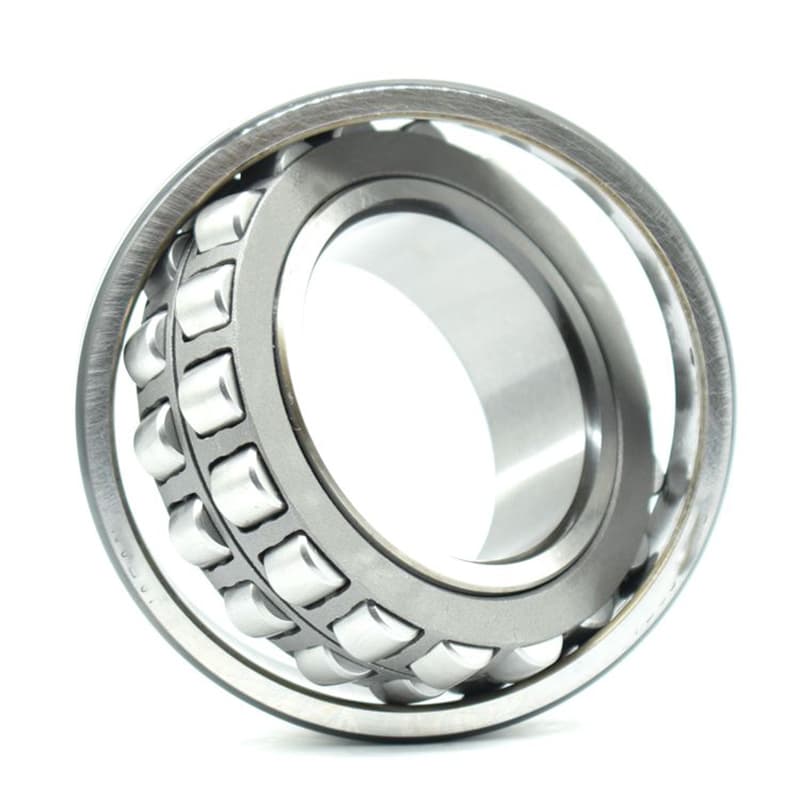
But picking a bearing off a catalog is only the first step. In my years at FYTZ Bearing, I have seen many customers install a high-quality bearing only to have it fail within months. The real secret lies in understanding the full picture—how the bearing interacts with the fan’s duty cycle, how it is installed, and how it is maintained. Let me walk you through the factors that separate a five-year bearing from a five-month headache.
Key Factors to Consider When Choosing Bearings for Continuous Operation?
When your fan runs 24/7, the bearing never gets a rest. Heat builds up, vibrations persist, and even a tiny impurity in the grease can score a raceway. I have watched bearings fail prematurely simply because the buyer overlooked one small detail in the specification.
For continuous operation, the most critical factors are load capacity1, speed suitability2, lubrication method3, and sealing effectiveness4. You must also consider operating temperature5, potential contamination, and the need for relubrication without stopping6 the machine.
Understanding Load Characteristics in Depth
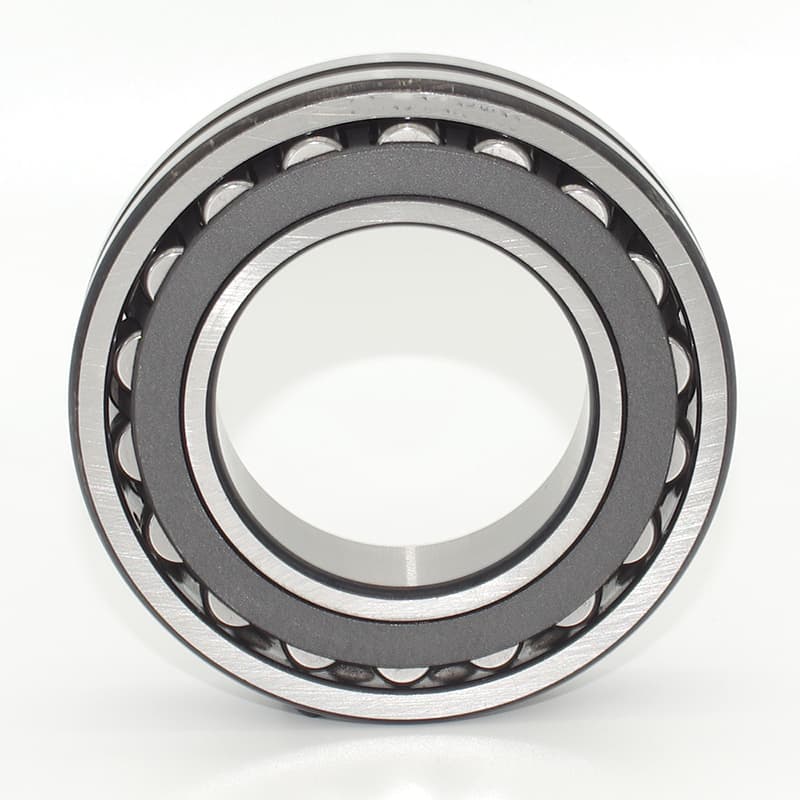
Many engineers simply look at the basic dynamic load rating (Cr) from the catalog. But that number is only valid under ideal conditions. In reality, fans experience a mix of radial loads from belt tension or impeller weight, plus axial loads from air pressure differentials. You need to calculate the equivalent dynamic load P = XFr + YFa, where X and Y depend on the bearing design. For spherical roller bearings, the load ratings are high, but you must verify that the bearing can handle the actual combination of forces. I often see cases where a bearing is selected based on radial load alone, ignoring a significant thrust load that shortens life dramatically.
Speed and Temperature Interactions
Speed affects lubrication and heat generation. Spherical roller bearings have a limiting speed based on the cage design and lubrication type. For fans, operating speeds can vary. If your fan runs at variable speeds, you need a bearing that can handle the full range. Temperature is another factor—heat can degrade lubricant and change internal clearances. A bearing with a normal clearance at room temperature might become tight at 80°C, leading to overheating. We recommend calculating the temperature rise and selecting a C3 or C4 clearance accordingly.
Lubrication Choices for Continuous Duty
You cannot just pick any grease. Continuous operation demands a grease with good oxidation stability and a high dropping point. Alternatively, oil lubrication might be better for very high speeds. The table below summarizes typical considerations:
| Factor | Consideration | Typical Recommendation |
|---|---|---|
| Load type | Pure radial or combined | Spherical roller bearings handle both well |
| Speed | Low (<500 rpm) or high | Check limiting speed; use oil for high speeds |
| Temperature | Ambient + rise | Calculate temp rise; choose C3/C4 clearance |
| Contamination | Dust, moisture present | Enhanced seals or shields |
| Relubrication | Accessibility | Centralized system or regreaseable bearings |
By evaluating these factors together, you can avoid the most common pitfall: treating the bearing as an isolated component. It is part of a system that includes the shaft, housing, lubrication, and seals. In my experience working with distributors in India and Brazil, the ones who take a system approach have far fewer warranty claims.
Precision Selection: How to Match Bearing Specifications to Fan Duty Cycles?
I once visited a customer in Turkey who kept replacing bearings every six months. They blamed the bearings, but the real issue was that their fan duty cycle1 had changed—they had added a variable frequency drive. The old bearing could not handle the new speed range.
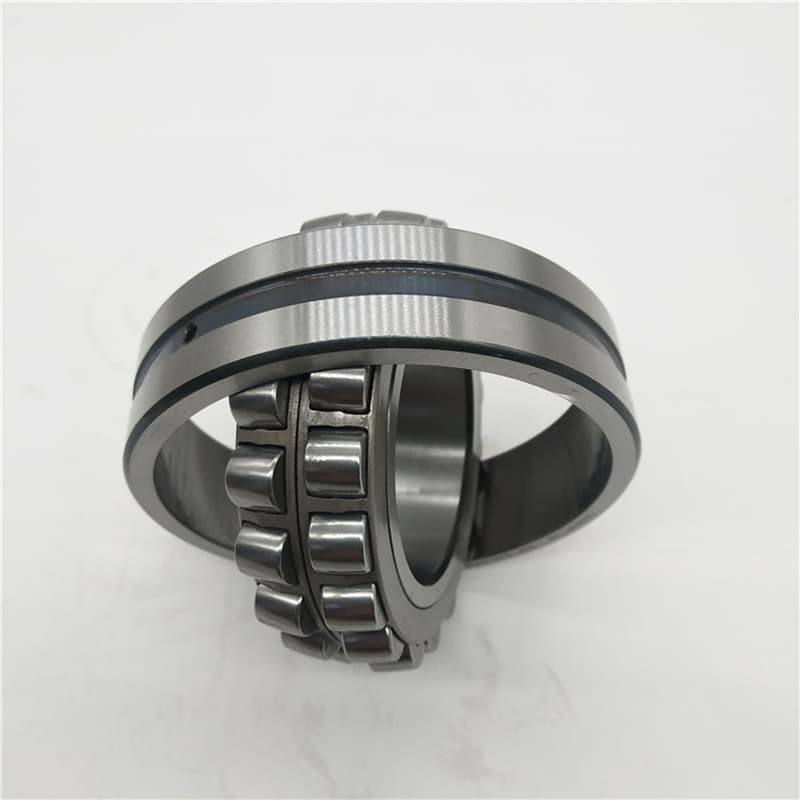
To match bearing specifications2 to your fan’s duty cycle, you need to analyze the load spectrum over time, account for speed variations, and choose a precision class3 that aligns with vibration requirements. A duty cycle profile helps you calculate a more accurate bearing life using the modified life equation.
Breaking Down the Duty Cycle
A fan does not always run at full load. It might start up, run at partial load, and occasionally hit peak demand. Each phase imposes different stresses. The standard L10 life calculation assumes constant load and speed, which is rarely true. Instead, we use the concept of equivalent dynamic load for variable conditions: P_eq = (Σ (Pi^p ni ti) / Σ (ni * ti))^(1/p), where p is the life exponent for roller bearings (10/3). This gives a more realistic picture. I encourage procurement managers to share their fan operating profiles with us—we can then recommend a bearing that truly fits.
Precision Class and Vibration
For large fans, vibration is a major concern. High precision bearings (P5 or P6) have tighter tolerances on raceway roundness and running accuracy. This reduces vibration and noise. In air handling systems for hospitals or clean rooms, low noise is critical. I have seen customers switch from standard class to P5 and cut vibration levels in half. The table below shows typical precision classes and their applications:
| ISO Precision Class | Tolerance | Typical Application |
|---|---|---|
| P0 (Normal) | Standard | General fans, low speed |
| P6 | Medium | Fans with moderate speed, some vibration control |
| P5 | High | High-speed fans, low-noise requirements |
| P4 | Ultra-high | Precision spindles, not typical for fans |
Internal Clearance Adjustments
Internal clearance must accommodate thermal expansion and interference fits. For fans with steel shafts and housings, and operating temperatures above 70°C, C3 clearance is often necessary. But if the fan is outdoors in cold climates, a smaller clearance might be better to prevent loose fits at low temperatures. I always ask about the ambient temperature range—in Russia, we had to adjust recommendations for winter conditions.
By taking the time to match the bearing to the actual duty cycle, you avoid premature failures and extend service intervals. It is a small investment in analysis that pays back many times over.
Maximizing Service Life: Best Practices for Lubrication and Installation?
You would not believe how many bearings I have seen destroyed by a hammer. A perfectly good bearing can be ruined in minutes during installation. And even if installed perfectly, incorrect lubrication will kill it slowly.
To maximize service life, you must follow proper installation procedures—use induction heaters1, avoid direct hammer blows, and ensure shaft and housing fits are correct. For lubrication, select the right grease or oil, apply the correct amount, and establish a relubrication schedule2 based on operating hours.
Installation: The Devil is in the Details
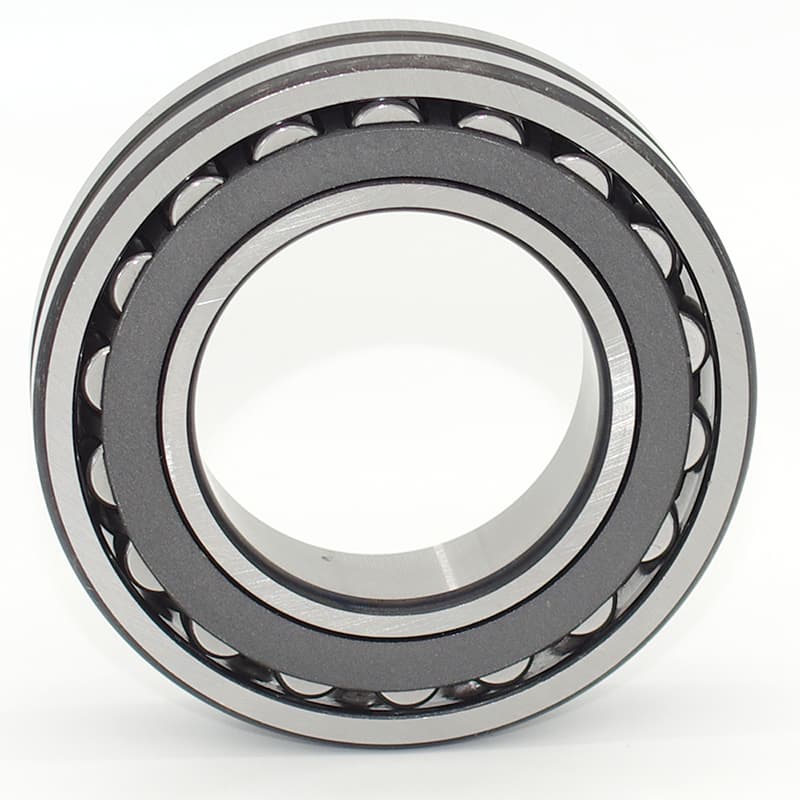
First, cleanliness. I have walked through workshops where bearings are left exposed on dusty benches. That dust becomes lapping compound inside the bearing. Always keep bearings in their packaging until the moment of installation. Second, mounting methods. For spherical roller bearings on fan shafts, an interference fit is typical. Use an induction heater to expand the inner ring—never use a torch, which can alter metallurgy. If you must use mechanical methods, use a mounting sleeve and a proper bearing fitting tool. Never strike the outer ring or the cage.
Third, check fits. The shaft should be within tolerance (often k5 or m6 for rotating shafts). A loose fit will cause creep and wear. A too-tight fit reduces internal clearance excessively. I recommend measuring the clearance after mounting (if possible) to ensure it is within specification.
Lubrication: Quality and Quantity
Grease is the lifeblood of the bearing. For fans, a lithium complex or polyurea grease3 with NLGI 2 consistency is common. But the brand matters—cheap greases can separate, causing starvation. The amount of grease is critical. Too little and you get metal-to-metal contact. Too much and the churning raises temperature, accelerating oxidation. A good rule of thumb is to fill 30-40% of the free space inside the bearing housing. For relubrication, use the formula: Grease quantity (grams) = D (bearing outer diameter in mm) × B (bearing width in mm) × 0.005. Adjust intervals based on operating hours—typically every 3-6 months for continuous fans.
Common Mistakes and How to Avoid Them
Here is a quick reference table of frequent errors I encounter:
| Mistake | Consequence | Correct Practice |
|---|---|---|
| Hammering bearing onto shaft | Brinelling of raceways, premature failure | Use induction heater or hydraulic press |
| Mixing incompatible greases | Grease breakdown, loss of lubrication | Flush old grease thoroughly before regreasing |
| Ignoring shaft tolerances | Creep, fretting corrosion | Measure shaft and housing; follow ISO tolerances4 |
| Over-lubrication at startup | High temperature, seal damage | Apply initial grease sparingly; run-in before full load |
| Using wrong grease for temperature | Grease melting or hardening | Check dropping point and base oil viscosity |
By paying attention to these details, you can often double the bearing life. I have seen fans in Egyptian cement plants run for over five years with proper maintenance.
Failure Analysis: Diagnosing Premature Bearing Damage in Air Handling Units?
When a fan starts making noise or vibrating, the first suspect is often the bearing. But simply replacing it without finding the root cause guarantees a repeat failure. I learned this lesson early in my career when a customer in South Africa returned the same bearing type three times.
Diagnosing premature bearing damage1 requires a systematic approach: examine the failed bearing for damage patterns, analyze operating conditions, and identify the root cause—which could be lubrication failure2, contamination3, misalignment4, or overloading5. Each damage mode leaves specific clues.
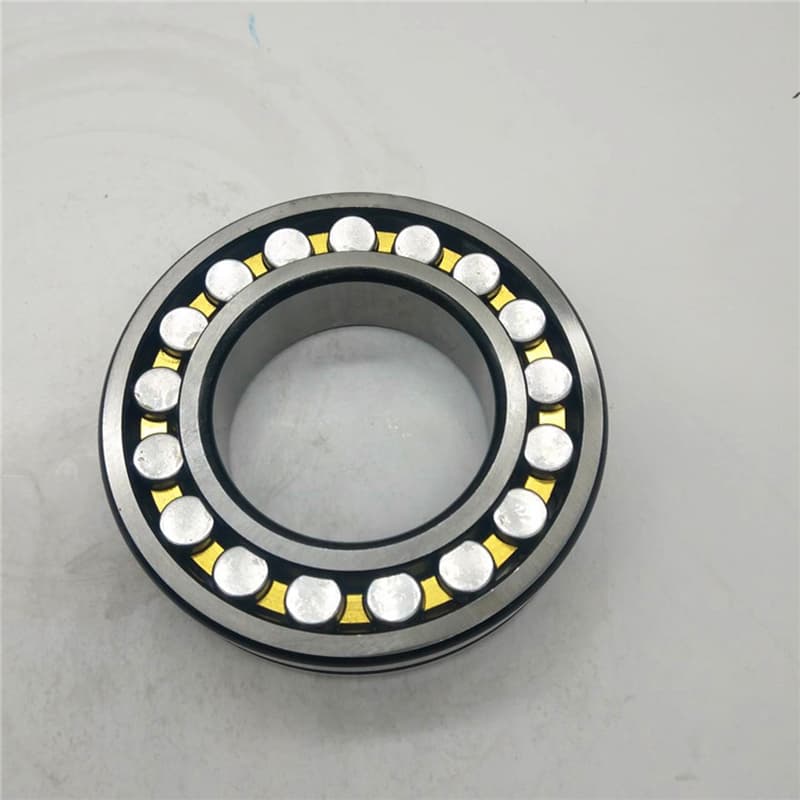
Reading the Damage Patterns
When I look at a failed bearing, I first clean it and examine the raceways, rolling elements, and cage. Different failure modes have distinct appearances:
- Fatigue spalling: Flaking on raceways indicates normal end-of-life or overload.
- Abrasive wear: Fine scratches from contamination (dirt, sand).
- Smearing: Metal transfer due to sliding under poor lubrication.
- Corrosion: Rust or etching from moisture ingress.
- False brinelling: Depressions at roller spacing from vibration when stationary.
- Cage damage: Broken or deformed cage, often from high speed or shock loads.
I once had a case where the bearing showed discoloration (blue/brown) from overheating. The customer insisted the bearing was defective, but the real cause was an external heat source—a nearby steam pipe. The bearing was fine, but the grease had carbonized.
Step-by-Step Diagnosis
- Collect history: When did the noise start? Any changes in operation? Recent maintenance?
- Inspect the bearing: Note the damage pattern. Take photos.
- Check lubricant: Is it contaminated? Has it degraded?
- Examine shaft and housing: Look for wear, fretting, or evidence of misalignment.
- Review operating parameters: Load, speed, temperature, vibration data.
Often, the root cause is not the bearing itself but something in the system. For example, in a fan in Bangladesh, we found that the fan housing had warped, causing misalignment. The bearing was just the victim.
Common Root Causes and Corrective Actions
The table below summarizes typical causes and fixes:
| Damage Mode | Likely Cause | Corrective Action |
|---|---|---|
| Spalling (flaking) | Overload, short L10 life | Recalculate load; upgrade bearing size |
| Abrasive wear | Contamination | Improve seals; check air filters |
| Discoloration (overheating) | Insufficient lubrication, high temp | Increase relubrication; check cooling |
| Corrosion | Moisture ingress | Enhance sealing; use rust-inhibiting grease |
| False brinelling | Vibration during standstill | Rotate shaft periodically; use anti-vibration mounts |
| Cage fracture | High acceleration, shock | Check for sudden starts/stops; use stronger cage |
By using failure analysis, you not only fix the immediate problem but also prevent it from recurring. I always tell my customers: a failed bearing is a teacher. Listen to what it tells you.
Conclusion
Choosing the right spherical roller bearing, matching it to your fan’s duty cycle, installing and lubricating it correctly, and learning from failures will keep your air handling systems running reliably for years.
-
Understanding the causes of premature bearing damage can help prevent future failures and improve equipment reliability. ↩ ↩ ↩ ↩
-
Exploring lubrication failure can provide insights into maintenance practices that enhance bearing life. ↩ ↩ ↩ ↩
-
Learning about contamination’s impact on bearings can help in implementing better protective measures. ↩ ↩ ↩ ↩
-
Identifying misalignment signs can lead to timely interventions, preventing further damage to the system. ↩ ↩ ↩
-
Understanding the effects of overloading on bearings can guide proper load management and equipment selection. ↩ ↩
-
Effective relubrication practices ensure continuous operation without downtime, enhancing overall system efficiency. ↩