
You need reliable spherical roller bearings, but picking the wrong supplier can cost you time, money, and your reputation.
A bad bearing can shut down a whole production line.
Before you place an order, you must ask your supplier specific questions about quality, certifications, and support.
I always recommend asking about material sources, manufacturing processes, load ratings, and lead times.
You should also request test reports and sample inspections to verify their claims.
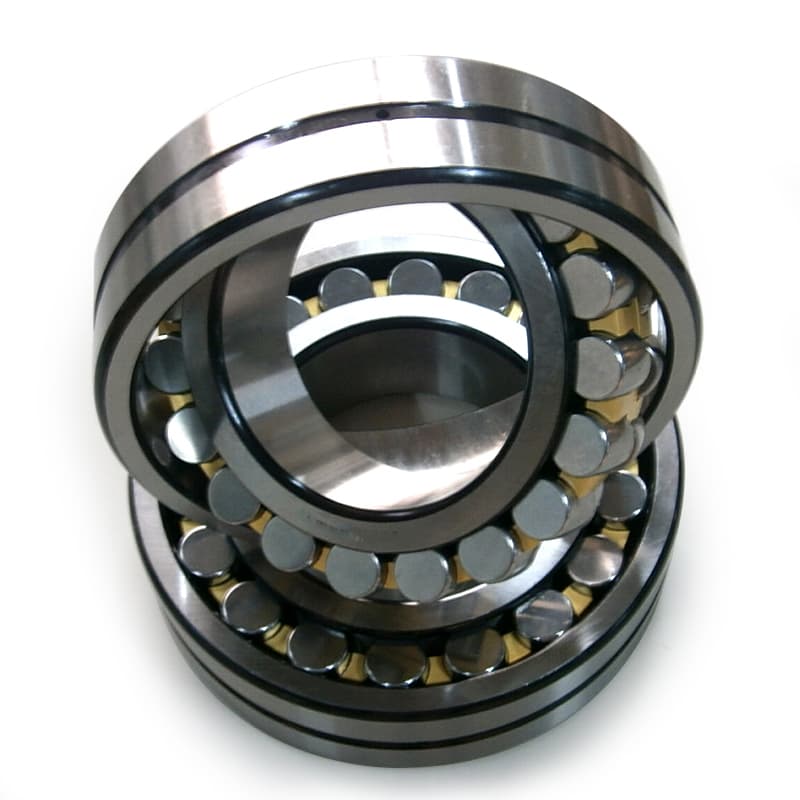
But knowing what to ask is only the first step.
Let me walk you through each question so you can confidently evaluate any bearing supplier.
What questions should I ask my supplier?
You have many suppliers to choose from, and they all sound good on paper.
Without the right questions, you might end up with bearings that fail early or don’t meet your specifications.
**I always tell my customers to ask these five questions:
- Do you provide material certificates and traceability1?
- What is your quality control process2?
- Can you customize the bearing for my application?
- What are your typical lead times?
- How do you handle after-sales issues or returns?**
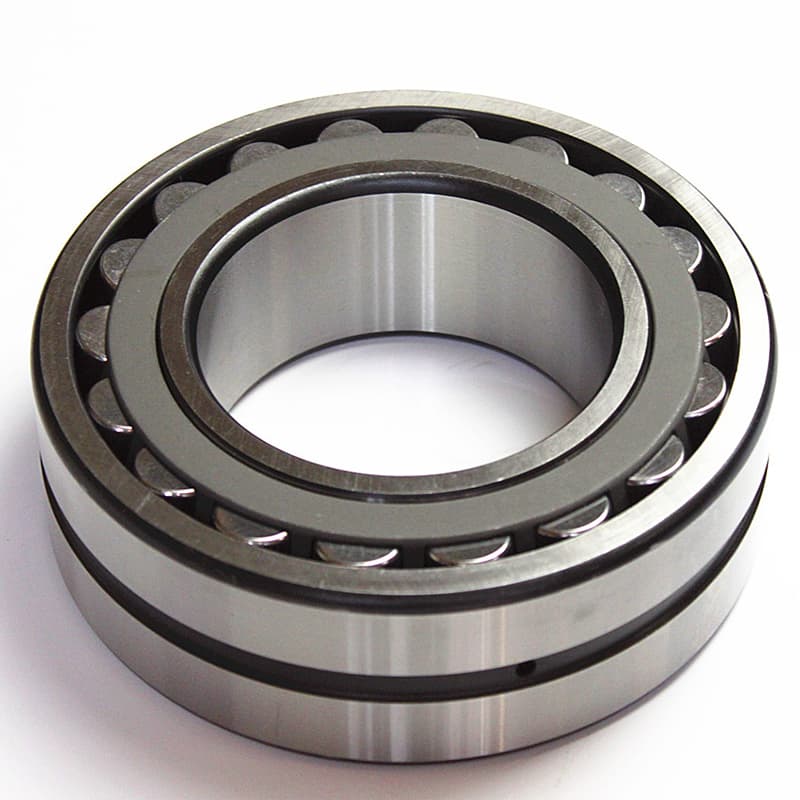
Why each question matters
Asking questions is easy, but understanding the answers takes experience.
I have been in this industry for over 15 years, and I have seen many buyers get fooled by vague replies.
Let me break down these five questions and explain what you should look for.
1. Material certificates and traceability
When I visit a new bearing factory, the first thing I check is their steel supplier.
Good bearings start with clean, high-quality steel.
You should ask: Can you show me the mill certificates for the steel used in my bearings?
A reliable supplier will provide these documents without hesitation.
They will also show you their incoming material inspection records.
2. Quality control process
Many suppliers claim they have ISO 9001 certification3.
But certification alone does not guarantee every bearing is good.
I suggest you ask about in-process inspections and final testing.
For example, do they check dimensional accuracy with CMM machines?
Do they perform noise and vibration tests on every bearing?
At FYTZ Bearing, we test each batch randomly and send videos to our clients.
3. Customization options
Your application might need special features.
Maybe you need a different cage material, or a specific internal clearance.
Ask the supplier if they can modify the design.
If they say yes, ask for examples of past custom work.
A supplier with engineering support is always a better partner.
4. Lead times
In my experience, lead times4 are a major pain point for importers.
A supplier might promise 30 days, but then delays happen.
Ask about their current production load and raw material stock.
Also ask if they offer partial shipments.
This information helps you plan your inventory better.
5. After-sales support
Even the best bearings sometimes have issues.
You need to know how the supplier handles complaints.
Do they ask for samples and photos?
Do they send replacements quickly?
I always advise buyers to check the supplier’s warranty policy in writing.
Here is a quick reference table for your procurement team:
| Question | What to look for in the answer |
|---|---|
| Material certificates | Mill test reports, steel grade, heat treatment data |
| Quality control | In-process checks, final testing, random sampling |
| Customization | Engineering team, past projects, MOQ for modifications |
| Lead time | Stock availability, production schedule, shipping time |
| After-sales | Warranty period, return policy, response time |
Asking these questions will save you from many headaches later.
But there is more to consider before you choose a bearing type.
What are seven important factors to consider when selecting a bearing?
You might think all bearings are similar, but small differences can make a big impact on machine performance.
Choosing the wrong bearing leads to premature failure and costly downtime.
**Based on my years of helping customers, here are seven factors you must evaluate:
- Load capacity (radial and axial)1
- Speed rating2
- Operating temperature range3
- Lubrication requirements4
- Sealing options5
- Misalignment tolerance6
- Precision class (P0, P6, P5, etc.)7**
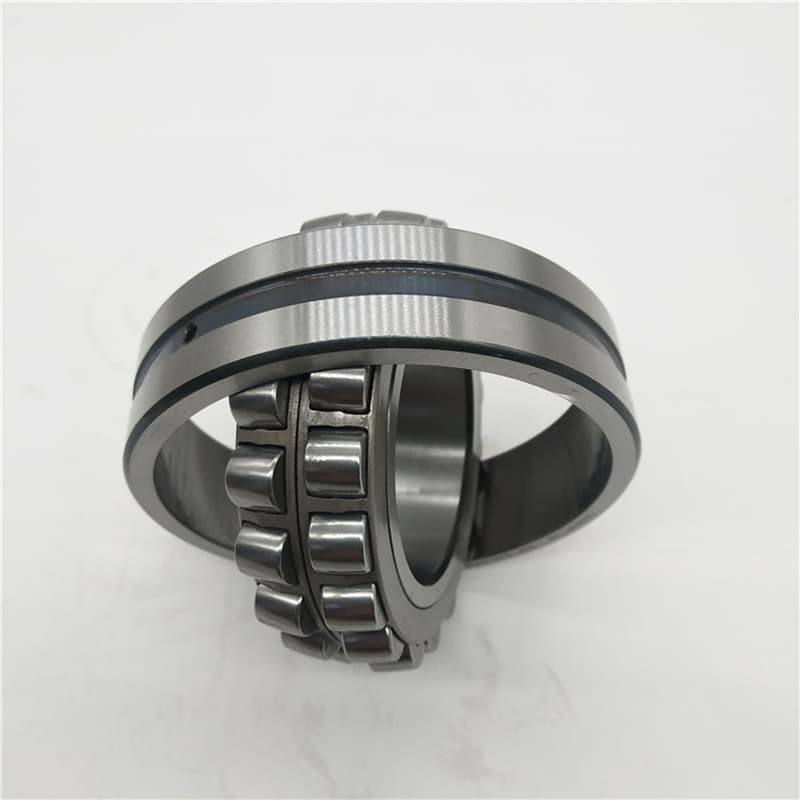
A deeper look at each factor
I often meet buyers who only look at the price and size.
Then they wonder why their bearings fail after a few months.
Let me explain each factor in detail so you can make an informed decision.
1. Load capacity
Spherical roller bearings8 are designed to handle heavy radial loads and moderate axial loads.
You need to know both the static and dynamic load ratings.
Static load rating (C0) tells you the maximum load the bearing can take without rotating.
Dynamic load rating (C) is for rotating applications.
Always compare these numbers with your actual loads.
If you push a bearing beyond its rating, it will overheat and fail quickly.
2. Speed rating
Each bearing has a limiting speed.
If your machine runs at high RPM, you need a bearing with a higher speed rating.
Factors like cage design and lubrication affect speed.
For example, a brass cage can handle higher speeds than a stamped steel cage.
I always ask my customers about their operating speed so I can recommend the right internal design.
3. Operating temperature range
Bearings generate heat during operation.
If the temperature gets too high, the lubricant breaks down and the metal expands.
This can cause the bearing to seize.
You should ask your supplier about the temperature limits of both the bearing steel and the grease.
Some applications, like steel mills, require special high-temperature bearings.
4. Lubrication requirements
Proper lubrication is the lifeblood of any bearing.
You need to decide between grease and oil lubrication.
Grease is simpler, but oil is better for high speeds.
Also consider if the bearing needs re-lubrication features, like grease nipples or grooves.
In dusty environments, you might need sealed bearings to keep contaminants out.
5. Sealing options
Contamination is a major cause of bearing failure.
Dust, water, and dirt can ruin a bearing in no time.
You can choose from open bearings, shields, or rubber seals.
Shields keep out large particles, while seals provide better protection.
But seals also create more friction, so there is a trade-off.
6. Misalignment tolerance
One of the biggest advantages of spherical roller bearings is their ability to handle shaft misalignment.
This is crucial in applications where the housing and shaft are not perfectly aligned.
You should check the permissible misalignment angle.
If your application has severe misalignment, you might need a special design.
7. Precision class
Bearings come in different precision grades, from P0 (standard) to P2 (ultra-precision).
Higher precision means tighter tolerances and better running accuracy.
For most industrial applications, P0 or P6 is sufficient.
But for high-speed spindles or precision machinery, you need P5 or higher.
Make sure you specify the required class to your supplier.
Here is a table to summarize these factors and their impact:
| Factor | Impact on performance |
|---|---|
| Load capacity | Determines bearing life under heavy loads |
| Speed rating | Limits maximum operating RPM |
| Temperature range | Affects lubrication and material stability |
| Lubrication | Influences maintenance intervals and heat generation |
| Sealing | Protects against contamination, but adds friction |
| Misalignment tolerance | Compensates for mounting errors and shaft deflection |
| Precision class | Affects vibration, noise, and accuracy of rotation |
Understanding these factors will help you talk to suppliers with confidence.
But why choose spherical roller bearings in the first place?
What are the benefits of spherical roller bearings1?
Many engineers ask me why they should pick spherical roller bearings over other types.
The answer lies in their unique design and capabilities.
**Spherical roller bearings offer three main benefits:
- They can handle very heavy radial loads2.
- They automatically compensate for misalignment.
- They provide high durability even in harsh conditions.**

Breaking down the benefits
When I explain these benefits to my clients, I always give them real-world examples.
This helps them see why spherical roller bearings are so popular in heavy industries.
Heavy radial load capacity
The rollers in a spherical roller bearing are barrel-shaped.
This gives them a large contact area with the raceways.
More contact area means the load is spread out, so the bearing can handle heavier loads.
For example, in a conveyor system for mining, the bearings must support tons of material.
Spherical roller bearings are the go-to choice for these applications.
Self-aligning feature
Shafts can bend under load, or housings might not be perfectly aligned during installation.
With other bearing types, misalignment creates high stress and leads to early failure.
But spherical roller bearings have a spherical outer raceway.
This allows the inner ring and rollers to tilt slightly.
The bearing can correct up to 2 degrees of misalignment.
I have seen this feature save many machines from breakdowns.
Durability in tough environments
These bearings are often used in vibrating screens, crushers, and wind turbines.
These environments have shock loads, vibrations, and contamination.
Spherical roller bearings are built tough.
They have robust cages and hardened steel that resists wear.
With proper lubrication, they can run for years without issues.
In short, if your application involves heavy loads, shaft deflection, or harsh conditions, spherical roller bearings are your best bet.
But no matter which bearing you choose, proper installation is critical.
What is the first thing to do before installing a plain bearing1?
This question might seem unrelated to spherical roller bearings, but good installation practices apply to all bearing types.
Skipping the first step can ruin a brand new bearing.
Before installing any plain bearing, you must inspect the housing and shaft for cleanliness2 and dimensional accuracy.
Remove all burrs, dirt, and old lubricant3.
Measure the housing bore4 and shaft diameter5 to ensure they meet the specifications.
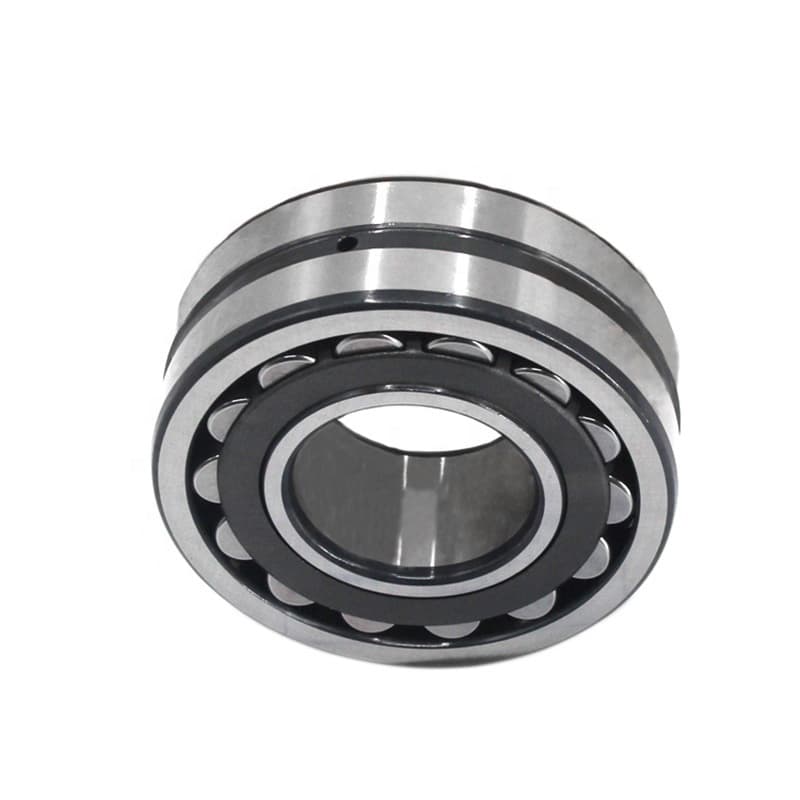
The critical first step explained
I learned this lesson early in my career.
A customer once called me, angry that our bearings failed after one week.
I visited his workshop and found the shaft had deep scratches.
He had not cleaned it properly.
The scratches damaged the bearing during installation.
Since then, I always emphasize preparation.
Cleanliness is non-negotiable
Dirt is the enemy of any bearing.
Even a tiny particle can create a dent in the raceway.
That dent will grow into a flake and cause failure.
Before you even open the bearing package, clean the work area.
Use a lint-free cloth to wipe the shaft and housing.
Check for any burrs or sharp edges and remove them with a fine file or emery cloth.
Measure twice, install once
You must verify that the shaft and housing are within the specified tolerances.
Use a micrometer for the shaft and a bore gauge for the housing.
If the shaft is too large, you might not be able to press the bearing on.
If it is too small, the bearing will spin on the shaft and wear it out.
The same goes for the housing fit.
Always compare your measurements with the bearing manufacturer’s recommended fits.
Check for damage
Look at the shaft and housing surfaces.
Are there signs of fretting, rust, or previous bearing movement?
If you see damage, you need to repair or replace the parts.
Installing a new bearing on a damaged shaft is a waste of money.
Here is a checklist I give to my maintenance teams:
| Step | Action |
|---|---|
| Clean the shaft | Wipe with solvent, remove rust, and deburr. |
| Clean the housing | Use a clean cloth, check for cracks or wear. |
| Measure shaft diameter | Compare with drawing tolerances. |
| Measure housing bore | Ensure it is round and within spec. |
| Inspect for damage | Look for grooves, scratches, or fretting. |
| Prepare lubricant | Apply a thin film of oil or grease if required. |
Following this checklist will save you time and money.
A few extra minutes during preparation can add years to your bearing life.
Conclusion
Choosing the right spherical roller bearing supplier and preparing properly for installation are two sides of the same coin.
Ask the right questions, consider all factors, and never skip the basics.
-
Understanding plain bearings is crucial for proper installation and maintenance, ensuring longevity and performance. ↩ ↩ ↩ ↩
-
Cleanliness prevents contamination that can lead to bearing failure, making it essential for optimal performance. ↩ ↩ ↩ ↩
-
Choosing the right lubricant is essential for reducing friction and extending the life of the bearing. ↩ ↩ ↩
-
Measuring the housing bore ensures compatibility with the bearing, preventing installation issues and enhancing durability. ↩ ↩ ↩
-
Accurate measurement of shaft diameter is vital to ensure a proper fit and prevent premature bearing wear. ↩ ↩
-
Understanding misalignment tolerance helps in selecting bearings that can handle installation errors. ↩
-
Precision class affects the accuracy and performance of bearings, crucial for high-speed applications. ↩
-
Exploring the benefits of spherical roller bearings can help you make informed choices for your applications. ↩