
Your machine design is unique. But you cannot find a bearing that fits. Standard catalogs do not list your size. You feel stuck.
Customized spherical roller bearings are bearings made to your specific dimensions and requirements. We design and manufacture them for applications where standard bearings do not work. They ensure your equipment runs smoothly, even with non-standard shafts or housings.
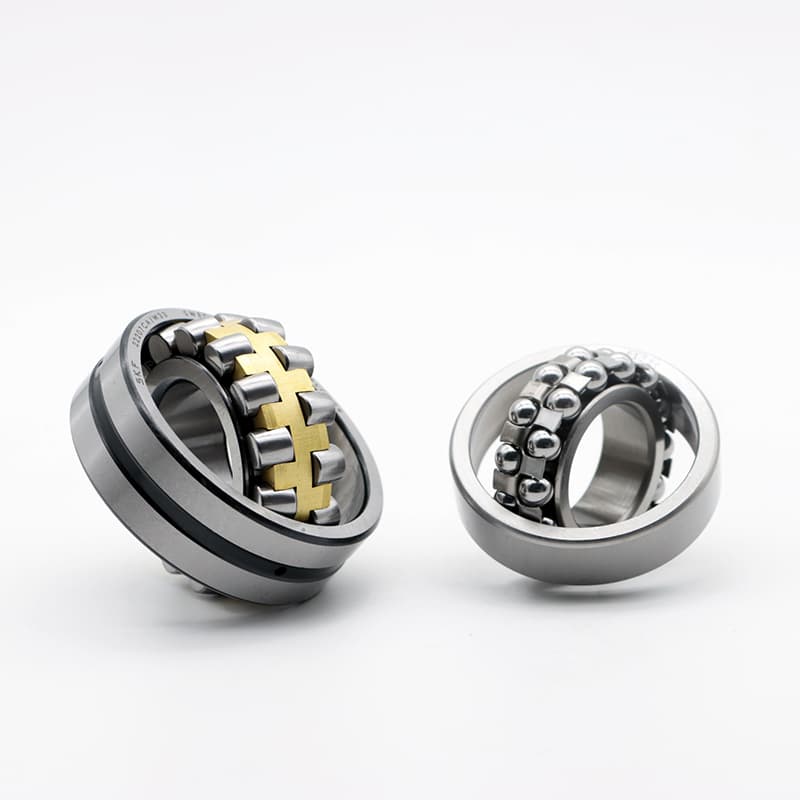
I have worked with many clients who thought they had to redesign their machine because they could not find a bearing. But that is not true. At FYTZ, we make custom bearings every week. We help customers like Rajesh in India get exactly what they need. Let me walk you through some key points about spherical roller bearings and how customization works.
What is the ISO standard for spherical roller bearings?
You see ISO 9001 on a supplier website. But you wonder if that means the bearings themselves follow a standard.
The ISO standard for spherical roller bearings is a set of international rules. These rules define dimensions, tolerances, and how to measure running accuracy. The main standard is ISO 4921. Other important ones are ISO 1992 for bearing numbers and ISO 763 for load ratings.
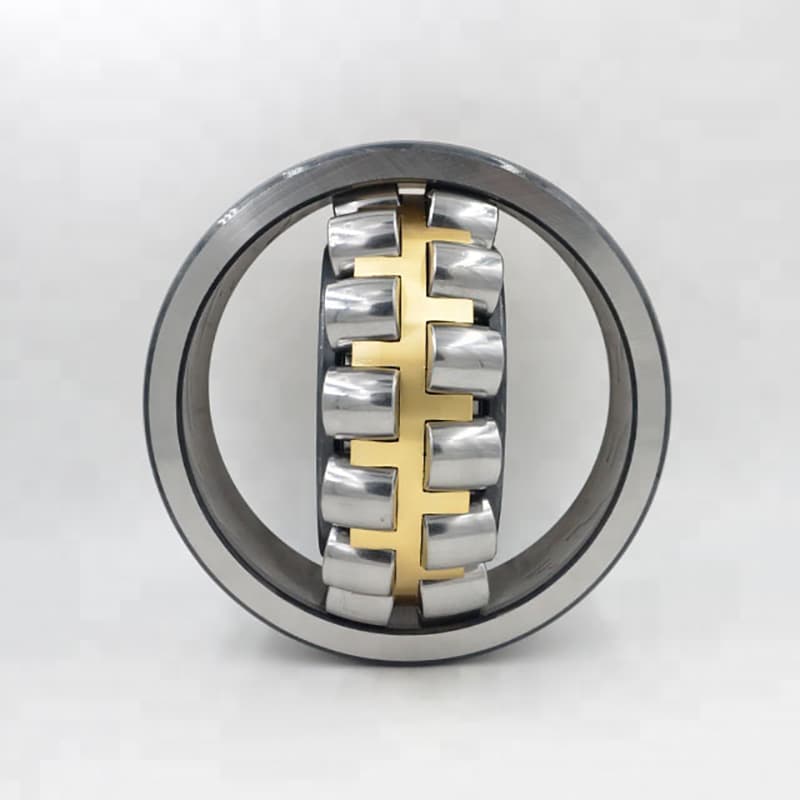
Breaking Down the ISO Standards for Bearings
When I talk to buyers, they often ask about standards. They want to know if our bearings are "ISO standard." I explain that ISO is not one single thing. It is a family of standards.
Here are the key ISO standards that apply to spherical roller bearings.
| Standard | What It Covers | Why It Matters |
|---|---|---|
| ISO 492 | Tolerances for radial bearings. This includes bore diameter, outside diameter, width, and running accuracy. | This makes sure the bearing fits your shaft and housing correctly. If a bearing does not meet ISO 492, it might be too loose or too tight. |
| ISO 199 | Vocabulary and designation system for bearings. It defines how we write bearing numbers, like 22220. | It ensures that when you order a 22220 bearing from any country, you get the same basic dimensions. |
| ISO 76 | Static load ratings. It tells you how much load a bearing can handle when it is not moving. | Important for applications with shock loads or where the bearing sits still under heavy weight. |
| ISO 2814 | Dynamic load ratings and rating life. This is the standard for calculating bearing life (L10 life). | It helps engineers predict how long a bearing will last under given conditions. |
| ISO 1135 | Boundary dimensions for bearings. | It sets the standard sizes for bores, outer diameters, and widths. |
How ISO Tolerances Work
ISO 492 splits tolerances into classes. Normal class (sometimes called P0) is for most applications. But we also make bearings in P6 and P5 classes for higher precision.
| Tolerance Class | Accuracy Level | Typical Use |
|---|---|---|
| Normal (P0) | Standard industrial accuracy | General machinery, gearboxes, conveyors |
| Class 6 (P6) | Higher accuracy | Electric motors, pumps, machine tools |
| Class 5 (P5) | High precision | Precision spindles, high-speed applications |
Custom Bearings and ISO Standards
When we make a custom bearing, we still follow ISO standards for tolerances and load ratings. The dimensions may be non-standard, but the way we measure and guarantee quality is the same.
For example, a client in Brazil needed a bearing with a 135 mm bore. Standard bearings come in 130 mm or 140 mm. Their shaft was 135 mm. We made the bearing with that exact bore. We used ISO 492 P6 tolerances6. The bearing fit perfectly and ran smoothly.
This is what customization means. You get the exact size you need, with the same quality as a standard bearing.
What is the HS Code 84823000?
You receive a shipment from overseas. Customs stops it. They say the code is wrong. Your shipment is delayed. You lose money.
HS Code 84823000 is the Harmonized System code for spherical roller bearings1. It is used by customs authorities around the world to classify goods for import and export. Using the correct code is essential for smooth shipping and correct duty rates.
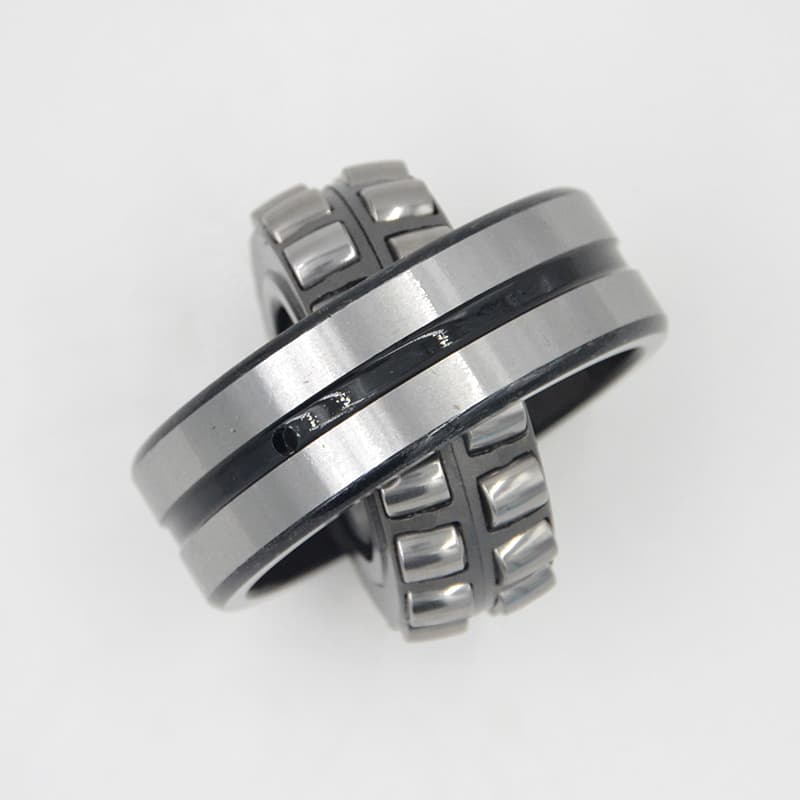
Understanding HS Codes for Bearings
HS code2s are a global system. The first six digits are the same in almost every country. After that, countries may add more digits for their own use.
For bearings, the HS code structure looks like this.
| HS Code | Description |
|---|---|
| 8482 | Ball or roller bearings |
| 8482 10 | Ball bearings |
| 8482 20 | Tapered roller bearings |
| 8482 30 | Spherical roller bearings |
| 8482 40 | Needle roller bearings |
| 8482 50 | Cylindrical roller bearings |
| 8482 80 | Other bearings, including combined bearings |
| 8482 91 | Parts: balls, needles and rollers |
| 8482 99 | Other parts |
So 84823000 specifically means spherical roller bearings.
Why This Code Matters
When you import bearings, you must declare the correct HS code on your customs documents3. If you use the wrong code, several problems can happen.
| Problem | Consequence |
|---|---|
| Shipment delay | Customs holds your goods for inspection. |
| Extra duties or fines | You may pay the wrong duty rate. If it is too low, customs charges a penalty. |
| Audit issues | Repeated mistakes can trigger a full audit of your business. |
I had a client in Pakistan who once used a general code for "machinery parts." The shipment was stuck at the port for two weeks. They called me, frustrated. I explained they needed to use 84823000 for the spherical roller bearings. They corrected the paperwork. The next shipment went through in two days.
Does Customization Change the HS Code?
No. Even if the bearing is custom made, it is still a spherical roller bearing. So the HS code remains 84823000. The customs officer does not care if the size is standard or not. They just need to know what the product is.
We always put the correct HS code on our commercial invoices and packing lists. This helps our customers avoid trouble. When you buy from FYTZ, you get accurate documentation.
What are spherical roller bearings1?
You see the name. You know they are bearings. But you are not sure what makes them different from other bearings.
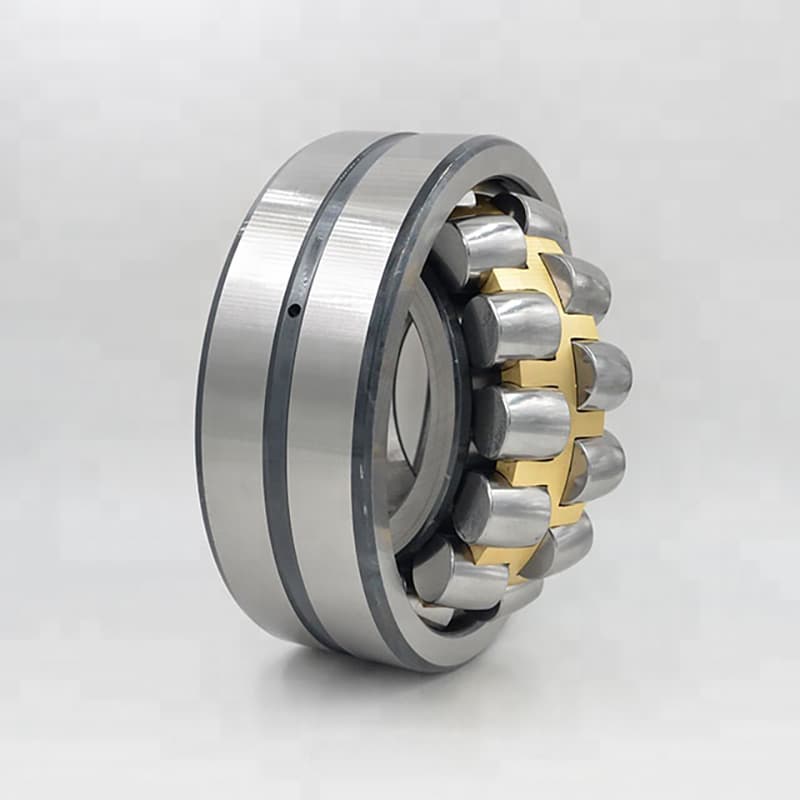
Spherical roller bearings are a type of rolling element bearing. They can handle heavy radial loads and moderate axial loads in both directions. Their key feature is self-alignment2. The outer ring has a spherical raceway, so the bearing can tolerate misalignment between the shaft and housing.
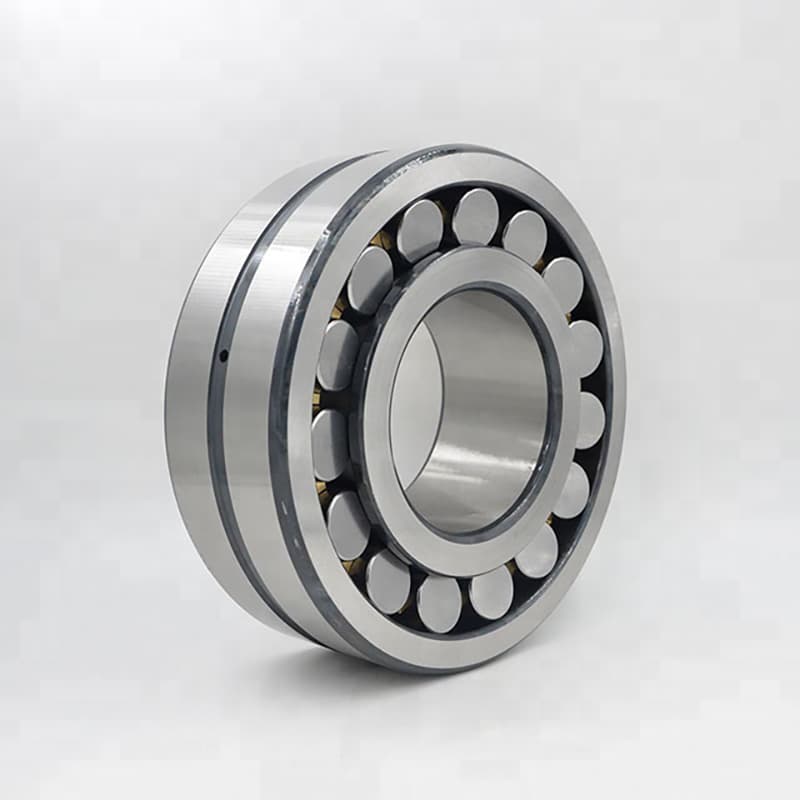
Inside a Spherical Roller Bearing
To understand why you might need a custom spherical roller bearing3, you need to know what is inside one.
| Component | Description | Role |
|---|---|---|
| Inner Ring | Has two raceways, angled relative to the bearing axis. | It rotates with the shaft. |
| Outer Ring | Has one spherical raceway. | It fits in the housing. It can be stationary. |
| Rolling Elements | Barrel-shaped rollers. | They carry the load between the rings. |
| Cage | Holds the rollers in place and spaces them evenly. | It prevents roller-to-roller contact and guides the rollers. |
The spherical shape of the outer ring raceway is what gives the bearing its name. It allows the inner ring and rollers to tilt a little. This compensates for shaft deflection or mounting errors.
Why Use Spherical Roller Bearings?
They are used in heavy-duty applications4 where misalignment might happen. Common places include:
- Gearboxes
- Mining equipment
- Paper machines
- Wind turbines
- Marine propulsion
In these applications, shafts can bend under load. The housing might not be perfectly aligned. Spherical roller bearings handle these conditions without failing early.
When Standard Bearings Are Not Enough
Sometimes the standard sizes do not fit. Maybe the shaft diameter is unusual. Maybe the space inside the machine is tight. Maybe the load is higher than what a standard bearing can take.
This is where customization comes in. We can change:
| Feature | Standard Range | Custom Possibilities |
|---|---|---|
| Bore Diameter | Fixed steps (e.g., 100, 105, 110 mm) | Any diameter you need |
| Outside Diameter | Fixed steps | Any diameter |
| Width | Fixed | Any width |
| Internal Clearance | C2, CN, C3, C4 | Specific clearance values |
| Cage Material | Steel, brass, polyamide | Special materials for high temp or corrosion |
| Precision Class | P0, P6, P5 | Higher or custom tolerances |
I remember a project in Turkey. The customer made equipment for textile mills. They had a shaft diameter of 72.5 mm. No standard bearing has that bore. They contacted us. We designed a bearing with a 72.5 mm bore, 150 mm OD, and 48 mm width. It worked perfectly.
What is a 6203 bearing1 used for?
You see the number 6203 in a catalog. You wonder what machine it goes into. And you ask yourself, is this the bearing I need?
A 6203 bearing is a deep groove ball bearing2. It is a common size. People use it in many small machines. Typical applications include electric motors3, pumps, fans, and automotive components like alternators.
Understanding Bearing Types and Numbers
The 6203 is not a spherical roller bearing. It is a different type. Let me explain the numbering system.
| Digit | Meaning | Example 6203 |
|---|---|---|
| First digit (6) | Bearing type: 6 means deep groove ball bearing | 6 |
| Second digit (2) | Width or series code | 2 |
| Last two digits (03) | Bore size code: 03 means bore = 17 mm | 03 → 17 mm |
So a 6203 bearing has a 17 mm bore. It is small and designed for light to moderate loads.
Where Do People Use 6203 Bearings?
This bearing is everywhere. Here are some common places.
| Application | How It Is Used |
|---|---|
| Electric motors | Supports the motor shaft in small motors (fans, pumps) |
| Automotive alternators | Helps the alternator rotor spin smoothly |
| Washing machines | In the drive motor or pump |
| Power tools | Supports the spindle in drills, grinders |
| Bicycles | In hubs and bottom brackets (older designs) |
What Does This Have to Do with Custom Spherical Roller Bearings?
You might wonder why I am talking about a small ball bearing in an article about spherical roller bearings4. The point is this: every application has its own bearing needs. A 6203 works for a small fan. But for a heavy steel mill roll, you need a spherical roller bearing.
Sometimes, even in heavy machines, there are places where a standard bearing like a 6203 is used. But if the machine is unique, the designer might need a non-standard size. That designer could come to us.
For example, a client in South Africa built a custom conveyor system. They used standard bearings for most rollers. But at the drive end, the loads were high and the shaft diameter was unusual. They needed a spherical roller bearing with a 90 mm bore. That is not a standard size. We made it for them.
The lesson is: whether it is a tiny 6203 or a huge 24076, if the standard size does not fit, we can make it.
Choosing Between Bearing Types
When you select a bearing, you must consider the load, speed, and alignment needs.
| Bearing Type | Load Capacity | Speed | Alignment Tolerance | Typical Use |
|---|---|---|---|---|
| Deep Groove Ball (e.g., 6203) | Light to moderate | High | Poor | Small motors, fans, pumps |
| Spherical Roller | Very high | Moderate | Excellent | Heavy industry, gearboxes, conveyors |
| Cylindrical Roller | High radial | High | Poor | Machine tool spindles, electric motors |
| Tapered Roller | High radial and axial | Moderate | Poor | Car wheels, gearboxes |
If your application has high loads and possible misalignment, spherical roller bearings are the right choice. And if you need a non-standard size, we are ready to help.
Conclusion
Customized spherical roller bearings solve problems when standard sizes do not fit. Understanding ISO standards, HS codes, and bearing basics helps you make smart choices. FYTZ is here to deliver exactly what your project needs.
-
Explore this link to understand the versatile applications of the 6203 bearing in various machines. ↩ ↩ ↩ ↩
-
Learn about deep groove ball bearings and their advantages in different mechanical applications. ↩ ↩ ↩ ↩
-
Discover how electric motors function and the role of bearings like the 6203 in their operation. ↩ ↩ ↩ ↩
-
Understand the applications of spherical roller bearings in heavy machinery and their benefits. ↩ ↩ ↩
-
Investigate ISO 113 to learn about standard sizes for bearings, ensuring compatibility in various applications. ↩
-
Delve into P6 tolerances to understand their role in achieving higher precision for specialized applications. ↩
