
You need bearings fast, but you cannot afford failures. Everyone wants low price, high quality, and short lead times. Getting all three feels impossible.
Balancing price, quality, and lead time requires you to understand your application needs first. Then you must find a factory partner who can offer consistent quality, hold raw material stock, and communicate clearly about production schedules. You cannot have the lowest price and the fastest speed with top quality unless you plan ahead.

I have spent years inside this industry. I see buyers make the same mistakes. They push for the lowest price. Then they get angry when quality suffers or delivery is late. Or they need bearings tomorrow and blame the supplier for not having them ready. There is a better way to work. Let me show you how we do it at FYTZ, and how you can apply this to your own purchasing.
What is the ISO standard for spherical roller bearings?
Too many bearing numbers and confusing certificates? You buy bearings, but you are not sure if they will fit or perform correctly.
ISO standards for spherical roller bearings define the dimensions, tolerances, and running accuracy. The main standard is ISO 4921, which specifies dimensional and geometrical tolerances. Other related standards like ISO 1992 cover bearing numbers and ISO 763 covers static load ratings.
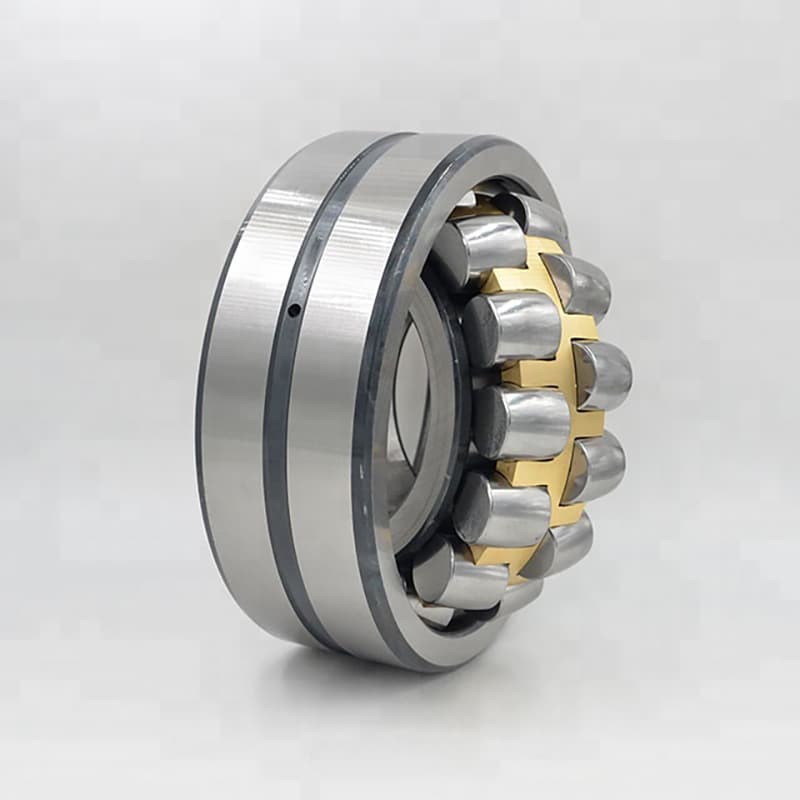
Breaking Down the Key ISO Standards
I talk to buyers like Rajesh from India. He imports many bearings. He often asks me, "What does ISO mean for my actual part?" It is a good question. ISO is not just a sticker. It is a technical language that ensures a bearing made in China will fit a shaft made in Brazil.
Let me show you the main standards that matter for spherical roller bearings.
| Standard Number | What It Covers | Why It Matters To You |
|---|---|---|
| ISO 492 | Tolerances for radial bearings. This includes bore diameter, outer diameter, width, and running accuracy. | This ensures the bearing fits the shaft and housing correctly. If a bearing does not meet ISO 492, it might be loose or too tight. |
| ISO 199 | Vocabulary and bearing numbers. It defines how we name bearings, like 22220 or 22316. | This makes sure you get the exact series and size you ordered. No confusion between manufacturers. |
| ISO 76 | Static load ratings. It defines how much load a bearing can take when not moving. | Important for applications with shock loads or where the bearing sits still under heavy weight. |
| ISO 2814 | Dynamic load ratings and rating life. This is the standard for calculating how long a bearing should last. | This is the basis for L10 life calculations. It helps you predict bearing replacement schedules. |
How Tolerances Work in Real Life
ISO 492 splits tolerances into classes. Normal class is standard. But we also make P6 and P5 class bearings for higher precision applications.
| Tolerance Class | Accuracy Level | Typical Application |
|---|---|---|
| Normal (P0) | Standard industrial accuracy | General machinery, gearboxes, conveyors |
| Class 6 (P6) | Higher accuracy | Electric motors, machine tool spindles |
| Class 5 (P5) | High precision | Precision grinders, high-speed applications |
I remember a client from Turkey who ordered spherical roller bearings for a paper mill. They needed P6 class because their machines ran at higher speeds. We made sure our production line used the correct ISO tolerance class. The bearings ran smoothly, and they placed repeat orders.
The Factory’s Role in Meeting Standards
Meeting ISO standards is not automatic. It requires good machines, skilled workers, and proper inspection. At FYTZ, we have integrated production and inspection lines. Every batch goes through checks.
We use calibrated equipment to measure bore, outer diameter, and width. We check radial runout. If any bearing falls outside the ISO tolerance, we reject it. This is what quality control means.
When you ask for a low price, some factories skip these checks. They assume the production is fine. That is risky. I always tell buyers, "Ask your supplier if they inspect to ISO standards. Ask for reports." A serious supplier will provide them.
What is the lifespan of a spherical bearing?
You install bearings and hope they last. But sometimes they fail after one month. Other times they run for ten years. Why the difference?
The lifespan of a spherical roller bearing is not a fixed number. It depends on the application. Engineers calculate the L10 life1, which is the number of hours that 90% of a group of identical bearings will achieve or exceed under the same conditions. In real factories, with good maintenance, many bearings last 5 to 10 years or more.
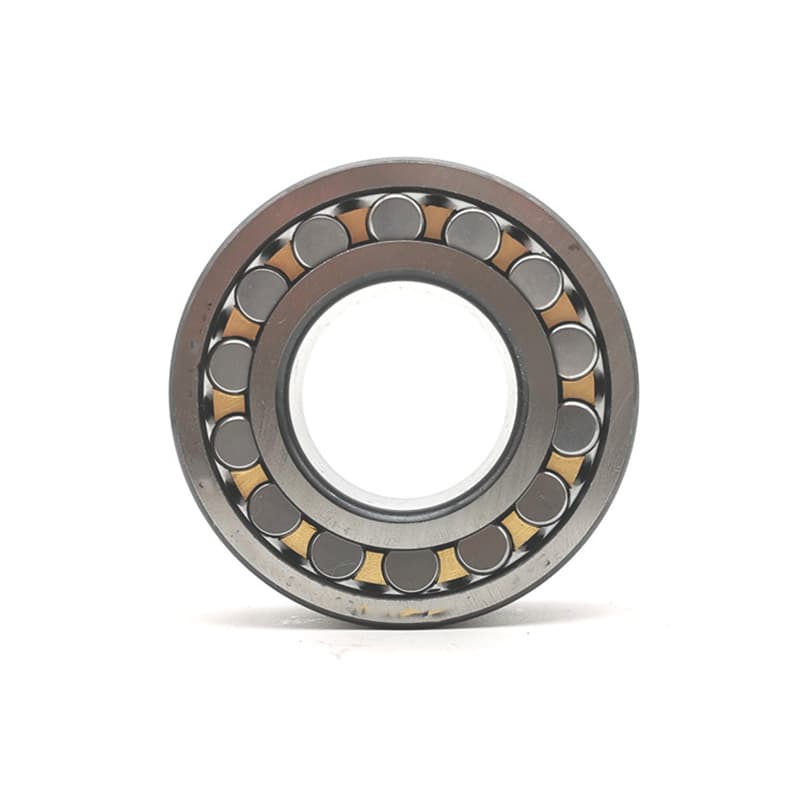
Understanding L10 Life and Real Life
I meet many procurement managers who ask, "How long will this bearing last?" They want a simple answer. But I cannot give them one without asking questions.
The ISO 281 standard defines bearing life calculation2. The formula includes dynamic load rating3, equivalent load, and a life exponent. For spherical roller bearings, the exponent is 10/3. This is the math part.
But real life is different from math.
| Factor | How It Affects Lifespan |
|---|---|
| Load | Higher loads reduce life. If you double the load, life drops by about 90%. |
| Speed | Higher speeds generate heat. Heat degrades grease and changes internal clearances. |
| Lubrication | Bad lubrication4 is the number one killer of bearings. No oil means quick death. |
| Contamination | Dirt and water get into the bearing. They act like sandpaper on the races. |
| Alignment | Spherical bearings handle misalignment well, but severe misalignment still hurts life. |
| Installation | Using a hammer to install a bearing damages it immediately. Proper tools matter. |
Typical Lifespan Examples
Let me give you some real-world examples from our customers.
| Industry / Application | Typical Observed Lifespan | Key Reason |
|---|---|---|
| Steel Mill (continuous caster) | 1-3 years | High heat, heavy loads, water contamination5 |
| Mining conveyor | 3-5 years | Dust contamination, heavy shock loads |
| Cement plant (crusher) | 2-4 years | Shock loads, vibration, dust |
| Paper machine (dryer section) | 5-8 years | Moderate loads, better maintenance |
| General industrial gearbox | 5-10 years | Controlled environment, good lubrication |
I worked with a client in Indonesia who runs a palm oil mill. Their bearings kept failing every six months. We visited the site. We saw the problem. They used the wrong grease and did not have proper seals. We recommended a different bearing with better internal clearance and helped them choose the right lubricant. The next set of bearings lasted over three years.
Can You Predict Lifespan Accurately?
You cannot predict exactly. But you can get close. You need good data. You need to know the actual loads and speeds. Many factories do not measure these. They guess.
If you are a buyer, you should ask your end user or your customer about the operating conditions. Then you can work with a bearing supplier who understands the calculation. At FYTZ, we help customers do this. We do not just sell bearings. We sell solutions.
If someone promises you a bearing will last exactly 50,000 hours, be careful. They might be guessing. A good supplier gives you a calculated L10 life based on your inputs. Then you know what to expect.
Why are bearings so expensive?
You see a small piece of metal. The price tag looks too high. You wonder why it costs so much.
Bearings are expensive because they require high-quality steel1, precise manufacturing2, complex heat treatment3, and strict quality control4. The machines that make bearings cost millions of dollars. The skilled workers need years of training. All of this adds up before the bearing reaches you.
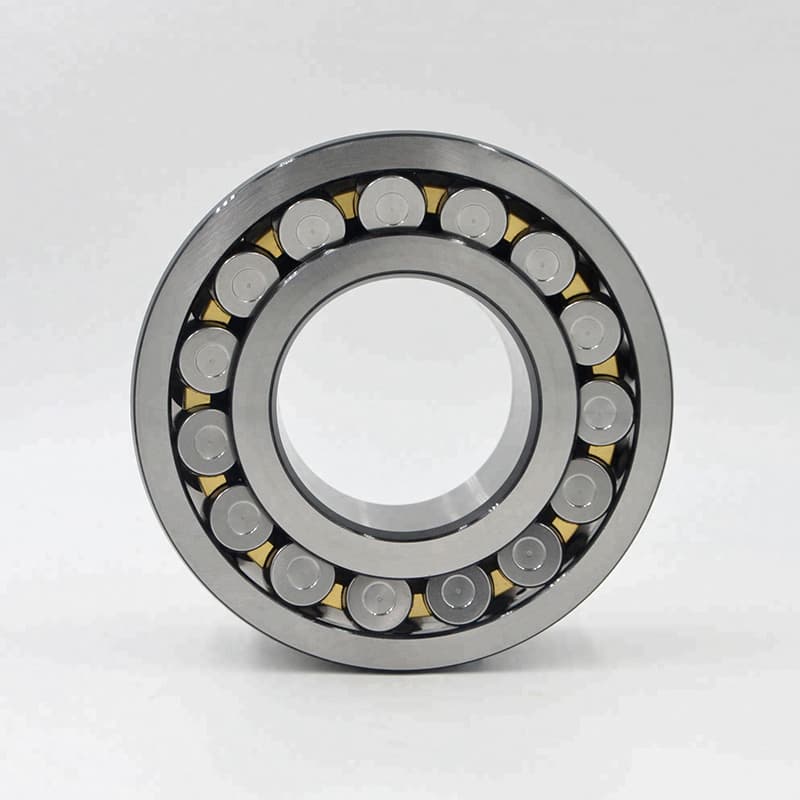
Breaking Down the Cost
I often explain this to buyers like Rajesh. He runs a business. He needs to make a profit. He wants to understand why our price is what it is. So let me break it down.
| Cost Component | What It Includes | Approximate % of Total Cost |
|---|---|---|
| Raw Material | High-quality bearing steel (like GCr15 or 52100). Steel must be clean, with no inclusions. | 30% – 40% |
| Heat Treatment | Hardening and tempering processes. This gives the bearing its strength and durability. Special furnaces and precise temperature control cost money. | 10% – 15% |
| Machining & Grinding | Turning, grinding, and super-finishing. This is where the bearing gets its precise dimensions and smooth surface. Grinding wheels are expensive and wear out fast. | 25% – 35% |
| Assembly & Inspection | Putting the parts together, adding the cage, and final inspection. We check noise, vibration, and dimensions. | 5% – 10% |
| Overhead & Logistics | Factory costs, worker salaries, packaging, and shipping. | 10% – 15% |
Why Cheap Bearings Are a Trap
I see many buyers go for the lowest price. They find a bearing that is 30% cheaper than ours. They think they saved money. Then six months later, the machine breaks down. Production stops. They pay for emergency repairs. They lose sales. They pay for a new bearing anyway. In the end, they spend more.
| Cheap Bearing Problem | Resulting Cost |
|---|---|
| Poor steel quality | Early fatigue, spalling, sudden failure |
| Bad heat treatment | Soft races, rapid wear, noise |
| Rough surface finish | High friction, heat buildup, grease breakdown |
| Incorrect dimensions | Fits are wrong, shaft damage, vibration |
| No quality control | Bearing fails immediately or runs rough |
I had a customer in Egypt who bought very cheap bearings5 from another source. They put them in agricultural equipment. The bearings lasted two months. The farmer was angry. The distributor lost the customer. Now that distributor buys from FYTZ. Our price is higher, but his customers are happy, and he keeps their business.
How We Control Costs at FYTZ
We keep costs under control without sacrificing quality. How? We work efficiently. We have long-term cooperation with certified steel mills. This means we get good material at a fair price. We keep inventory of common raw materials. This reduces lead time and saves cost.
We also have integrated production lines6. We do not outsource steps. This means we control the quality at every stage. We catch problems early. That saves money too.
For buyers, the key is to find a factory like ours. One that balances all these factors. Then you pay a fair price for a quality product.
What is C1, C2, and C31 bearing clearance?
You look at a bearing specification. You see C3 or C2. You are not sure what it means or why it matters.
C1, C2, and C3 refer to the internal radial clearance2 of a bearing. This is the amount of space between the rolling elements and the raceways when the bearing is not installed. C2 is smaller than normal clearance. C3 is larger than normal clearance. Normal clearance is often called CN or C0.
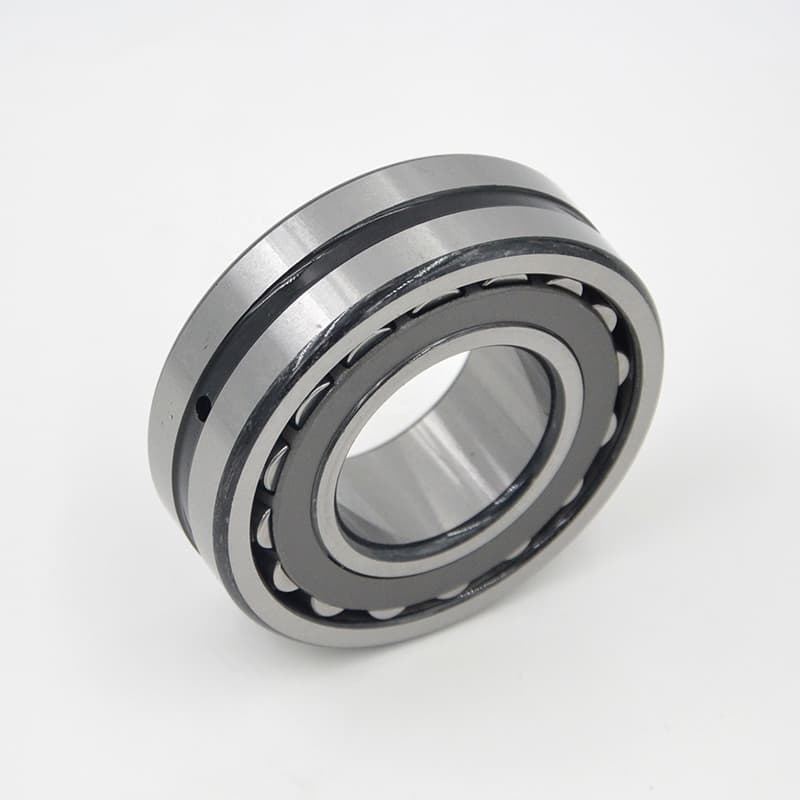
Why Clearance Matters
I talk to many engineers and buyers. They often overlook clearance. They think the bearing number is enough. But clearance is critical for bearing life3.
When you install a bearing, you press it onto a shaft and into a housing. This fit reduces the internal clearance. If the fit is tight, the clearance becomes smaller. If the clearance becomes zero or negative, the bearing preloads. Too much preload causes heat and early failure.
On the other hand, if the application runs hot, the shaft expands. This also reduces clearance. So you need to start with more clearance to account for the expansion.
| Clearance Group | Size Relative to Normal | When To Use It |
|---|---|---|
| C2 | Smaller than normal | Applications with light loads, high precision, where you want minimal play. Often used in small electric motors. |
| CN (C0) | Normal clearance | General applications with standard fits and normal temperatures. This is the most common. |
| C3 | Larger than normal | Applications with higher temperatures, interference fits on the shaft, or where expansion is expected. Common in large motors, pumps, and paper machines. |
| C4 | Larger than C3 | High-temperature applications or very tight shaft fits. Used in some dryer rolls in paper mills. |
How to Choose the Right Clearance
This is a common question. I will give you a simple rule. If you are not sure, start with CN. But consider these factors.
| Condition | Recommended Clearance |
|---|---|
| Steel shaft, normal fit, normal temperature (up to 80°C) | CN |
| Steel shaft, normal fit, high temperature (above 80°C) | C3 or higher |
| Hollow shaft or thin housing | Might need C3 because the housing expands less |
| High interference fit on shaft | C3 to compensate for clearance reduction |
| High precision spindle | C2 or even special reduced clearance |
I remember a client in Russia who ordered bearings for a paper machine dryer section. The dryer rolls get hot. The shafts are steel. The housing is also steel. They originally ordered CN clearance. I asked about the temperature. They said it runs at 120°C. I recommended they change to C3. They did. The bearings lasted much longer.
Measuring Clearance
At the factory, we measure radial clearance before packaging. We use a special gauge. The bearing sits on a mandrel. We apply a load and measure the movement. This tells us the actual clearance.
ISO standards4 define the clearance ranges for each group. For example, for a 22220 bearing, the CN clearance might be 70 to 110 micrometers. C3 might be 110 to 150 micrometers. These numbers vary by size and series.
When you buy from FYTZ, you get bearings with consistent clearance within the specified range. We check this. It is part of our quality control.
If you are a buyer, you should tell your supplier the application. Then they can help you choose the right clearance. Do not just order C3 because someone else did. Make sure it fits your needs.
Conclusion
Balancing price, quality, and lead time requires knowledge and a reliable partner. Understand the ISO standards, know the expected lifespan, appreciate the cost drivers, and select the right bearing clearance. Then you can make smart purchases.
-
Understanding these classifications helps ensure you select the right bearing for your application. ↩ ↩ ↩ ↩
-
Learn about internal radial clearance to improve bearing performance and longevity in your machinery. ↩ ↩ ↩ ↩
-
Explore the relationship between clearance and bearing life to enhance your equipment’s reliability. ↩ ↩ ↩ ↩
-
Familiarize yourself with ISO standards to ensure compliance and quality in your bearing selection. ↩ ↩ ↩ ↩
-
Find out why opting for cheap bearings can lead to costly failures and repairs. ↩ ↩
-
Understand how integrated production lines improve efficiency and product quality. ↩