
A bearing fails in a coal conveyor. Dust and grit entered the bearing. The machine stops. Then you hear about a nearby fire caused by an overheated bearing. Safety and environment are not just paperwork. They are real risks.
When you select spherical roller bearings, you must consider factors like contamination, temperature, lubrication, and sealing. These choices affect machine safety, operator health, and environmental compliance. Ignoring them leads to failures and accidents.
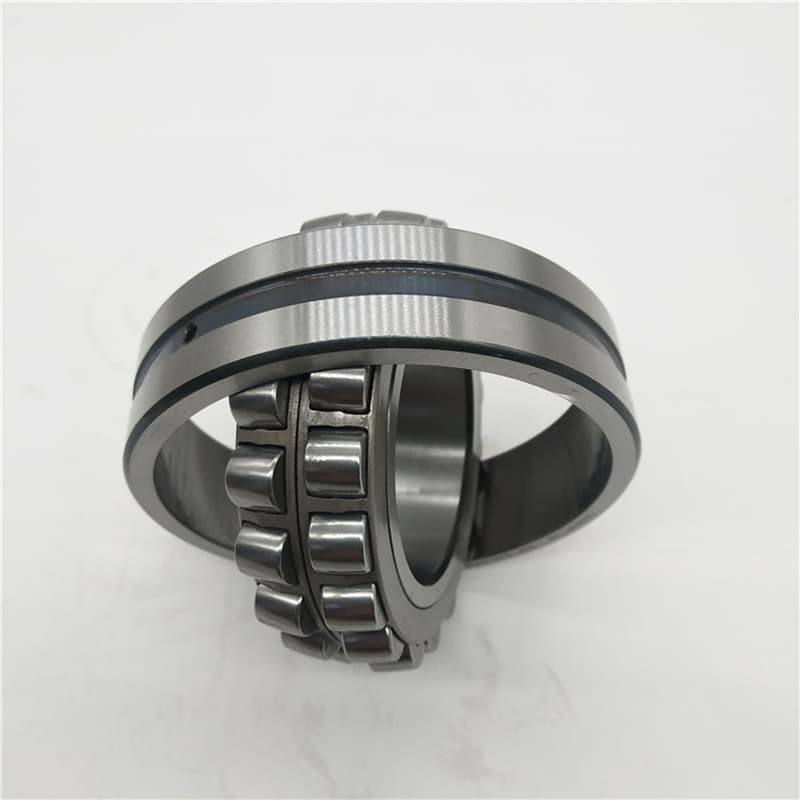
I have worked with many customers who focus only on load and speed. They forget about where the bearing will live. They forget about the dust, the water, or the heat. Then they call me asking why the bearing failed. In this article, I want to share what I have learned about choosing bearings for tough environments. I will also talk about safety standards and how we protect bearings.
What are seven important factors to consider when selecting a bearing?
You are choosing a bearing for a new machine. You look at the load1 first. But then you remember the last machine failed early. You wonder what you missed. You need a complete checklist.
The seven important factors to consider when selecting a bearing are: load, speed2, operating temperature3, lubrication4, contamination level5, misalignment6, and mounting/dismounting requirements. Each one affects bearing life and machine safety.
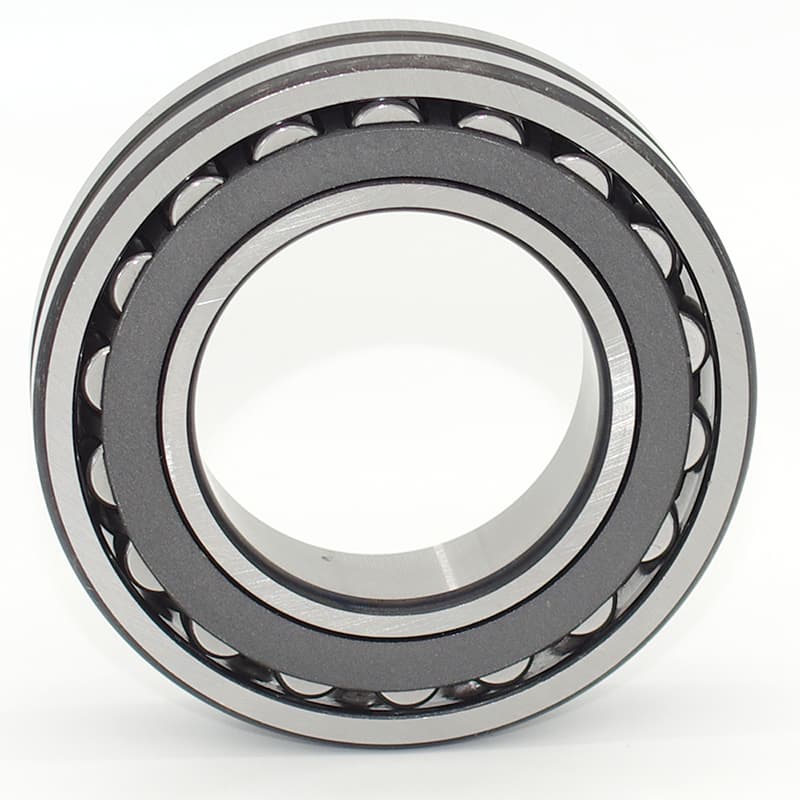
Breaking down the seven factors
Let me explain each factor in detail. I will use examples from my work with conveyor and industrial customers.
1. Load
Load is the first thing everyone thinks about. You need to know the radial load and any axial load. For spherical roller bearings7, they handle heavy radial loads well. But you must calculate the equivalent dynamic load. This combines radial and axial forces. If you underestimate the load, the bearing will fail early. I have seen this happen in a steel mill in Russia. They used a bearing too small for the shock loads. The bearing cracked in two weeks.
2. Speed
Speed limits come from the bearing design. Spherical roller bearings have a speed rating. If you run them too fast, they overheat. The cage can fail. The lubricant breaks down. You must check the n*dm value. This is the pitch diameter times the speed. For high speeds, you might need a different bearing type or special cage.
3. Operating Temperature
Temperature affects everything. High heat changes the steel dimensions. It thins the lubricant. It can melt seals. Low temperatures make steel brittle and grease stiff. I supply bearings to a customer in Canada. They use conveyors outdoors in -40°C. We use special steel and low-temperature grease. Without this, the bearings lock up.
Here is a simple table showing temperature effects:
| Temperature Range | Potential Issue | Bearing Solution |
|---|---|---|
| Below -30°C | Steel becomes brittle, grease hardens | Special low-temp steel, synthetic grease |
| -30°C to +80°C | Normal operating range | Standard materials, standard grease |
| +80°C to +150°C | Grease degrades, dimensions change | High-temp stabilisation, high-temp grease |
| Above +150°C | Permanent material damage | Special heat-resistant bearings, oil lubrication |
4. Lubrication
Lubrication is the lifeblood of a bearing. You choose between grease and oil. Grease is simpler. It stays in the bearing. Oil is better for high speeds or high heat. But oil needs a system to circulate and cool it. The wrong lubricant causes metal-to-metal contact. Then the bearing fails fast. I always tell my customers: spend time on lubrication planning.
5. Contamination Level
This is a big one for conveyors. Dust, dirt, water, and chemicals kill bearings. Particles get into the raceways. They act like sandpaper. They wear down the surfaces. Then vibration starts. Then noise. Then failure. You need seals and shields. You might need special bearing materials.
6. Misalignment
Shafts bend. Housings shift. This happens in real machines. Spherical roller bearings are good at handling misalignment. But there is a limit. You must know how much misalignment can occur. Too much misalignment overloads the rollers. It creates edge stresses. Then the bearing fails.
7. Mounting and Dismounting
How do you put the bearing on the shaft? How do you take it off? In heavy machines, this matters a lot. Spherical roller bearings often use adapter sleeves. This makes mounting easy. You just tighten the sleeve. For dismounting, you need access. If you cannot remove the bearing easily, maintenance takes too long. Downtime costs money.
My experience with customers
I remember a customer from Indonesia. He bought bearings for a palm oil press. He only considered load. He did not think about contamination. The press had fibres and dust everywhere. His bearings lasted three months. We talked about the seven factors. He added proper seals and a relubrication schedule. Now his bearings last two years.
What is the ISO standard for spherical roller bearings?
A quality manager in India asks you for a certificate. He wants to know if your bearings meet international standards. You need to give him a clear answer.
The main ISO standard for spherical roller bearings is ISO 2811, which covers dynamic load ratings and rating life. Other important standards include ISO 4922 for tolerances and ISO 11323 for bearing characteristics.
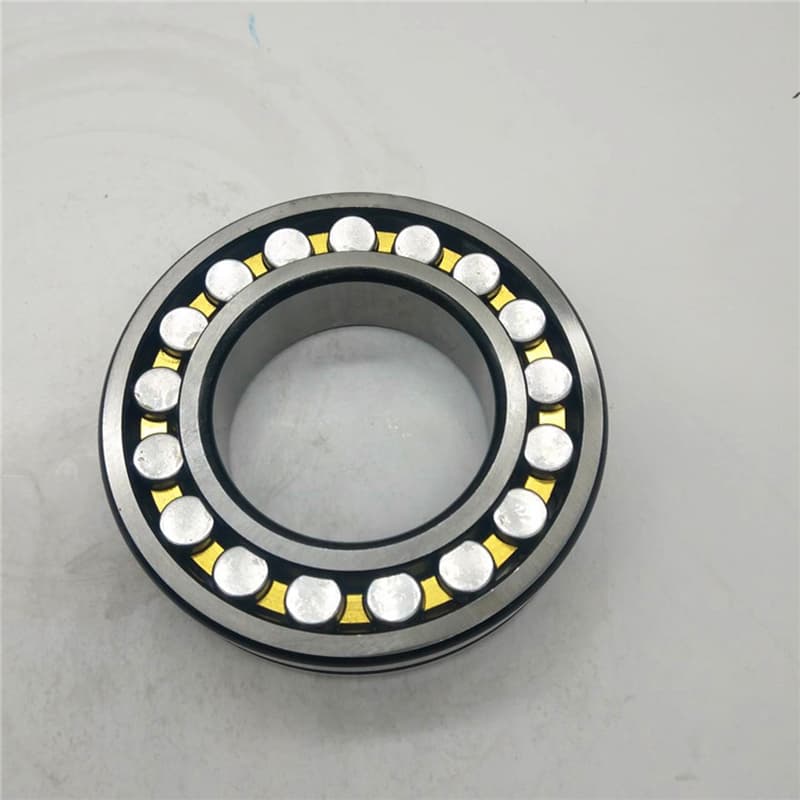
Understanding the key ISO standards
Standards help everyone speak the same language. They ensure bearings from different factories work the same way. Here are the important ones for spherical roller bearings.
ISO 281: Dynamic load ratings and rating life
This is the most important standard. It tells you how to calculate the basic dynamic load rating (C). This number is used to calculate bearing life. The formula is L10 = (C/P)^3. L10 is the life in millions of revolutions. P is the equivalent dynamic load.
ISO 281 also includes adjustments for reliability, material, and operating conditions. There is a more advanced version called ISO 281:2007. It includes a factor for contamination and lubrication. This gives a more realistic life prediction.
ISO 492: Tolerances
This standard defines the dimensional and running accuracy of bearings. For spherical roller bearings, normal tolerance class is usually enough. But some applications need higher precision. FYTZ offers P5 and P6 precision classes. These meet ISO 492 requirements.
The table below shows the main tolerance classes:
| ISO Class | Equivalent ABEC Class | Precision Level |
|---|---|---|
| Normal | ABEC 1 | Standard |
| P6 | ABEC 3 | Higher |
| P5 | ABEC 5 | Precision |
| P4 | ABEC 7 | Super precision |
ISO 1132: Bearing characteristics
This standard explains the terms and definitions for bearings. It covers things like chamfer dimensions, raceway geometry, and cage types. It ensures that when I say "spherical roller bearing," you know exactly what I mean.
ISO 152434: Bearing failure modes
This is a useful standard. It classifies how bearings fail. It helps engineers identify the root cause of failure. Was it fatigue? Wear? Corrosion? Electrical damage? Knowing the failure mode helps you choose a better bearing next time.
Why ISO standards matter for safety
When you follow ISO standards, you reduce risk. You know the bearing will perform as expected. You can trust the load ratings. You can trust the life calculations. This is important for safety. If a bearing fails in a critical machine, people can get hurt.
I always tell my customers to ask for ISO compliance. Some cheap bearings do not meet the standards. They have lower load capacity. They wear out faster. They are not safe for heavy-duty use.
How to protect spherical bearings?
You install a new bearing in a dusty conveyor. A month later, it sounds rough. You open it and find dirt inside. You ask yourself: how could I have prevented this?
To protect spherical bearings, you need three lines of defense: effective sealing, proper lubrication, and correct mounting. These keep contaminants out and lubricant in.

The three lines of defense
Let me explain each protection method in detail.
1. Effective Sealing1
Seals are the first barrier. They stop dirt, water, and dust from getting inside. There are two main types: contact seals and non-contact seals.
- Contact seals: These rub on the inner ring. They provide the best protection. But they create friction. This limits speed and generates heat. In very dirty environments, contact seals are the best choice.
- Non-contact seals: These have a small gap. They do not rub. So they have no speed limit. But they let very fine dust through. They work best in cleaner environments.
For heavy-duty conveyors, I often recommend labyrinth seals or V-rings. These work well with spherical roller bearings in pillow block housings.
2. Proper Lubrication2
Lubrication protects in two ways. First, it creates an oil film between metal surfaces. This prevents wear. Second, it helps push contaminants out. When you add new grease, old grease with dirt gets forced out of the bearing.
For dirty environments, you need a relubrication schedule. How often depends on the dust level. In a cement plant, you might relube every week. In a clean factory, maybe every six months.
I worked with a customer in Bangladesh. He ran a rice mill. The dust was everywhere. He did not relube his bearings. They failed in two months. We set up a weekly greasing schedule. Now his bearings last a year.
3. Correct Mounting and Housing Design3
Mounting affects protection. If you damage the seal during mounting, it will leak. If you tilt the bearing, the seal may not work right.
The housing also matters. Some housings have grease grooves and grease nipples. These let you add grease without opening the housing. Some housings have drain holes. These let old grease and water escape.
I always recommend using bearing units with integral seals. For example, FYTZ offers pillow block bearings with spherical roller inserts. They come with triple-lip seals. They are pre-greased. They are ready to mount.
Advanced protection for extreme conditions4
Some environments need more than standard protection. Here are some advanced options.
- Stainless steel bearings5: For corrosive environments like chemical plants or food processing.
- Coatings: Some bearings have black oxide coating. This resists corrosion and helps lubrication.
- Solid oil6: This is oil absorbed into a polymer. It never leaks out. It works in food machines where drips are not allowed.
What type of bearings should be used in a dirty environment?
Your conveyor handles crushed rock. Dust fills the air. It settles on everything. Your bearings fail every few months. You need a bearing that can survive this.
For a dirty environment, you should use sealed spherical roller bearings1s](https://www.skf.com/uk/industries/agriculture/agricultural-machines/spherical-roller-bearings-for-high-contamination)[^2] or bearing units with effective contact seals. The bearing should have a robust cage and high-quality grease. Regular relubrication is also essential.
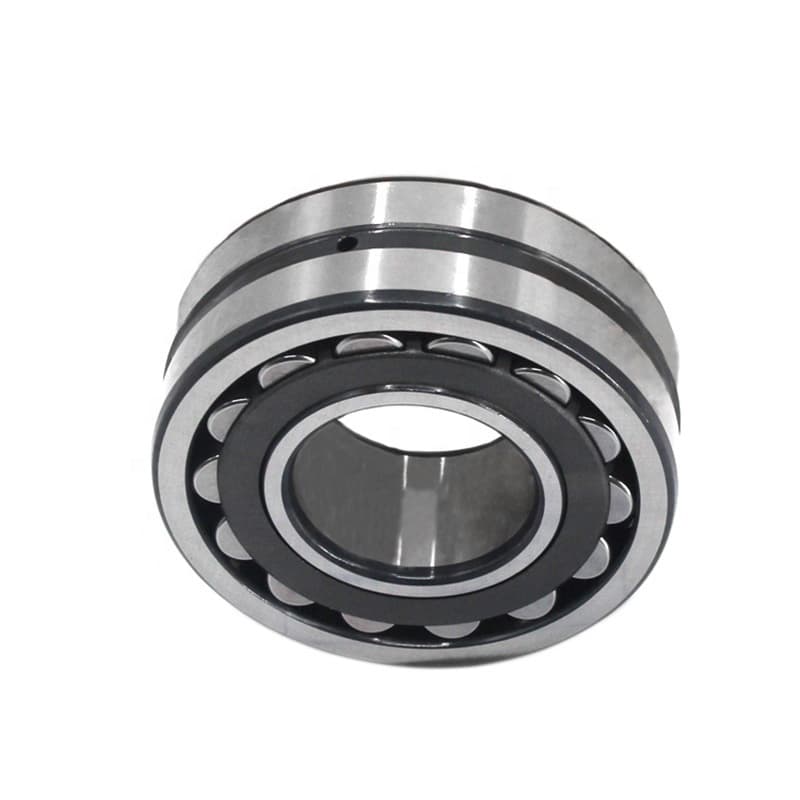
Why spherical roller bearings are a good start
Spherical roller bearings already have advantages for dirty environments. Their design allows for misalignment. This is good because dirt can build up and shift housings. They also have high load capacity. This helps when dirt adds resistance.
But the standard open bearing is not enough. You need sealing.
The sealing options for dirty environments
Let me compare the options in a table.
| Seal Type | Protection Level | Speed Limit | Best Use Case |
|---|---|---|---|
| Open (no seal) | None | No limit | Clean, oil-lubricated systems |
| Metal Shield | Low | No limit | Minor dust, high speed |
| Non-contact Rubber Seal | Medium | No limit | Light dust, normal speed |
| Light Contact Seal | High | Some limit | Moderate dust |
| Heavy Contact Seal | Very High | Significant limit | Heavy dust, low to medium speed |
| Labyrinth Seal (in housing) | Very High | No limit | Very dirty, any speed |
For a dirty conveyor environment, I recommend heavy contact seals3 or labyrinth seals4. Labyrinth seals are better for higher speeds because they do not rub.
Bearing types that work in dirty environments
Besides spherical roller bearings, other types can work. But each has pros and cons.
- Spherical roller bearings with contact seals: My top choice. They handle loads, misalignment, and dirt.
- Taper roller bearings with seals: Good for combined loads. But they are harder to seal because of their design.
- Deep groove ball bearings with seals: Work for lighter loads. They cannot handle misalignment. If the housing shifts, they fail.
- Insert bearings (pillow blocks): These are popular in agriculture and conveyors. They often have spherical roller inserts or deep groove inserts. They come with good seals. They are easy to replace.
My advice from the field
I have a customer in South Africa. He runs a platinum mine. The ore is abrasive. The dust is like sandpaper. He tried many bearings. Open bearings lasted days. Sealed deep groove bearings lasted weeks. Finally, he tried FYTZ sealed spherical roller bearings in pillow blocks. They lasted over a year.
The key was the seal design. We used a triple-lip seal with a flinger. The flinger throws off large particles. The lips keep out fine dust. Plus, the spherical roller design handled the constant misalignment from the worn conveyor frame.
Lubrication strategy for dirty environments
Even with good seals, you must relubricate. In dirty environments, use a high-viscosity grease5 with solid additives. The grease should be NLGI grade 2 or 3. It should stick to the surfaces.
When you relube, pump in new grease until old grease comes out the seals. This purges contaminants. Do this regularly. How regular? It depends. Start with once a week. Check the bearing temperature. If it rises, you may need to relube more often.
A warning about over-greasing
Too much grease is also bad. It causes high temperatures. It can blow out the seals. Follow the bearing manufacturer’s recommendations. At FYTZ, we provide relubrication intervals6 for our bearings.
Conclusion
Selecting spherical roller bearings for tough environments means looking beyond load and speed. You must consider sealing, lubrication, and safety standards. These choices protect your machines, your workers, and your bottom line.
-
Explore the advantages of sealed spherical roller bearings for durability in harsh conditions. ↩ ↩ ↩ ↩
-
Understand the unique features of spherical roller bearings that make them ideal for challenging conditions. ↩ ↩ ↩
-
Learn how heavy contact seals enhance bearing performance in dusty conditions. ↩ ↩ ↩ ↩
-
Discover the effectiveness of labyrinth seals for high-speed applications in dirty settings. ↩ ↩ ↩ ↩
-
Find out how high-viscosity grease can improve bearing longevity in harsh conditions. ↩ ↩ ↩
-
Get insights on optimal relubrication practices to maintain bearing performance. ↩ ↩ ↩
-
Spherical roller bearings offer unique benefits for handling loads and misalignment, making them a popular choice. ↩
