
A conveyor belt stops working in the middle of a shift. Production halts. Workers stand idle. The cause is often a failed bearing on a take-up or snub pulley. You need a bearing that can handle heavy loads and tough conditions without failing.
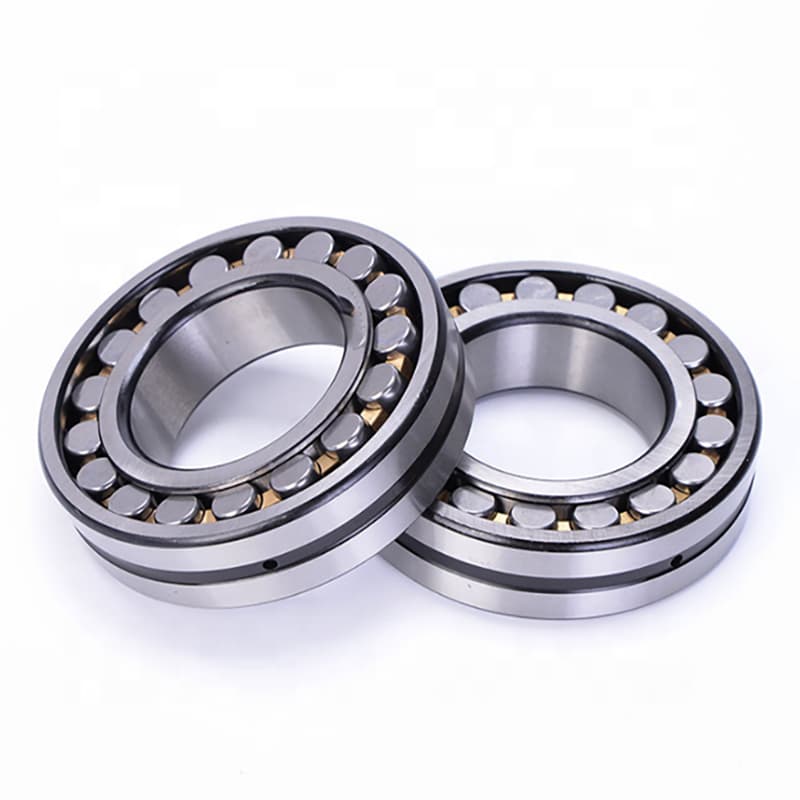
Spherical roller bearings are the best choice for take-up and snub pulleys in heavy-duty conveyors. They are designed to carry high radial loads and some axial loads. They also tolerate misalignment, which is common in conveyor systems.
When I talk to customers like Rajesh from India, they often ask about bearing life and reliability. They want to reduce downtime. In this article, I will share what I have learned from working with conveyor systems. I will answer the most common questions about spherical roller bearings for take-up and snub pulleys.
What are spherical roller bearings1 used for?
You are designing a conveyor system. You need bearings that can handle high loads and shaft deflection. You worry about frequent replacements. The wrong bearing choice leads to costly maintenance.
Spherical roller bearings are used in applications with heavy radial loads2, moderate axial loads, and misalignment. Common uses include conveyor pulleys, mining equipment, wind turbines, and heavy machinery.
Understanding the core design
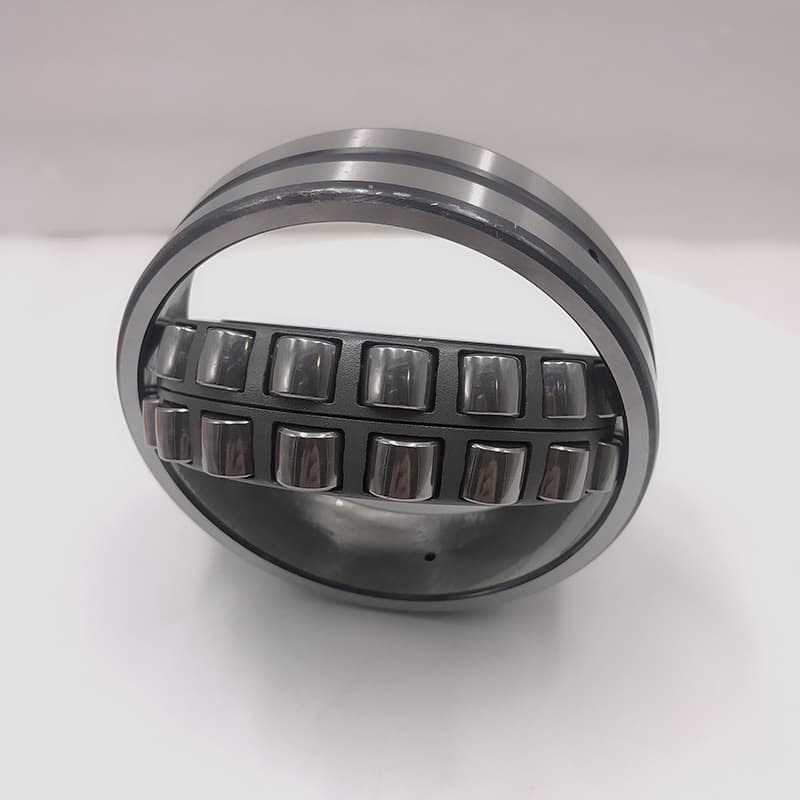
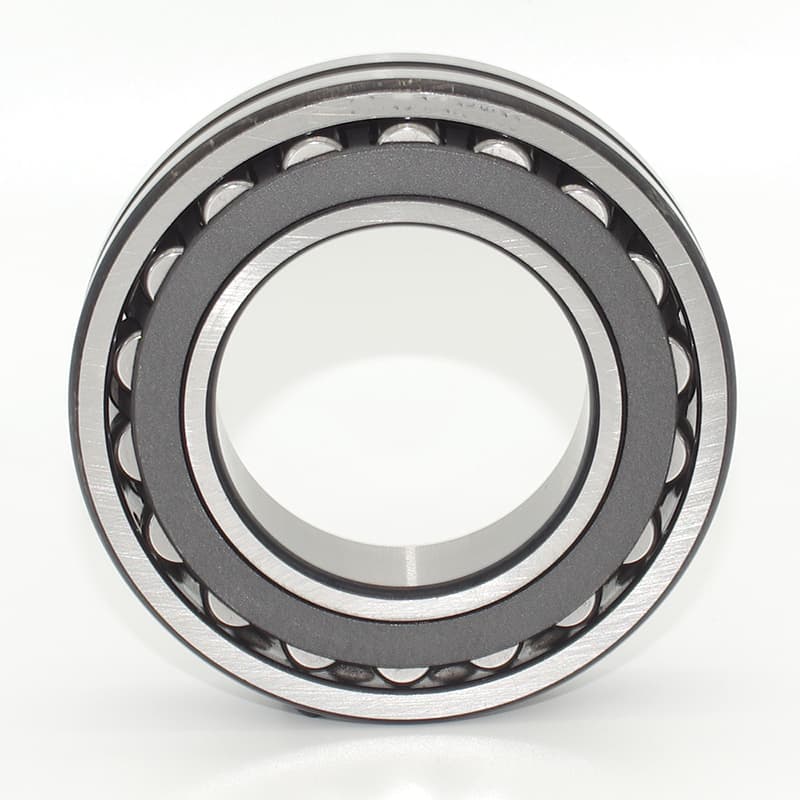
Spherical roller bearings have two rows of rollers that run on a common sphered raceway in the outer ring. This design allows the bearing to self-align. It means the bearing can compensate for shaft deflection or mounting errors. This is important in conveyor systems3 where the pulley shaft may bend under load or where the housing is not perfectly aligned.
Load handling capabilities
These bearings are built for heavy radial loads. The rollers are barrel-shaped. They have a large contact area with the raceways. This spreads the load over a bigger surface. It reduces stress and extends bearing life.
In addition to radial loads, spherical roller bearings can take axial loads in both directions. The axial load capacity4 depends on the bearing size and design. Some series have higher axial load ratings than others. For conveyor pulleys, axial loads come from belt tension and tracking forces.
Where you see them in a conveyor
In a typical bulk material conveyor, spherical roller bearings are used on head pulleys, tail pulleys, take-up pulleys, and snub pulleys. These positions experience high belt tension and impact forces. I have seen them work well in coal mines, cement plants, and ports. They handle dust, moisture, and temperature changes.
My experience with customer applications
A few years ago, a customer from Turkey contacted us. He was building a conveyor for a stone crusher. He initially used deep groove ball bearings on the take-up pulley. They failed within three months. The problem was misalignment from the take-up frame. I suggested he switch to spherical roller bearings. The new bearings lasted over two years. He now specifies them for all his conveyors.
What type of bearing will you recommend for use in the conveyor belt roller?
A maintenance manager calls you. His conveyor roller bearings keep failing every few weeks. He asks what bearing type he should use. He needs a reliable solution that lasts.
For conveyor belt rollers, I recommend spherical roller bearings1 for heavy-duty applications. For lighter conveyors, deep groove ball bearings2 or cylindrical roller bearings3 may work. But for take-up and snub pulleys, spherical roller bearings are the best choice.
Why spherical roller bearings excel in take-up and snub pulleys
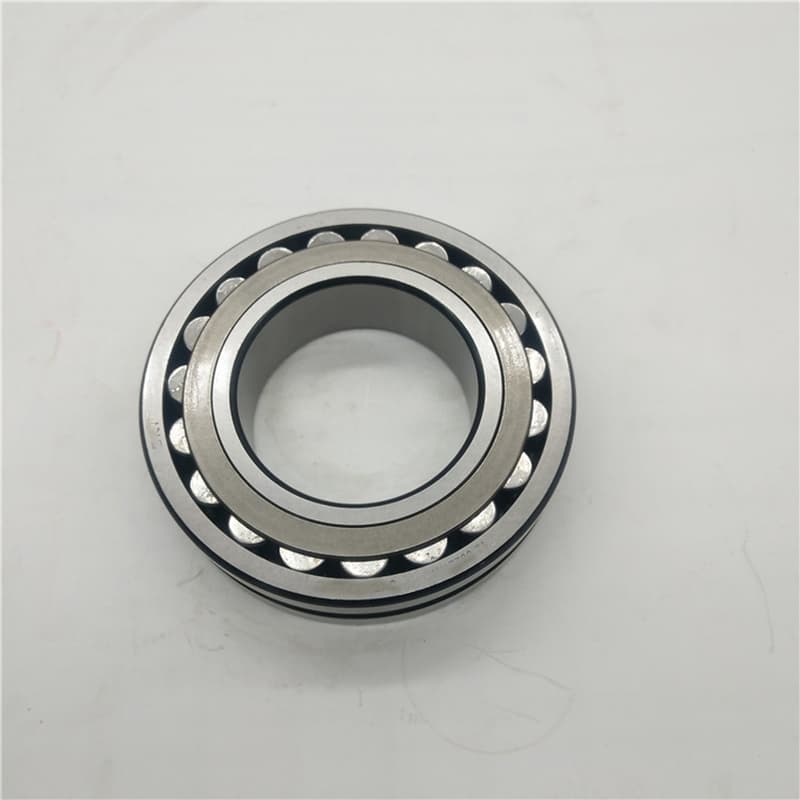
Take-up pulleys move to adjust belt tension. They often have a floating shaft design. This can cause misalignment between the bearing and the housing. Spherical roller bearings handle this misalignment naturally. They do not bind or create extra heat.
Snub pulleys change the belt direction. They increase the wrap angle on the drive pulley. This puts high radial loads on the bearings. The load is not always constant. It can spike when the belt starts or stops. Spherical roller bearings absorb these shock loads well.
Comparing bearing types for conveyor rollers
Let me break down the options in a simple table.
| Bearing Type | Radial Load | Axial Load | Misalignment | Recommended for Take-up/Snub |
|---|---|---|---|---|
| Spherical Roller | Excellent | Good | Excellent | Yes |
| Deep Groove Ball | Good | Fair | Poor | No |
| Cylindrical Roller | Excellent | Poor | Poor | No (if misalignment) |
| Taper Roller | Good | Excellent | Fair | Possible but careful |
When other bearings might work
In some small conveyors with low loads and precise alignment, deep groove ball bearings can work. They are cheaper. But they fail quickly if misalignment occurs. Cylindrical roller bearings carry high radial loads but cannot take axial loads. They also do not tolerate misalignment. If your conveyor has perfect alignment and no axial thrust, they could be an option. But in reality, perfect alignment is rare.
Taper roller bearings handle combined loads well. They come in pairs. But they are sensitive to mounting and preload. For take-up pulleys that move, maintaining proper preload is difficult. Spherical roller bearings are more forgiving.
My advice based on field feedback
I have supplied bearings to many conveyor builders. The ones who use spherical roller bearings on take-up and snub pulleys report fewer problems. They tell me that bearing life increased by two or three times after switching. One distributor in Brazil said his customers now request spherical roller bearings by name.
What is a conveyor snub roller1?
You look at a conveyor drawing. You see a small pulley near the drive pulley. You wonder what it does. You want to understand its function to choose the right bearing.
A snub roller, also called a snub pulley, is a small diameter pulley located near the drive pulley. It increases the wrap angle2 of the belt on the drive pulley. This improves traction and prevents belt slip.
The mechanical role of a snub roller
The drive pulley transfers power to the belt through friction. The amount of friction depends on the wrap angle. The wrap angle is the arc of contact between the belt and the pulley. A larger wrap angle means more friction. The snub roller pushes the belt against the drive pulley, increasing the wrap angle from around 180 degrees to more than 200 degrees.
This extra contact helps when starting the conveyor under load. It also helps in wet or dusty conditions where friction is lower. Without a snub roller, the belt might slip. Slipping causes wear on the belt and pulley lagging. It also wastes energy.
Loads on the snub roller bearing
The snub roller experiences high radial loads. The belt bends around it, creating a force vector. This force can be several tons in a heavy-duty conveyor. The bearing must support this load continuously.
In addition, the snub roller may see some axial load if the belt tracks to one side. Belt tracking forces can push the roller sideways. The bearing should handle these occasional axial loads without damage.
Common problems with snub roller bearings
I have seen many failures on snub rollers. The most common cause is contamination. Snub rollers are often close to the material discharge point. Dust and fines get into the bearing if the seals are not good. Spherical roller bearings with proper seals and lubrication can survive in these conditions.
Another problem is misalignment. The snub roller shaft may bend slightly under load. Or the mounting brackets may not be perfectly aligned. A self-aligning bearing like a spherical roller bearing handles this. Rigid bearings would overheat and fail.
My story from a cement plant
Last year, I visited a cement plant in Egypt. They had a problem with a snub roller bearing failing every month. The maintenance team showed me the failed bearings. They were deep groove ball bearings. The housing had worn out, causing misalignment. I recommended they replace the housing and use spherical roller bearings3 with an adapter sleeve. This allowed easy mounting and alignment. The new bearings have been running for eight months without issues.
Can spherical roller bearing take axial load?
A design engineer asks you: I have a take-up pulley that experiences thrust from belt tracking1. Can a spherical roller bearing handle this? He needs to confirm before finalizing his design.
Yes, spherical roller bearings2 can take axial loads. They are designed to accommodate axial loads in addition to high radial loads. However, the axial load capacity3 varies by series and size.
How spherical roller bearings handle axial load
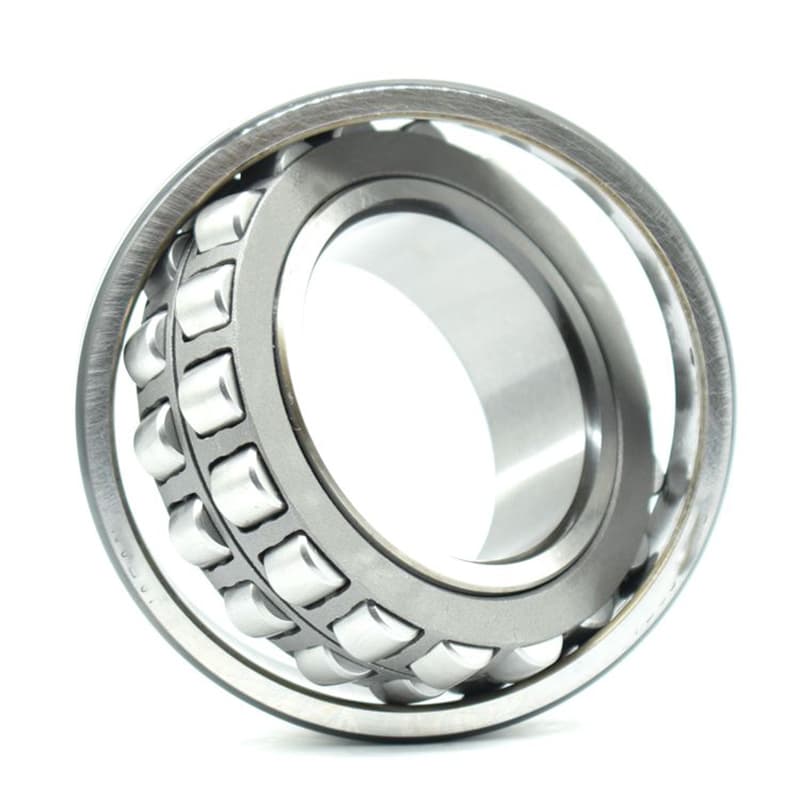
The rollers in a spherical roller bearing are guided by a central rib on the inner ring. When an axial load is applied, the rollers press against this rib. The load is transferred through the rollers to the outer ring raceway. The angle of contact allows the bearing to support thrust in either direction.
But there is a limit. The axial load should not exceed a certain percentage of the radial load. For most spherical roller bearings, the allowable axial load is about 0.2 to 0.3 times the basic dynamic radial load rating. If the axial load is too high, the rollers may skew or the rib may overheat.
Factors that affect axial load capacity
- Bearing series: Some series, like the 22300 series, have higher axial load capacity due to longer rollers and a steeper contact angle. The 23000 series is more optimized for radial loads.
- Operating clearance: Internal clearance affects load distribution. A larger clearance may reduce axial load capacity.
- Lubrication: Good lubrication4 is essential for axial load handling. The rib-roller end contact generates friction. Proper oil or grease prevents metal-to-metal contact.
- Speed: At high speeds, axial load capacity may decrease due to heat generation.
Axial loads in conveyor pulleys
On a take-up pulley, the main axial load comes from belt tracking. The belt tries to move to one side. This creates a thrust force on the pulley. The force is usually small compared to the radial load. But if the belt is badly misaligned, the axial force can be significant.
I have seen cases where axial loads damaged bearings. In one conveyor, the belt ran off-center constantly. The take-up pulley bearings failed because of high thrust. We solved it by fixing the belt tracking and using bearings with higher axial capacity.
My advice for selecting bearings with axial loads
When you choose a spherical roller bearing for a snub or take-up pulley, check the axial load rating. Compare it with the expected axial forces. If the axial load is high, consider a bearing with a higher axial load factor. You can also use two spherical roller bearings back-to-back, but that is rarely needed in conveyors.
Remember that misalignment also affects axial load distribution. A self-aligning bearing will distribute the load better than a rigid bearing. That is another reason spherical roller bearings are preferred.
Conclusion
Spherical roller bearings are the ideal choice for heavy-duty conveyor take-up and snub pulleys. They handle high radial loads, moderate axial loads, and misalignment. They improve reliability and reduce downtime.
-
Learn about belt tracking and its impact on conveyor systems to prevent potential bearing failures. ↩ ↩ ↩ ↩
-
Explore this link to understand the design and applications of spherical roller bearings, crucial for your engineering decisions. ↩ ↩ ↩ ↩
-
This resource will help you grasp how to calculate axial load capacity, ensuring your design meets safety standards. ↩ ↩ ↩ ↩
-
Discover the significance of lubrication in bearing performance, essential for maintaining axial load handling. ↩ ↩