
You pack a container with bearings. They leave your warehouse in good condition. They arrive at the port rusty and damaged. That is a loss you cannot afford.
Export packaging for sea freight must protect bearings from moisture, corrosion, and impact during long voyages. The right packaging materials, rust prevention methods, and container loading techniques are the keys to safe delivery.
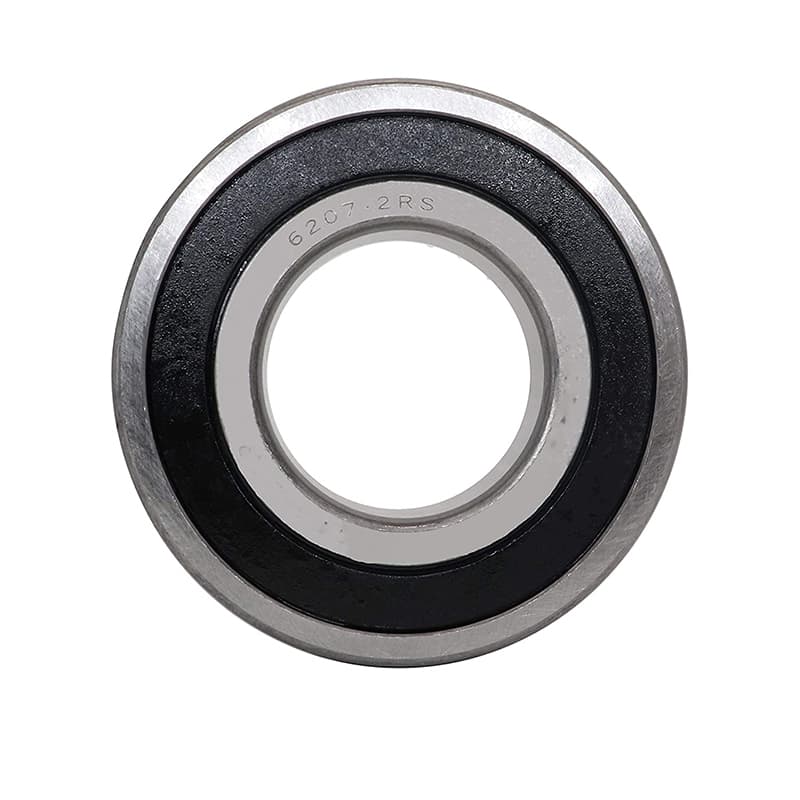
Let me tell you why this matters to me. I ship bearings from China to over 10 countries. Turkey, Brazil, India, Egypt, Indonesia – these are my regular destinations. The journey takes 20 to 50 days. The ocean air is salty. The container shakes and moves. I have seen good bearings ruined by bad packaging. I have also seen cheaper packaging work well because it was done right. So I want to share what I have learned. This is not theory. This is what I check before every shipment leaves my factory.
How to Choose Key Packaging Materials for Deep Groove Ball Bearings in Sea Freight?
You have three quotes from packaging suppliers. One uses recycled cardboard. One uses wooden crates. One uses plastic-lined bags. Which one should you pick?
The best packaging materials for sea freight include VCI paper, polyethylene bags, corrugated boxes with high burst strength, and wooden pallets. Each material serves a different purpose. The choice depends on your destination, transit time, and handling conditions.
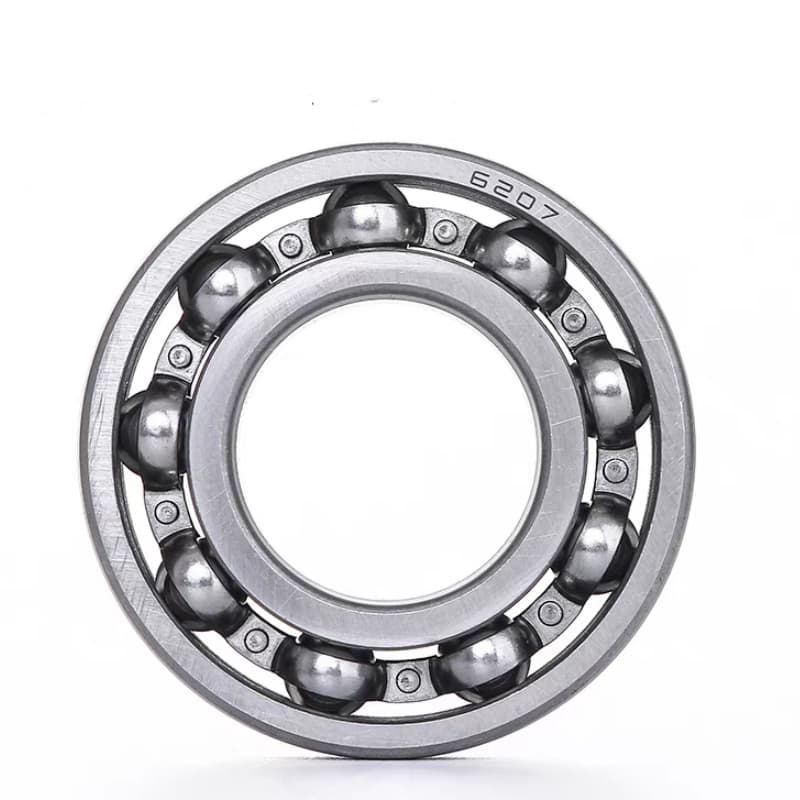
Let me break down each material
I do not use just one material. I combine them. Each layer adds protection. Here is my standard packaging system.
| Material | Purpose | My Recommendation |
|---|---|---|
| VCI paper | Rust prevention | Wrap each bearing individually. VCI releases vapor that protects metal surfaces. |
| Polyethylene bag | Moisture barrier | Seal the wrapped bearing inside. This keeps salt air away. |
| Corrugated box | Physical protection | Use 5-ply or 7-ply boxes. They hold the weight without collapsing. |
| Wooden pallet | Base and handling | Use heat-treated or fumigated wood. This meets ISPM 15 export standards. |
| Stretch wrap | Unitizing | Wrap the entire pallet tightly. It keeps boxes from shifting. |
The mistake I made early in my business
I will be honest with you. When I first started exporting, I used thin cardboard boxes. I thought they were enough. A customer in Russia received a container of bearings. The boxes had collapsed. The bearings had rubbed against each other. The rust was visible. I lost that customer. I learned that packaging is not an expense. It is an investment. Now I use heavy-duty boxes. I also add corner protectors. I have not had a collapsed box since.
My advice on choosing suppliers
I always check the burst strength of the box. I ask for a test report. The minimum I accept is 32 ECT for single-wall boxes. For double-wall boxes, I look for 48 ECT or higher. I also check the thickness of the polyethylene bags. A bag that is 0.08 mm thick is fine for short voyages. For long voyages over 30 days, I use 0.12 mm or thicker. These small details make a big difference.
How to Effectively Prevent Rust and Corrosion on Bearings During Long Ocean Voyages?
You pack the bearings clean and dry. You seal the container. You ship it out. When it arrives, you see orange spots on the raceways. What went wrong?
Rust happens when moisture meets the metal surface. The ocean environment is full of humidity and salt. To prevent rust, you need a combination of VCI protection, proper sealing, and moisture-absorbing materials inside the container.
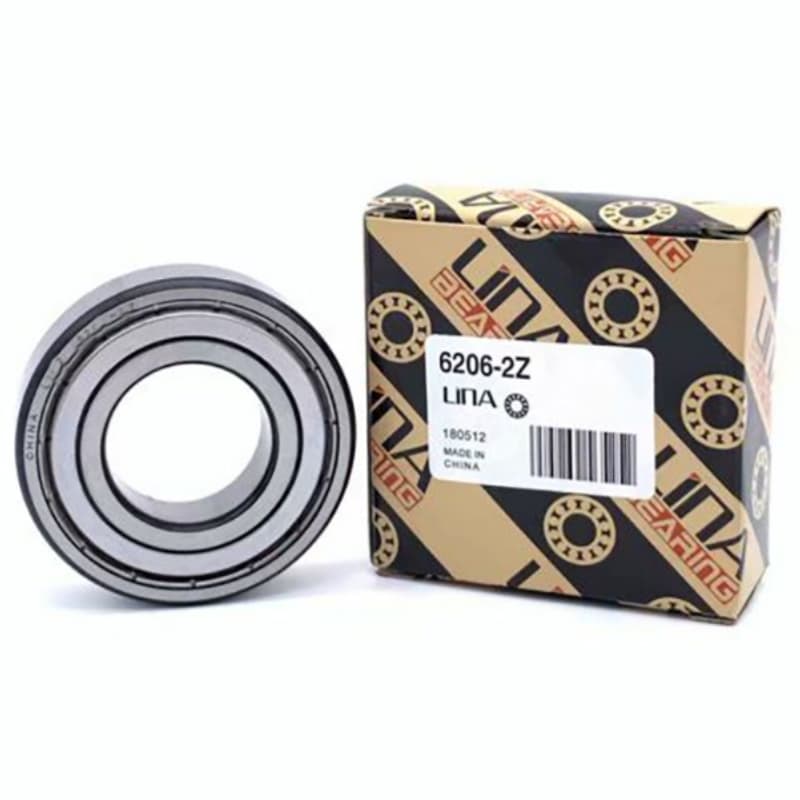
The science of rust prevention
I want to explain rust in simple terms. Metal has a natural tendency to oxidize. Water and salt speed up that process. The longer the voyage, the more chance for rust. I have learned that a single method is not enough. You need a layered approach.
Here is my rust prevention checklist.
| Method | How It Works | When to Use |
|---|---|---|
| VCI paper | Releases a vapor that forms a protective layer on metal | Always, for all bearings |
| VCI bag | Seals the bearing in a vapor-rich environment | For high-value or precision bearings |
| Desiccant packs | Absorbs moisture inside the sealed bag | For voyages over 30 days |
| Rust-preventive oil | Coats the bearing surface with a thin oil film | When customers request "oiled" packaging |
| Container floor covering | Prevents moisture rising from the container floor | For all sea freight shipments |
A story from a customer in Brazil
A Brazilian importer ordered 10,000 deep groove ball bearings from us. He asked for cheap packaging. He did not want VCI paper because it cost extra. I warned him. He insisted. The bearings arrived with light rust on the outer rings. He was angry. But he accepted that he made the choice. On his next order, he asked for full VCI protection. He paid the extra cost. He told me that the rust loss was more expensive than the VCI paper. Now he always uses our full rust prevention package.
My insight on desiccants
Many people forget about desiccant packs. I do not. I put two 10-gram silica gel packs inside each sealed poly bag. That is an extra step. But I have seen the difference. In a high-humidity environment, the desiccant absorbs the moisture that gets trapped inside. It gives you an extra layer of safety. I also tell my customers to keep the bearings in their original sealed packaging until they are ready to use them. The longer they stay sealed, the better protected they are.
One more warning
Do not use ordinary paper or cardboard directly against the bearing surface. These materials contain acids. They can cause staining. I learned this from a customer in Egypt. He used newspaper to wrap bearings. The ink caused discoloration. That looked like rust to his customers. He lost trust. Use VCI paper only. It is made specifically for metal protection.
Container Loading and Securing: How to Avoid Impact Damage During Transit?
You load the bearings into the container. You close the door. On the ship, the container moves. It shifts with the waves. When it arrives, the boxes are crushed. The bearings are damaged. What can you do?
Proper container loading requires even weight distribution, secure blocking and bracing, and enough cushioning material inside each box. The goal is to keep every box in its place during the entire journey.
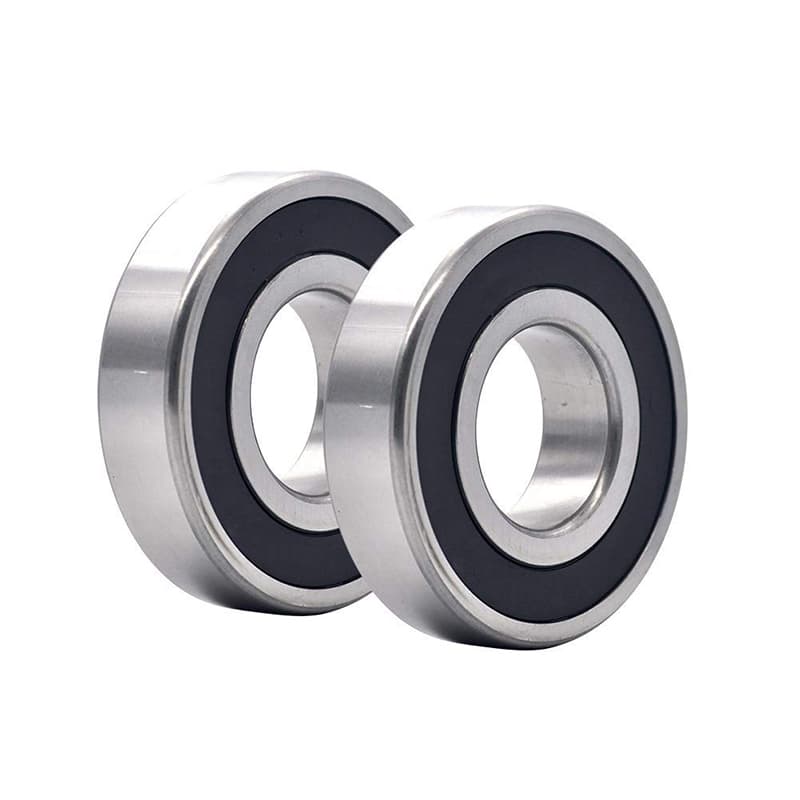
The physics of shipping damage
Let me explain this directly. The ship moves up and down. It also moves side to side. That movement creates forces. Those forces push against the cargo. If the cargo is not secured, it slides. When it slides, it hits other boxes. That impact can damage the bearings inside. The damage is not always visible. It can be bruising on the raceway or denting of the seals.
I have seen all kinds of damage. Here is a table of what I check.
| Risk Factor | What I Do to Prevent It | Why This Works |
|---|---|---|
| Shifting of boxes | Use air bags or dunnage between layers | Fills the gaps and stops movement |
| Weight imbalance | Distribute heavy boxes evenly across the floor | Prevents the container from tilting |
| Bottom layer crush | Use wooden pallets, not cardboard directly on the floor | Distributes weight and allows forklift access |
| Vertical movement | Use strapping bands or stretch wrap to tie boxes to the pallet | Keeps boxes from bouncing upward |
| Door end pressure | Leave 10-15 cm gap at the door and use cushioning | Absorbs any end impact |
A hard lesson from Indonesia
A customer in Indonesia received a container from us. The boxes near the door were crushed. The bearings inside had deep indentations. We investigated. The container had been loaded in a hurry. The loader did not use air bags to fill the gaps. The cargo shifted during the voyage. The impact at the door was severe. I changed our loading procedure. Now we always take photos of the loaded container. We send them to the customer. We show them the air bags in place. This gives them confidence.
My step-by-step loading process
I follow a strict process. First, I place the pallets on the container floor. I leave no empty space between pallets. If there is a gap, I use inflatable dunnage bags. Second, I place the heaviest pallets at the bottom. Third, I stack lighter pallets on top if needed. Fourth, I use strapping to hold everything together. Fifth, I take photos. This process takes time. But it saves me from claims and complaints.
My honest opinion on insurance
Even with good packaging, things can go wrong. I always advise my customers to purchase marine insurance. It covers the value of the goods. It also covers the shipping cost. I see insurance as a backup plan. It does not replace good packaging. But it gives you peace of mind. I have had a few claims over the years. The insurance paid out quickly. That saved the relationship with the customer.
Export Packaging Markings and Documents: What Information Ensures Smooth Customs Clearance?
You send the bearings. They arrive at the destination port. The customs officer looks at the boxes. The labels are not clear. The documents are missing. Your shipment is delayed. What should you include?
Every shipment must have clear markings on the packaging and complete shipping documents. The markings should include the product code, quantity, country of origin, and handling instructions. The documents should include the commercial invoice, packing list, bill of lading, and any required certificates.
The labeling standard I follow
I treat labeling as the final communication with the customer and customs. If the label is wrong, the shipment can be delayed. That costs money. I have a standard label format that I use for all exports.
| Label Element | What I Include | Purpose |
|---|---|---|
| Product code | Example: 6205-2RS | Identifies the exact bearing |
| Quantity | Number of pieces per box | Helps customs count and verify |
| Country of origin | MADE IN CHINA | Required for customs duties |
| Weight | Gross weight and net weight | Used for freight calculations |
| Handling symbols | "FRAGILE", "KEEP DRY", "THIS SIDE UP" | Guides warehouse staff |
| Customer PO number | As provided by buyer | Helps the receiver match the shipment |
| Box number | Example: 1 of 50 | Helps track partial shipments |
The documents I prepare for every order
I have a checklist for documents. I prepare them before the container closes.
-
Commercial Invoice – I list the product name, quantity, unit price, and total value. I also include the HS code for bearings (8482.10).
-
Packing List – I show how the goods are packed. I include box count, weight per box, and total weight.
-
Bill of Lading – I get this from the shipping line. It is the proof of shipment.
-
Certificate of Origin – I get this from the chamber of commerce. Some countries offer duty reductions with this certificate.
-
VCI or Rust Prevention Certificate – I include this to show that the packaging meets rust prevention standards.
-
Fumigation Certificate – I include this for wooden packaging. It proves the wood has been heat-treated.
A mistake I saw from a new exporter
A new supplier in our city shipped bearings to India. He put the wrong product code on the label. He wrote 6206 instead of 6205. The customer refused the shipment. The container sat at the port for weeks. Storage fees added up. The customer cancelled the order. That small label mistake cost thousands of dollars. I tell this story to my team. We double-check every label before it goes on the box.
My final tip on this topic
Send the documents to your customer by email before the ship arrives. Do not wait until the last minute. This gives them time to prepare for customs clearance. It also gives them a chance to spot any mistakes. I always email the documents as soon as the container leaves the port. My customers appreciate this. It makes their job easier.
Conclusion
Good packaging stops rust and damage. Use VCI paper, strong boxes, and secure loading. Include clear labels and complete documents. This protects your bearings and your reputation.