
You install a new sliding gate. Three months later, it makes a grinding noise. Six months later, it gets stuck. What went wrong?
Sliding gates and rolling doors put unique stress on bearings. They face impact loads, outdoor dirt, rain, sun, and long idle periods. Regular bearings fail fast in these conditions. You need deep groove ball bearings with special seals, grease, and internal design for access systems.
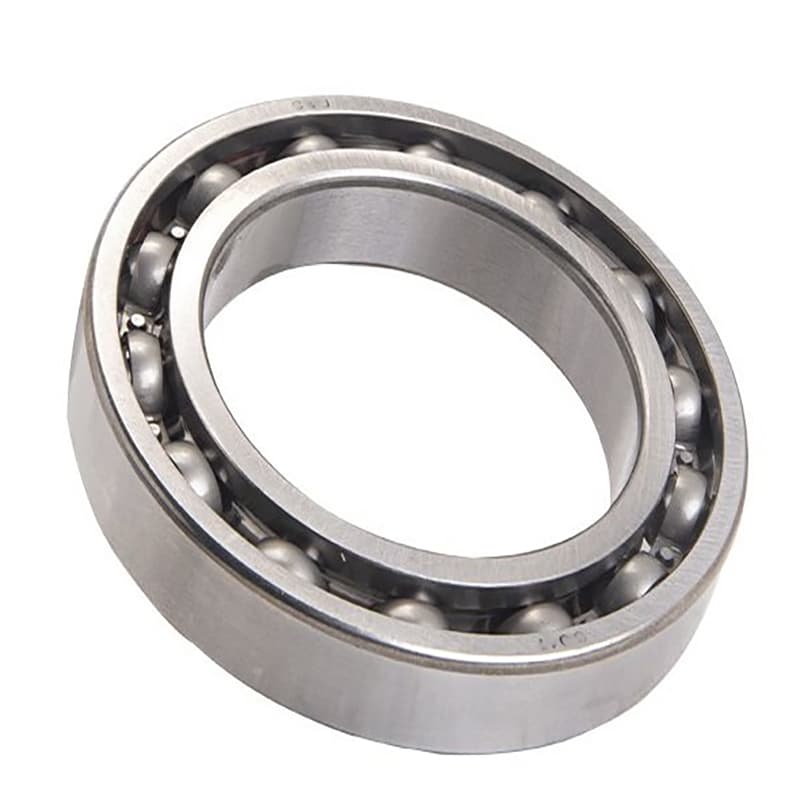
I run a bearing factory in China. I talk to gate and door manufacturers every week. They tell me the same story. Their customers complain about noisy gates. The wheels stop rolling. The doors get stuck halfway.
Most of the time, the problem is not the gate design. It is the bearing. Let me explain why.
Why Sliding Gates and Rolling Doors Kill Bearings Faster Than Normal Machines?
You think a gate is simple. It slides back and forth. No high speed. No heavy load. So bearings should last for years. But they do not. Why?
Sliding gates and rolling doors create three killers for bearings. First, they face uneven loads that change direction. Second, they stop and start constantly. Third, they sit idle for days or weeks. Normal machines run steady. Access systems run in short bursts. This stop-start movement breaks the lubricant film and causes early wear.
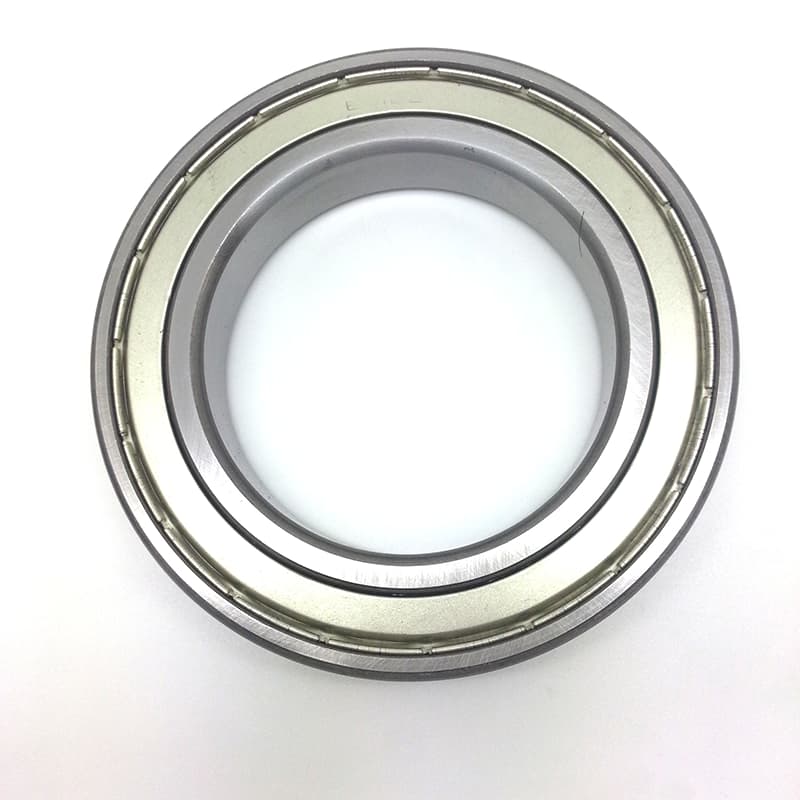
How access systems attack bearings differently than normal machines?
Let me break this down. Most machines run continuous operation like conveyor belts or fans. The bearing spins at constant speed for hours. The lubricant film stays stable. The temperature stays constant. Everything works as designed (https://www.skf.com/us/products/rolling-bearings/principles/lubrication).
But a sliding gate is different. Here is what happens inside your bearing.
The load changes direction all the time. A sliding gate does not roll in a straight line forever. It goes forward. Then it stops. Then it goes backward. Each time it changes direction, the balls inside the bearing reverse their spinning direction. This reversal creates tiny impacts. The balls hit the cage pockets from the opposite side. Over time, this wears out the cage (https://www.nsk.com/common/technology/pdf/en/BearingDamage.pdf).
The speed is never steady. A gate starts from zero speed. It speeds up. Then it slows down to stop. This is called acceleration and deceleration. During acceleration, the balls skid before they start rolling. During deceleration, they skid again. Skidding creates flat spots on the balls and raceways. Flat spots make noise. They also make the gate feel bumpy (https://www.nsk.com/common/technology/pdf/en/BearingDamage.pdf).
The bearing sits idle for long periods. A gate might open only five times a day. The bearing sits in one position for hours. The balls press on the same spot on the raceway all that time. This is called static load. Over weeks and months, this pressure creates small dents. These dents are called Brinell marks. When the gate finally moves, the balls hit these dents. That creates vibration and noise (https://www.skf.com/binaries/pub12/Images/0901d1968078cccc-TPI_13_EN_tcm_12-222608.pdf).
Here is a comparison table:
| Operation Type | Speed Pattern | Load Pattern | Main Bearing Stress | Typical Life |
|---|---|---|---|---|
| Continuous machine (fan) | Constant speed | Constant direction | Fatigue wear | 3 to 5 years |
| Sliding gate | Stop-start-reverse | Changing direction | Impact + false brinelling | 6 to 18 months |
| Rolling door | Short bursts | Vertical + horizontal | Shock + idle dents | 12 to 24 months |
| Overhead door | Slow opening | Heavy hanging load | Static pressure + creep | 1 to 2 years |
(https://www.nsk.com/common/technology/pdf/en/BearingDamage.pdf)
I have a good story from a customer in Brazil. He makes automatic sliding gates for apartment buildings. He used standard electric motor bearings. The gates worked fine for six months. Then the bearings got noisy. Residents complained. He had to replace bearings every year.
He called me for help. We analyzed his operation. The gates opened 20 times per day. Each cycle took 15 seconds. The bearings spent 99% of their time sitting still. That is the problem. Standard bearings are not made for that.
We switched him to bearings with a special grease. This grease stays in place even when the bearing stops moving. We also used a thicker internal clearance (C3 instead of C0). This gives the balls room to move without jamming during direction changes. His bearing life went from one year to four years. He still buys from me today.
So here is my first point. Do not treat gate bearings like machine bearings. They need different design features. Let me explain those features now.
Impact Loads and Shock: How Bearings Handle Sudden Stops and Starts?
You open a heavy rolling door. It drops a few centimeters before the motor catches it. That sudden jolt goes straight to the bearings. Can a standard bearing handle that?
Standard bearings do not like impact loads. The balls dent the raceways when a sudden shock hits. These dents create noise and vibration. For access systems, you need bearings with deeper raceway grooves and special internal clearance. This design spreads the impact force across more surface area. It also gives the balls room to move without damaging the metal.

Why shock loads are different from normal loads?
Let me explain the difference. Normal load is steady. Think of a gate sitting still. The weight presses down constantly. The steel handles this fine. It is like standing on a concrete floor. The floor holds your weight all day without breaking. koyo.jtekt.co
Impact load is sudden. Think of a gate dropping a few centimeters before the brake catches it. The weight hits the bearing in a fraction of a second. The force is much higher than the static weight. This is like jumping off a chair and landing on the concrete floor. Your knees feel the difference. znlbearings
Here is what happens inside the bearing during an impact. The ball hits the raceway with extra force. The steel surface deforms slightly. If the impact is strong enough, the deformation becomes permanent. This is a dent. The dent is tiny. You cannot see it with your eyes. But the ball feels it every time it rolls over that spot.
The dent creates a chain reaction. When the ball hits the dent, it makes a small vibration. That vibration shakes the gate. You hear a click or a thump. Over time, more dents form. The gate gets noisier. The vibration also shakes the grease away from the dent area. Without grease, the metal wears faster.
Standard bearing raceways are shallow. Most deep groove ball bearings have a raceway that wraps about 30% around the ball. This is fine for steady loads. But for impact loads, you want a deeper raceway. Some special bearings have deeper grooves that wrap 40-50% around the ball. This deeper groove holds the ball in place better during shocks.
Here is a table that shows how different bearings handle impact:
| Bearing Type | Raceway Depth | Impact Resistance | Best For |
|---|---|---|---|
| Standard deep groove (https://en.wikipedia.org/wiki/Ball_bearing#Deep-groove_ball_bearings) | 30% wrap | Low | Smooth, steady loads |
| Deep groove with C3 clearance (https://www.skf.com/group/products/rolling-bearings/principles/bearing-selection/internal-clearance) | 30% wrap | Medium | Thermal expansion |
| Heavy duty deep groove (https://www.ntn-snr.com/en/deep-groove-ball-bearings) | 35-40% wrap | Medium-high | Moderate shocks |
| Special groove design (https://www.timken.com/products/engineered-bearings/) | 40-50% wrap | High | Gates, doors, impacts |
| Angular contact (https://en.wikipedia.org/wiki/Angular_contact_ball_bearing) | 50-60% wrap | Very high | High precision shocks |
I remember a customer from India. He makes industrial rolling doors for warehouses. These doors are heavy. They weigh 500 kg or more. When the door reaches the top, it stops suddenly. That stop creates a big shock load on the bottom bearings.
He used standard bearings with C3 clearance. The bearings lasted eight months. Then they started making loud clicking sounds. We cut open a failed bearing. The raceway had small dents at regular spacing. Each dent matched the ball position. Those dents came from the stop shock at the top of each door cycle.
We switched him to bearings with deeper raceway grooves. We also used a machined brass cage instead of pressed steel. The brass cage absorbs shock better. The steel cage transfers shock directly to the balls. His bearing life doubled. He now orders three containers of these special bearings every year. ldk-bearings
Here is another example from Egypt. A customer makes automatic sliding gates for villas. The gates are not very heavy. But they hit the end stop hard every time they open. The end stop is a rubber bumper. But the impact still travels through the gate frame to the bearings. nsarbearings
His solution was simple. He switched to C4 internal clearance. That is even bigger than C3. The extra clearance gives the balls room to move without hitting the raceway edges during impact. The noise dropped by half. The gate feels smoother to his customers.
So here is my advice. If your gate or door has any kind of sudden stop or hard start, tell me. I will recommend the right clearance and raceway design. Do not guess. The wrong bearing will fail fast. And your customer will blame you.
Dirt, Rain, and Sun: The Outdoor Environment Challenge?
Your gate sits outside. Rain hits it. Dust blows into it. The sun bakes it all afternoon. How can a bearing survive this outdoor life?
Outdoor access systems face three enemies. Water causes rust. Dust grinds the steel. UV rays and heat break down rubber seals and grease. Standard bearings have no defense against these attacks. You need rubber seals on both sides. You need water-resistant grease. You need corrosion-resistant coating or stainless steel for wet climates.
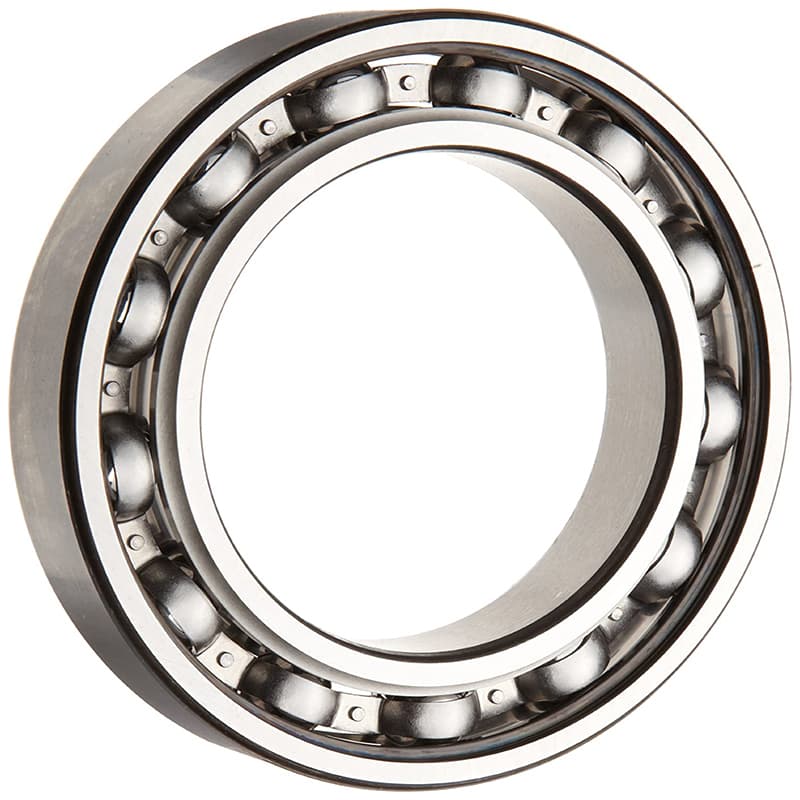
How each weather element attacks your bearings?
Let me walk you through each problem. Outdoor conditions are brutal. Most bearing factories test their products in clean, dry labs. Real life is not like that. superteamwheels
Rain and humidity cause rust. Water finds every tiny gap. It gets past metal shields easily. Once inside, it sits on the steel surface. Rust starts in hours. Rust is soft and powdery at first. But it quickly turns into hard pits. Those pits create noise. They also create places for more water to hide. Rust never stops growing. It spreads like a disease on the steel. superteamwheels
Dust and sand act like sandpaper. When dust gets into a bearing, it mixes with the grease. The grease holds the dust in place. Now every ball rolls through this dust-filled grease. The dust particles scratch the raceways. The scratches become grooves. The grooves catch more dust. The damage gets worse over time.
Sun and heat destroy rubber seals. UV rays from the sun break down rubber. The rubber gets hard. Then it cracks. Cracked seals let water and dust in easily. Heat also makes the rubber expand and contract. This pumping action pulls air and moisture into the bearing. The grease dries out from the heat. Dry grease cannot lubricate.
Temperature changes create condensation. A gate sits outside all day. The sun heats the metal gate. Then night comes. The temperature drops. The metal cools fast. Moisture from the air condenses on the cold metal. This water drips down into the bearing. One day of this is fine. Two years of this is a disaster.
Here is a table for outdoor protection levels:
| **Protection Feature** | **Light Outdoor (Covered)** | **Heavy Outdoor (Exposed)** | **Extreme (Coastal/Rainy)** |
|------------------------|-----------------------------|------------------------------|------------------------------|
| Seals | 2RS rubber seals | 2RS with double lip | 2RS2 double lip + urethane coating |
| Grease | Standard lithium | Water-resistant calcium | Water + rust inhibiting grease |
| Steel type | Chrome steel (GCr15) | Chrome steel with zinc coating | Stainless steel (440C or 316) |
| Rust prevention | Standard oil | Rust inhibitor added | Marine-grade protection |
| Expected life | 2-4 years | 1-2 years | 3-5 years with stainless |
I have a customer in Indonesia. His country is hot, humid, and rainy. He makes rolling doors for shop fronts. The doors face the street. Rain hits them directly. The air is always humid.
He tried standard bearings with metal shields. The bearings rusted in two months. He tried rubber seals. That helped. But the rubber cracked from the sun after one year. The grease turned into hard wax from the heat. The doors got stuck.
Now he uses bearings with special UV-resistant rubber seals. He also uses a grease made for high temperatures and high humidity. The bearings cost him 20% more. But they last three times longer. His customers are happy. He does not get service calls anymore.
Another story from Russia. A customer makes gates for outdoor parking lots. The winters are cold. Rain turns to ice. Ice gets into the bearings. When it freezes, it expands. The expansion cracks the cages.

We switched him to bearings with more [internal clearance (C4)](https://www.skf.com/us/products/rolling-bearings/principles/bearing-selection-process/bearing-internal-clearance). The extra space gives the ice room to expand without breaking things. We also used a grease that works at -30°C. Standard grease gets hard like plastic at that temperature. The door motor could not even turn the bearing. The new grease solved that problem.
So here is my outdoor advice. Look at your climate first. Dry and covered? Rubber seals and standard grease are fine. Rainy and exposed? Add water-resistant grease and better seals. Coastal area with salt air? Use stainless steel. Salt eats regular steel very fast. Do not save money on bearings for outdoor gates. You will pay more in service calls later.
Noise Matters: Why Quiet Bearings Make Better Access Systems?
Your customer buys a new automatic gate. It works fine. But every time it opens, it squeaks. The customer calls you. They are not happy. Why does noise matter so much?
Noise is the first sign of a bearing problem. A quiet gate feels high quality. A noisy gate feels cheap and broken. For access systems near homes and offices, noise is not a small detail. It is the main feature customers notice. You need bearings with high precision (P5 or P6) and smooth surface finish to keep noise low.
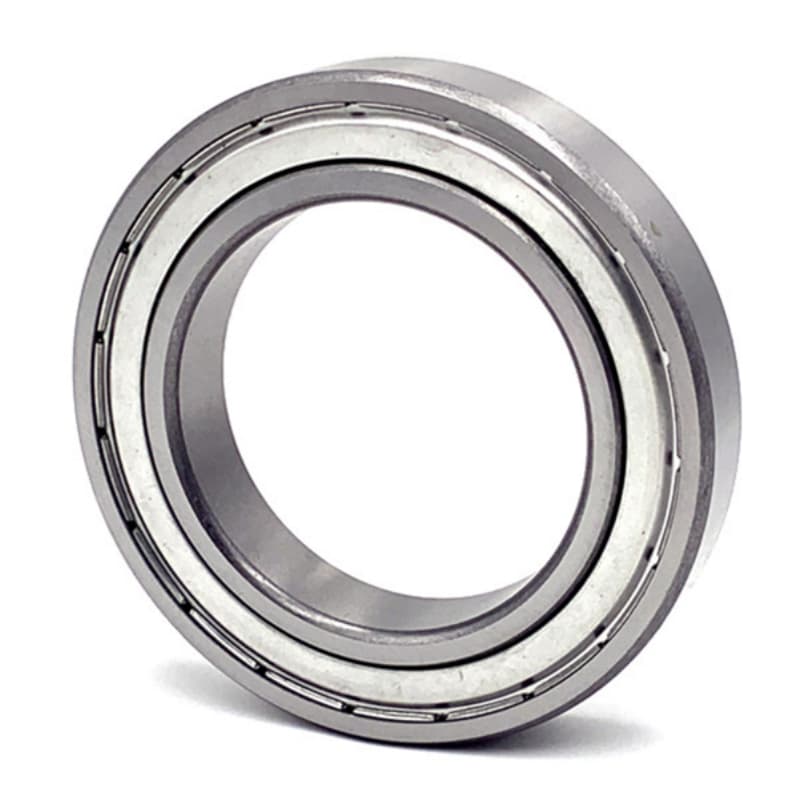
Where does bearing noise come from?
Let me explain noise sources. Most people think noise comes from friction. That is not completely true. Noise comes from vibration. The vibration travels through the gate frame. The frame acts like a loudspeaker. It makes the small vibration into a big sound.
**Raceway surface finish is the biggest factor.** Every ball bearing has tiny machining marks on the raceways. They look like smooth metal. But under a microscope, they look like mountains and valleys. When a ball rolls over these peaks, it makes a small vibration. A rougher surface makes more vibration. A smoother surface makes less vibration.

Standard bearings have a roughness level called Ra 0.1 to 0.2 microns. That is fine for machines. But for quiet gates, you want Ra 0.05 or lower. This smoother surface costs more to make. But it reduces noise by 50-70%.

**Ball roundness also matters.** Perfect balls are perfectly round. Cheap balls are not perfectly round. They have small flat spots or oval shapes. These out-of-round balls bounce as they roll. Each bounce makes a noise. It also creates uneven wear.
Internal clearance affects noise too. Too much clearance lets the balls bounce around. Too little clearance causes rubbing. Both create noise. The right clearance for quiet operation is usually C2 (smaller than normal) or standard C0. C3 and C4 are noisier because the balls have more room to move.
The cage material changes the sound character. Steel cages make a higher pitch noise. It sounds like metal clicking on metal. Nylon cages make a lower pitch sound. They absorb some of the vibration. Brass cages are the quietest. They have natural damping properties.
Here is a noise level comparison:
| **Bearing Feature** | **Noise Level** | **Sound Character** | **Best Application** |
|---------------------|-----------------|---------------------|----------------------|
| Standard P0 + steel cage | High (70-80 dB) | Metallic clicking | Industrial doors |
| Standard P0 + nylon cage | Medium (60-70 dB) | Lower pitch | Garage doors |
| P6 + nylon + smooth raceway | Low (50-60 dB) | Soft humming | Residential gates |
| P5 + brass cage + polished raceway | Very low (40-50 dB) | Almost silent | Luxury homes, offices |
I have a great story from a customer in Turkey. He makes sliding gates for luxury villas. His customers pay $10,000 or more for a gate. They expect perfection. One customer complained that the gate was too noisy. The noise was not loud. But the customer could hear it from his bedroom.
My customer tried everything. He changed the motor. He changed the wheels. Nothing worked. Then he called me. I asked him what bearings he was using. He was using standard P0 bearings with steel cages.
I sent him P5 bearings with brass cages. The difference was immediate. The noise dropped by 80%. The gate sounded smooth and expensive. His customer was happy. Now he uses our P5 bearings on all his luxury gates.
Another story from Brazil. A customer makes rolling doors for hospital operating rooms. These doors need to be very quiet. Noise disturbs the doctors and patients. He used standard bearings. The hospital rejected his product.
We switched him to bearings with nylon cages and polished raceways. The clicking stopped. The hospital approved his doors. He told me that the bearing upgrade was the best decision he made that year.
So here is my noise advice. Think about where your gate or door will be used. A factory door can be noisy. A home gate should be quiet. A hospital door must be silent. Match your bearing precision to the application. P0 is fine for industrial. P5 is better for residential. And always use nylon or brass cages for quiet operation. Steel cages are too loud for homes.
Conclusion
Sliding gates and rolling doors need tough bearings. Use rubber seals, impact-resistant design, outdoor protection, and quiet materials for long life.